
Refinishing your hardwood floors can completely transform the look and feel of your home. But what if you’re living in the house while doing it?
The idea might sound overwhelming. Dust, noise, and restricted space can make you want to put the project off forever. What if you could refinish your floors without moving out or disrupting your daily life? Imagine walking on smooth, shiny floors again—without the hassle of a big renovation.
This guide will show you exactly how to refinish your hardwood floors while still living comfortably in your home. You’ll learn simple steps, smart tips, and easy ways to keep your space livable throughout the process. Ready to breathe new life into your floors? Let’s get started.

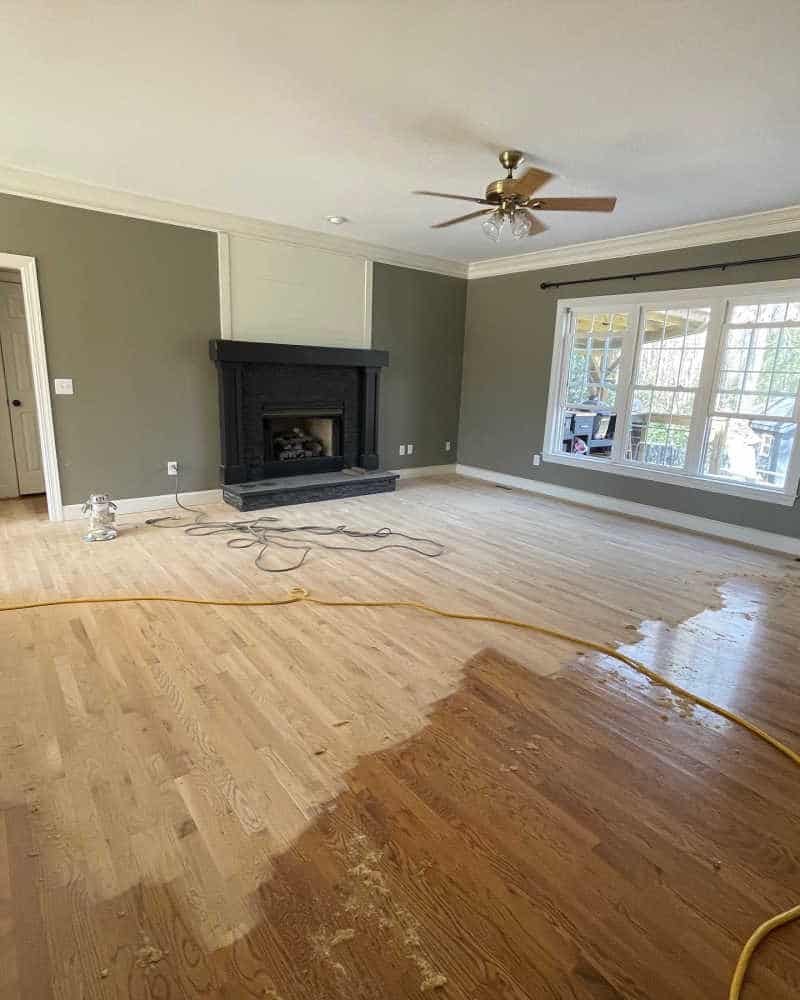
Credit: missmustardseed.com
Preparing Your Space
Preparing your space is a key step before refinishing hardwood floors while living in the house. Proper preparation helps protect your belongings and makes the job safer and easier. It reduces dust, fumes, and the risk of damage. Take time to get your area ready for the work ahead. This will save you trouble and stress later.
Clearing And Cleaning The Area
Remove all furniture and rugs from the room. Clear away small items and decorations. This gives you full access to the floor. Sweep or vacuum the floor to remove dust and dirt. Clean floors help the sanding and finishing process work better. A clean space also reduces the chance of dust spreading to other rooms.
Protecting Furniture And Fixtures
Cover any furniture that cannot be moved with plastic sheets or drop cloths. Use painter’s tape to secure covers and seal edges. Protect light fixtures and electrical outlets from dust and splinters. Close doors to other rooms or seal with plastic to stop dust from spreading. This keeps your home cleaner during the project.
Setting Up Proper Ventilation
Open windows to allow fresh air inside. Use fans to help move air out of the room. Good ventilation reduces dust and strong smells from finishes. Avoid breathing in dust or fumes by wearing a mask. Proper airflow keeps the indoor air safer and more comfortable during the job.
Credit: athomewiththebarkers.com
Choosing The Right Tools And Materials
Choosing the right tools and materials is key to refinishing hardwood floors while living in the house. The right equipment makes the job easier and safer. Good materials help your floor look great and last longer. Preparing well saves time and frustration.
Selecting Sanders And Accessories
Choose a drum sander for large floor areas. It sands evenly and removes old finish quickly. Use an edge sander for corners and near walls. Sandpaper grits matter. Start with coarse grit to remove finish. Move to finer grits for smooth results. Have extra sandpaper on hand. Replace worn sheets often for best results.
Picking The Best Wood Finish
Pick a finish that suits your lifestyle. Water-based finishes dry fast and smell less. Oil-based finishes last longer but need more drying time. Use polyurethane for strong protection. Apply thin coats to avoid bubbles. Let each coat dry completely before next. Test the finish on a small floor spot first.
Gathering Safety Equipment
Wear a dust mask to protect lungs from dust. Use safety goggles to guard eyes. Ear protection helps with loud sander noise. Gloves keep hands safe from splinters and chemicals. Keep a fan or air purifier running to clear dust. Open windows for fresh air. Safety gear keeps the job safe and comfortable.
Minimizing Dust And Noise
Refinishing hardwood floors creates dust and noise that can disrupt your daily life. Minimizing these issues helps keep your home clean and peaceful. Careful planning and smart tools reduce dust spread and loud sounds during the project.
Using Dust Containment Systems
Dust containment systems trap dust at the source. These systems use vacuums connected to sanders. They collect dust before it spreads through the house. Using this equipment lowers cleanup time. It also protects your air quality.
Creating Barriers And Seals
Barriers stop dust from moving into other rooms. Use plastic sheets and painter’s tape to seal doorways. Cover vents and furniture to keep dust off surfaces. Sealing the work area helps maintain clean living spaces.
Scheduling Work To Reduce Disturbance
Plan work when household activity is low. Choose times when family members are out or asleep. Limit noisy tasks to short periods. This scheduling keeps noise from disturbing daily routines.
Step-by-step Refinishing Process
Refinishing hardwood floors while living in the house requires careful planning and patience. The process involves three main steps: sanding, cleaning, and applying stain and finish. Each step must be done carefully to protect your home and family from dust and fumes. Follow this simple guide to refinish your floors safely and effectively.
Sanding The Floors Safely
Start by moving all furniture out of the room. Cover vents and doorways with plastic sheets to trap dust. Use a drum sander for the main floor area. A hand sander works well for edges and corners. Always wear a dust mask and safety glasses. Sand the floor evenly, removing old finish and scratches. Avoid sanding too deep to prevent damage to the wood. Change sandpaper often to keep the surface smooth.
Cleaning After Sanding
Vacuum the floor thoroughly to remove dust and debris. Use a damp cloth or mop to wipe the surface gently. Avoid using too much water to prevent wood damage. Let the floor dry completely before moving to the next step. Check for any spots you missed during sanding and fix them. Proper cleaning ensures the stain and finish will stick well.
Applying Stain And Finish
Choose a stain color that matches your room’s style. Apply the stain evenly with a brush or cloth. Let the stain dry as per product instructions. Next, apply a clear finish to protect the wood. Use a brush or roller for a smooth coat. Apply two or three coats, letting each dry fully. Keep windows open for good ventilation during this step.
Living Comfortably During Refinishing
Refinishing hardwood floors while living in the house can feel challenging. Dust, noise, and limited space add stress. Planning helps create comfort. You can stay relaxed and safe during the process. Small changes make a big difference. Here’s how to live comfortably while your floors get a fresh look.
Setting Up Temporary Living Areas
Choose one room as your main living space. Move essential furniture and items there. Keep it clean and organized. Use rugs or mats to protect floors. Create a cozy spot with pillows and blankets. This area becomes your safe zone during work hours. Close doors to other rooms to keep dust out. Use plastic sheets or curtains for extra protection. Keep things simple to reduce stress.
Managing Pets And Children
Pets and kids need extra care during refinishing. Set up a quiet play area away from work zones. Keep pets in a separate room or outside if possible. Provide toys, food, and water nearby. Explain the situation in simple words to children. Keep their routine as normal as possible. Supervise playtime to avoid accidents. Plan outdoor walks or activities to burn energy. Safety and calmness keep everyone happy.
Maintaining Air Quality
Refinishing creates dust and fumes that affect air quality. Open windows and doors to let fresh air in. Use fans to improve air circulation. Run air purifiers with HEPA filters in living spaces. Close off rooms under work to limit dust spread. Clean floors and surfaces daily with a damp cloth. Avoid using harsh chemicals that add to fumes. Keep masks handy for sensitive family members. Good air keeps health strong during refinishing.

Credit: www.familyhandyman.com
Troubleshooting Common Issues
Refinishing hardwood floors while living in the house can bring some challenges. Small problems often appear, but most have easy solutions. Understanding these common issues helps you keep the process smooth and less stressful.
Dealing With Uneven Surfaces
Uneven floors can cause sanding and finishing problems. Start by checking for high spots or low patches. Use a belt sander on high areas to smooth them down. Low spots may need wood filler or a thin layer of floor leveling compound. Always let fillers dry completely before sanding again. This step ensures a flat, even surface for finishing.
Handling Dust And Allergies
Sanding hardwood floors creates a lot of dust. Dust can spread to other rooms and worsen allergies. Seal doorways with plastic sheets to contain dust. Use a vacuum with a HEPA filter to clean dust regularly. Wearing a dust mask or respirator protects your lungs during sanding. Keep windows open for good airflow. These steps keep your living space cleaner and safer.
Fixing Finish Imperfections
Finish flaws like bubbles, streaks, or dull spots may appear after staining. Small bubbles often vanish after drying, but large ones need light sanding. Streaks come from uneven stain application; apply a thin, even coat next time. Dull patches may need an extra finish layer or buffing. Always allow the finish to dry fully between coats for best results.
Maintaining Refinished Floors
Maintaining refinished hardwood floors is key to keeping them beautiful and lasting longer. Proper care protects the new finish and preserves the wood beneath. Simple daily habits can prevent damage and keep floors looking fresh.
Regular attention helps avoid costly repairs. Small steps make a big difference over time. Clean floors, protect surfaces, and plan maintenance for lasting results.
Cleaning Tips To Preserve Finish
Use a soft broom or vacuum with a hardwood floor attachment. Avoid vacuums with beater bars that can scratch the surface. Clean spills immediately using a damp cloth. Do not let water sit on the floor. Use a cleaner made for hardwood floors. Avoid harsh chemicals or abrasive cleaners. Mop floors lightly and allow them to dry quickly. Avoid wax or oil-based products that can build up and dull the finish.
Preventing Damage And Scratches
Place felt pads under furniture legs to prevent scratches. Avoid walking on floors with high heels or shoes with sharp edges. Use rugs in high-traffic areas to reduce wear. Keep pet nails trimmed to prevent scratches. Move furniture carefully and avoid dragging heavy items. Control humidity levels to prevent wood from expanding or shrinking. Use door mats to reduce dirt and grit on floors.
Scheduling Future Maintenance
Check your floors regularly for signs of wear. Light scratches can be fixed with a touch-up kit. Deep scratches or dull areas may need professional refinishing. Plan for a full refinishing every 7 to 10 years. Schedule periodic cleaning and inspections to catch problems early. Keep a record of maintenance dates and actions taken. Regular care extends the life and beauty of your floors.
Frequently Asked Questions
How Can I Safely Refinish Floors While Living At Home?
Seal off the work area with plastic sheets to contain dust. Use low-dust sanding tools and wear a mask for protection.
What Is The Best Time To Refinish Floors When Living Inside?
Choose a period when you can avoid the room for a few days. This allows the finish to dry without disturbance.
How Do I Minimize Dust During Hardwood Floor Refinishing?
Use a sander with a vacuum attachment and cover vents. Clean regularly to keep dust from spreading.
Can I Stay In The House During The Floor Refinishing Process?
Yes, but avoid the workroom and keep pets away. Open windows for ventilation to reduce fumes.
What Products Are Safe To Use When Refinishing Floors At Home?
Use water-based or low-VOC finishes to reduce strong odors. These dry faster and are safer for indoor use.
Conclusion
Refinishing hardwood floors while living in your home takes patience and care. Plan each step carefully to keep dust and noise low. Use proper tools and protect your furniture and family. Small breaks during sanding and finishing help manage the work.
The result? Beautiful floors without leaving your house. Enjoy the fresh look and feel every day. This effort pays off with a warm, clean space for your family.