Have you ever struggled to get stuck wood out of a hole saw? It’s frustrating when your tool jams, slowing down your work and wasting your time.
But don’t worry—there’s a simple way to fix this problem quickly and get back to what matters. You’ll discover easy steps to remove wood from your hole saw without damaging your tool or the material. Keep reading, and you’ll learn how to save time, avoid hassle, and make your projects smoother from start to finish.
Credit: www.reddit.com
Common Challenges With Wood Stuck In Hole Saws
Dealing with wood stuck in a hole saw is a frustrating experience that many DIYers and professionals face. It’s not just about losing time; it can also damage your tool or ruin your workpiece. Understanding the common challenges helps you avoid mistakes and get the job done faster.
HTML Syntax:Jammed Wood Pieces Resist Easy Removal
Wood often gets tightly wedged inside the hole saw’s teeth, making it hard to pull out. The saw’s sharp edges grip the wood fibers, creating a stubborn block that won’t budge with simple twisting.
Have you ever tried to push the wood out only to see it stuck deeper? That’s because the saw’s design pulls the wood inward as it cuts, which traps the piece firmly inside.
HTML Syntax:Risk of Damaging the Hole Saw or Wood
Applying too much force to remove wood can bend or dull the hole saw’s teeth. You might also splinter or crack the wood, ruining your project’s finish.
Using the wrong tools or methods increases this risk significantly. It’s important to be gentle yet effective to preserve both your tool and material.
HTML Syntax:Limited Access Inside the Hole Saw
Since the hole saw is a hollow cylinder, it’s tough to reach inside and grab the stuck wood. Your fingers often won’t fit, and small tools might not be long or sturdy enough.
This limited space forces you to find creative solutions for extraction. Have you tried using a screwdriver or pliers only to realize they don’t reach deep enough?
Tools Needed For Removing Wood
Removing wood stuck inside a hole saw can be tricky without the right tools. Using proper tools makes the task easier and faster. It also helps avoid damage to the hole saw or the wood. Here are the essential tools you need to remove wood from a hole saw.
Flathead Screwdriver
A flathead screwdriver is useful for prying the wood out gently. Its flat edge fits well between the wood and the hole saw. It helps loosen the wood without bending the saw’s teeth.
Pliers
Pliers provide a strong grip on the wood piece inside the hole saw. Needle-nose pliers work best for small, tight spaces. Use them to pull out wood chunks carefully without slipping.
Wooden Stick Or Dowel
A wooden stick or dowel helps push the wood out from the back side. It applies pressure evenly without damaging the hole saw. This tool works well for larger wood pieces stuck deep inside.
Compressed Air
Compressed air can blow out loose wood chips and dust. It clears the hole saw quickly and prevents buildup. Use a small air compressor or canned air for this task.
Hammer
A hammer helps tap the hole saw lightly to loosen stuck wood. Use it gently to avoid bending the hole saw’s edges. Pair it with a wooden stick for best results.
Step-by-step Removal Techniques
Removing wood stuck inside a hole saw can be tricky. Using the right method saves time and effort. Follow these simple steps to clear the wood safely and quickly. Each technique uses common tools you likely have at home or in your workshop.
Using A Screwdriver Or Awl
Start by placing the hole saw on a flat surface. Use a flathead screwdriver or an awl to gently pry the wood out. Insert the tool between the wood and the saw’s teeth. Twist carefully to loosen the wood. Avoid pushing too hard to prevent damaging the hole saw.
Tapping With A Hammer
Hold the hole saw upside down with the wood facing down. Lightly tap the back of the saw with a hammer. The wood should begin to slide out from the hole saw. Use soft taps to avoid bending or breaking the saw. Repeat tapping until the wood falls free.
Employing Pliers Or Tweezers
Use pliers or tweezers to grab the wood chunk inside the hole saw. Grip the wood firmly but gently. Pull it straight out without twisting. This method works best for smaller or loose wood pieces. Clean the hole saw teeth afterward to keep it sharp and ready.
Credit: www.finehomebuilding.com
Preventing Wood From Getting Stuck
Stopping wood from getting stuck in a hole saw saves time and effort. It keeps your work smooth and prevents damage to your tools. Small changes in how you drill can make a big difference. Here are simple tips to avoid this common problem.
Proper Drilling Speed
Use the right speed for the wood type. Too fast, and the saw can clog quickly. Too slow, and the cut may not be clean. Moderate speed lets the saw cut well without overheating. Adjust speed based on the wood hardness and thickness.
Clearing Debris Frequently
Stop drilling now and then to remove wood chips. Built-up debris blocks the saw teeth and causes jamming. Use a stick or brush to clear the hole saw. This habit keeps the cutting edge free and working well. Frequent cleaning avoids stuck wood and improves cutting speed.
Using Lubricants
Apply a small amount of lubricant to the saw blade. It reduces friction and helps wood chips slide out easier. Choose lubricants safe for wood and tools, like light oil or wax. Lubricants keep the saw cooler and cleaner. This simple step helps prevent wood from sticking inside the hole saw.
Maintenance Tips For Hole Saws
Maintaining your hole saw is key to making it last longer and work better. Regular care helps avoid damage and keeps cutting smooth. Follow these simple tips to keep your hole saw in top shape.
Cleaning After Each Use
Remove wood pieces stuck inside the hole saw right after cutting. Use a brush or a small tool to clear the teeth. Wipe the hole saw with a dry cloth to remove dust and debris. This prevents rust and keeps the saw sharp.
Sharpening The Teeth
Dull teeth make cutting hard and unsafe. Use a fine file or sharpening tool to fix the teeth edges. Keep the angle of the teeth the same as the original. Sharpen regularly to keep the hole saw cutting clean and fast.
Storing Properly
Store the hole saw in a dry place to avoid moisture damage. Use a case or container to keep it safe from knocks. Keep it away from other tools that may dull the teeth. Proper storage helps the hole saw stay ready for use.

Credit: www.youtube.com
Frequently Asked Questions
How Do I Remove Wood Stuck In A Hole Saw?
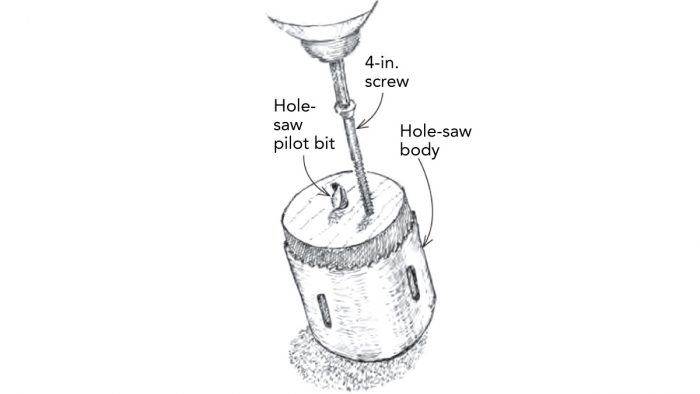
Push a nail or screw through the hole saw from the back. This will loosen the wood piece for easy removal. Use pliers if needed to pull it out gently.
What Tools Help Get Wood Out Of A Hole Saw?
A screwdriver, nail, or small chisel works well to pry out wood. Pliers can help pull out loosened pieces safely. Avoid using excessive force to prevent damage.
Why Does Wood Get Stuck In A Hole Saw?
Wood can get stuck due to tight cutting or thick material. Dull teeth or slow drilling speed also cause wood to jam. Clearing debris often helps prevent sticking.
Can I Prevent Wood From Sticking In A Hole Saw?
Drill at a steady, moderate speed and clear debris often. Using a sharp hole saw with clean teeth reduces sticking. Applying wax on teeth may also help wood slide out.
How Do I Clean A Hole Saw After Removing Wood?
Use a brush or compressed air to remove wood dust and chips. Wipe the teeth with a cloth to keep them sharp and clean. Regular cleaning keeps the hole saw working well.
Conclusion
Getting wood out of a hole saw does not have to be hard. Use simple tools like pliers or a screwdriver to push it out. Clean the hole saw after each use to avoid stuck wood. This keeps your tools working well and saves time.
Practice these easy steps for smoother, faster work next time. Keep your workspace safe and tidy too. Small habits make a big difference in your projects.