
Are your hardwood floors looking dull or scratched? You don’t need to hire a professional to bring them back to life.
With the right tools and a bit of know-how, you can sand your hardwood floors yourself—and an orbital sander makes the job easier and faster. In this guide, you’ll discover simple steps to transform your floors into a smooth, beautiful surface.
Ready to save money and enjoy the satisfaction of a DIY project? Keep reading, and you’ll learn exactly how to get professional-looking results on your own.
Choosing The Right Orbital Sander
Choosing the right orbital sander is important for sanding hardwood floors. The right tool makes the job easier and gives better results. There are many types of orbital sanders. Each has different features and uses. Knowing what to pick helps you save time and effort.
Consider the size and power of the sander. These affect how well the sander works on hardwood floors. Also, look for useful features that make sanding smoother and safer. This guide helps you find the perfect orbital sander for your floor project.
Types Of Orbital Sanders
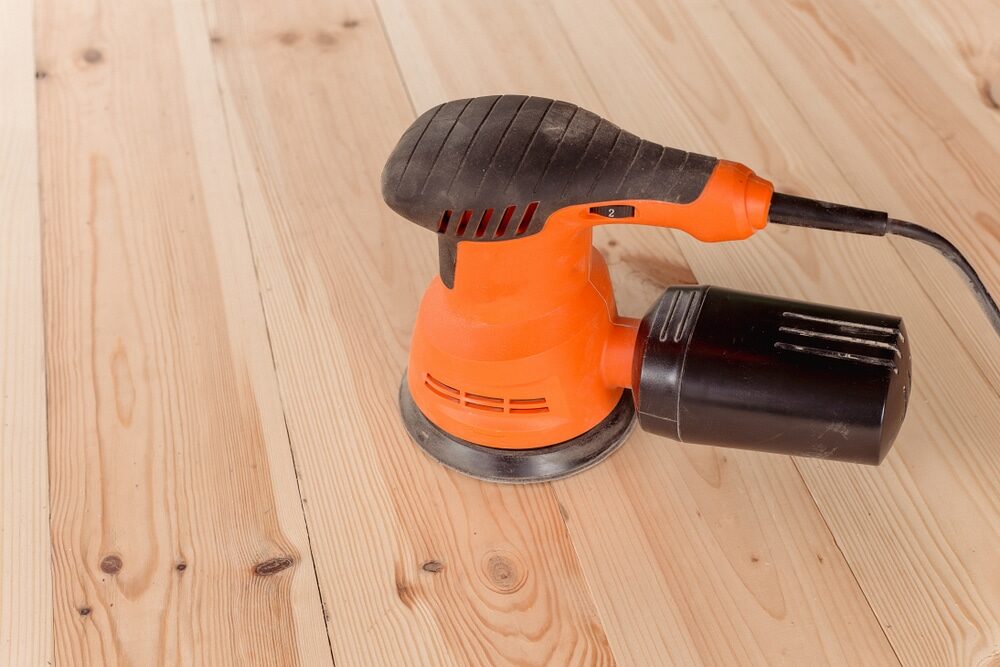
There are two main types of orbital sanders: random orbit and finishing. Random orbit sanders move in a circular and elliptical pattern. This prevents swirl marks and sands faster. Finishing sanders move in a simple back-and-forth motion. They work well for light sanding and finishing.
For hardwood floors, random orbit sanders are better. They remove old finish and smooth wood evenly. Finishing sanders can be used later for a fine finish. Choose the type based on how rough or smooth your floor is.
Sander Size And Power
Sander size matters. A larger sanding pad covers more area. It speeds up the job on big floors. Common sizes range from 5 to 6 inches. For most hardwood floors, a 5-inch sander works well. It balances control and coverage.
Power is also key. A strong motor handles tough sanding better. Look for a sander with at least 3 amps of power. This gives enough strength to sand hardwood floors without stalling. Higher power means better performance on rough surfaces.
Essential Features To Look For
Check for dust collection. Hardwood sanding creates a lot of dust. A good dust bag or vacuum port keeps your work area clean. It also protects your lungs from dust.
Look for variable speed settings. Different speeds work better for different tasks. Use lower speed for finishing and higher speed for removing old finish. A comfortable grip reduces hand fatigue during long sanding sessions.
Also, consider weight. A lightweight sander is easier to control. It helps keep your sanding even and smooth. These features improve your sanding experience and results.
Preparing Hardwood Floors For Sanding
Preparing hardwood floors for sanding is a vital step to get smooth, even results. This process sets the stage for the orbital sander to work efficiently. Skipping preparation can cause damage and make sanding harder. Taking time to prepare helps protect your floors and tools.
Clearing The Room
Remove all furniture and rugs from the room. Clear away curtains and wall hangings near the floor. Take out any small items like cables or decorations. Make sure the floor is fully open and empty. This prevents obstacles during sanding and avoids damage to belongings.
Fixing Nails And Imperfections
Check for nails sticking out of the floor. Hammer them down so they are flush with the wood. Fill any holes, cracks, or dents with wood filler. Let the filler dry completely before sanding. Fixing these issues prevents damage to the sander and creates a smooth surface.
Cleaning And Dust Control
Sweep or vacuum the floor to remove dirt and dust. Dust can scratch the floor and clog the sander. Use a damp cloth to wipe the floor clean. Keep windows open or use fans to improve air flow. Controlling dust makes sanding safer and cleaner.
Selecting Sandpaper Grits
Selecting the right sandpaper grits is key to sanding hardwood floors well. Each grit level serves a special purpose. Using the correct sequence ensures smooth and even results. Skipping steps or using the wrong grit can damage the wood or leave scratches. Understand the role of coarse, medium, and fine grits before starting. This helps the orbital sander work efficiently and protects your floor.
Coarse Grit For Initial Sanding
Start with coarse grit sandpaper for the first pass. This grit removes old finish, stains, and deep scratches. It shapes rough surfaces and evens out bumps. Choose grit between 36 and 60 for this stage. Coarse grit works fast but can leave rough marks. Use it only as the first step to prepare the wood.
Medium Grit For Smoothing
Next, switch to medium grit sandpaper. This grit smooths out the roughness left by coarse grit. It removes scratches and imperfections without cutting too deep. A grit between 80 and 120 is best here. Medium grit readies the surface for the fine sanding step. It balances removing marks and protecting the wood.
Fine Grit For Finishing Touches
End with fine grit sandpaper for a polished finish. Use grit from 150 to 220 to smooth the floor completely. Fine grit removes small scratches and dust particles. It prepares the wood for staining or sealing. Sand gently with fine grit to avoid dulling the floor’s shine.

Credit: axatool.com
Sanding Techniques For Even Results
Sanding hardwood floors with an orbital sander requires specific techniques. These ensure even results and a smooth finish. Poor sanding can leave marks or uneven surfaces. Follow these tips to get the best outcome.
Proper Hand And Body Position
Hold the sander firmly with both hands. Keep your back straight and bend your knees slightly. Move your feet steadily as you sand. Avoid leaning too much on the sander. Let the machine do the work. This helps control the sander and prevents uneven spots.
Sanding With The Grain
Always sand in the direction of the wood grain. This reduces scratches and creates a natural look. Start with coarse grit and finish with fine grit sandpaper. Move the sander slowly and steadily. Overlapping each pass makes the floor smooth and even. Avoid sanding across the grain to prevent damage.
Avoiding Common Mistakes
Do not stay too long in one spot. This can cause dips or holes. Avoid pressing the sander too hard. It can wear out the floor quickly. Change sandpaper often for consistent sanding. Clean dust and debris regularly to keep the sander effective. Keep the sander moving at all times to avoid uneven sanding.
Handling Edges And Corners
Handling edges and corners is a key part of sanding hardwood floors. The orbital sander works well on flat surfaces but struggles near walls and tight spots. You need special tools and careful methods to sand these areas evenly. Proper sanding here ensures a smooth, consistent finish across the whole floor.
Edges and corners often hold old finish and dirt. Skipping these spots can make your floor look uneven. Taking time to sand these parts helps the new finish stick better and last longer.
Using Detail Sanders
Detail sanders are small and easy to control. They fit into tight corners and along edges. Use one with fine sandpaper for gentle, even sanding. Move slowly to avoid gouging the wood. This tool helps you reach spots the orbital sander cannot.
Manual Sanding Tips
Use a sanding block or folded sandpaper for manual sanding. Sand with the grain to prevent scratches. Apply even pressure and check your progress often. Replace sandpaper when it clogs or wears out. Take breaks to inspect edges and corners closely.
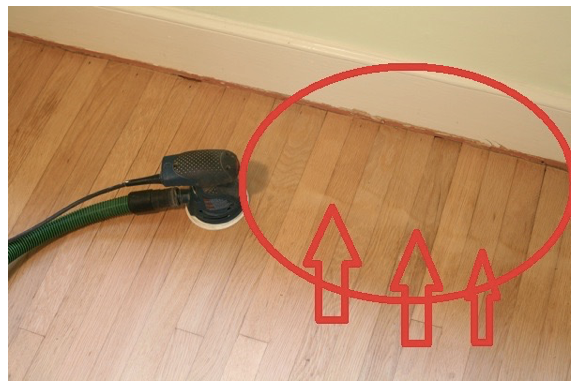
Protecting Baseboards
Cover baseboards with painter’s tape before sanding. This protects them from dust and scratches. Remove tape carefully after sanding to avoid peeling paint. Keep a damp cloth nearby to wipe dust off baseboards during the job. Clean baseboards help your floor look neat and polished.
Credit: www.plushardwoodflooring.com
Managing Dust And Cleanup
Sanding hardwood floors creates a lot of dust. Managing dust and cleanup is important for a safe and smooth project. Dust can harm your health and make a big mess. Proper cleanup keeps your home clean and ready for finishing.
Use tools and methods that reduce dust in the air. Collect dust as you sand to avoid extra work later. Dispose of dust safely to protect your family and the environment. Finally, clean the floor well before staining or sealing it.
Using Dust Collection Systems
Attach a dust collection system to your orbital sander. These systems capture dust at the source. Many sanders have built-in dust bags or ports for vacuum hoses. Connect a shop vacuum to the port for better dust control. A good dust system keeps your work area cleaner and safer.
Safe Disposal Of Dust
Collect dust in a sealed container or bag. Avoid spreading dust inside your home. Dispose of dust in the trash outside your house. Do not burn or blow dust into the air. Dust from hardwood floors may contain harmful particles. Handle it carefully to protect yourself and others.
Final Floor Cleaning
After sanding, sweep the floor with a soft broom. Use a vacuum with a brush attachment to remove fine dust. Wipe the floor with a damp cloth or mop. Avoid soaking the wood with water. Let the floor dry completely before applying finish. Clean floors ensure a smooth, beautiful final look.
Post-sanding Floor Care
After sanding hardwood floors with an orbital sander, care is crucial. Proper steps keep the floor looking smooth and fresh. It also protects the wood from damage and wear. Follow these tips to finish the job right and enjoy beautiful floors for years.
Inspecting For Imperfections
Start by checking the floor for any missed spots. Look closely for scratches, dents, or uneven areas. Use good lighting to spot flaws easily. Lightly run your hand over the surface to feel rough patches. Mark any imperfections for another sanding pass. Make sure the floor is perfectly smooth before moving on.
Applying Stain Or Finish
Choose a stain or finish that suits your style. Test the stain on a small hidden area first. Apply the stain evenly with a clean cloth or brush. Let it dry completely before adding more coats. For finish, use a high-quality polyurethane or water-based product. Apply thin, even layers and allow full drying time between coats. This protects the wood and enhances its beauty.
Maintaining Hardwood Floors
Keep floors clean by sweeping or vacuuming regularly. Avoid wet mopping; use a damp mop instead. Place mats at entrances to reduce dirt and grit. Use furniture pads to prevent scratches. Clean spills quickly to avoid stains. Reapply finish every few years to maintain shine and protection. Regular care helps your floor stay strong and beautiful.
Credit: mrsander.co.uk
Frequently Asked Questions
What Grit Sandpaper Should I Use First With An Orbital Sander?
Start with 36 or 40 grit sandpaper to remove old finish and scratches. Use coarser grit for rough floors. Then, move to finer grits for smoothness.
How Long Does Sanding Hardwood Floors With An Orbital Sander Take?
Sanding usually takes 1 to 3 days, depending on floor size and condition. Small rooms take less time; large rooms or damaged floors take longer.
Can I Sand Hardwood Floors Without An Orbital Sander?
Yes, but sanding by hand is slower and more tiring. An orbital sander makes the job faster and gives a smoother finish.
How Do I Avoid Swirl Marks When Sanding Hardwood Floors?
Use even pressure and keep the sander moving constantly. Change sandpaper often and finish with fine grit to reduce swirl marks.
Should I Seal Hardwood Floors After Sanding With An Orbital Sander?
Yes, sealing protects the wood from moisture and wear. Apply a finish like polyurethane after sanding for a clean, lasting look.
Conclusion
Sanding hardwood floors with an orbital sander is simple and effective. Start with coarse sandpaper to remove old finish. Move to finer grits for a smooth surface. Always sand in the direction of the wood grain. Take your time and keep the sander moving steadily.
Clean the dust well before applying any finish. This method saves effort and gives great results. Your floors will look fresh and new. Ready for a fresh coat of stain or sealant. A little patience makes a big difference.