
Have you ever needed to make a hole in wood but didn’t have a drill on hand? It can feel frustrating when your project hits a snag like this.
But don’t worry—you don’t always need power tools to get the job done. You’ll discover simple, effective ways to make a hole in wood without a drill. Whether you’re working on a quick fix or a creative project, these easy methods will save your time and effort.
Keep reading, and you’ll be surprised how simple it can be to achieve professional results with just a few basic tools.
Credit: www.lathamshardware.co.uk
Tools Needed For Drilling Without A Drill
Making a hole in wood does not always require a drill. Various simple tools can do the job. These tools are often easy to find around the house. They allow you to create holes without power tools. Understanding which tools to use helps you work safely and efficiently.
Each tool works best for certain wood types and hole sizes. Choose the right one for your project to get clean results. Below are common tools that can help you drill without a drill.
Handheld Screwdrivers And Awls
Handheld screwdrivers can start small holes in soft wood. Use the tip to press and twist into the wood. Awls have sharp points designed to pierce wood fibers. Both tools make pilot holes for screws or nails. They work well for thin wood or light tasks.
Using Nails And Hammer
A nail and hammer can create holes by driving the nail into wood. Choose a nail smaller than the hole size needed. Tap gently to avoid splitting the wood. After making the hole, pull the nail out carefully. This method works well for rough holes or temporary needs.
Utility Knife And Chisels
A utility knife can score or cut shallow holes in soft wood. Use it carefully to avoid injury. Chisels remove small wood pieces to widen holes or make shapes. They require steady hands and patience. Sharp chisels create cleaner cuts and smoother holes.
Manual Brace And Bit
The manual brace and bit is a hand-powered drilling tool. It works by turning the handle to rotate the bit. This tool drills larger holes faster than other manual options. It is ideal for hardwood and thicker wood pieces. The brace and bit provide good control over hole depth.
Other Household Items
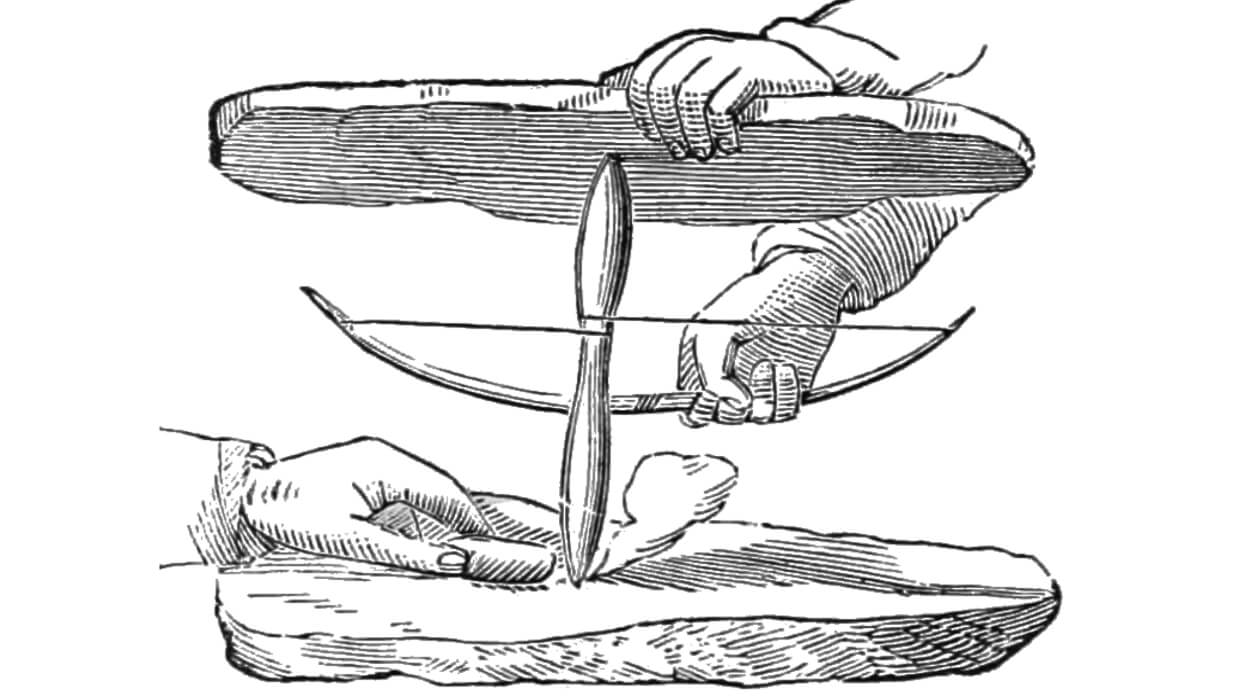
Other items can help make holes in wood. A heated metal rod can burn a hole through soft wood. A screwdriver handle or sharpened stick can poke small holes. Even a strong wire or metal coat hanger can work in a pinch. Use caution with these tools to avoid damage or injury.
Credit: www.lathamshardware.co.uk
Preparation Before Making The Hole
Preparation plays a key role before making a hole in wood without a drill. Careful planning helps you work safely and get better results. Taking time to prepare saves effort and prevents mistakes.
Start by clearly marking where the hole will go. Then secure the wood to keep it steady. Follow safety steps to protect yourself during the process.
Marking The Spot
Use a pencil to mark the exact spot on the wood. Make the mark visible but small. Double-check the placement before moving forward. Precise marking ensures the hole goes in the right place.
Securing The Wood
Place the wood on a flat surface. Use clamps or heavy objects to hold it steady. Avoid any movement while making the hole. A steady piece of wood helps you work safely and accurately.
Safety Precautions
Wear safety glasses to protect your eyes. Use gloves to protect your hands from splinters. Work in a well-lit area to see clearly. Keep your workspace clean and free of distractions.
Methods To Make A Hole Without A Drill
Making a hole in wood without a drill is possible with simple tools. These methods work well for small projects or when you lack power tools. You can create clean holes using household items or basic hand tools. Each technique suits different hole sizes and wood types.
Choose the method that fits your needs and available tools. These approaches save time and effort without a drill.
Using A Hammer And Nail
Start by selecting a nail slightly smaller than the hole size needed. Place the nail on the wood surface at the spot. Gently tap the nail with a hammer to pierce the wood. Remove the nail carefully after making a hole. This method works best for thin or soft wood.
Creating Holes With A Screwdriver And Hammer
Use a flathead screwdriver for this technique. Position the screwdriver tip where you want the hole. Tap the handle with a hammer to push the blade into the wood. Twist the screwdriver slightly to widen the hole. This method suits small holes and softer wood.
Burning A Hole With A Heated Metal Rod
Heat a metal rod using a stove or open flame until red hot. Press the hot rod firmly onto the wood surface. Hold it steady to burn through the wood fibers. This method creates clean holes but is slower and needs caution. Use it for hardwood or tough materials.
Piercing With A Utility Knife
Score the wood surface with a sharp utility knife. Cut in a circular or cross pattern at the hole location. Push the blade deeper gradually to pierce through. This method works for thin wood or plywood sheets. Keep your hands safe during cutting.
Manual Brace And Bit Technique
A manual brace and bit is a hand-powered drilling tool. Insert the correct size bit into the brace chuck. Place the bit tip on the wood spot. Turn the brace handle in a clockwise motion. The bit drills the hole smoothly without electricity. Use this for larger or deeper holes.
Tips For Larger Or Deeper Holes
Making larger or deeper holes in wood without a drill requires patience and the right approach. The process differs from small holes because it takes more effort and careful handling. Use safe tools and techniques to avoid damage or injury. Below are some helpful tips to guide you through the task.
Combining Methods
Use several tools together for better results. Start by making a small hole with a nail or awl. Then, expand the hole by scraping with a chisel or a sharp knife. This combination helps control the shape and size. It also reduces the risk of splitting the wood.
Slow And Steady Approach
Take your time to avoid mistakes. Work slowly and check your progress often. Push tools gently and carefully to prevent cracking. Stop frequently to clear wood dust. This keeps the hole clean and easier to work on. Patience helps make a smooth, even hole.
Finishing And Smoothing The Hole
After the hole is the right size and depth, smooth the edges. Use sandpaper or a sanding stick to remove rough spots. This step prevents splinters and gives a neat finish. Wipe the hole with a damp cloth to clear dust. A smooth hole looks better and fits parts well.
Common Mistakes To Avoid
Making a hole in wood without a drill is possible with the right tools and care. Many beginners make mistakes that can damage the wood or hurt themselves. Avoiding common errors helps you get clean holes and safe results.
Applying Excessive Force
Pressing too hard can crack the wood. It also makes the tool slip and cause injury. Use steady, gentle pressure instead. Let the tool do the work. Patience is key for a neat hole.
Ignoring Wood Grain Direction
Wood grain affects how the tool cuts. Drilling against the grain can cause splinters and rough edges. Follow the grain’s direction for a smoother hole. Study the wood grain before starting.
Skipping Safety Measures
Not wearing gloves or goggles risks injury. Wood chips can fly into your eyes or skin. Always protect yourself with safety gear. Keep your workspace clean and tools sharp for safer work.
When To Consider Alternative Tools
Making a hole in wood without a power drill can be tricky. Sometimes, power tools are not available or practical. Knowing when to use alternative tools can save time and effort. Alternative methods work well for small projects or delicate wood pieces. Choosing the right tool depends on the size and depth of the hole needed. Also, consider your comfort and skill level with the tool.
Using A Hand Drill
A hand drill is simple and easy to use. It works well for small holes in soft wood. This tool does not need electricity or batteries. It gives more control and reduces the risk of splitting the wood. Hand drills are lightweight and easy to carry. They are great for quick repairs or small crafts.
Borrowing Or Renting A Drill
Not owning a drill does not mean you must stop your project. Borrowing from a friend or renting from a store is a good option. This saves money and space at home. Renting is perfect for one-time or rare jobs. Make sure to choose the right drill for your wood type. Always check the drill’s condition before use.
Choosing The Right Drill Bit
The drill bit matters as much as the drill itself. Different bits make different hole shapes and sizes. Wood drill bits have sharp points to start the hole easily. Use spade bits for larger holes or flat bits for shallow holes. Always pick a bit that matches your hole size and wood hardness. Proper bits make drilling smoother and cleaner.

Credit: abutterflyhouse.com
Frequently Asked Questions
How Can I Make A Hole In Wood Without A Drill?
You can use a hammer and nail to poke a hole in wood. Start by marking the spot, then gently tap the nail until it goes through.
What Tools Work Best For Wood Holes Without Drills?
A screwdriver, awl, or chisel can create holes in wood. Choose based on hole size and wood type.
Can A Hand Saw Help Make Holes In Wood?
A hand saw is mainly for cutting wood, not holes. For holes, use an awl or chisel instead.
How Do I Make A Small Hole In Wood By Hand?
Use a sharp nail or awl to pierce small holes. Press and twist carefully to avoid splitting the wood.
Is It Safe To Make Wood Holes Without Power Tools?
Yes, hand tools are safe if used carefully. Always wear safety glasses and work slowly to avoid accidents.
Conclusion
Making a hole in wood without a drill is easier than you think. Simple tools like nails, screws, or knives work well. Take your time and stay safe while working. These methods save money and still get the job done.
Practice a little to improve your skill. Woodworking can be fun and satisfying without power tools. Try different ways to find what suits you best. Now, you are ready to tackle small projects with confidence.