
Have you noticed a dent in your wooden door and wondered how to fix it quickly and easily? A dent can ruin the look of your door and your entire room.
But don’t worry—you don’t need to call a professional or spend a lot of money. You’ll learn simple, effective steps to repair that dent and bring your door back to life. Keep reading, and by the end, you’ll have the confidence to tackle the job yourself and make your door look as good as new.
Assessing The Dent
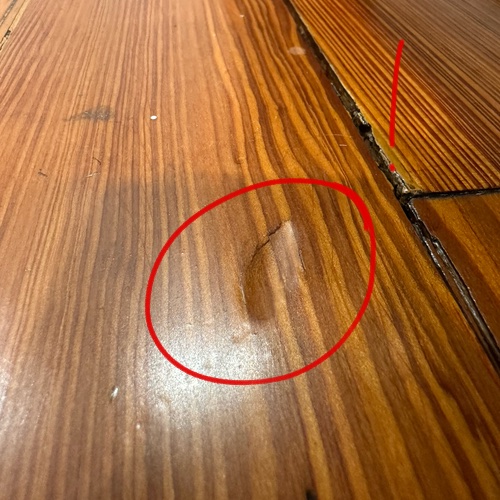
Before fixing a dent in a wooden door, start by assessing the damage. Understanding the dent helps you decide the right repair method. Take a close look at the dent’s size and depth. Also, know the type of wood or material your door has. These steps make the repair easier and better.
Checking Dent Depth And Size
Check how deep the dent goes. A shallow dent is easier to fix than a deep one. Use your finger or a small tool to feel the dent edges. Measure the dent’s width and length with a ruler. Large dents may need more work and special tools.
Identifying Door Material
Wooden doors come in different types of wood and finishes. Some doors have solid wood, others have veneer or laminate. Find out if your door is hardwood or softwood. This affects how you repair the dent. Softwood dents may swell with water, but hardwood needs filling or sanding.
Credit: thecraftsmanblog.com
Gathering Repair Tools
Fixing a dent in a wooden door starts with gathering the right tools. This step saves time and makes the repair easier. Having everything ready helps you work smoothly and get better results.
Each tool plays a role in making the door look good again. Choosing the right materials is just as important. Let’s explore the essential tools and how to pick the best wood filler for your repair.
Essential Tools And Materials
First, you need sandpaper to smooth the dent area. A sanding block works well for even pressure. Next, a putty knife helps spread filler neatly. A clean cloth is useful to wipe dust away. Wood filler is key to filling the dent. You also need a small paintbrush for finishing touches. Lastly, gloves protect your hands during the work.
Choosing The Right Wood Filler
Wood fillers come in different types for various repairs. Water-based fillers dry fast and are easy to sand. Epoxy fillers are strong and good for deep dents. Pick a filler that matches your door’s wood color. Test a small amount before full use. This ensures the color blends well after drying.
Preparing The Door Surface
Preparing the door surface is an important step before fixing a dent in a wooden door. A clean, smooth surface helps the repair materials stick better. This leads to a stronger and neater repair. Take your time to prepare the area well. It makes the whole process easier and improves the final look.
Cleaning The Damaged Area
Start by removing dirt and dust from the dent and its surroundings. Use a soft cloth and mild soap with water. Gently wipe the area until it is clean. Avoid soaking the wood. Let the surface dry completely before moving on. Clean surfaces help repair materials bond firmly.
Sanding Around The Dent
Lightly sand the wood around the dent with fine-grit sandpaper. Sanding smooths the surface and removes old paint or finish. It also helps the filler stick better. Sand just enough to roughen the surface without damaging the wood. After sanding, wipe away the dust using a dry cloth. Now, the door surface is ready for repair.
Filling The Dent
Filling the dent is an important step to restore a wooden door’s smooth surface. This process hides the damage and prepares the door for finishing touches. Using the right filler and applying it well ensures a strong, lasting repair.
Applying Wood Filler Correctly
Choose a wood filler that matches your door’s color. Use a putty knife to scoop some filler. Press it firmly into the dent. Fill the dent completely, leaving a little extra on top. Smooth the surface by scraping the excess off. Avoid air bubbles by pushing the filler deep inside. Work quickly because some fillers dry fast.
Letting The Filler Dry
Allow the filler to dry fully before any sanding or painting. Drying times vary; check the product instructions. Do not rush this step. A solid, dry filler prevents cracks or shrinking later. After drying, test the hardness by pressing gently. If soft, give it more time to set. Proper drying leads to a neat, professional look.
Sanding And Smoothing
Sanding and smoothing are key steps in fixing dents in wooden doors. This process helps remove rough spots and evens out the surface. It makes the door look neat and ready for finishing. Sanding also prepares the wood to better absorb paint or stain.
Careful sanding removes the dent without damaging the surrounding wood. Smoothing the area ensures the repair blends well with the rest of the door. This step takes patience but greatly improves the final result.
Sanding Techniques For A Smooth Finish
Start with medium-grit sandpaper, around 120 grit. Sand gently in a circular motion over the dent. Avoid pressing too hard to protect the wood. Change to finer sandpaper, about 220 grit, to smooth the area further. Sand until the surface feels even and soft to touch. Always sand beyond the dent edges to blend the repair.
Removing Dust After Sanding
Dust can ruin paint or stain adhesion. Use a dry, clean cloth to wipe off all dust. A vacuum with a brush attachment also works well. For best results, finish with a tack cloth to catch tiny dust particles. Make sure the surface is fully clean before painting or staining.

Credit: diy.stackexchange.com
Painting And Finishing
Painting and finishing are key steps after fixing a dent in a wooden door. They restore the door’s look and protect the wood. This process helps the repair blend with the rest of the door. It also shields the wood from damage caused by water, dirt, and sunlight. Proper painting and finishing make the door strong and attractive.
Matching Paint Or Stain
Start by choosing the right paint or stain that matches your door. Check the door’s original color and finish type. Use a small brush to test the paint or stain on an unseen area. This helps you see if the color fits well. Adjust the mix if needed to get a close match. A good match hides the repaired spot better. It keeps the door looking natural and uniform.
Applying Finish For Protection
After painting or staining, apply a clear finish for protection. Use a brush or spray to cover the surface evenly. The finish guards against scratches, moisture, and fading. Let the finish dry fully between coats. Multiple thin coats work better than one thick coat. This builds a strong, lasting layer. Finish the door with a smooth, clean look that lasts long.
Preventing Future Dents
Preventing dents in your wooden door is key to keeping it looking great. Small dents can spoil the door’s appearance and weaken the wood. Taking steps to protect your door helps avoid future damage and costly repairs. Simple actions make a big difference over time.
Using Door Protectors
Door protectors act as a shield against bumps and knocks. Install rubber or foam strips on the door edges. These absorb impact and stop dents before they happen. Door stoppers also prevent the door from hitting walls or furniture. Choose protectors that match your door style for a neat look.
Regular Maintenance Tips
Check your door often for signs of wear or damage. Clean the door surface gently with a soft cloth and mild soap. Avoid harsh chemicals that can weaken the wood finish. Tighten loose hinges to prevent the door from swinging hard. Keep pets’ nails trimmed to reduce scratching. Regular care extends the door’s life and keeps dents away.

Credit: www.youtube.com
Frequently Asked Questions
How Can I Fix A Small Dent In A Wooden Door?
Use a damp cloth and a hot iron to steam the dent. This helps the wood fibers swell back into shape. Repeat until the dent is less visible.
What Tools Do I Need To Repair Dents In Wooden Doors?
You will need a damp cloth, a hot iron, fine sandpaper, and wood filler. These tools help smooth and fill dents effectively.
How Long Does It Take To Fix A Dent In Wood?
Fixing a dent usually takes about 30 minutes to an hour. Drying time for fillers or finish may add extra hours.
Can Wood Filler Hide Deep Dents In Doors?
Yes, wood filler can fill deep dents well. After it dries, sand it smooth and paint or stain to match.
Should I Sand The Door After Fixing The Dent?
Sanding lightly after filling the dent helps smooth the surface. Use fine-grit sandpaper to avoid scratching the wood.
Conclusion
Fixing dents in wooden doors is easier than it seems. Small dents can be smoothed with basic tools and simple steps. Patience and care help restore your door’s look quickly. Regular maintenance keeps wood strong and attractive. Try these tips to save money and avoid replacing the door.
A little effort brings big improvement. Keep your door looking good for years to come.