
Thinking about adding a pergola to your composite deck? You’re making a smart move.
A pergola not only boosts your outdoor space’s style but also gives you shade and a cozy spot to relax. But attaching it to a composite deck can feel tricky if you’re unsure where to start. Don’t worry—this guide will walk you through simple, clear steps to make the process easy and secure.
Keep reading, and you’ll soon know exactly how to connect your pergola without damaging your deck or wasting time. Your perfect backyard upgrade is closer than you think!
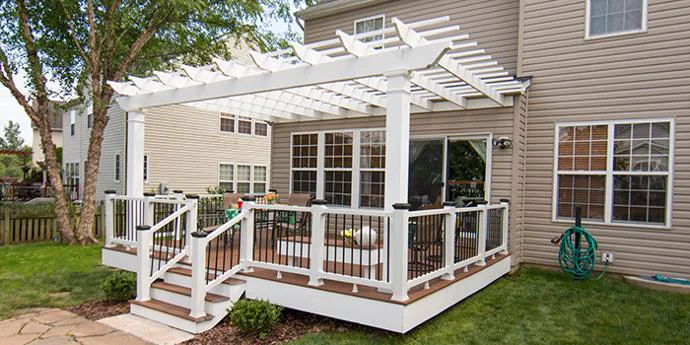
Credit: lionhopper.com
Choosing The Right Pergola
Choosing the right pergola is important for your composite deck’s look and durability. The pergola must fit the deck’s style and hold up well over time. This step helps prevent damage and keeps your outdoor space safe and attractive.
Materials Compatible With Composite Decks
Wood pergolas offer a natural look but require more upkeep. Composite pergolas match decks and resist rot and insects. Aluminum pergolas are light and strong, needing little maintenance. Vinyl pergolas resist weather well but may not suit all deck styles. Pick materials that work well with your deck’s surface and climate.
Size And Design Considerations
Measure your deck before choosing a pergola size. The pergola should not crowd the deck or look too small. Consider the height, width, and length carefully. Design styles vary from classic to modern. Match the pergola design to your home’s architecture and deck style. Think about how much shade or sun you want under it.
Preparing Your Composite Deck
Preparing your composite deck is the first step to attach a pergola safely. This preparation helps ensure the structure stays strong and lasts long. You must check the deck carefully and know where to secure the pergola.
Inspecting Deck Structure
Start by looking over the whole deck. Check for any damage, cracks, or soft spots. These can weaken your deck and cause problems later. Make sure the deck boards are tight and the surface is even. Look under the deck for signs of rot or loose fasteners. A solid deck structure is key to holding the pergola firmly.
Identifying Joist Locations
Joists are the wooden beams under the deck boards. They support the weight of the deck and anything on it. Find the joists by tapping on the deck boards or using a stud finder. Mark each joist location with chalk or tape. You need to fasten the pergola posts directly into these joists. This ensures the pergola stays stable and secure over time.
Gathering Necessary Tools And Materials
Before attaching a pergola to a composite deck, gather all necessary tools and materials. This preparation saves time and ensures a smooth installation. Having the right items helps you work safely and efficiently.
Fasteners And Brackets
Choose fasteners made for composite decks. Stainless steel or coated screws resist rust and damage. Use brackets designed to support the weight of the pergola. These connect the pergola securely to the deck.
Make sure brackets fit both the deck and pergola beams. Use lag bolts for a strong hold. Avoid nails, which may loosen over time. Proper fasteners prevent wobbling and increase safety.
Safety Equipment
Wear safety glasses to protect your eyes from debris. Use gloves to guard against splinters and sharp edges. A dust mask helps when drilling or sanding.
Use ear protection if using loud power tools. Have a first aid kit nearby for minor injuries. Safety gear keeps you safe and comfortable during the project.

Credit: sunjoyshop.ca
Marking And Measuring Attachment Points
Marking and measuring attachment points is a key step in installing a pergola on a composite deck. Precise marks guide where to place the posts and secure the structure. Correct measurements help avoid mistakes that can cause instability. Taking time here ensures a strong, safe pergola that fits well on the deck.
Start by checking the deck’s surface for any uneven spots. These can affect how the pergola sits. Use a tape measure and pencil to mark exact spots for the posts. Measure twice to avoid errors. Accurate marks keep the project on track and make the next steps easier.
Aligning Pergola Posts
Aligning the pergola posts correctly is crucial. Position each post on the marks made earlier. Use a straight board or string to connect the posts. This helps confirm they line up straight. Straight posts look better and provide better support.
Check spacing between posts. Equal distances improve the pergola’s strength. Measure the gaps carefully. Adjust posts before attaching them firmly to the deck.
Ensuring Level And Square Layout
Ensure the pergola is level and square before attachment. Use a carpenter’s level to check each post’s vertical position. Adjust posts to stand perfectly straight. This prevents leaning or wobbling later.
Square the layout by measuring diagonals between opposite posts. Both diagonals should be equal in length. If not, shift posts slightly. A square layout guarantees the pergola fits together properly and looks neat.
Drilling And Securing Pergola Posts
Drilling and securing pergola posts to a composite deck requires care and precision. Composite decking is strong but can crack if drilled incorrectly. Proper steps ensure the posts stay firm and the deck remains undamaged.
Pre-drilling Holes In Composite Decking
Always pre-drill holes before inserting screws or bolts. Use a drill bit slightly smaller than the fastener’s diameter. This prevents the decking from splitting or cracking. Drill straight and steady to create a clean hole. Avoid pushing too hard to stop damage. Mark the spot clearly before drilling. Check for hidden wires or pipes under the deck. Pre-drilling helps the fasteners grip better.
Using Proper Fasteners To Avoid Damage
Select fasteners made for composite materials. Stainless steel or coated screws resist rust and corrosion. Use screws with a wide, flat head to spread pressure evenly. Avoid nails or regular wood screws that can loosen over time. Tighten fasteners just enough to hold posts securely. Over-tightening can crack the decking. Use post brackets designed for composite decks. These brackets provide extra support and protect the deck surface.
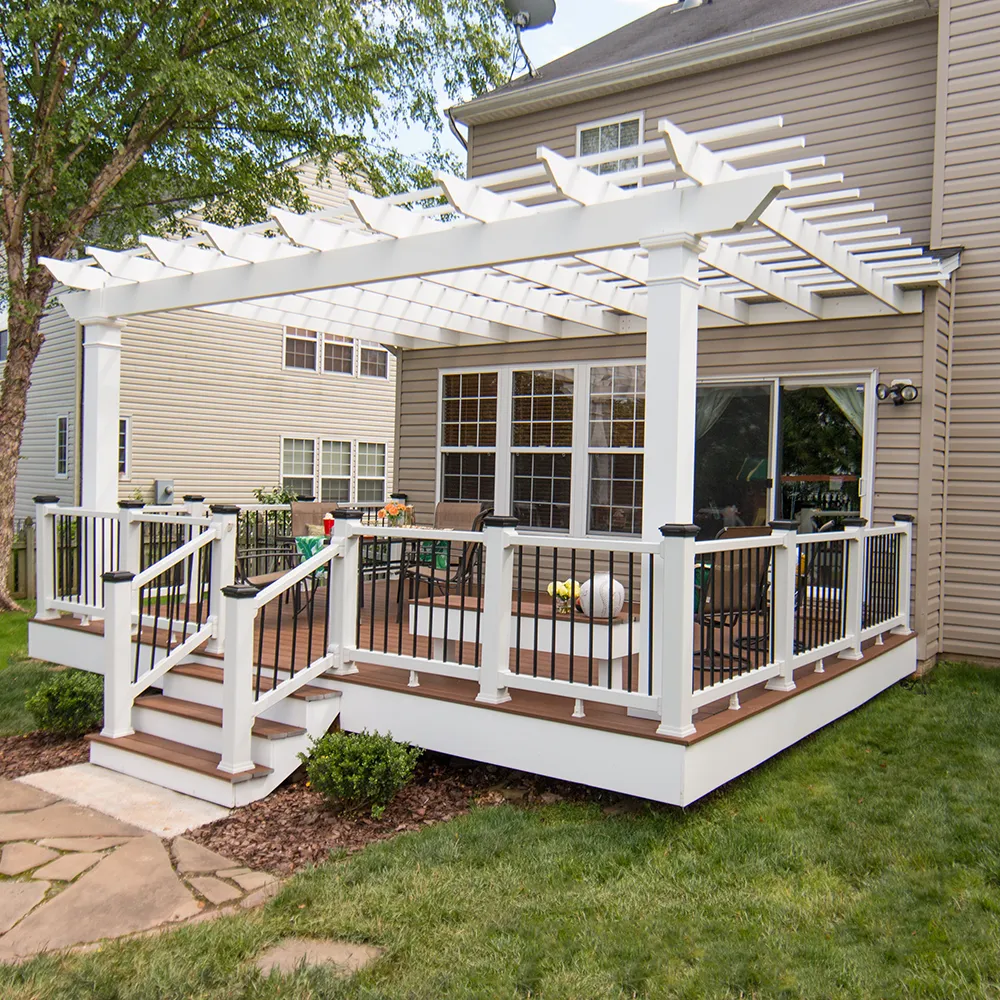
Credit: outdoorshadestore.com
Adding Support Brackets And Reinforcements
Adding support brackets and reinforcements is important for a strong pergola on a composite deck. These parts help hold the structure steady and safe. Proper support stops the pergola from shifting or falling during strong winds or heavy rain. It also protects the deck from damage caused by extra weight or pressure.
Careful installation of brackets and reinforcements makes the pergola last longer. It keeps your outdoor space looking neat and secure. Use the right materials made for composite decks to avoid any issues like rust or wood damage.
Installing Metal Brackets
Metal brackets connect the pergola posts to the deck firmly. Choose brackets designed for outdoor use and resistant to rust. Secure them with screws made for composite material. Drill pilot holes first to avoid splitting the deck surface.
Place the brackets at the bottom of each post. Check that they are level and tight. Use a drill or screwdriver to fix the screws. Double-check the connection to make sure it does not move.
Reinforcing Deck Joists If Needed
Deck joists support the deck boards and the pergola weight. Check if the joists are strong enough for the added load. Look for signs of damage or weakness like cracks or rot.
Add extra joists or sister the existing ones to increase strength. Attach new joists alongside old ones with screws or bolts. Make sure they sit flush and are secured well. This reinforcement spreads the pergola’s weight evenly across the deck.
Proper joist support prevents sagging and keeps the deck safe. It also protects the composite deck’s surface from damage caused by pressure points.
Sealing And Protecting Attachment Points
Sealing and protecting attachment points is important when attaching a pergola to a composite deck. These spots are where water can sneak in and cause damage. Proper sealing stops moisture from reaching the deck structure. It also keeps the connection strong and safe for years.
Taking time to seal the attachment points prevents problems like wood rot and mold. It saves money on repairs later. Protecting these areas keeps your deck and pergola looking good and working well.
Applying Waterproof Sealant
Choose a high-quality waterproof sealant made for outdoor use. Clean the attachment points before applying the sealant. Remove dirt, dust, and old paint or sealant. Use a brush or cloth to clean well.
Apply a thick layer of sealant around screws, bolts, and joint edges. Cover all gaps and holes completely. Let the sealant dry as per the product instructions. Add a second coat for better protection.
Preventing Water Damage
Check the sealant regularly and fix cracks or peeling right away. Water can enter through tiny breaks. Use flashing tape or metal flashing on the joints for extra defense. Keep the deck surface clean and clear of debris.
Proper drainage also helps. Make sure water flows away from the attachment points. This keeps water from pooling and causing damage. Regular maintenance extends the life of your pergola and deck connection.
Final Checks And Maintenance Tips
After attaching your pergola to the composite deck, final checks and regular maintenance are vital. These steps keep your pergola safe and looking great for years. Proper care prevents damage and costly repairs. Follow easy tips to maintain strength and appearance.
Inspecting Stability And Security
Check all bolts and screws. Tighten any loose ones. Look for gaps between the pergola and deck. Make sure the posts stand straight and strong. Test for wobbling by gently shaking the structure. Secure any parts that move. Confirm the attachment points are solid. Use a level to verify alignment. Fix any weak spots right away.
Routine Maintenance For Longevity
Clean the pergola regularly to remove dirt and debris. Use a soft brush or cloth with mild soap. Avoid harsh chemicals that can damage composite decking. Inspect wood or metal parts for rust or rot. Apply protective sealant if needed. Trim nearby plants to stop moisture buildup. Check drainage around the deck to prevent water pooling. Cover the pergola during harsh weather to protect it.
Frequently Asked Questions
How Do You Attach A Pergola To A Composite Deck Safely?
Use stainless steel or coated fasteners to prevent rust. Secure the pergola posts to the deck joists, not just the surface boards.
Can I Drill Into Composite Decking For Pergola Installation?
Yes, but drill carefully to avoid damaging the decking. Always drill into the joists beneath for strong support.
What Tools Are Needed To Fix A Pergola On Composite Decking?
You need a drill, lag bolts, a wrench, and a level. These tools help ensure a secure and straight installation.
How Do I Prevent Water Damage Around Pergola Posts?
Seal all holes and joints with waterproof caulk. This stops water from seeping into the deck and causing damage.
Is It Better To Use Brackets Or Direct Bolting For Pergolas?
Brackets provide extra stability and protect the decking material. Direct bolting is simpler but may risk deck damage over time.
Conclusion
Attaching a pergola to a composite deck can enhance your outdoor space. Follow the right steps to ensure strong support and safety. Use proper tools and materials made for composite decks. Measure and plan carefully before starting your project. Taking time and care leads to a beautiful, lasting result.
Your deck and pergola will blend well and last for years. Enjoy your new outdoor area for relaxing and entertaining friends. Simple steps make the job easier and your space more inviting.