Have you ever used Murphy’s Oil Soap on your hardwood floors, only to find a sticky residue left behind? It can be frustrating when your floors don’t look as clean and shiny as you expected.
If you’re wondering how to remove Murphy’s Oil Soap from your hardwood floors without damaging them, you’re in the right place. This guide will walk you through simple, effective steps that anyone can follow. Keep reading to restore your floors to their beautiful, natural shine.
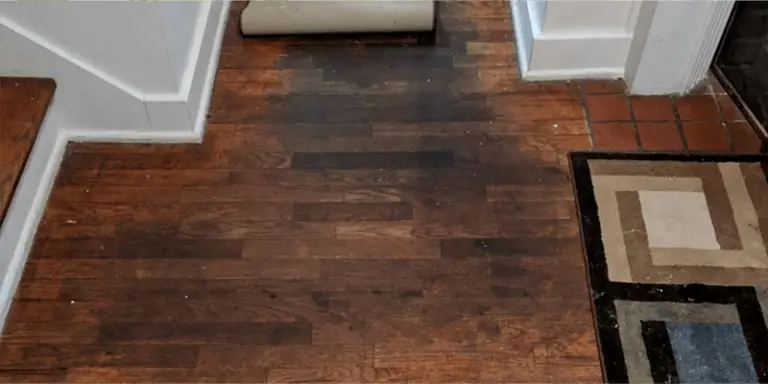
Credit: recoatrevolution.com
Why Remove Murphy’s Oil Soap?
Murphy’s Oil Soap is popular for cleaning hardwood floors. It helps remove dirt and grime gently. Yet, sometimes you need to remove it from your floors. Understanding why is important for keeping your floors healthy and looking good.
Residue Issues
Murphy’s Oil Soap can leave a sticky residue on floors. This residue attracts more dust and dirt. It builds up over time and can make floors slippery. Residue also dulls the shine of hardwood floors.
Safety Concerns
Residue on floors can cause slips and falls. This is especially risky for children and elderly. Some people may react to the soap left on the floor. Removing Murphy’s Oil Soap reduces these safety risks.
Floor Appearance
Too much soap can make floors look cloudy or dull. It hides the natural beauty of wood grain. Removing the soap helps restore the floor’s original shine. Clean floors always look fresher and well-cared-for.

Credit: www.amazon.com
Tools And Supplies Needed
Removing Murphy’s Oil Soap from hardwood floors requires the right tools and supplies. Having these ready makes the cleaning process easier and more effective. This section covers the essential items you need before starting.
Cleaning Solutions
Use a gentle cleaning solution to remove soap residue. Plain water mixed with white vinegar works well. Avoid harsh chemicals that can damage wood. A mild dish soap diluted in water can also help. Choose solutions that rinse off easily without leaving streaks.
Mop And Cloth Options
Select a soft mop to avoid scratching the floor. A microfiber mop is ideal as it picks up residue well. Have several clean cloths on hand for wiping and drying. Use a damp cloth for spot cleaning and a dry cloth to remove moisture. Avoid using abrasive scrubbers.
Protective Gear
Wear rubber gloves to protect your hands from cleaning solutions. Use knee pads if you need to kneel while cleaning. Good ventilation helps reduce inhaling any cleaning fumes. Keep a small towel nearby to wipe any spills quickly.
Step-by-step Removal Process
Removing Murphy’s Oil Soap from hardwood floors requires a clear and simple process. Follow the steps carefully to avoid damage and restore your floor’s natural beauty. This guide breaks down the task into easy parts. Each step ensures thorough cleaning and safe removal.
Initial Dry Cleaning
Start by sweeping or vacuuming the floor. Remove all loose dirt and dust first. This prevents scratching during wet cleaning. Use a soft broom or vacuum with a hard floor attachment. Avoid using a vacuum with a beater bar. It can damage the wood surface. Dry cleaning prepares the floor for better soap removal.
Wet Cleaning Techniques
Next, dampen a microfiber mop with clean water. Wring out excess water well. Too much water can harm hardwood. Gently mop the floor to loosen the Murphy’s Oil Soap residue. For stubborn spots, use a solution of water and white vinegar. Mix one cup of vinegar in a gallon of water. Mop the area carefully. Vinegar helps break down soap buildup safely.
Rinsing And Drying
After cleaning, rinse the mop thoroughly. Mop the floor again with plain water only. This step removes any leftover vinegar or soap. Use dry, clean towels or microfiber cloths to dry the floor quickly. Standing water can cause wood to warp. Keep the room well-ventilated to speed up drying. Proper drying prevents future damage and keeps floors shiny.
Homemade Cleaning Solutions
Removing Murphy’s Oil Soap from hardwood floors can be simple with homemade cleaning solutions. These natural options are gentle on wood but effective at cutting through leftover residue. They use common ingredients found in most kitchens. Safe and easy to prepare, they help restore your floor’s shine without harsh chemicals.
Vinegar And Water Mix
Mix one cup of white vinegar with a gallon of warm water. Vinegar helps break down soap buildup without damaging wood. Use a soft cloth or mop dampened in the solution. Wring out excess liquid to avoid soaking the floor. Wipe gently over the surface, then dry with a clean towel. This mix removes grime and leaves floors fresh.
Baking Soda Paste
Make a paste with baking soda and a little water. Baking soda acts as a mild abrasive to lift stubborn spots. Apply the paste on areas with Murphy’s Oil Soap residue. Rub softly using a damp cloth or sponge. Avoid scrubbing hard to protect the wood finish. Wipe off the paste with a clean, damp cloth and dry the floor fully.
Mild Detergents
Use a few drops of mild dish soap in warm water. Mild detergents cut through oily residue without harming wood. Dip a soft cloth in the solution and wring it well. Clean the floor gently to avoid water damage. Rinse the cloth often to remove soap buildup. Dry the floor immediately with a clean towel to keep it safe.
Preventing Soap Build-up
Preventing soap build-up on hardwood floors keeps them clean and shiny. Soap residue can make floors look dull and sticky. It can also attract dirt and dust. Taking simple steps stops this problem before it starts. Regular care helps maintain the wood’s natural beauty and extends the floor’s life.
Proper Soap Use
Use Murphy’s Oil Soap sparingly. Dilute it with water as the label suggests. Too much soap leaves a residue that is hard to remove. Apply the solution with a damp mop, not a soaking wet one. Avoid using soap on very dirty floors without rinsing first. This reduces the chance of soap build-up.
Regular Maintenance Tips
Sweep or vacuum floors often to remove dirt and grit. Dirt can mix with soap and cause scratches. Mop floors with clean water regularly to rinse away soap traces. Use a soft mop or cloth to prevent damage. Dry floors quickly after mopping to avoid water spots.
Best Practices For Hardwood Floors
Test any cleaning product on a small area first. Avoid harsh chemicals or abrasive tools. Use mats at entrances to reduce dirt on floors. Keep pets’ nails trimmed to prevent scratches. Maintain a consistent cleaning routine to keep floors looking their best.
When To Call A Professional
Sometimes, removing Murphy’s Oil Soap from hardwood floors can be tricky. A professional may be necessary to avoid damage and restore the floor’s look. Knowing when to call an expert helps save time and prevents costly repairs.
Signs Of Damage
Watch for dull spots or sticky patches after cleaning. Warped or swollen boards may show water damage. Cracks or discoloration can also signal trouble. These signs mean the floor needs special care beyond simple cleaning.
Stubborn Residue Cases
Residue that won’t come off with normal cleaning can harm your floor. Thick, sticky layers often require strong treatments. If scrubbing and rinsing fail, it is time to seek professional help. They have tools and products that are safe and effective.
Professional Cleaning Options
Experts use deep cleaning techniques to remove soap buildup safely. They may sand and refinish parts of the floor for a fresh look. Some services include sealing the wood to protect it from future problems. Professionals ensure the floor stays healthy and beautiful.
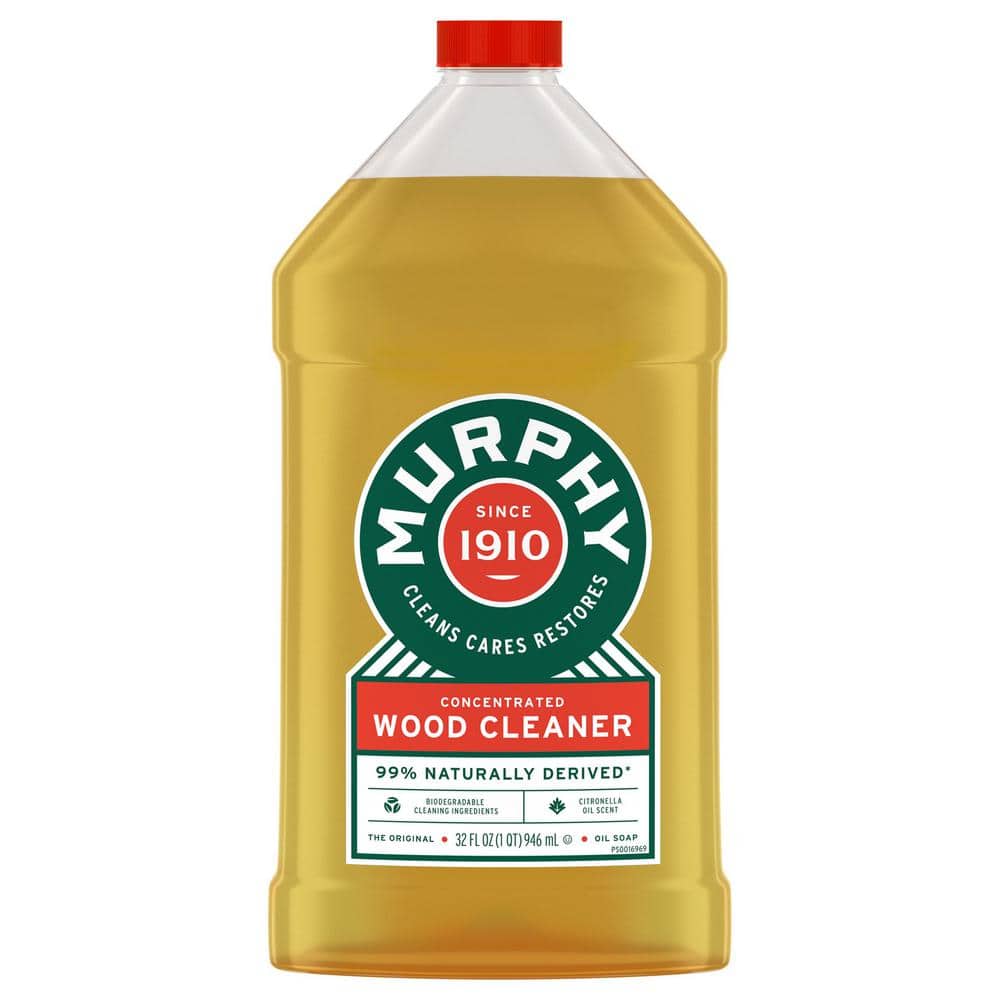
Credit: www.homedepot.com
Frequently Asked Questions
How Do I Clean Murphy’s Oil Soap Residue Off Hardwood Floors?
Use a damp mop with warm water to gently wipe the floor. Avoid soaking the wood to prevent damage. Dry the floor with a clean cloth afterward.
Can Vinegar Remove Murphy’s Oil Soap From Hardwood Floors?
Yes, mix one part vinegar with four parts water for a gentle cleaner. Mop the floor lightly, then dry it well to avoid moisture damage.
What Household Items Help Remove Murphy’s Oil Soap?
A microfiber cloth and warm water work well to remove soap residue. For stubborn spots, use a mild vinegar solution and wipe gently.
Will Murphy’s Oil Soap Damage Hardwood Floors If Not Removed?
Leftover soap can make floors sticky and attract dirt. It may dull the finish over time, so cleaning off residue is important.
How Often Should I Remove Murphy’s Oil Soap From My Floor?
Remove soap residue whenever the floor feels sticky or looks dull. Regular cleaning after mopping keeps hardwood floors shiny and clean.
Conclusion
Removing Murphy’s Oil Soap from hardwood floors takes care and patience. Use gentle cleaning solutions and a soft cloth to avoid damage. Rinse the floor well to remove any residue. Dry the surface completely to prevent water spots. Regular cleaning keeps your floors shiny and healthy.
Take your time and follow these steps carefully. Your hardwood floors will look fresh and clean again. Simple actions make a big difference in floor care. Keep your space beautiful with proper cleaning habits.