
If you own an old house with wood siding, you know how tricky it can be to keep it warm during winter and cool in summer. Poor insulation not only wastes energy but also drives up your utility bills.
What if you could make your home more comfortable and save money without tearing down your beautiful wood siding? This guide will show you simple, effective ways to insulate your old house while preserving its charm. Keep reading—you’ll discover easy steps that can make a big difference in your home’s comfort and energy efficiency.
Assessing Your Old House
Before adding insulation to an old house with wood siding, start with a careful assessment. This step helps find areas that need fixing or extra insulation. It saves money and improves comfort in the long run. Take your time to check the house inside and out.
Checking Existing Insulation
Begin by looking inside walls and attic spaces to see what insulation is already there. Some old homes have little or no insulation. Others might have damaged or compressed materials that do not work well. Use a flashlight and a small mirror to peek into wall cavities through electrical outlets or vents. This helps you plan how much insulation you will need.
Inspecting Wood Siding Condition
Carefully examine the wood siding for signs of damage or wear. Look for cracks, rot, or loose boards that let air and moisture in. Old paint that is peeling or flaking can also signal problems. Fixing these issues before insulating helps protect your home and keeps insulation dry. Dry insulation works better and lasts longer.
Identifying Drafts And Air Leaks
Walk around your house on a windy day to feel for cold air coming inside. Check near windows, doors, corners, and where different materials meet. Use your hand or a candle flame to sense small air movements. Sealing these leaks with caulk or weatherstripping reduces heat loss. Finding and fixing drafts improves insulation effectiveness.
Choosing The Right Insulation
Choosing the right insulation is key to improving comfort and saving energy in an old house with wood siding. The wrong type can cause moisture problems or damage the wood. The right insulation keeps your home warm in winter and cool in summer.
Consider the material, how well it blocks heat, and its effect on the wood siding. Some insulations work better with wood siding because they allow the wood to breathe and prevent mold. Other types may trap moisture, causing rot and decay.
Types Suitable For Wood Siding
Fiberglass batt insulation fits easily between wall studs and is affordable. It lets the wood breathe but requires a vapor barrier to control moisture. Spray foam insulation seals gaps and cracks well but can trap moisture unless installed properly. Cellulose insulation, made from recycled paper, fills spaces tightly and is good for irregular walls. Mineral wool is fire-resistant and water-repellent, making it another strong choice for wood-sided homes.
R-value Considerations
R-value shows how well insulation resists heat flow. Higher R-values mean better insulation. For wood siding, aim for an R-value between R-13 and R-21 in walls. Thicker insulation usually has a higher R-value. Check local climate recommendations to choose the right level. Proper R-value helps reduce heating and cooling bills.
Eco-friendly Options
Natural insulation materials help reduce environmental impact. Cellulose insulation uses recycled paper and requires little energy to produce. Sheep’s wool is renewable and controls moisture well. Cork insulation is durable and sustainable, coming from bark that regrows. These options work well with wood siding and keep your home green and healthy.
Preparing The Exterior
Preparing the exterior is the first step in insulating an old house with wood siding. This step ensures a strong, clean surface for insulation. It also helps prevent future damage to your home. Proper preparation improves insulation results and saves money in the long run.
Removing Damaged Siding
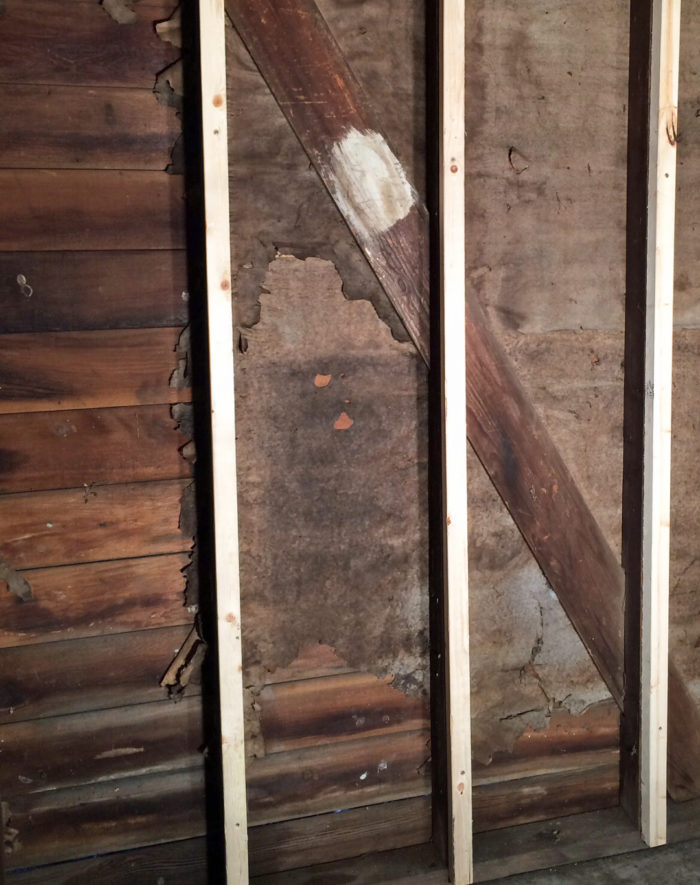
Start by checking the wood siding for damage. Look for rotting, warping, or loose boards. Remove any damaged pieces carefully. Use a pry bar or hammer to avoid hurting nearby wood. Clear all old nails and debris from the wall. This creates a smooth base for new materials.
Repairing Wood Surfaces
Fix small cracks or holes in the wood with wood filler. Sand the area smooth after the filler dries. Replace larger damaged sections with new wood boards. Secure the new boards tightly to the wall frame. This prevents drafts and keeps the siding strong. Proper repairs ensure your insulation works well.
Cleaning And Drying Walls
Clean the siding with a brush or pressure washer. Remove dirt, mold, and old paint flakes. Allow the wood to dry completely before adding insulation. Moisture trapped under insulation causes rot and mold. Dry walls improve insulation lifespan and home comfort.
Credit: www.greenbuildingadvisor.com
Installing Insulation Materials
Installing insulation materials in an old house with wood siding helps keep your home warm and energy-efficient. This step reduces drafts and lowers heating bills. Different types of insulation suit various needs and budgets. Choose the right method for your home’s condition.
Adding Rigid Foam Boards
Rigid foam boards are firm panels that provide strong insulation. Cut them to fit between wall studs or over the exterior wood siding. These boards block cold air and moisture from entering your home. They are easy to install with adhesive or nails. Seal the edges with tape to stop air leaks.
Using Spray Foam Insulation
Spray foam expands and fills small gaps and cracks. It creates an airtight barrier in walls and around pipes. This type of insulation is perfect for uneven spaces. Spray foam also adds strength to wood siding walls. Hire a professional for safe and proper application.
Applying Insulation Batts
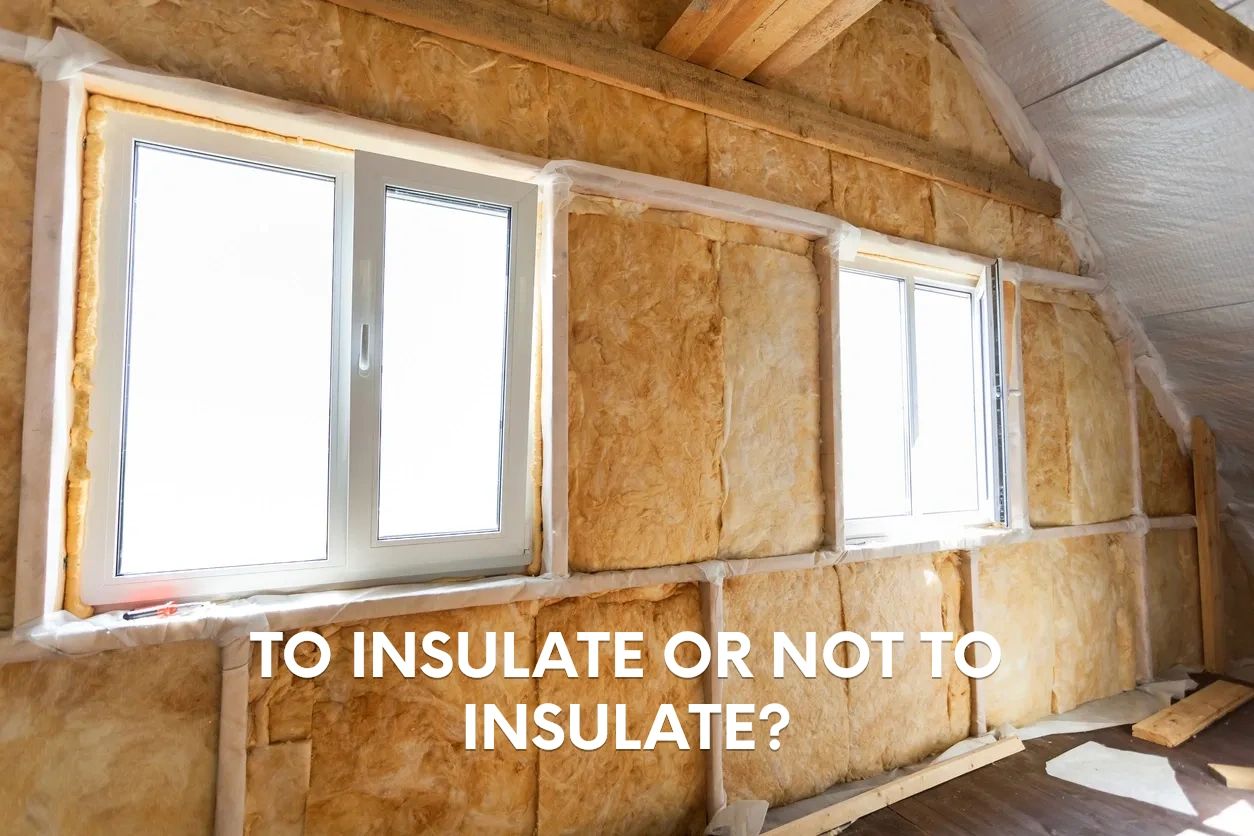
Insulation batts are soft rolls or sheets made of fiberglass or mineral wool. Place them between wall studs inside the house. Batts fit easily and reduce heat loss through wood siding. Cut the batts to size for a snug fit. Wear protective gear to avoid skin irritation during installation.
Enhancing Air Sealing
Enhancing air sealing is a key step in insulating an old house with wood siding. It helps stop drafts and keeps warm air inside during winter. Proper air sealing reduces energy costs and increases comfort. It also protects the house from moisture damage caused by air leaks. Focus on common problem areas to create a tight barrier against outside air.
Sealing Gaps And Cracks
Check for gaps and cracks around windows, doors, and siding joints. Use caulk or spray foam to fill these spaces. Choose a product that is flexible and weather-resistant. Apply the sealant evenly and press it firmly into the gap. Small cracks can add up to big energy loss if left untreated.
Using Weatherstripping
Weatherstripping is an easy way to block air leaks around doors and operable windows. Choose strips made from foam, rubber, or vinyl. Clean the surface before applying to ensure good adhesion. Replace old or damaged weatherstripping to maintain a proper seal. This simple step keeps cold air out and warm air in.
Installing House Wrap
House wrap acts as a breathable barrier under the wood siding. It stops air infiltration while allowing moisture to escape. Install the wrap over the sheathing and under the siding. Overlap seams and tape them well to prevent leaks. Proper installation improves the home’s energy efficiency and durability.

Credit: www.youtube.com
Restoring Wood Siding
Restoring wood siding is key to protecting an old house from weather damage. It also improves the home’s look and energy efficiency. Careful restoration helps keep wood strong and prevents costly repairs later.
Start by checking the siding for damage like cracks or rot. Fix or replace parts as needed. Then, clean the wood well. This prepares it for painting or finishing. Proper care extends the life of the siding and keeps the house warm.
Reinstalling Or Replacing Siding
Remove any damaged wood carefully. Check the frame behind the siding for moisture issues. Use wood that matches the original in size and type. Nail the new pieces securely. Leave small gaps for wood to expand with weather changes. This prevents warping or buckling over time.
Painting And Finishing Tips
Apply a primer designed for wood. This helps the paint stick better. Use high-quality exterior paint to protect from sun and rain. Choose light colors to reduce heat absorption. Paint both sides of the siding if possible. Let each coat dry fully before adding the next. This creates a strong, lasting barrier.
Maintaining Wood Durability
Inspect the siding every year. Look for peeling paint, cracks, or mold. Clean dirt and debris regularly. Repair small damages quickly to stop bigger problems. Keep gutters clean to prevent water from reaching the wood. Proper maintenance keeps the siding strong and the house insulated.
Improving Energy Efficiency
Improving energy efficiency is key to making an old house with wood siding more comfortable and affordable. Proper insulation helps keep heat inside during winter and blocks heat out in summer. It lowers energy bills and reduces wear on heating and cooling systems. Small upgrades can make a big difference.
Upgrading Windows And Doors
Old windows and doors often leak air, wasting energy. Replacing them with energy-efficient models seals drafts and stops heat loss. Choose double-pane windows with low-emissivity coatings. Solid weatherstripping around doors blocks cold air from entering. These upgrades improve comfort and reduce heating costs.
Adding Storm Windows
Storm windows add an extra layer of protection to original windows. They trap air between layers, creating insulation. This reduces heat loss without removing historic wood frames. Storm windows are easier to install and cheaper than full replacements. They help keep rooms warmer in winter and cooler in summer.
Using Reflective Barriers
Reflective barriers reflect radiant heat away from the house. Installing them behind wood siding cuts down on heat gain during hot months. These barriers also prevent heat loss in winter by reflecting warmth back inside. They are thin, lightweight, and easy to add under existing siding. Reflective barriers improve overall insulation without major changes.
Credit: asiri-designs.com
Hiring Professionals Vs Diy
Deciding between hiring professionals or tackling insulation yourself can be tough. Both choices have benefits and challenges. Understanding these will help you choose the best path for insulating your old wood-sided house.
When To Call An Expert
Experts have the skill to handle old houses carefully. They know how to avoid damage to wood siding. They can spot hidden issues like mold or pests. Complex insulation jobs with wiring or plumbing nearby need a pro. If time is tight, professionals finish faster. Calling an expert reduces the risk of mistakes.
Tools Needed For Diy
DIY insulation requires some basic tools. You will need a utility knife to cut insulation material. A staple gun helps secure insulation to walls. Safety gear like gloves and goggles protects you. Measuring tape ensures a good fit. A ladder is necessary to reach high spots. Having the right tools makes the job easier and safer.
Cost And Time Estimates
Hiring pros costs more upfront but saves time. A professional job may take one to three days. DIY insulation usually costs less but needs more time. Expect to spend several weekends on the project. Mistakes in DIY can lead to extra costs later. Budget your money and time carefully before starting.
Frequently Asked Questions
What Is The Best Insulation For Old Wood Siding Houses?
Fiberglass batts and foam board are common choices. They provide good thermal resistance and fit well between studs. Spray foam can also seal gaps effectively.
How Do You Add Insulation Without Removing Wood Siding?
Use blown-in cellulose or foam insulation inside wall cavities. These methods avoid siding removal and improve energy efficiency. Small holes are drilled to inject insulation.
Can Old Wood Siding Be Insulated From The Outside?
Yes, rigid foam board can be applied over the siding. Then cover it with new siding or trim. This method adds insulation without disturbing the interior.
How Much Does It Cost To Insulate An Old Wood-sided House?
Costs vary but expect around $1. 50 to $3. 50 per square foot. Prices depend on insulation type, house size, and labor. DIY can reduce expenses.
Will Insulating Wood Siding Prevent Moisture Problems?
Proper insulation and ventilation reduce moisture risks. Use vapor barriers to stop dampness inside walls. Regular maintenance of wood siding also helps prevent damage.
Conclusion
Insulating an old house with wood siding takes careful steps. Start by checking for gaps and cracks to stop drafts. Use the right insulation materials to keep your home warm. Keep wood siding dry to avoid damage. Proper insulation helps save energy and cuts heating costs.
Small efforts add up to big comfort. Take your time, and your house will feel cozy all year. This simple work protects your home and makes it more energy-efficient. You can enjoy a warmer, quieter space with less effort.