
Is your pocket door sticking, sliding unevenly, or just not closing right? You don’t need to pull out the whole frame to fix it.
Imagine saving time, avoiding a big mess, and getting your door to glide smoothly again—all without major work. In this guide, you’ll learn simple steps to adjust your pocket door quickly and easily. Keep reading, and you’ll have your door working perfectly in no time.

Credit: www.youtube.com
Common Pocket Door Issues
Pocket doors save space and look neat. Yet, they can face some common problems. These issues make the door hard to use or noisy. Understanding these problems helps fix them without removing the frame.
Door Sticking Or Jamming
Doors that stick or jam often have dirt or debris in the track. Dust and small objects block the door’s path. Sometimes, the rollers wear out or break. This causes the door to get stuck or hard to move.
Misalignment Problems
Misaligned doors do not close properly. They may leave gaps or fail to lock. The track or rollers might shift over time. This causes the door to hang unevenly or not fit right in the frame.
Difficulty Sliding Smoothly
Sliding doors should move easily and quietly. Rough or jerky movement means the rollers or track have issues. Dirt, rust, or damage can stop smooth sliding. Regular cleaning and simple adjustments improve the glide.

Credit: www.youtube.com
Tools Needed For Adjustment
Adjusting a pocket door without removing the frame needs the right tools. Using proper tools makes the job easier and safer. This section covers the tools you need for the adjustment process.
Basic Hand Tools
You will need some simple hand tools for most adjustments. A screwdriver set is essential for loosening and tightening screws. A tape measure helps check door alignment and spacing. A level ensures the door is straight and balanced. A flashlight can light up dark areas inside the door frame. These tools are common in most home toolkits.
Specialized Door Hardware Tools
Some adjustments need special door hardware tools. An Allen wrench or hex key fits many pocket door rollers and guides. A roller adjustment tool helps raise or lower the door smoothly. Lubricant spray keeps rollers moving without noise or friction. These tools target the door’s moving parts directly, making adjustments precise and easier.
Inspecting The Door And Track
Inspecting the door and track is the first step to adjust a pocket door properly. This helps find the cause of any trouble with the door’s movement. A careful check can save time and avoid taking the door frame apart.
Start by looking closely at the track and door. Spot any dirt, damage, or parts that do not work well. This makes sure the door slides smoothly and stays aligned.
Checking The Track For Debris
Look inside the track for dust, dirt, or small objects. These can block the door from sliding freely. Use a soft brush or a cloth to clean the track. Clear any sticky spots or buildup carefully. A clean track helps the door move without sticking.
Examining Rollers And Hardware
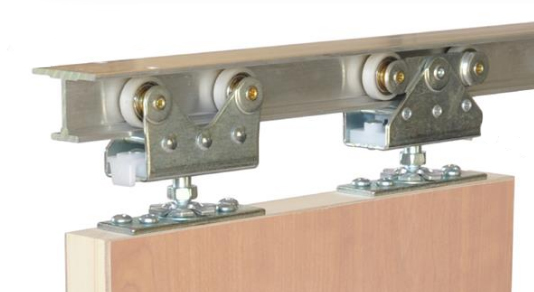
Check the rollers that hold the door in the track. See if they turn easily or look worn out. Tighten any loose screws or parts on the rollers. Replace broken rollers if needed. Also, inspect other hardware like brackets or guides. All parts should be secure and work well together.
Assessing Door Alignment
Look at how the door sits in the frame. Check if it is straight or leaning to one side. Open and close the door slowly to notice any rubbing or gaps. Small shifts in alignment can cause big problems with smooth sliding. Adjust the rollers or hardware to correct the door’s position without removing the frame.
Adjusting Rollers And Hardware
Adjusting the rollers and hardware is key to fixing a pocket door without removing its frame. These small parts control how smoothly the door slides. Tightening or loosening them can stop squeaks and jams.
This process saves time and avoids heavy repairs. You only need basic tools and some patience. Each step targets a specific part of the door’s movement.
Locating Roller Adjustment Screws
Open the door slightly. Look at the top edge inside the pocket. You will see small screws on the rollers.
Rollers often hide behind a metal plate or trim. Use a flashlight to spot them clearly. These screws control the height and tilt of the door.
Raising Or Lowering The Door
Turn the adjustment screws with a screwdriver. Clockwise usually raises the door. Counterclockwise lowers it.
Make small turns and check the door’s movement. The goal is an even gap between the door and frame. This helps the door slide without rubbing or sticking.
Tightening Loose Components
Check all screws and bolts on the door hardware. Loose parts cause rattling and poor movement. Use a screwdriver or wrench to tighten them carefully.
Do not overtighten. This can damage the hardware. Just firm enough to stop wobbling and noise.
Cleaning And Lubricating The Track
Cleaning and lubricating the pocket door track keeps the door sliding smoothly. Dirt and dust build up over time, causing the door to stick or make noise. Regular maintenance helps the door work better without removing the frame. This section explains how to clean and lubricate the track properly.
Removing Dirt And Dust
Start by opening the pocket door fully. Use a vacuum with a narrow nozzle to suck out loose dirt. A soft brush helps to loosen stuck dust and debris. Wipe the track with a damp cloth to remove any remaining grime. Make sure the track is dry before applying lubricant.
Choosing The Right Lubricant
Select a lubricant designed for door tracks or metal parts. Silicone spray is a good choice because it won’t attract dust. Avoid using heavy oils or grease as they can cause more dirt buildup. Read the label to ensure the lubricant suits your door’s material.
Applying Lubricant Properly
Spray a thin, even layer along the entire track length. Focus on areas where the door’s rollers touch the track. Avoid over-applying, as excess lubricant can drip or collect dirt. Move the door back and forth several times to spread the lubricant evenly. Wipe off any extra to keep the track clean.
Credit: www.naturalhandyman.com
Fixing Door Misalignment
Fixing a misaligned pocket door can improve its function and appearance. Misalignment causes the door to stick or not close properly. Adjusting the door without removing the frame saves time and effort. Simple tools and techniques can realign the door easily.
Shimming Techniques
Shims are thin pieces of wood or plastic. Use them to fill gaps between the door and frame. Start by locating where the door rubs or hangs unevenly. Insert shims behind the door or along the track to level it. Check the door movement after each adjustment. Remove excess shim material to keep it tidy.
Realigning The Door Without Frame Removal
Loosen the screws on the door rollers or guides slightly. Adjust the rollers up or down to move the door. Test the door’s slide after each tweak. Tighten the screws once the door moves smoothly. This method avoids frame damage and keeps the door stable.
Preventive Maintenance Tips
Preventive maintenance keeps your pocket door working smoothly. Small checks and simple care stop big problems. It saves time and effort later. Follow easy steps to protect your door and avoid removing the frame.
Regular Cleaning Schedule
Clean the door tracks every month. Dust and dirt block the door’s path. Use a vacuum or a soft brush. Wipe the tracks with a damp cloth to remove grime. Dry the area well to avoid rust.
Also, clean the door surface to keep it looking fresh. Avoid harsh cleaners that can damage the finish.
Monitoring Hardware Wear
Check the rollers and tracks for signs of wear. Look for cracks, rust, or loose parts. Tighten screws or bolts if they are loose. Replace worn rollers to keep the door sliding smoothly. Regular checks stop damage to the frame and door.
Avoiding Common Mistakes
Do not force the door if it sticks. Forcing can damage hardware and frame. Avoid slamming the door to protect its parts. Keep heavy items away from the tracks. Avoid using oil or grease on the tracks; it can attract dirt.
Frequently Asked Questions
How Do I Fix A Sticking Pocket Door Without Removing The Frame?
Check the rollers and tracks for dirt or damage. Clean or replace parts to improve sliding. Adjust the door height using the roller screws.
Can I Adjust A Pocket Door’s Alignment Alone?
Yes, most pocket doors can be adjusted by one person. Use a screwdriver to tweak the rollers and test the movement.
What Tools Are Needed To Adjust A Pocket Door?
You mainly need a screwdriver and sometimes an Allen wrench. A level helps to check door alignment too.
Why Is My Pocket Door Not Sliding Smoothly?
Dirt or debris often blocks the track. Rollers may be worn out or misaligned, causing rough movement.
How Often Should Pocket Doors Be Maintained?
Check and clean the tracks every six months. Adjust rollers or clean parts as needed for smooth operation.
Conclusion
Adjusting a pocket door without removing the frame saves time and effort. Small tweaks can fix alignment and smooth sliding. Check the rollers and tracks for dirt or damage. Tighten screws and adjust the door height carefully. These simple steps keep your door working well.
Regular care prevents bigger problems later. A little attention goes a long way with pocket doors. Now, enjoy a door that opens and closes quietly and easily.