Moving heavy furniture on your wood floor can be tricky. You want to avoid scratches, dents, or any damage that can ruin the beauty of your floors.
But how do you do it without hurting your back or breaking a sweat? You’ll discover simple, effective tricks to make the job easier and safer. By the time you finish reading, you’ll feel confident moving even the heaviest pieces without stress or damage.
Ready to protect your floors and save your energy? Let’s dive in.

Credit: www.wikihow.com
Prepare Your Furniture
Preparing your furniture before moving it on wood floors helps avoid scratches and damage. Taking time to prepare makes the process safer and easier. It also protects your floors and furniture from harm.
Clear The Pathway
Remove any objects blocking the route. Clear rugs, toys, and cables. Make sure the path is wide enough for the furniture. This avoids trips and accidental bumps.
Measure Doorways And Spaces
Measure the height, width, and depth of your furniture. Compare with doorways and hallways. Ensure your furniture can fit through without force. This prevents damage to walls and furniture.
Remove Detachable Parts
Take off cushions, legs, or shelves that can be removed. This reduces weight and size. It makes moving easier and safer. Keep small parts in a labeled bag for reassembly.
Protect Your Wood Floor
Protecting your wood floor is very important when moving heavy furniture. Scratches, dents, and scuffs can easily damage the surface. Taking steps to shield the floor keeps it looking new and saves money on repairs. Simple tools and techniques make the process safe and smooth.
Use Furniture Sliders
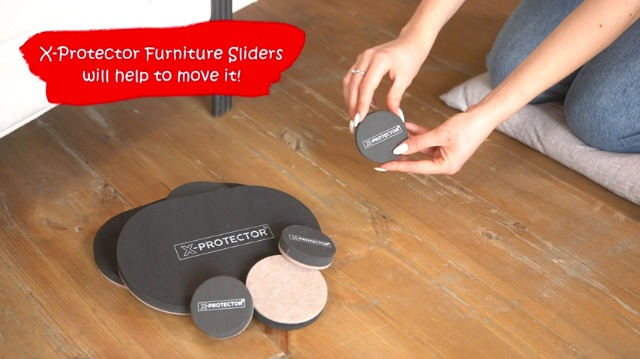
Furniture sliders are small pads placed under heavy items. They help the furniture glide across the floor without scratching. Choose sliders made for wood floors to avoid damage. They reduce friction and make moving easier and safer.
Apply Moving Blankets Or Rugs
Use moving blankets or rugs under furniture legs or corners. These soft layers protect the floor from pressure marks and scratches. They also help spread the weight evenly. Secure the blankets or rugs so they don’t slip during the move.
Avoid Dragging Directly
Dragging furniture directly on wood floors causes scratches and dents. Lift the furniture or use sliders to move it gently. Take small steps to keep control. Avoid sudden movements that may cause damage to the wood surface.
Lift Safely
Lifting heavy furniture safely protects your body and your floors. It prevents injuries and damage. Taking the right steps helps move items smoothly and without strain.
Get Help From Others
Heavy furniture is easier to lift with more people. Ask a friend or family member to assist. Teamwork shares the weight and reduces risk of injury. Communicate clearly to coordinate your movements.
Use Proper Lifting Techniques
Bend your knees, not your back, when lifting. Keep your back straight and use leg muscles to lift. Hold the furniture close to your body. Avoid twisting your torso while carrying the item.
Utilize Moving Straps
Moving straps give extra support and make lifting safer. They help distribute weight evenly across your body. Use straps designed for furniture to improve grip and control. This reduces strain on your arms and back.
Move Furniture Efficiently
Moving heavy furniture on wood floors needs care to avoid damage. Using smart methods saves time and protects your floor. Follow simple steps to move furniture safely and efficiently.
These tips help you move without scratches or dents on your wood floor. Keep your back safe too by using proper techniques.
Slide Instead Of Drag
Sliding furniture is better than dragging it across wood floors. Dragging can cause deep scratches and wear down the surface. Use a soft cloth or furniture sliders under the legs to glide smoothly. This reduces friction and protects the wood finish. Move slowly and control the slide to avoid accidents.
Use Dollies Or Carts
Dollies and carts make moving heavy furniture easier and safer. Place the furniture carefully on the dolly to balance the weight. This tool helps roll furniture instead of lifting it all the time. It lowers the risk of dropping and damaging both the furniture and floor. Choose a dolly with rubber wheels to protect wood surfaces.
Take Breaks To Prevent Damage
Moving heavy furniture is tiring. Taking breaks helps you avoid rushing and making mistakes. Resting reduces the chance of dropping or bumping into walls. Check the floor often for any marks or scratches. Fix small problems before continuing to protect your wood floor fully.
Handle Stubborn Pieces
Moving heavy furniture on wood floors can be tough. Some pieces just won’t budge. These stubborn items need special care. Handle them right to protect your floor and avoid injury. Here are some easy ways to manage tough furniture.
Disassemble When Possible
Take apart furniture if you can. Remove legs, shelves, or drawers. Smaller parts are easier to move. This reduces weight and size. It also lowers the risk of floor scratches. Use simple tools like screwdrivers or wrenches. Keep screws and parts safe to reassemble later.
Use Lubricants For Tight Spots
Lubricants can help furniture slide smoothly. Use materials like wax, soap, or furniture sliders. Apply them under heavy legs or corners. This reduces friction and protects the floor. Avoid oily lubricants that can stain wood. Wax or soap creates a slick surface without damage.
Leverage Tools For Extra Force
Tools help move heavy pieces without strain. Use a pry bar or a crowbar to lift corners slightly. This lets you place sliders or pads underneath. A dolly or hand truck can carry large items safely. These tools reduce floor damage and save your energy.
Credit: www.amazon.com
Final Placement Tips
Final placement is the last step when moving heavy furniture on a wood floor. This part needs care to avoid damage and keep the room looking neat. Small mistakes here can lead to scratches or uneven furniture. Follow these tips to finish the job safely and effectively.
Check Floor For Scratches
After moving the furniture, inspect the floor closely. Look for any new scratches or marks. Use a soft cloth to clean the area and see clearly. Early detection helps prevent further damage. Repair small scratches with wood floor repair kits if needed.
Adjust Furniture Position Carefully
Fine-tune the furniture placement by moving it slightly. Avoid dragging it across the floor again. Lift edges or slide gently using sliders or a soft cloth. Make sure the furniture sits evenly and does not wobble. Correct positioning protects both the furniture and the floor.
Protect Floor With Pads
Place felt pads under each furniture leg. Pads reduce pressure and prevent scratches from movement. Choose pads made for wood floors for best results. Replace pads regularly to keep them clean and effective. This simple step extends the life of your floor and furniture.

Credit: www.xpressmovers.com
Frequently Asked Questions
How Can I Protect Wood Floors When Moving Heavy Furniture?
Place furniture sliders or thick blankets under the legs. This prevents scratches and dents on the wood surface. Move the furniture slowly and carefully for extra protection.
What Tools Help Move Heavy Furniture On Wood Floors?
Furniture sliders, moving blankets, and a dolly are very useful. They reduce friction and protect both the floor and furniture. These tools make moving easier and safer.
Can I Drag Heavy Furniture On Wood Floors Safely?
Dragging can cause scratches and damage to wood floors. Use sliders or lift the furniture slightly instead. Always move items gently to avoid floor marks.
How Do I Avoid Scratches While Moving Furniture On Wood?
Lift furniture slightly or use sliders under the legs. Soft pads or blankets also protect the floor from scratches. Avoid dragging furniture directly on the wood.
Should I Clean The Floor Before Moving Heavy Furniture?
Yes, clean floors remove dirt and grit that may cause scratches. Sweep or vacuum the area well before moving furniture. A clean floor helps protect wood surfaces.
Conclusion
Moving heavy furniture on wood floors can be safe and simple. Use sliders or blankets to protect the floor. Lift with your legs, not your back. Take your time and ask for help if needed. Keep the floor clean to avoid scratches.
Small steps make big moves easier. Protect your wood floors and your body. Enjoy your refreshed space without damage or stress.