Cutting plywood with a jigsaw can be tricky, especially when you want clean, smooth edges without any splinters. If you’ve ever struggled with rough cuts or frustrating tear-outs, you’re not alone.
But what if you could make every cut sharp and splinter-free, even if you’re new to using a jigsaw? You’ll discover simple, effective tips that will help you achieve perfect plywood cuts every time. Keep reading, and you’ll learn how to save time, reduce waste, and get professional-looking results with ease.
Choosing The Right Jigsaw Blade
Choosing the right jigsaw blade is key to cutting plywood without splintering. The blade type affects the cut’s smoothness and accuracy. Using the wrong blade can cause rough edges and damage. Focus on the blade’s design, tooth count, and sharpness for the best results.
Blade Types For Plywood
Use blades designed for wood or plywood cutting. Fine-toothed blades create smoother cuts and reduce splintering. T-shank blades fit most jigsaws and provide stability during cutting. Choose blades labeled for clean cuts in plywood to get the best finish.
Tooth Count And Material
Blades with more teeth per inch (TPI) give cleaner cuts. A blade with 10 to 14 TPI works well for plywood. Look for blades made from high-speed steel or bi-metal for durability. These materials stay sharp longer and handle plywood’s layered texture.
Blade Sharpness And Maintenance
Sharp blades cut smoothly and reduce splintering. Dull blades tear the wood fibers and cause rough edges. Replace blades regularly to keep cuts clean. Keep blades free of resin and dust for better performance and longer life.
Preparing Plywood For Cutting
Preparing plywood for cutting is key to a clean, splinter-free edge. Taking time before the cut makes a big difference. Proper preparation prevents damage and saves effort later.
Selecting Quality Plywood
Choose plywood with a smooth surface and fewer knots. High-quality plywood has tight, even layers. Avoid sheets with visible cracks or warping. This helps reduce splintering during the cut.
Supporting The Sheet Properly
Place plywood on a flat, stable surface. Use saw horses or a workbench to support the sheet. Ensure the plywood doesn’t bend or wobble. Support the area near the cut line well. This keeps the plywood steady and reduces tear-out.
Marking Accurate Cut Lines
Use a sharp pencil or fine marker to draw cut lines. Measure carefully and double-check your marks. Clear, straight lines guide your saw for precise cuts. Consider using a straight edge or ruler for accuracy.
Techniques To Prevent Splintering
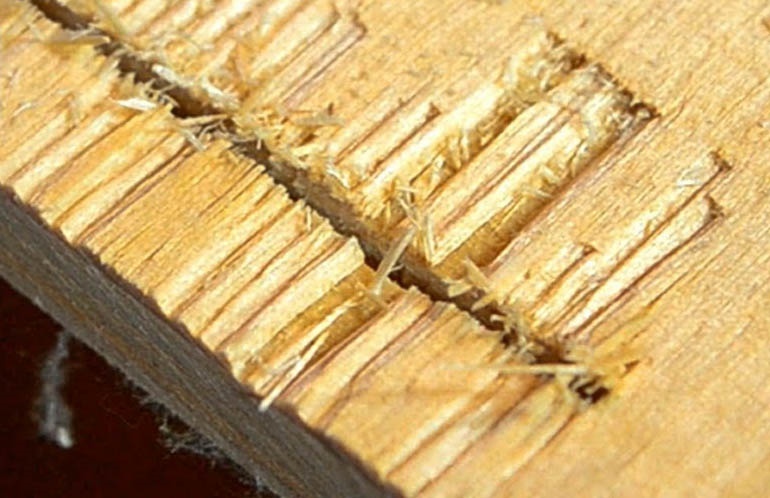
Cutting plywood with a jigsaw can cause splintering. Splintering ruins the smooth edge and weakens your project. Using the right techniques helps keep cuts clean and sharp. These simple tips protect the plywood’s surface and give better results.
Scoring The Cut Line
Scoring means lightly cutting along the cut line before the full cut. Use a utility knife to score the plywood surface. This breaks the wood fibers and guides the jigsaw blade. Scoring reduces splintering by creating a clean edge to follow. It also helps keep the cut straight.
Cutting From The Back Side
Plywood splinters more on the side where the blade exits. Cutting from the back means starting the cut on the side you want smooth. The blade pushes out splinters on the side you don’t see. This technique keeps the front side clean and splinter-free.
Using Masking Tape
Apply masking tape along the cut line on the plywood. The tape holds the wood fibers in place while cutting. It prevents the blade from pulling up splinters. After cutting, remove the tape to reveal a smooth edge. Masking tape is cheap and easy to use for better cuts.
Setting Up The Jigsaw
Setting up the jigsaw properly is key to cutting plywood without splintering. A well-prepared tool helps make clean and smooth cuts. Small adjustments can protect the wood and improve your control. Take time to prepare the jigsaw before you start cutting.
Adjusting Speed Settings
Set the jigsaw speed to match the plywood thickness. Lower speeds work better for thin sheets. Higher speeds can cause splintering and rough edges. Start slow and increase speed if the blade moves smoothly. Control the speed to keep the cut clean and steady.
Choosing The Right Orbital Action
Orbital action controls how the blade moves during cutting. For plywood, use a low or no orbital setting. High orbital action can tear the wood fibers and cause splinters. A smooth up-and-down blade motion gives a cleaner cut. Adjust this feature to protect the plywood surface.
Securing The Base Plate
Check the base plate to ensure it is tight and stable. A loose base plate makes the jigsaw wobble and splinter the wood. Tighten screws or clamps if needed. A firm base plate keeps the blade steady and improves cutting accuracy. Always confirm the base plate is secure before cutting.
Cutting Tips For Clean Edges
Cutting plywood with a jigsaw can cause splintering and rough edges. Clean edges make your project look professional. Using the right cutting tips helps prevent splintering. These tips focus on controlling pressure, speed, and blade movement. Follow them to get smooth, clean cuts every time.
Maintaining Steady Pressure
Keep steady pressure on the jigsaw while cutting. Pressing too hard can cause the blade to bend or break. Too little pressure slows the cut and may cause rough edges. Let the saw do the work. Steady pressure keeps the blade stable and the cut clean.
Controlling Cutting Speed
Cutting too fast increases splintering risk. Slow down for better control and smoother edges. Move the jigsaw at a steady, moderate speed. This allows the blade to cut through the wood fibers gently. Slow, steady cuts reduce tearing on the plywood surface.
Avoiding Blade Binding
Blade binding happens when the saw blade gets stuck in the wood. This causes rough edges and can damage the plywood. Keep the blade straight and aligned with the cut line. Avoid twisting or forcing the jigsaw. Let the blade move freely for a clean cut.

Credit: www.reddit.com
Finishing And Smoothing Edges
Finishing and smoothing edges is key after cutting plywood with a jigsaw. Clean edges make your project look professional. They also prevent splinters and rough spots. Smooth edges improve the feel of the wood and help with painting or staining. Use the right tools and methods to get great results.
Sanding Techniques
Start with coarse sandpaper to remove big rough spots. Use a sanding block or an electric sander for even pressure. Move in the direction of the wood grain to avoid scratches. Switch to finer sandpaper for a smooth finish. Sand the edges gently to keep them straight and clean. Check often to prevent over-sanding.
Using Edge Banding
Edge banding covers raw plywood edges for a neat look. It comes in wood veneer, plastic, or melamine strips. Cut the banding slightly longer than the edge. Use an iron or edge banding machine to glue it on. Press firmly and trim extra material with a sharp knife. Sand lightly for a seamless finish.
Applying Sealants
Sealants protect plywood edges from moisture and damage. Use wood sealer, varnish, or polyurethane. Apply with a brush or cloth in thin layers. Let each coat dry fully before adding another. Sealants also enhance the wood’s natural color. Finish edges look better and last longer with sealing.
Safety Precautions While Cutting
Safety is key when cutting plywood with a jigsaw. Taking the right precautions protects you from injury. It also helps you make cleaner cuts without splintering the wood.
Prepare your workspace and tools carefully. Follow safety steps every time you cut plywood. This keeps the job smooth and safe.
Wearing Protective Gear
Always wear safety glasses to shield your eyes. Wood chips and dust can fly while cutting. Use ear protection to guard your hearing from loud noise. Wear a dust mask to avoid breathing in wood particles. Gloves protect your hands but make sure they fit well. Proper gear reduces risk and keeps you comfortable.
Ensuring Proper Workspace Setup
Work in a clean, well-lit area. Clear the space of any clutter that can trip you. Secure the plywood firmly with clamps or a sturdy surface. Check that your power cord is out of the way. Make sure the jigsaw blade is sharp and suitable for plywood. A well-organized space helps you focus and work safely.
Handling The Jigsaw Safely
Hold the jigsaw with both hands for better control. Keep your fingers away from the blade at all times. Start the saw before touching the wood to avoid kickback. Cut at a steady speed without forcing the blade. Turn off and unplug the jigsaw before changing blades or making adjustments. Safe handling prevents accidents and improves cut quality.
Credit: pyroprint.com

Credit: www.reddit.com
Frequently Asked Questions
How Do I Prevent Plywood From Splintering With A Jigsaw?
Use painter’s tape on the cutting line to reduce splinters. Cut slowly and steadily with a fine-tooth blade for cleaner edges.
What Blade Type Is Best For Cutting Plywood With A Jigsaw?
Choose a fine-tooth blade designed for wood cutting. It helps make smooth cuts and reduces splintering on plywood surfaces.
Should I Cut Plywood With The Good Side Up Or Down?
Place the good side down when cutting with a jigsaw. This way, splinters form on the back, keeping the front clean.
How Can I Make Straight Cuts On Plywood Using A Jigsaw?
Clamp a straight edge guide to the plywood for support. Follow the guide slowly and keep the jigsaw steady for straight lines.
Is It Necessary To Use A Backer Board When Cutting Plywood?
A backer board supports plywood and reduces splintering at the cut edge. It also helps keep the jigsaw blade from damaging the work surface.
Conclusion
Cutting plywood with a jigsaw takes care and the right steps. Use sharp blades and tape the cut line to prevent splinters. Cut slowly and follow the marked line closely. Support the plywood well to keep it steady. With these tips, your cuts will be cleaner and smoother.
Practice makes better results. Keep trying, and your plywood projects will look neat and professional every time.