
Are you struggling to move heavy tools or equipment in and out of your shed? Building a ramp can make your life so much easier.
Imagine gliding your lawnmower or wheelbarrow smoothly up and down without any hassle. In this guide, you’ll learn simple, step-by-step instructions to build a sturdy ramp that fits your shed perfectly. Whether you’re a beginner or just need a quick refresher, this article will help you save time, avoid frustration, and get the job done right.
Ready to make your shed more accessible? Let’s get started!
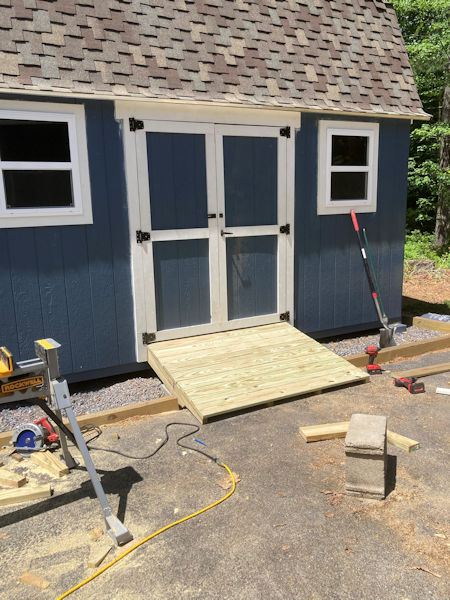
Credit: www.shedking.net
Choosing The Right Ramp Type
Choosing the right ramp type is important for your shed. The ramp must fit your needs and the shed’s use. Think about materials, how you will use it, and weight limits. These factors help you pick the best ramp for easy access and safety.
Wooden Vs Metal Ramps
Wooden ramps are common and easy to build. They match wooden sheds well. Wood feels natural and offers good grip. It may need painting or sealing to stop weather damage.
Metal ramps are strong and last long. They resist weather and need less care. Metal ramps can be heavier and slippery when wet. Look for metal with anti-slip surfaces for safety.
Portable Vs Permanent Ramps
Portable ramps are light and easy to move. They work well if you need ramps in different places. Portable ramps often fold or break down for storage.
Permanent ramps are fixed to the shed. They provide stable, long-term access. These ramps take more work to install. They suit sheds used often or for heavy equipment.
Ramp Weight Capacity
Ramp weight capacity means how much weight it can hold. Check this before building or buying a ramp. Consider the heaviest load you will move, like wheelbarrows or lawnmowers.
Choose a ramp with a higher weight limit for safety. Overloading a ramp can cause damage or accidents. Always follow weight guidelines for your ramp type.

Credit: www.reddit.com
Measuring Your Shed Entrance
Measuring your shed entrance is the first step to building a safe and effective ramp. Accurate measurements help ensure the ramp fits well and works properly. Take your time to measure carefully and note every detail. This process helps you avoid mistakes and saves materials. You need to check the size of the doorway, the height from the ground, and the space around the entrance.
Determining Ramp Length
Start by measuring the height from the ground to the shed entrance. This height is the vertical rise your ramp must cover. Next, decide on the slope or angle you want for the ramp. Use a simple formula: ramp length equals rise divided by slope. For example, a 6-inch rise with a slope of 1:12 means a 6-foot ramp. Write down your ramp length to guide your build.
Calculating Slope Angle
The slope angle affects how steep your ramp will be. A gentle slope is easier to use and safer. The common slope ratio is 1:12, meaning 1 inch of rise needs 12 inches of ramp length. Use a protractor or an app to check your slope angle. Keep it between 4 and 5 degrees for easy walking or moving items. Steeper slopes can be hard to climb.
Assessing Ground Level
Check the ground outside your shed entrance. Is it flat, uneven, or sloped? Measure the distance from the shed base to the ground at different points. Uneven ground may need extra support or leveling before building the ramp. Mark these measurements. A stable and level base ensures your ramp stays strong and safe over time.
Gathering Materials And Tools
Building a ramp for your shed starts with gathering the right materials and tools. This step is crucial to ensure your project is safe and sturdy. Having everything ready saves time and avoids interruptions. It also helps create a ramp that lasts long and works well.
Essential Tools List
Start with basic hand tools like a hammer and a measuring tape. A saw is needed to cut wood or metal parts. A drill helps in making holes and fixing screws. Use a level to keep the ramp even and safe. Safety gear like gloves and goggles protect you while working. A screwdriver and wrench will help with bolts and screws. Having a square tool ensures right angles. A pencil or chalk is useful for marking cuts.
Selecting Quality Materials
Choose strong wood like treated lumber for durability. It resists weather and insects. Plywood can be used for the ramp surface but must be sturdy. Metal ramps need aluminum or steel for strength. Pick non-slip materials or add grip tape for safety. Make sure nails and screws are rust-resistant. Avoid cheap materials that break or warp easily. The ramp’s size depends on your shed door and usage. Accurate measurements help buy the right amount of materials.
Safety Equipment
Wear gloves to protect your hands from splinters and sharp edges. Safety glasses shield your eyes from dust and debris. Use ear protection if using loud power tools. Wear sturdy shoes to avoid injuries from dropped tools or materials. Keep a first aid kit nearby for minor cuts or scrapes. Work in a clean area to prevent trips and falls. Follow all safety instructions for your tools and materials.
Preparing The Site
Preparing the site is the first step to building a sturdy ramp for your shed. It sets the base for a safe and durable ramp. Taking time to prepare the area well will save effort later. This stage involves clearing, leveling, and marking the spot for the ramp.
Clearing The Area
Start by removing all plants, rocks, and debris from the ramp location. Clear space ensures no obstacles will block construction. It also helps prevent damage to your materials. Use a rake or shovel to clean the ground thoroughly.
Leveling The Ground
Next, check if the ground is flat and even. Use a shovel to add or remove soil as needed. Level ground keeps the ramp stable and prevents wobbling. Use a spirit level or a long board to check the surface.
Marking Ramp Placement
Mark the exact place where the ramp will sit. Use stakes and string or spray paint to outline the ramp shape. This guides your build and keeps measurements accurate. Clear markings reduce mistakes and speed up the process.
Building The Ramp Frame
Building the ramp frame is the first step in creating a sturdy ramp for your shed. The frame holds the ramp surface and supports weight safely. A strong frame prevents wobbling and bending. Follow simple steps to cut, assemble, and reinforce the frame for long-lasting use.
Start with the right materials. Using good quality lumber makes your ramp durable. Measure twice to cut once. Accuracy here saves time and materials later.
Cutting Lumber To Size
Measure the length and width of the ramp needed. Mark the lumber with a pencil for cutting. Use a saw to cut the wood pieces to size. Cut two side pieces for the frame length. Cut several cross pieces to fit between the sides. Make sure all cuts are straight and clean for easy assembly.
Assembling The Frame
Lay the two long side pieces flat on the ground. Space the cross pieces evenly between the sides. Attach them with screws or nails. Start at one end and work to the other. Check that all parts are flush and aligned. Tighten screws well for a secure frame.
Reinforcing Support Beams
Add extra beams under the frame for more strength. Place them where the ramp will bear the most weight. Use brackets or metal plates to connect beams firmly. This prevents sagging and increases safety. Double-check all connections before moving on.
Installing The Ramp Surface
Installing the ramp surface is a key step in building your shed ramp. It provides a smooth path to move items in and out easily. The right surface ensures safety and durability.
Focus on the materials you choose, how to secure the boards, and adding features to prevent slipping. These parts make the ramp strong and safe for daily use.
Choosing Decking Material
Pick a decking material that resists weather and wear. Pressure-treated wood is common. It lasts long and stands up to rain and sun.
Composite decking is another option. It needs less upkeep and won’t rot or splinter. Choose a material with good grip to reduce slips.
Securing Ramp Boards
Place the ramp boards evenly across the frame. Leave a small gap between boards for water drainage. Use galvanized screws to attach them.
Screws hold better than nails and won’t loosen over time. Check that all boards sit flat and tight. A solid surface means safer use.
Adding Non-slip Features
Non-slip features help prevent falls, especially in wet conditions. Add grip tape or attach rubber strips along the ramp.
Another choice is roughening the surface with sand or a textured paint. These small steps improve traction and keep the ramp safe.
Attaching The Ramp To The Shed
Attaching the ramp to your shed is a key step in your project. It connects the ramp securely and allows safe use. Proper attachment keeps the ramp steady and prevents accidents. Follow simple steps to make sure your ramp is fixed correctly and strong enough to hold weight.
Using Brackets And Fasteners
Start by choosing strong metal brackets. These support the ramp and hold it tightly to the shed. Use screws or bolts that fit the brackets well. Drill pilot holes first to prevent wood from splitting. Secure brackets on both the ramp and shed frame for a firm hold.
Ensuring Stability
Check if the ramp sits evenly against the shed. Use a level tool to confirm the angle is right. Add support blocks or braces under the ramp if needed. Tighten all fasteners to stop any wobbling. Stability is important for safe walking or moving equipment.
Testing Attachment Strength
Push and pull the ramp gently to test its hold. Step on it carefully to check for any movement. Inspect screws and brackets after testing. Tighten or replace any loose parts. Strong attachment keeps the ramp safe and reliable for daily use.
Finishing Touches
Finishing touches make your shed ramp safe and durable. They protect the ramp from weather damage. They also improve the ramp’s look and usability. These final steps complete your project with care and detail.
Sealing And Painting
Sealing the ramp stops water from soaking in. Use a wood sealant or waterproof paint. Paint adds color and shields the wood from sun and rain. Apply two coats for the best protection. Let each coat dry fully before adding the next. This keeps the wood strong and lasts longer.
Adding Handrails Or Side Guards
Handrails improve safety by giving support while walking. Side guards stop wheels or feet from slipping off. Use sturdy wood or metal for handrails. Attach them firmly to the ramp’s frame. Choose a height that feels comfortable for users. These features make the ramp safer for everyone.
Routine Maintenance Tips
Check the ramp often for loose nails or screws. Tighten or replace any that are weak. Clean dirt and debris to avoid slippery spots. Reapply sealant or paint every few years. Look for cracks or rotting wood and fix right away. Regular care keeps your ramp safe and strong.

Credit: www.youtube.com
Frequently Asked Questions
What Materials Do I Need To Build A Shed Ramp?
You need wood planks, screws, nails, and concrete for the ramp base. Also, include a saw, drill, and measuring tape for cutting and assembling.
How Do I Calculate The Ramp Slope For My Shed?
Measure the shed door height and length for the ramp. A slope ratio of 1:12 is safe and easy to use.
Can I Build A Ramp For A Heavy Shed Door?
Yes, use strong, pressure-treated wood and secure the frame well. Reinforce the ramp with extra supports to hold heavy weight.
How Long Does It Take To Build A Shed Ramp?
Building a simple ramp usually takes 4 to 6 hours. Time depends on your tools, skill, and ramp size.
Do I Need Permits To Build A Shed Ramp?
Permit rules vary by location; check local building codes first. Small ramps often don’t need permits, but larger ones might.
Conclusion
Building a ramp for your shed can make access much easier. Start with good planning and measure carefully. Use strong materials to ensure safety and durability. Take your time to follow each step closely. A well-built ramp adds convenience and value to your shed.
You can do this yourself with basic tools and patience. Remember, small efforts lead to big results. Now, your shed is ready for easier use every day.