Are you working on a project that combines glass and wood but don’t want to use glue? Maybe you’re worried about glue marks, or you want a stronger, cleaner way to join these materials.
You’re in the right place. Attaching glass to wood without glue might sound tricky, but it’s easier than you think. You’ll discover simple, effective methods that keep your project looking sharp and sturdy. Keep reading, and you’ll learn how to make your glass and wood fit perfectly—without any messy adhesives.

Credit: www.youtube.com
Choosing The Right Glass And Wood
Choosing the right glass and wood is key to attaching glass to wood without glue. The materials must work well together. This prevents damage and ensures a strong hold. Careful selection improves safety and durability. It also enhances the look of your project.
Types Of Glass Suitable For Wood Attachment
Tempered glass is strong and safe. It resists breaking and is less likely to shatter. This makes it ideal for wood projects. Frosted glass offers a smooth surface that fits well with wood. It adds style and hides fingerprints. Laminated glass holds together if broken. It provides extra security around wood. Avoid very thin or fragile glass. These types may crack easily without glue support.
Selecting Compatible Wood Materials
Hardwoods like oak, maple, and walnut suit glass attachment best. They provide firm support and resist bending. Softwoods such as pine may warp or dent easily. Choose wood with a smooth, even grain. This helps glass fit tightly without gaps. Avoid rough or knotty wood surfaces. They can cause uneven pressure on the glass. Proper wood selection leads to a safer, stronger bond.
Mechanical Fastening Techniques
Mechanical fastening techniques join glass to wood without glue. These methods hold the glass firmly in place. They also allow easy removal or replacement if needed. Using screws, brackets, clips, or clamps makes the connection strong and stable. These options suit various projects and styles.
These fasteners do not damage the glass if installed correctly. They offer a clean, professional look. Learning how to use these tools helps keep your project safe and durable.
Using Screws And Brackets
Screws and brackets create a solid bond between glass and wood. First, choose brackets made for glass panels. Metal brackets with rubber padding protect the glass edges. Mark the wood where brackets will attach. Drill pilot holes to avoid splitting the wood. Then, secure the brackets using screws. Place the glass between the brackets carefully. Tighten screws just enough to hold the glass without cracking it.
This method works well for windows, shelves, and frames. It offers strong support and neat edges.
Employing Clips And Clamps
Clips and clamps hold glass securely and gently. Glass clips fit around the glass edge and fix to wood with screws. They come in different sizes and styles. Clamps use pressure to hold glass against the wood. Rubber pads in clamps protect the glass surface. Position clips or clamps evenly for balanced support. Tighten slowly to avoid glass damage.
This technique suits display cases, tabletops, or decorative panels. It keeps the glass steady and easy to remove.
Framing Methods
Framing methods offer a strong way to attach glass to wood without glue. These methods hold glass securely in place. They also protect the glass edges from damage. Frames can give a neat, finished look to your project.
Wooden frames are common in windows, doors, and picture frames. They provide support and stability. The wood surrounds the glass on all sides. This keeps the glass safe and fixed firmly.
Building Wooden Frames For Glass
Start with choosing wood that fits your project size. Cut four pieces to match the glass edges. The frame should fit tightly around the glass. Use nails or screws to join the frame corners. Make sure the frame is square and even.
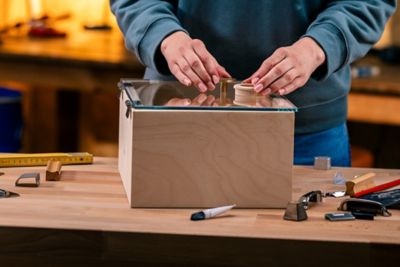
Place the glass inside the frame carefully. Add small wooden strips called glazing beads. These press the glass against the frame from the front. Secure the beads with tiny nails or pins. This method holds the glass without glue.
Incorporating Rabbet Joints
Rabbet joints create a small ledge along the wood edges. This ledge fits the glass edge perfectly. Cut a groove on the inside edge of each frame piece. The groove should be deep and wide enough for the glass.
Join the frame pieces using nails or screws. Place the glass into the rabbet groove gently. The glass rests inside the frame securely. Use wooden strips or flexible seals to hold the glass tight. Rabbet joints add strength and improve the frame look.
Using Silicone And Sealants Without Glue
Attaching glass to wood without glue is easy with silicone and sealants. These materials create a strong hold without harsh chemicals. They allow some movement, which stops cracks and breaks. Silicone and sealants also protect against water and air leaks. Using them is a smart choice for many projects.
Applying Silicone For Flexible Bonding
Start by cleaning the glass and wood surfaces. Make sure both are dry and free of dust. Cut the silicone tube tip at a 45-degree angle. Apply a thin, even bead of silicone along the edge of the wood. Press the glass gently into place. Hold it steady until the silicone sets. This usually takes a few minutes. Let the silicone cure fully for at least 24 hours. This creates a flexible, strong bond that lasts.
Advantages Of Sealants Over Glue
Sealants do not harden completely like glue. This means they absorb shocks better. They also resist moisture and temperature changes well. Sealants prevent gaps where water can get in. They work on uneven or rough surfaces too. Sealants are easy to remove or replace if needed. Plus, they don’t damage delicate glass or wood. This makes them perfect for many DIY and repair tasks.
Tension And Compression Fittings
Tension and compression fittings hold glass securely to wood without glue. These fittings use pressure to keep glass stable. They protect the glass from damage and allow easy removal if needed. This method works well for frames, doors, and shelves. Proper installation ensures a strong and neat finish. Below are two common techniques using tension and compression.
Using Rubber Gaskets And Spacers
Rubber gaskets act as cushions between glass and wood. They prevent direct contact that can cause cracks. Spacers keep the glass in place and distribute pressure evenly. Install gaskets along the wood edges where glass sits. Place spacers at corners or sides to maintain gap and stability. This setup reduces stress on glass during movement or pressure. It also absorbs vibrations, protecting the glass over time. Rubber gaskets come in different thicknesses for a perfect fit. Choose soft but firm gaskets to hold glass tightly.
Installing Glass With Tension Rods
Tension rods apply pressure to hold glass firmly. These rods stretch between two points on the wood frame. Tighten rods to compress glass gently without breaking it. This method works well for frameless glass panels or glass shelves. Use metal or nylon rods for durability and strength. Attach rods with brackets or eyelets fixed to the wood. Adjust tension as needed to keep glass secure and stable. Tension rods allow easy removal and replacement of glass panels. They provide a clean look without visible glue marks.

Credit: diy.stackexchange.com
Innovative Non-adhesive Methods
Attaching glass to wood without glue is possible with some clever methods. These non-adhesive techniques keep your materials safe and reusable. They also avoid mess and drying time. Explore two innovative ways to secure glass panels firmly.
Magnetic Mounts For Glass Panels
Magnetic mounts use strong magnets to hold glass on wood. Small magnets attach under the wood surface. Metal discs stick to the glass edges. The magnets pull the glass close, keeping it stable.
This method works well for removable panels. It lets you take off the glass easily. No damage to either material happens. Magnetic mounts also add a modern look to your project.
Utilizing Vacuum Suction Techniques
Vacuum suction creates a tight hold between glass and wood. Suction cups or pads stick to the glass surface. They attach firmly to the wood without any glue.
This approach is great for smooth, flat surfaces. The vacuum grip holds the glass in place securely. Removing the glass is simple and clean. It avoids any marks or residue on wood or glass.
Tools And Safety Tips
Attaching glass to wood without glue needs the right tools and safety measures. Using proper equipment helps secure the glass firmly. Safety is key to avoid injuries during the process.
Essential Tools For Assembly
Clamps hold the glass and wood tightly together. Rubber or silicone pads protect the glass from scratches. A drill with a glass drill bit helps create holes for fasteners.
Screws or bolts secure the glass to the wood frame. A measuring tape ensures accurate placement of the glass. A screwdriver or wrench tightens the fasteners properly.
Protective Measures When Handling Glass
Wear safety gloves to protect your hands from sharp edges. Safety goggles shield your eyes from glass shards or dust. Work on a soft surface to avoid glass breaking.
Handle the glass with care, holding it firmly but gently. Keep your workspace clean and free of clutter. Dispose of broken glass safely to prevent accidents.
Credit: www.loctite-consumer.com.au
Frequently Asked Questions
How Can I Attach Glass To Wood Without Using Glue?
Use mechanical fasteners like screws or brackets to join glass and wood. Make sure to protect glass edges with rubber or plastic pads for safety.
What Tools Are Needed To Fix Glass On Wood Without Glue?
You need screws, brackets, a drill, and protective pads. Measuring tools and clamps help keep glass steady during attachment.
Is It Safe To Use Screws Directly On Glass Edges?
No, screws can crack glass if placed on edges. Use clamps or frames that hold glass securely without direct pressure on edges.
Can I Use Silicone Or Rubber Strips Instead Of Glue?
Yes, silicone or rubber strips cushion the glass and hold it firmly. They prevent slipping and absorb shocks better than glue.
What Are Common Methods To Secure Glass On Wood Frames?
Common methods include using metal clips, rubber gaskets, or wooden stops. These hold glass in place without needing any glue.
Conclusion
Attaching glass to wood without glue is easier than it seems. Use screws, brackets, or clips to hold the glass firmly. These methods keep your project strong and neat. They also allow easy removal if needed. Always measure carefully and work slowly for the best fit.
This way, you get a clean look and solid hold. Try these tips for your next project and enjoy the results!