
If you have a sliding barn door, you know how stylish and space-saving it can be. But what if you want to add some privacy or security?
Putting a lock on your sliding barn door might seem tricky, but it doesn’t have to be. In this guide, you’ll discover simple, effective ways to secure your door without ruining its charm. Whether you want to protect a private room or keep kids out of certain areas, you’ll find easy steps you can follow right now.
Keep reading to learn how to make your sliding barn door both beautiful and secure.
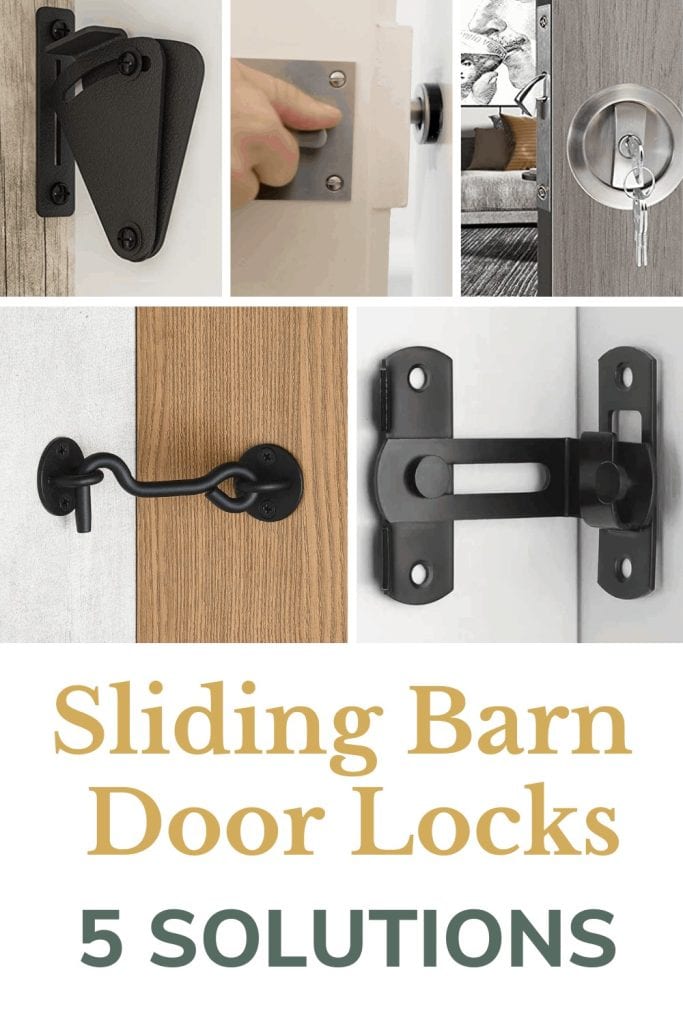
Types Of Locks For Sliding Barn Doors
Sliding barn doors need secure locks to keep rooms private and safe. Choosing the right lock depends on your door style and security needs. Each lock type offers different benefits and installation methods. Here are the main types of locks for sliding barn doors.
Surface-mounted Locks
Surface-mounted locks attach directly to the door’s surface. They are easy to install without cutting into the door. These locks work well for light security needs. Many surface-mounted locks use a latch or hook mechanism. They are visible and can add a rustic look to the door.
Mortise Locks
Mortise locks fit inside the door itself. Installation requires cutting a pocket into the door edge. These locks offer stronger security than surface-mounted types. Mortise locks often include a key or thumb turn for locking. They provide a clean, built-in appearance on barn doors.
Barrel Bolt Locks
Barrel bolt locks slide a metal bolt into a catch on the door frame. They are simple and affordable to install. This type works well for interior barn doors needing basic privacy. Barrel bolts come in different sizes and finishes. They are easy to use and reliable for casual security.
Keyed Locks
Keyed locks add a higher level of security with a key mechanism. They can be surface-mounted or mortise style. Keyed locks prevent unauthorized access to rooms or storage areas. These locks are ideal for barn doors in homes or offices. Make sure to choose a lock with a good quality cylinder for durability.

Credit: www.youtube.com
Tools And Materials Needed
Installing a lock on a sliding barn door requires some basic tools and materials. Having everything ready before starting makes the process easier. It also ensures the lock fits and works well. Gather the right items to avoid delays and mistakes.
Basic Tools
You need a drill to make holes for screws and lock parts. A screwdriver will help tighten screws securely. A measuring tape ensures accurate placement of the lock. A pencil is useful to mark spots for drilling. A level keeps the lock straight and aligned. A wrench may be needed for bolts or nuts.
Lock Components
The lock kit usually includes a latch or bolt that slides into place. It also has a strike plate that attaches to the door frame. Screws come with the kit to secure all parts. Some locks include a key or thumb turn for locking and unlocking. Check the kit to confirm all necessary pieces are present.
Safety Gear
Wear safety glasses to protect your eyes from dust and debris. Gloves can protect your hands during drilling and handling metal parts. Use ear protection if the drill is loud. Keep a first aid kit nearby in case of minor injuries. Safety helps prevent accidents during installation.
Preparing The Door And Frame
Preparing the door and frame is the first step to install a lock on a sliding barn door. It ensures the lock fits well and works smoothly. This stage helps avoid mistakes later in the process.
Proper preparation makes the installation easier and safer. It also protects the door and frame from damage. Follow each step carefully for the best results.
Measuring And Marking
Measure the height and width of the door carefully. Note the exact spot where the lock will go. Use a pencil to mark these points clearly. Accurate marks guide where to drill or attach parts.
Check measurements twice to prevent errors. Mark both the door and the frame if the lock needs parts on both sides. Use a ruler or tape measure for precision.
Cleaning The Surface
Clean the door and frame surface around the marked area. Remove dust, dirt, and grease with a cloth and mild cleaner. A clean surface helps the lock stick or screw in well.
Wait for the surface to dry completely before moving on. Dirt or moisture can weaken the lock’s hold or cause rust.
Checking Door Alignment
Slide the door back and forth to check its movement. Make sure it runs smoothly and fits well in the frame. A misaligned door can cause the lock to jam or fail.
Fix any alignment problems before installing the lock. Adjust rollers or guides for proper fit. This step saves time and avoids damage later.
Credit: www.makingmanzanita.com
Installing Surface-mounted Locks
Installing surface-mounted locks on sliding barn doors is a simple way to add security. These locks sit on the door’s surface, making installation easier. They work well for both wood and metal doors. This method requires basic tools and little time.
Surface-mounted locks keep the barn door secure without changing its look much. They provide a strong hold and are easy to use. Follow the steps below to install one correctly and safely.
Positioning The Lock
Choose a spot on the door that is easy to reach. Usually, the lock goes near the edge where the door closes. Make sure the lock and the strike plate line up well. The strike plate attaches to the door frame or wall. Test the position by closing the door and marking where the lock hits.
Drilling Pilot Holes
Use a drill bit smaller than the screws to make pilot holes. Pilot holes guide the screws and stop the wood from splitting. Drill holes in the marked spots on the door and frame. Keep the drill steady and straight for best results. Check the hole size matches the screws you have.
Securing The Lock
Place the lock on the door and hold it steady. Insert screws into the pilot holes and tighten them with a screwdriver. Do not overtighten to avoid damaging the door. Attach the strike plate to the frame with screws too. Test the lock by closing and locking the door. Make adjustments if the lock does not fit perfectly.
Fitting Mortise Locks
Fitting a mortise lock on a sliding barn door increases security and keeps the door stable. Mortise locks fit inside the door, making them strong and hidden. This guide shows the three main steps to fit a mortise lock properly.
Cutting The Mortise
First, mark the spot for the lock on the door edge. Use the lock body as a template to trace the shape. Cut a rectangular hole with a chisel or router. Make sure the hole is deep enough for the lock body. Take your time to keep the edges clean and straight. A neat mortise ensures the lock fits well and works smoothly.
Installing The Lock Body
Slide the lock body into the mortise hole. It should fit snugly without forcing it. Use screws to secure the lock body to the door. Check that the lock’s latch moves freely. Adjust if needed to avoid sticking. Proper installation helps the lock last longer and keeps the door secure.
Attaching The Handle Or Thumb Latch
Choose a handle or thumb latch that matches the lock. Align it with the lock’s spindle or bolt. Attach the handle with screws through pre-drilled holes. Test the handle to ensure it turns or lifts the latch easily. A smooth handle improves the door’s usability and safety.
Adding Barrel Bolt Locks
Adding a barrel bolt lock is a simple way to secure a sliding barn door. This type of lock is easy to install and offers good safety. It slides into place to block the door from moving. Barrel bolt locks come in various sizes and finishes to match your door style. Follow these steps to add one to your sliding barn door.
Choosing The Right Spot
Pick a spot on the door where the lock will hold it firmly. Usually, the edge near the floor or top works best. Make sure the spot is easy to reach but not in the way. The door frame or wall should be solid enough to hold the lock. Avoid placing the lock where the door slides over the track.
Mounting The Bolt
Hold the barrel bolt in the chosen spot. Mark where the screws will go using a pencil. Drill small pilot holes to prevent wood from splitting. Screw the bolt onto the door or wall with a screwdriver. Attach the catch plate on the frame so the bolt slides into it smoothly.
Testing The Lock
Slide the bolt into the catch plate to lock the door. Make sure the bolt moves easily and fits well. Open and close the door to check the lock does not block sliding. Adjust the bolt or catch plate if needed for smooth operation. Your sliding barn door is now safer with the barrel bolt lock.
Using Keyed Locks For Extra Security
Using keyed locks adds strong security to sliding barn doors. These locks need a key to open, which helps stop unwanted access. They work well for doors that need extra protection, like storage rooms or private spaces.
Keyed locks come in many types and sizes. Choosing the right one keeps your barn door safe and easy to use. Installing the lock correctly also matters for good security. Regular care keeps the lock working well for years.
Selecting A Keyed Lock
Pick a lock made for sliding barn doors. Look for durable materials like steel or brass. Choose a lock with a simple design that fits your door’s style. Check the lock’s size to match your door thickness. Select a lock with a good key system to avoid easy copying.
Installing The Lock Cylinder
Mark the spot on the door for the lock cylinder. Use a drill to make a hole for the cylinder. Insert the cylinder carefully, making sure it fits snugly. Secure it with screws or bolts from the inside. Test the lock with the key to ensure smooth turning.
Maintaining The Lock
Keep the lock clean and free from dust. Use a dry cloth to wipe the keyhole regularly. Apply graphite powder or silicone spray for smooth key movement. Avoid oil-based lubricants that attract dirt. Check the lock’s screws and tighten if needed.
Enhancing Security With Additional Measures
Sliding barn doors offer style and function but can lack strong security. Adding extra security measures helps keep your space safe. These simple steps make it harder for intruders to open the door.
Extra security also gives peace of mind. You can protect your home or storage without changing the door’s look. Here are three easy ways to boost security on sliding barn doors.
Installing Door Stops
Door stops prevent the door from sliding too far. They block the door from being removed from the track. Metal or rubber stops fit at the track ends. These stops make it tough to lift the door off the rail. Installing them is quick and adds strong protection.
Using Security Bars
Security bars add a physical barrier inside your door. Place a bar in the door track to block movement. The bar stops the door from sliding open. It works well for both home and commercial spaces. Security bars are affordable and easy to use. They offer a clear sign the door is secured.
Adding Alarm Sensors
Alarm sensors alert you when the door moves. Attach magnetic sensors to the door and frame. When the door opens, the alarm sounds or sends a notification. Sensors add an extra layer of security. They scare off intruders and keep you informed. Alarm systems are simple to install and use batteries.
Common Installation Mistakes To Avoid
Installing a lock on a sliding barn door can be tricky. Many people make simple mistakes that cause problems later. Avoiding these common errors will help your lock work well and last longer. Pay close attention to the fit and mounting. Check the door’s movement before finalizing the lock position. These steps will save time and frustration.
Misaligned Locks
Locks must line up perfectly with the catch or strike plate. A misaligned lock won’t secure the door properly. Small shifts in placement can make the lock hard to use. Measure twice before drilling holes. Test the lock several times to ensure smooth operation.
Weak Mounting Points
Lock hardware needs strong support. Installing on thin or damaged wood can cause the lock to loosen. Use solid wood or reinforce the mounting area. Screws should be long enough to hold tight. Weak mounting may cause the lock to fail under pressure.
Ignoring Door Movement
Sliding barn doors move side to side and may shift over time. Locks must allow for this movement. If the lock is too tight or rigid, it can break or jam. Leave small gaps for smooth sliding. Check the door’s path before securing the lock permanently.
Maintenance Tips For Sliding Barn Door Locks
Maintaining your sliding barn door lock keeps it working well and secure. Regular care stops problems before they start. Follow simple steps to extend the lock’s life and improve safety.
Lubricating Moving Parts
Apply a small amount of lubricant to the lock’s moving parts. This reduces friction and prevents rust. Use a silicone-based spray for smooth action. Avoid oil that can attract dust and dirt. Lubricate twice a year or more if the door sticks.
Tightening Loose Screws
Check all screws on the lock regularly. Tighten any that feel loose. Loose screws can cause the lock to fail or fall off. Use a screwdriver that fits well to avoid stripping screws. This simple step keeps the lock steady and reliable.
Regular Security Checks
Test the lock often to ensure it secures the door properly. Look for signs of wear or damage. Replace parts that seem weak or broken. Regular checks help catch problems early. Keep your sliding barn door safe and strong with routine inspections.

Credit: www.thehandmadehome.net
Frequently Asked Questions
What Types Of Locks Work Best On Sliding Barn Doors?
Sliding barn doors work well with latch locks, hook locks, or barrel bolts. Choose a lock that fits the door’s style and track system. Make sure it’s easy to install and secure.
How Do You Install A Lock On A Sliding Barn Door?
Measure the door and mark where the lock will go. Attach the lock using screws or mounting hardware included. Test the lock to ensure it slides and locks smoothly.
Can You Add A Lock Without Damaging The Barn Door?
Yes, many locks attach to the door surface or track without drilling deep holes. Use adhesive or surface-mounted locks to avoid damage. This keeps the door intact and functional.
Are Sliding Barn Door Locks Secure For Home Use?
Sliding barn door locks provide basic security and privacy. For high security, use stronger locks or add a secondary lock. Locks help keep doors closed but may not stop forced entry.
What Tools Do I Need To Put A Lock On A Barn Door?
Basic tools like a drill, screwdriver, measuring tape, and pencil are needed. Some locks come with installation guides and specific tools. Prepare these before starting to make the process easier.
Conclusion
Adding a lock to your sliding barn door keeps your space safe and private. Choose a lock type that fits your door and needs. Measure and install the lock carefully for best results. Regularly check the lock to ensure it works well.
A secure sliding barn door adds comfort to any room. Try these simple steps for an easy, effective lock. Your door can be both stylish and secure.