
Have you ever looked up at the night sky and noticed those tiny blinking lights on airplanes? You might have wondered what they mean or why they blink in specific patterns.
Understanding aircraft blinking lights isn’t just for aviation experts—it’s something that can help you feel safer and more informed whenever you see a plane flying overhead. You’ll discover the hidden purpose behind those flashing signals, how they keep pilots and passengers safe, and what each color and pattern really means.
Stick with me, and you’ll never look at an airplane’s lights the same way again.

Credit: aerosavvy.com
Purpose Of Aircraft Blinking Lights
Aircraft blinking lights serve a vital role in aviation safety. These lights make planes easier to see and help pilots and ground crews work safely. Each blinking light has a specific job that keeps flights smooth and secure. Understanding their purpose shows why they are always on during flights and ground operations.
Enhancing Visibility
Blinking lights make aircraft visible in the sky and on the ground. They help pilots spot other planes from a distance. This visibility is crucial during night flights or bad weather. Bright, flashing lights stand out against the dark sky. This reduces the chance of accidents caused by low visibility.
Preventing Midair Collisions
Planes use blinking lights to signal their position and movement. These signals help pilots avoid flying too close to each other. The lights show the aircraft’s direction and speed. Pilots use this information to keep safe distances. Preventing midair collisions saves lives and protects property.
Guiding Ground Operations
On the ground, blinking lights help guide pilots and ground crews. They show where planes are taxiing or parked. This helps avoid collisions with vehicles and people. Lights also mark important areas on the runway and taxiways. They make ground operations safer and more organized.
Types Of Blinking Lights On Aircraft
Aircraft blinking lights serve important roles during flight. They help pilots see other planes. They also warn people on the ground. Each type of blinking light has a special job. Understanding these lights improves safety in the sky.
Navigation Lights
Navigation lights show an aircraft’s position and direction. These lights have three colors: red, green, and white. Red is on the left wing tip. Green is on the right wing tip. White lights are on the tail. These lights help pilots know the plane’s heading.
Anti-collision Lights
Anti-collision lights make aircraft easier to see. They flash bright red or white. These lights are on the top and bottom of the plane. They warn other pilots of the aircraft’s presence. Pilots use these lights during takeoff, landing, and flight.
Beacon Lights
Beacon lights are red flashing lights. They are located on the aircraft’s fuselage. These lights turn on before engines start. They stay on while engines run. Beacon lights alert ground crews and other pilots to moving aircraft.
Strobe Lights
Strobe lights are very bright white flashes. They are on the wing tips or tail. These lights flash at high speed. They improve visibility in daylight and poor weather. Strobe lights help avoid collisions during busy flights.
How Blinking Lights Improve Safety
Blinking lights on aircraft play a key role in flight safety. These lights help pilots and controllers see and identify planes clearly. They reduce risks during busy skies and tough conditions. The blinking lights make flying safer for everyone.
Alerting Other Pilots
Blinking lights catch the attention of nearby pilots. They show the aircraft’s position and movement clearly. This helps pilots avoid collisions in the air. Pilots can spot other planes even in crowded areas. The lights act as a warning signal to keep distance.
Assisting Air Traffic Control
Air traffic controllers rely on blinking lights to track planes. The lights help controllers identify each aircraft on radar and visually. This improves communication and coordination between pilots and controllers. It ensures planes follow safe paths and maintain proper spacing.
Supporting Night And Low-visibility Flights
Blinking lights are crucial during night flights and bad weather. They make aircraft visible when natural light is low. Pilots can see other planes and obstacles more easily. This reduces accidents caused by poor visibility. The lights guide safe takeoffs, landings, and flying in clouds or fog.
Regulations Governing Aircraft Lights
Aircraft blinking lights follow strict rules to keep flights safe. These lights help pilots see other planes and avoid crashes. Governments and international groups set these rules to make sure all aircraft use lights correctly.
Rules cover the type, color, and placement of lights. They also explain when and how lights should flash. Pilots and maintenance teams must follow these rules carefully. This keeps everyone in the sky safe and visible.
Faa Requirements
The Federal Aviation Administration (FAA) sets rules for U.S. aircraft lights. These rules include the brightness and color of lights. Red, green, and white lights must be placed on specific parts of the plane.
FAA rules say blinking lights must be visible from a set distance. They also control when lights must be turned on during flights. These rules help pilots spot other aircraft easily at night or in bad weather.
International Standards
Global aviation groups create rules that all countries follow. The International Civil Aviation Organization (ICAO) sets these standards. They ensure all aircraft use similar lights worldwide.
ICAO rules specify light colors, positions, and flashing patterns. These standards help pilots recognize other planes no matter where they fly. This uniformity reduces confusion and improves safety.
Maintenance And Inspection Rules
Aircraft blinking lights need regular checks to work properly. Maintenance teams inspect lights for damage or wear. Faulty lights must be fixed or replaced quickly.
Inspections follow schedules set by aviation authorities. These checks ensure lights meet brightness and flashing rules. Proper maintenance helps prevent accidents caused by poor visibility.
Technological Advances In Aircraft Lighting
Aircraft lighting has evolved significantly over the years. New technologies have made lights brighter, safer, and more reliable. These advances help pilots see better and improve safety for everyone on board. The changes also reduce power use and maintenance needs. Here are some key technological advances in aircraft blinking lights.
Led Lighting Systems
LED lights are now common in aircraft. They use less power than older bulbs. LEDs last much longer and need fewer replacements. These lights provide brighter and clearer signals. Pilots and ground crews can see aircraft more easily at night or in bad weather.
Smart Lighting Integration
Modern aircraft use smart lighting systems. These systems adjust light intensity automatically. Lights can change based on the plane’s speed and altitude. Some systems connect with the aircraft’s sensors and controls. This helps improve visibility and save energy. Smart lights also reduce pilot distraction.
Energy Efficiency Improvements
New lighting technologies reduce energy use on planes. Efficient lights lower the load on aircraft power systems. This helps save fuel and reduces emissions. Energy-saving lights also cut costs for airlines. Better efficiency means safer and greener flights for everyone.

Credit: www.youtube.com
Common Misconceptions About Blinking Lights
Blinking lights on aircraft often cause confusion. Many people think they mean emergencies or other special situations. These ideas are not true. Understanding the real purpose of blinking lights helps clear up these myths. Here are some common misconceptions about aircraft blinking lights.
Blinking Means Emergency
Many believe blinking lights signal a problem. Actually, blinking lights are standard. They help make the aircraft visible to others. The lights do not indicate an emergency. Pilots use them all the time during regular flights.
Lights Only For Night Flights
Some think blinking lights work only at night. In truth, they are on during the day too. The lights improve visibility in all weather. Even in fog or rain, blinking lights help other pilots see the plane.
Lights Distract Pilots
People sometimes say blinking lights distract pilots. Pilots rely on these lights for safety. The lights help pilots know the plane’s position. They do not cause distraction. Instead, they prevent accidents by improving awareness.
Future Trends In Aircraft Lighting Safety
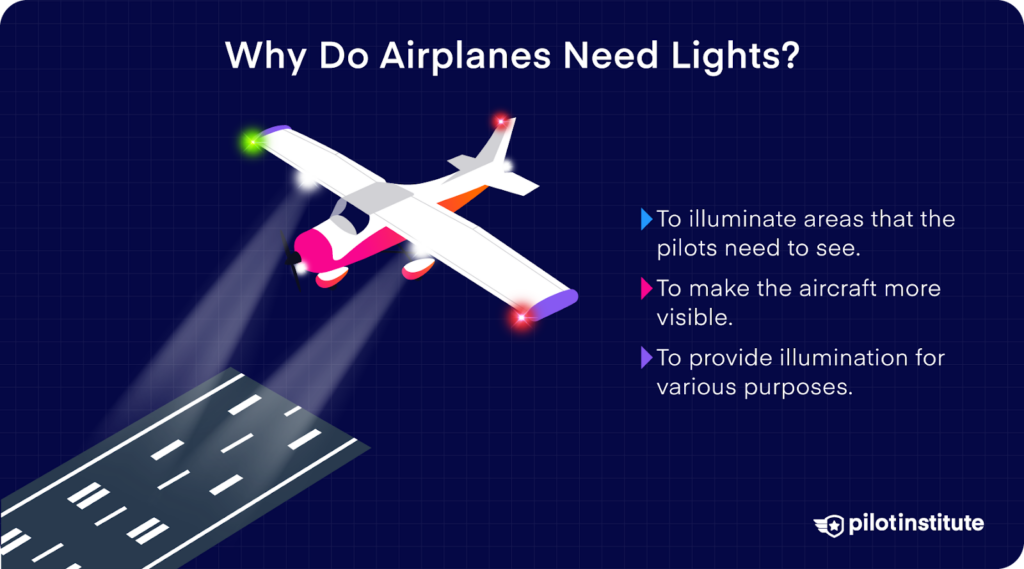
Aircraft lighting safety is evolving quickly. New technologies aim to make flying safer and easier for pilots. Bright, clear lights help pilots see and avoid danger. Future trends focus on smarter, more flexible lighting systems.
These advancements improve visibility and reduce pilot workload. They also help planes communicate better with each other. The future of aircraft blinking lights looks promising.
Adaptive Lighting Systems
Adaptive lighting systems change brightness and color based on conditions. They respond to weather, time of day, and flight status. This helps pilots see better in fog, rain, or darkness. The system adjusts automatically, reducing pilot stress. It improves safety by making lights more visible to others.
Integration With Autonomous Flight
Autonomous flight is becoming more common in aviation. Aircraft lighting will work with autopilot and sensors. Lights will signal the plane’s actions and status clearly. This helps other aircraft and ground control understand intentions. Integration ensures smoother communication and fewer accidents.
Enhanced Pilot Assistance
New lighting systems support pilots with real-time information. Lights can highlight important flight paths or hazards. They can also guide landings and takeoffs in low visibility. This assistance lowers pilot errors and improves decision-making. It makes flying safer, especially in tough conditions.
Credit: pilotinstitute.com
Frequently Asked Questions
What Do Aircraft Blinking Lights Indicate During Flight?
Aircraft blinking lights show the plane’s position and movement. They help pilots and controllers avoid collisions in the sky.
Why Do Planes Have Red And Green Blinking Lights?
Red lights are on the left wingtip, green on the right. This helps others know the plane’s direction at night.
How Do Blinking Lights Improve Aircraft Safety?
Blinking lights make planes visible in dark or bad weather. This visibility reduces the chance of crashes.
What Is The Purpose Of The White Blinking Light On Aircraft?
The white light is usually on the tail or wings. It helps pilots spot planes flying ahead or behind.
When Do Pilots Turn On Aircraft Blinking Lights?
Pilots switch on blinking lights before taxiing and during flight. This signals the plane’s presence to others on the ground and in the air.
Conclusion
Aircraft blinking lights help keep the skies safe and clear. They show where planes are and warn other pilots nearby. These lights work day and night, guiding flights in all weather. Pilots and air traffic controllers rely on them every second.
Understanding these lights makes flying feel less mysterious and more secure. Next time you see a plane blinking in the sky, you’ll know why it shines that way. Safety in the air depends on these simple, bright signals.