
Have you noticed your VSC off light blinking on your dashboard and wondered what it means? That little warning can feel confusing and even a bit alarming.
But don’t worry—you’re not alone, and understanding why this light is flashing can save you time, money, and stress. You’ll discover exactly what causes the VSC off light to blink, what it means for your vehicle’s safety, and the simple steps you can take to fix the issue.
Keep reading to take control of your car’s health and drive with confidence again.
What The Vsc Off Light Means
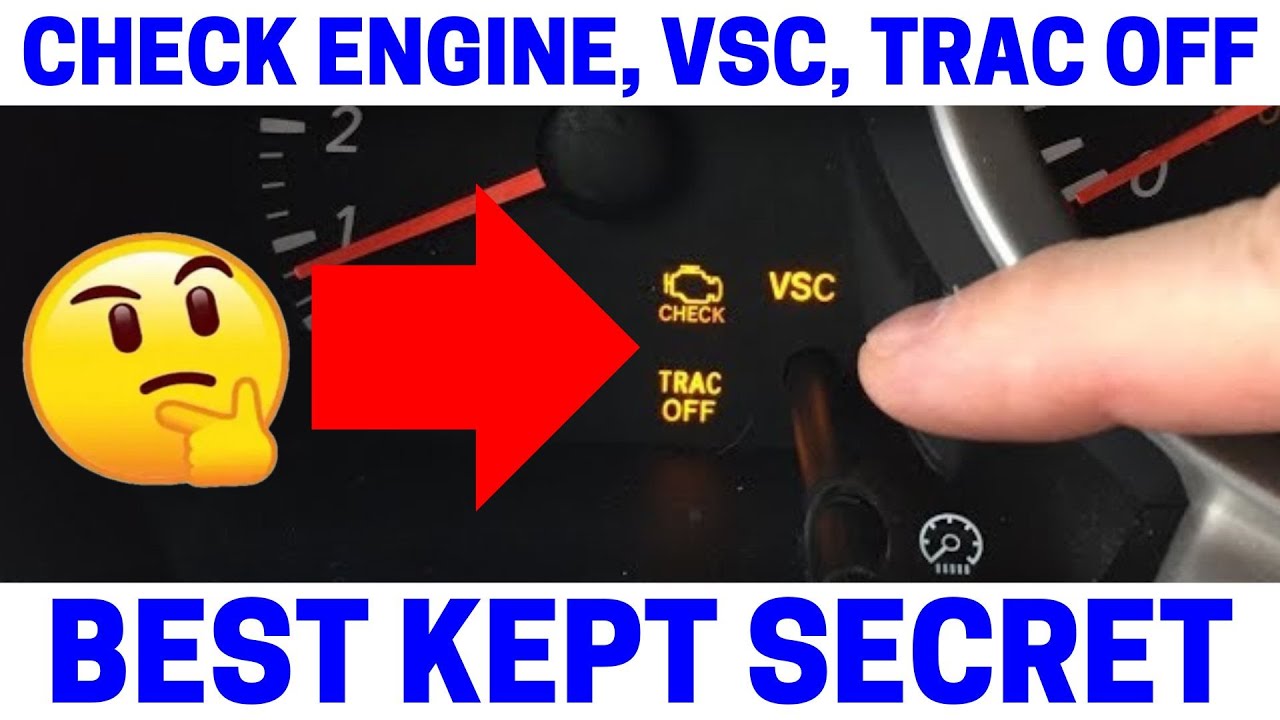
The VSC Off light on your dashboard signals an issue with your car’s stability system. This light appears when the Vehicle Stability Control (VSC) system is turned off or not working properly. Understanding what this light means helps you stay safe on the road. It also guides you on when to check your vehicle.
Role Of The Vehicle Stability Control System
The Vehicle Stability Control system helps keep your car steady. It stops the car from skidding during sharp turns or slippery roads. The system uses sensors to detect loss of traction. Then, it applies brakes to specific wheels to keep control. VSC also reduces engine power if needed to prevent slipping. This system makes driving safer in tough conditions.
Why The Light Starts Blinking
The VSC Off light blinks when the system detects a problem. It may blink if the system turns off automatically. This can happen if there is a fault in the sensors or wiring. Sometimes the light blinks during certain driving conditions, like deep snow or mud. The blinking warns you the system is not active. It means your car might be harder to control in slippery spots.

Credit: www.wikihow.com
Common Causes Of Vsc Off Light Blinking
The VSC Off light blinking on your dashboard signals a problem with your vehicle’s stability control system. This light warns drivers that the Vehicle Stability Control (VSC) is not working properly. Understanding the common causes helps you know what might be wrong and what to check first. Here are some frequent reasons why the VSC Off light blinks.
Faulty Wheel Speed Sensors
Wheel speed sensors monitor how fast each wheel spins. They send data to the VSC system to keep your car stable. If one sensor fails or gets dirty, it sends wrong information. The VSC system then turns off and triggers the warning light. Damaged or worn sensors are common causes of this problem.
Issues With The Brake System
The brake system plays a key role in VSC operation. Problems like worn brake pads, low brake fluid, or stuck calipers affect the system’s function. The VSC may detect these faults and switch off to prevent further damage. Brake system issues often cause the VSC Off light to blink or stay on.
Problems In The Traction Control System
Traction control works closely with VSC to improve grip on slippery roads. Malfunctions in the traction control system affect the VSC’s performance. Faulty components or software errors can trigger the VSC Off light. This alerts drivers to reduced traction and stability control functions.
Electrical And Sensor Malfunctions
Electrical problems like blown fuses, bad wiring, or sensor failures disrupt the VSC system. Sensors monitor various vehicle conditions and send signals to the control unit. If these sensors fail or lose power, the VSC may shut down. Electrical malfunctions cause the warning light to blink or stay lit.
Diagnosing The Problem
Diagnosing the VSC Off light blinking is the first step to fix the issue. This light signals a problem with the vehicle’s stability control system. Understanding the cause helps avoid bigger problems and keeps driving safe. There are simple ways to check what triggers the light.
Using An Obd-ii Scanner
An OBD-II scanner connects to your car’s computer. It reads data and detects faults causing the VSC light. This tool is easy to use and shows specific problems quickly. Many auto shops offer this service if you do not have a scanner.
Checking For Error Codes
The scanner displays error codes stored in the car’s system. Each code points to a certain problem area. These codes help narrow down the cause of the blinking light. Writing down the codes allows for further research or sharing with a mechanic.
Visual And Physical Inspections
After reading codes, check the car parts linked to stability control. Inspect the tires for wear or damage. Look under the hood for loose or broken wires. Check sensors, especially wheel speed sensors, for dirt or damage. These simple checks catch common issues fast.
Diy Fixes For Vsc Off Light
The VSC Off light blinking can worry any driver. It shows a problem with your car’s Vehicle Stability Control system. Fixing this light often does not need a mechanic. You can try simple DIY steps to solve the issue. These steps save time and money.
Start with easy checks. Some fixes only take a few minutes. Others may need a bit more care. Follow these tips carefully to help your VSC system work well again.
Resetting The System
Turn your car off and wait for a few minutes. This lets the system reset itself. Restart the engine and watch the VSC light. Sometimes, this reset clears minor errors. If the light stops blinking, the problem might be temporary.
Use an OBD2 scanner if you have one. Connect it to your car’s port. Clear any stored trouble codes related to the VSC. This can turn off the warning light. It also helps check if the problem returns.
Cleaning Wheel Speed Sensors
Wheel speed sensors send data to the VSC system. Dirt or debris can block these sensors. Locate the sensors near each wheel. Use a soft brush or cloth to clean them gently. Avoid harsh chemicals that may damage sensors.
After cleaning, drive your car slowly. See if the VSC light stays off. Clean sensors improve signal accuracy. This simple step fixes many VSC issues caused by sensor dirt.
Inspecting And Replacing Fuses
The VSC system uses fuses to protect its circuits. A blown fuse can cause the VSC light to blink. Find your car’s fuse box, usually under the dashboard or hood. Check the fuse chart for the VSC fuse location.
Remove the fuse and look for a broken wire inside. Replace any blown fuses with the same type and rating. After replacement, start your car. The VSC light should stop blinking if the fuse was the issue.
Battery And Electrical System Checks
A weak battery or poor electrical connections may trigger the VSC light. Check the battery terminals for corrosion or loose wires. Clean any corrosion with a wire brush. Tighten all connections securely.
Use a voltmeter to check the battery voltage. It should be around 12.6 volts when the engine is off. Test again with the engine running; it should read 13.7 to 14.7 volts. Low voltage may affect the VSC system’s function.
When To Seek Professional Help
The VSC Off light blinking can signal a serious issue with your vehicle’s stability control system. Some problems need a professional mechanic’s skills and tools. Knowing when to get expert help can save time and avoid further damage.
Complex Sensor And Module Repairs
VSC systems rely on sensors and control modules. These parts work together to keep your car stable. If a sensor or module fails, the VSC Off light may blink. Repairing or replacing these parts requires special knowledge. A trained technician can handle these repairs safely.
Brake System Overhauls
The brake system connects closely with the VSC. Problems in the brakes can cause the VSC Off light to flash. Fixing brake issues often means a full system check. Professional mechanics have the tools to inspect and fix brake parts properly.
Advanced Diagnostic Procedures
Simple problems can cause the VSC Off light to blink. But some issues hide deep in the system. Advanced diagnostics help find these hidden faults. Professionals use computer tools to read error codes. This step ensures the correct repair and stops the light from blinking again.
Preventing Future Vsc Off Light Issues
Preventing future VSC Off light issues keeps your driving safe and smooth. The VSC Off light often signals trouble with the vehicle stability control system. Taking steps to avoid these problems helps maintain control on the road.
Simple habits can reduce the chance of the VSC Off light blinking unexpectedly. Regular care and checks make a big difference.
Regular Vehicle Maintenance
Routine maintenance keeps your car in top shape. Change the oil, check fluids, and inspect key parts. Clean sensors and brake components prevent false warnings. Well-maintained vehicles have fewer electronic glitches.
Timely Brake And Tire Inspections
Brake and tire health directly affect the VSC system. Worn brake pads or uneven tires cause the light to blink. Check brakes and tires often. Replace parts as soon as wear appears. Proper grip and braking help the stability control work correctly.
Keeping Software Updated
Modern cars rely on software for stability control. Manufacturers release updates to fix bugs and improve performance. Visit your dealer or service center for updates. Updated software reduces errors and false alerts. Staying current helps your car’s systems run smoothly.
Expert Tips For Vehicle Stability
Maintaining vehicle stability is crucial for safe driving. Understanding how to keep your car steady helps prevent accidents. It is important to learn simple tips that improve control on the road. These expert tips focus on safe driving, slippery road handling, and using stability control features well.
Safe Driving Practices
Drive at speeds suitable for road conditions. Avoid sudden stops or sharp turns. Keep a safe distance from other vehicles. Check tires and brakes regularly to ensure good performance. Stay alert and avoid distractions while driving. Consistent, smooth driving helps maintain stability and control.
Handling Slippery Roads
Slow down on wet or icy roads. Avoid hard braking and sudden acceleration. Use gentle steering movements to prevent skidding. Increase the distance between you and the car ahead. If you start to slide, steer in the direction of the skid. These steps reduce the risk of losing control.
Using Stability Control Features Effectively
Know your vehicle’s stability control system and how it works. Keep the system turned on at all times. It helps correct wheel slip and improves traction. Trust the system to assist during difficult conditions. Do not rely solely on it; combine with safe driving habits. This technology supports better vehicle stability on the road.

Credit: www.reddit.com
Credit: www.youtube.com
Frequently Asked Questions
What Does The Vsc Off Light Blinking Mean?
The blinking VSC off light shows the Vehicle Stability Control system is off. It may indicate a problem with the system or that it is manually turned off.
Why Is My Vsc Off Light Blinking While Driving?
The light blinks when the VSC system detects a fault or is disabled. It warns you that traction control may not work properly.
Can I Drive Safely With The Vsc Off Light Blinking?
You can drive, but be careful on slippery roads. The VSC helps keep your car stable during turns and sudden moves.
How Do I Fix A Blinking Vsc Off Light?
Check if the VSC button is pressed to turn it off. If not, a mechanic should inspect the system for faults or sensor issues.
Does The Vsc Off Light Blinking Affect Other Car Systems?
Yes, it may affect traction control and ABS functions. These systems work together to keep your car safe on the road.
Conclusion
The VSC off light blinking can signal an issue with your vehicle’s traction system. Pay attention to this warning and address it soon. Regular checks help keep your car safe and running well. Don’t ignore blinking lights; they guide you to fix problems early.
Simple steps can prevent bigger repairs later. Stay aware and keep your vehicle in good shape. This keeps your driving smooth and secure every time.