
Do you want to give your plain door a stunning wood-like finish without spending a fortune on real wood? Painting a door to look like wood is easier than you think, and it can completely transform the look of your space.
Imagine the rich, warm tones and natural grain patterns of wood right on your door—adding charm and style instantly. In this guide, you’ll discover simple steps and expert tips to create a realistic wood effect that will impress everyone who sees it.
Ready to unlock the secret to a beautiful, budget-friendly upgrade? Let’s get started!

Credit: www.youtube.com
Materials And Tools Needed
Painting a door to look like wood requires specific materials and tools. These help create a natural wood grain effect. Choosing the right supplies makes the process easier and the result better. Prepare well before starting your project.
Choosing The Right Paint
Select paint that mimics wood tones. Use a base coat in a warm brown or tan. Choose glaze or wood grain paint for the top layer. Water-based paints dry faster and clean up easily. Avoid thick paints that hide details.
Essential Tools For Wood Grain Effect
Gather tools that create texture and detail. A paintbrush with soft bristles works well for the base coat. Use a wood grain tool or comb to make wood patterns. A foam roller helps apply smooth layers. Have rags or sponges for adding texture.
Preparing Your Workspace
Set up a clean, well-lit area to work. Cover floors and nearby surfaces with drop cloths. Use painter’s tape to protect door edges and hardware. Ensure good ventilation for paint fumes. Keep all tools and paints within easy reach.
Preparing The Door Surface
Preparing the door surface is the first step to paint it like real wood. A smooth and clean surface helps the paint stick better. It also makes the wood effect look more natural. Take your time with this part to get the best results.
Cleaning And Sanding
Start by cleaning the door to remove dirt and grease. Use warm water and mild soap. Wipe the door with a soft cloth and let it dry. Next, sand the door lightly using fine-grit sandpaper. Sanding removes old paint and rough spots. It also creates a surface the new paint can grip.
Filling Imperfections
Check the door for holes, cracks, or dents. Use wood filler to fill these imperfections. Apply it with a putty knife and smooth it out. Let the filler dry completely. After drying, sand the filled areas until smooth. This step helps create an even surface for painting.
Priming The Door
Apply a primer to seal the surface and improve paint adhesion. Use a primer suitable for wood or metal doors. Paint evenly with a brush or roller. Allow the primer to dry fully before painting. Priming ensures the paint lasts longer and looks better.
Base Coat Application
The base coat is the first and most important step to paint a door that looks like wood. It forms the foundation for the wood grain effect. A smooth and even base coat helps the next layers stand out. Take your time with this step to ensure a natural wood look.
Selecting The Base Color
Choose a base color close to the wood type you want to imitate. Warm browns work well for oak or cherry wood. Light tan shades suit pine or maple. Pick a flat or satin finish paint. Glossy paint can make the door look fake. The base color sets the tone for the entire wood grain effect.
Applying The Base Coat Evenly
Use a high-quality brush or roller for smooth coverage. Apply the paint in thin, even layers. Avoid thick coats that drip or form bubbles. Paint along the door’s grain direction for a natural look. Check for missed spots and brush them out gently. A consistent base coat ensures the wood grain looks real.
Drying Time Tips
Allow the base coat to dry fully before adding details. Drying time varies by paint type and weather conditions. Usually, wait at least 2 to 4 hours. Avoid rushing this step to prevent smudges. Use a fan or open windows to speed up drying. Proper drying helps the wood grain layers stick well.
Creating The Wood Grain Effect
Creating the wood grain effect adds a natural and warm look to a painted door. It mimics the texture and pattern of real wood. This effect makes a plain door look stylish and elegant. It requires careful color choices and painting techniques. Using the right tools helps achieve an authentic wood appearance. Follow these steps to create realistic wood grain patterns on your door.
Choosing Wood Grain Colors
Pick colors that match the type of wood you want to imitate. Light woods like pine need beige and soft browns. Dark woods like mahogany require deep reds and rich browns. Start with a base coat in the lightest color. Use darker shades for the grain lines and knots. Test colors on a small area to see how they look together.
Techniques For Wood Grain Patterns
Begin with a smooth base coat. While the paint is still wet, drag a dry brush or comb through it. This creates streaks that look like wood grain lines. Use a fine brush to add knots and imperfections. Vary the pressure and direction to avoid repeating patterns. Layer darker colors over lighter ones for depth and texture.
Using Wood Grain Tools
Wood grain tools make the effect easier and more precise. A wood grain rocker creates natural lines with a single stroke. Drag the rocker vertically or diagonally on wet paint. Use a fine-bristle brush to add details and highlights. Other tools include combs, sponges, and rags. Clean tools between uses to avoid mixing colors.
Adding Depth And Details
Adding depth and details brings a painted door to life. It makes the door look like real wood. This step creates texture and natural patterns that catch the eye. Small touches can change a flat surface into something rich and warm.
Layering Colors For Realism
Start with a base color similar to light wood. Use a sponge or brush to add darker and lighter shades. Apply thin layers to build up natural color shifts. Let each layer dry before adding the next. This technique adds depth and stops the paint from looking flat.
Highlighting Knots And Grain
Wood knots and grain create the wood’s unique character. Use a small brush to paint darker swirls and lines for knots. Add thin, wavy lines in lighter and darker shades for grain. Blend gently to keep the look soft and natural. This detail makes the door look like real wood planks.
Correcting Mistakes
Mistakes happen, but they are easy to fix. Wait for the paint to dry before touching errors. Use a small brush with the base color to cover unwanted lines. Blend edges carefully to avoid harsh marks. Patience here keeps the wood look clean and believable.

Credit: artzyfartzycreations.com
Sealing And Finishing
Sealing and finishing your painted door is a crucial step. It protects the paint and gives the door a realistic wood look. A good finish enhances the texture and adds depth to the faux wood grain. It also helps the door resist scratches, moisture, and fading.
Selecting A Protective Finish
Choose a finish that matches your door’s use and location. For indoor doors, a water-based finish works well. It dries fast and has low odor. Outdoor doors need a stronger, weather-resistant finish. Look for finishes labeled for exterior use. Clear finishes keep the wood-like paint visible and vibrant. Satin or semi-gloss finishes give a soft shine that looks natural.
Applying Varnish Or Polyurethane
Use a clean brush or foam applicator to apply the finish. Work in thin, even coats to avoid drips and bubbles. Brush in the direction of the wood grain pattern for the best effect. Let each coat dry fully before adding the next one. Two to three coats create a solid protective layer. Lightly sand between coats with fine-grit sandpaper for smoothness.
Curing And Maintenance Tips
Allow the finish to cure completely before heavy use. This may take a few days to a week depending on the product. Keep the door clean by wiping with a soft, damp cloth. Avoid harsh chemicals that can damage the finish. Reapply a fresh coat of finish every few years to maintain protection. Regular care keeps your door looking like real wood for years.
Common Mistakes To Avoid
Painting a door to look like wood requires patience and care. Many beginners make mistakes that ruin the final look. Avoiding these common errors will save time and effort. Follow these tips to get the best results.
Overworking The Grain Effect
Too much brushing can spoil the wood grain look. Work gently and slowly to mimic natural wood patterns. Stop once the grain effect looks realistic. Overworking makes the paint look messy and uneven.
Skipping Surface Preparation
Painting without cleaning or sanding causes poor paint adhesion. Dirt and old paint layers stop the new paint from sticking well. Always clean and sand the door before painting. This step ensures a smooth, long-lasting finish.
Using Incorrect Tools
The wrong brushes or rollers ruin the wood grain effect. Use soft-bristle brushes or special wood grain tools. Rough brushes create unwanted streaks and marks. Choosing the right tools helps create natural-looking wood texture.
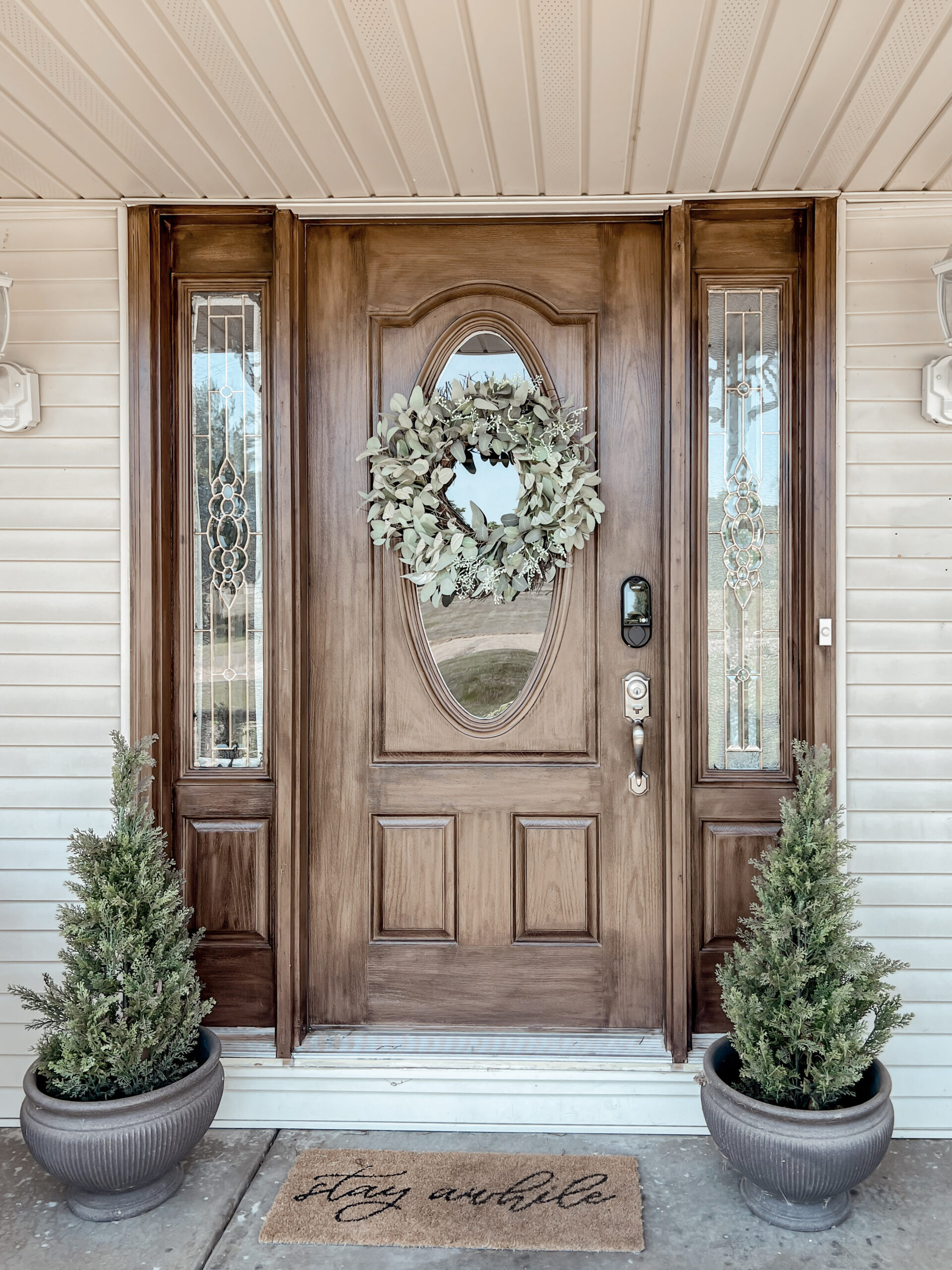
Credit: comestayawhile.com
Frequently Asked Questions
How Do I Prepare A Door Before Painting It Like Wood?
Start by cleaning the door to remove dust and dirt. Sand the surface smooth and wipe it clean. Use a primer for better paint adhesion.
What Type Of Paint Works Best For A Wood-like Finish?
Choose acrylic or latex paint for easy use and good coverage. Pick colors that mimic natural wood tones. Use a satin or semi-gloss finish for a realistic look.
How Can I Create Wood Grain Effects On A Painted Door?
Use a wood grain tool or a comb to drag through wet paint. Apply a glaze or darker paint over the base color. Work slowly for natural-looking wood patterns.
How Many Coats Of Paint Are Needed For A Wood Finish?
Apply two to three coats of base paint for full coverage. Add one or two glaze coats for the wood grain effect. Let each layer dry completely before applying the next.
How Do I Protect My Painted Door For Long-lasting Results?
Seal the paint with a clear polyurethane topcoat. Choose a water-based topcoat for easier cleaning and durability. Reapply the sealer every few years to keep the finish fresh.
Conclusion
Painting a door to look like wood takes some patience and care. Follow the steps slowly and use the right tools. You can create a warm, natural look without real wood. This project saves money and adds charm to your space.
Try different colors and techniques to find your style. Enjoy the process and the new look of your door. It’s a simple way to change your home’s feel. Keep practicing, and your skills will improve with each door you paint.