Are you looking to bring back the shine to your hardwood floors without spending a fortune? Using a floor buffer can make your floors look brand new, but only if you know the right way to handle it.
In this guide, you’ll discover simple, step-by-step tips to use a floor buffer safely and effectively on your hardwood floors. By the end, you’ll feel confident turning dull, scratched floors into smooth, gleaming surfaces that everyone will admire. Keep reading, and you’ll unlock the secrets to making your hardwood floors shine like never before.
Choosing The Right Floor Buffer
Choosing the right floor buffer is key for cleaning hardwood floors safely. The wrong machine or pad can cause damage. This section explains how to pick the best buffer for hardwood floors. It covers different types of buffers, the right pads, and the power and size to consider.
Types Of Floor Buffers
There are two main types of floor buffers: rotary and orbital. Rotary buffers spin in a circular motion. They are strong but can be harsh on hardwood floors. Orbital buffers move in a small circle and are gentler. They reduce the risk of scratches and damage. Choose an orbital buffer for delicate hardwood floors.
Selecting Pads For Hardwood
Pads come in different materials and textures. Soft pads work best on hardwood floors. Wool or microfiber pads clean without scratching. Avoid stiff or abrasive pads that can wear down the finish. Use pads designed for hardwood to keep floors shiny and safe.
Power And Size Considerations
Buffer power affects cleaning results and floor safety. Lower power buffers are safer for hardwood floors. High power can cause burns or marks. Also, consider the size of the buffer head. Smaller heads reach tight spaces easier. Larger heads cover more area but need careful handling.

Credit: www.youtube.com
Preparing Hardwood Floors
Preparing hardwood floors before using a floor buffer is essential. It helps protect the wood and ensures the best results. Taking time to prepare makes the buffing process smoother and safer.
Cleaning And Removing Debris
Start by sweeping the floor thoroughly. Remove all dust, dirt, and small particles. Use a vacuum with a soft brush attachment to clean corners and edges. This prevents scratches from debris during buffing. A clean surface allows the buffer to work evenly.
Checking For Damage
Look carefully for scratches, cracks, or loose boards. Small damage can worsen with buffing. Repair or replace damaged areas before starting. This step protects your floor and improves the final look. Buffing over damaged spots might cause more harm.
Protecting Baseboards And Furniture
Move furniture away from the floor area. Cover baseboards and walls with painter’s tape or plastic sheets. This prevents accidental damage from the buffer. Protecting these areas keeps your room clean and safe. Take time with this step to avoid costly repairs later.
Buffering Techniques
Buffering hardwood floors takes care and the right technique. Using a floor buffer can bring out the natural shine of wood. It removes dirt and smooths the surface. The right method helps avoid damage and uneven spots. Learn simple steps to get the best results safely.
Proper Handling And Movement
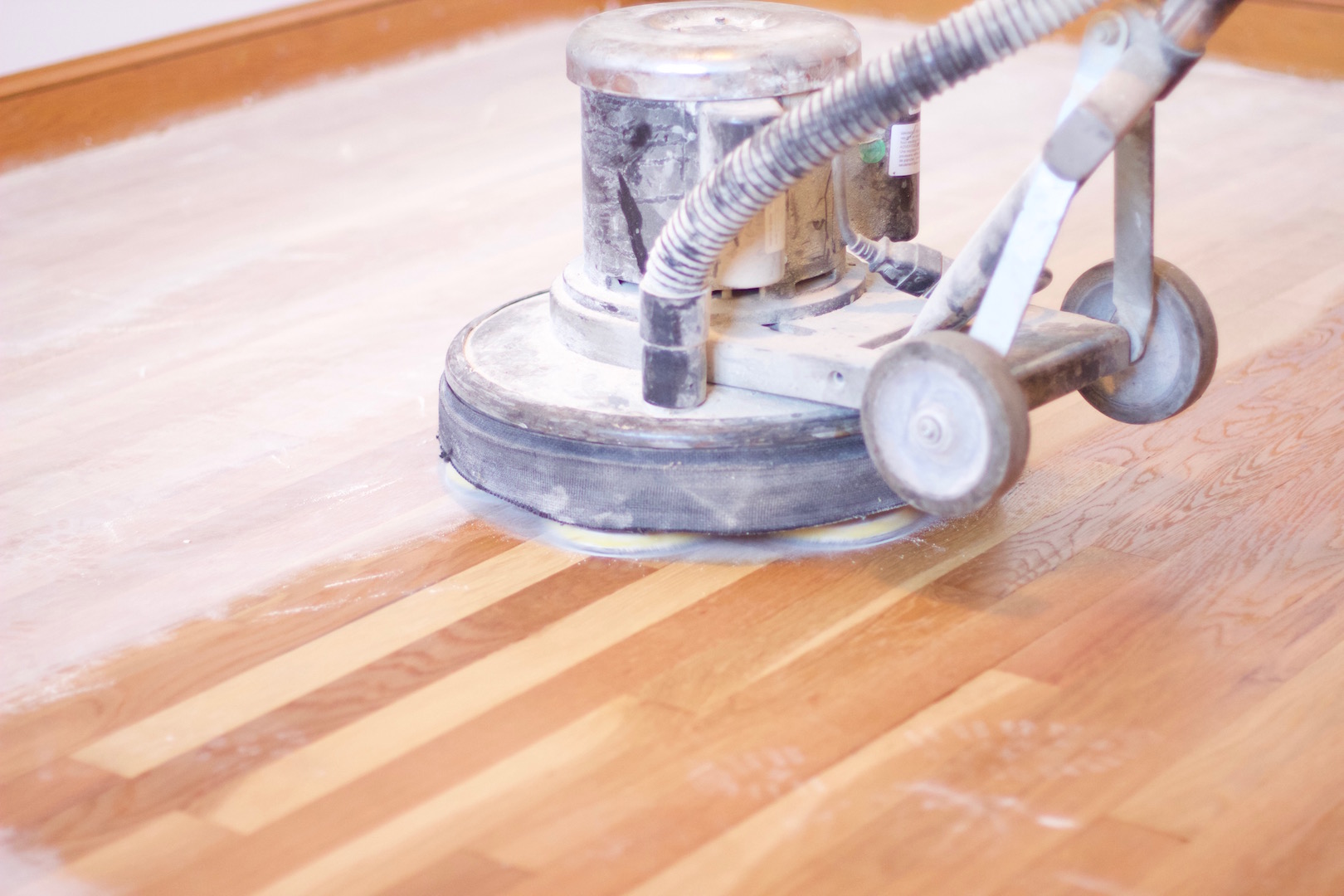
Hold the buffer with both hands for control. Keep your body relaxed but steady. Move the buffer slowly and smoothly across the floor. Use overlapping passes to cover every area. Avoid rushing or lifting the buffer too much. Let the machine do the work, not your force.
Maintaining Even Pressure
Press the buffer lightly on the floor. Too much pressure can harm the wood. Too little pressure will not clean well. Keep the weight balanced on the machine. Check often to keep the pad flat against the floor. Even pressure ensures a smooth, shiny finish.
Avoiding Common Mistakes
Do not stay too long in one spot. This can burn or dull the wood. Avoid using a dirty or worn pad. It can scratch or leave marks. Don’t use the buffer on very wet floors. This can cause damage to the wood. Always test in a small area first.
Choosing The Right Products
Choosing the right products is key to caring for hardwood floors with a floor buffer. The right cleaning solutions, polishes, and waxes protect the wood and keep it looking shiny. Using the wrong products can damage the floor or leave dull spots. Always select products made specifically for hardwood floors to maintain their beauty and durability.
Recommended Cleaning Solutions
Use a gentle cleaner made for hardwood floors. Avoid harsh chemicals and ammonia-based products. These can strip the finish and dry out the wood. Look for pH-neutral cleaners that remove dirt without damaging the floor. Dilute the solution as instructed to avoid leaving residue. Clean the floor lightly before buffing for best results.
Using Polishes And Waxes
Polishes add shine and protect the floor’s surface. Choose water-based polishes designed for hardwood floors. Avoid silicone-based products that can build up over time. Waxes offer a deeper layer of protection but need careful application. Use wax sparingly and only on floors that are not pre-finished. Buff the floor after applying polish or wax for a smooth finish.
Product Safety For Hardwood
Test any product on a small, hidden area first. Watch for color changes or dulling. Avoid abrasive pads or brushes on the buffer to prevent scratches. Follow all product instructions carefully. Keep the floor dry after cleaning to avoid warping. Using safe products extends the life of your hardwood floor.
Aftercare And Maintenance
After using a floor buffer on hardwood floors, proper aftercare and maintenance keep the wood looking fresh. Caring for your floors regularly helps prevent damage and extends their life. Small efforts daily protect the beauty and shine you worked hard to achieve.
Buffing Frequency Tips
Buff hardwood floors no more than once every few months. Over-buffing can wear down the finish and harm the wood. Watch for dull spots or scratches as signs it’s time to buff again. Adjust the frequency based on foot traffic and room use.
Routine Cleaning Practices
Use a soft broom or vacuum to remove dust daily. Mop with a damp cloth and hardwood cleaner once a week. Avoid soaking the floor with water to stop warping. Clean spills immediately to prevent stains and damage.
Protecting Hardwood Longevity
Place felt pads under furniture legs to stop scratches. Use area rugs in high-traffic areas for extra protection. Keep pet nails trimmed to avoid surface marks. Maintain indoor humidity between 35% and 55% to prevent wood from cracking.
Credit: www.gandswoodfloors.com
Troubleshooting Common Issues
Using a floor buffer on hardwood floors can sometimes cause issues. These problems can affect your floor’s look and feel. Knowing how to fix common issues helps keep your floors beautiful. Below are some common problems and easy ways to solve them.
Dealing With Scratches And Scuffs
Scratches often happen if the buffer pad is too rough. Use a softer pad to reduce scratches. Always check the floor for dirt before buffing. Dirt can cause tiny scratches during buffing. For minor scuffs, buff gently with a clean, soft pad. Avoid pressing too hard. Apply a wood floor polish to hide small scratches and scuffs.
Handling Buffing Streaks
Streaks can appear if the buffer moves unevenly. Move the buffer in slow, steady strokes. Overlapping each pass helps prevent streaks. Clean the buffer pad regularly to avoid spreading dirt. Use a cleaner made for hardwood floors. Too much polish or cleaner can also cause streaks. Apply products sparingly and wipe off extra moisture quickly.
When To Call A Professional
Deep scratches or damaged finishes need expert care. If buffing worsens the floor’s look, stop immediately. Professionals have special tools to fix serious damage. They can refinish floors safely and restore shine. Call a professional if you feel unsure about repairs. Protect your hardwood floors by choosing help when needed.

Credit: buffandcoatvirginia.com
Frequently Asked Questions
How Do I Prepare Hardwood Floors Before Using A Floor Buffer?
Start by sweeping or vacuuming the floor to remove dirt and dust. Ensure the floor is dry and free from any sticky spots. This prevents scratches and helps the buffer work better.
What Type Of Pad Is Best For Hardwood Floors?
Use a soft, non-abrasive pad designed for hardwood floors. Avoid rough or abrasive pads to prevent damage. A white or beige polishing pad usually works well.
Can I Use A Floor Buffer On All Hardwood Finishes?
Most floor buffers are safe on sealed hardwood floors. Avoid using a buffer on unfinished or waxed floors to prevent damage. Always test in a small area first.
How Fast Should I Move The Floor Buffer On Hardwood?
Move the buffer slowly and steadily to avoid creating uneven spots. Keep the machine moving at all times. Stopping in one place can cause burn marks.
How Often Should I Use A Floor Buffer On Hardwood Floors?
Buff hardwood floors every few months to maintain shine and cleanliness. Avoid over-buffing, as it can wear down the finish. Regular cleaning is also important between buffing sessions.
Conclusion
Using a floor buffer on hardwood floors keeps them clean and shiny. Always choose the right pad to avoid damage. Move the buffer slowly and steadily for the best results. Regular buffing helps remove dirt and light scratches. Remember to clean the floor first to avoid spreading dust.
With care, your hardwood floors will look fresh and last longer. Try these tips to maintain your floors easily and safely. A little effort goes a long way in floor care.