
Is your oak tree looking a little lifeless lately? You might be wondering if it’s truly dead or just going through a rough patch.
Knowing how to tell if your oak tree is dead is important—not just for your yard’s appearance, but for safety and future planting decisions too. You’ll discover simple signs to check and easy steps to take. By the end, you’ll be confident about your tree’s health and what to do next.
Keep reading to learn how to spot the truth about your oak tree before it’s too late.

Credit: www.youtube.com
Identifying Dead Oak Tree
Knowing how to identify a dead oak tree helps protect your landscape. Oak trees show clear signs when they are no longer alive. These signs are visible in the leaves, branches, and bark. Spotting these clues early can save you time and effort.
Checking Leaf Condition
Leaves reveal a lot about the tree’s health. Dead oak leaves often turn brown or black. They may stay on the tree past autumn. Leaves that are dry, brittle, or missing can mean trouble. A tree with few or no leaves in growing season could be dead.
Examining Branch Health
Branches tell a clear story about the tree’s state. Dead branches snap easily and lack flexibility. They may appear gray or dark instead of brown. No new growth or buds on branches is a strong sign. Look for branches that fall off without effort.
Inspecting Bark Appearance
Bark condition helps confirm if the oak tree is dead. Dead bark peels away in large patches. The bark can feel dry and crack easily. Missing bark on large sections is a warning sign. Healthy bark is firm and covers the tree fully.
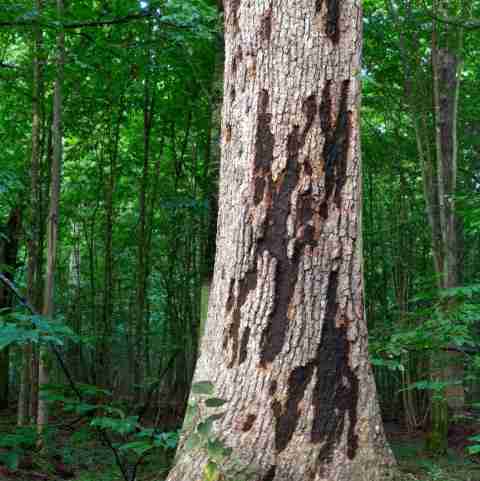
Credit: timberworksva.com
Common Signs Of Oak Tree Death
Oak trees can live for many years, but they do not last forever. Knowing the signs of a dying oak tree helps you act quickly. Trees show clear signs when they start to die. These signs affect branches, bark, and leaves. Spotting these signs can save nearby plants and trees from harm.
Dry And Brittle Branches
Branches become dry and break easily. They lose their green color and turn brown. Dead branches do not grow new leaves. They snap off with a light touch. Watch for many dead branches all over the tree.
Fungal Growth And Decay
Fungi appear as mushrooms or soft spots on the trunk. These fungi break down wood inside the tree. Decay weakens the tree and causes holes or cracks. Fungal growth often means the tree is dying or dead.
Presence Of Insect Infestation
Insects like beetles or borers leave holes in bark. Sawdust or small piles of wood chips appear near the base. Insects eat the tree from inside, causing damage. A heavy insect presence can kill an oak tree.
Testing Oak Tree Vitality
Testing the vitality of an oak tree helps determine if it is alive or dead. Simple tests can reveal the tree’s health. These checks do not need special tools. Anyone can perform them safely. Observe the tree closely and carefully.
Scratch Test On Branches
Scratch the bark gently with your fingernail or a small knife. Look for green tissue underneath the bark. Green means the branch is alive. Brown or dry means the branch might be dead. Test several branches for a better idea.
Bend Test For Flexibility
Try to bend a small branch slowly. Live branches bend without breaking. Dead branches snap easily and feel brittle. Use light pressure to avoid damage. This test shows if the wood inside is still flexible.
Evaluating Root Stability
Check the tree’s roots by gently pushing the trunk. A stable tree will not move much. Excessive movement suggests loose or dead roots. Look for exposed or damaged roots too. Healthy roots support the tree firmly in the ground.
Factors Leading To Oak Tree Death
Oak trees face many threats that can lead to their death. Understanding these factors helps in spotting signs early. Trees struggle with stress from the environment, diseases, and poor soil. Each factor weakens the tree’s health and can cause it to die.
Environmental Stressors
Extreme weather harms oak trees. Too much heat or cold can damage leaves and branches. Drought makes it hard for trees to get water. Strong winds break branches and strip leaves. Pollution in the air or water also stresses trees. These conditions reduce the tree’s ability to grow and survive.
Diseases Affecting Oak Trees
Oak trees suffer from several diseases. Oak wilt blocks water flow, causing leaves to wilt and fall. Powdery mildew covers leaves with a white powder, reducing photosynthesis. Root rot attacks the roots, cutting off nutrients. These diseases weaken the tree and can kill it fast.
Impact Of Poor Soil Conditions
Soil quality is vital for oak health. Poor soil lacks nutrients needed for growth. Compacted soil stops roots from spreading and getting air. Too much water in soil causes root damage. Acidic or alkaline soil changes nutrient availability. Bad soil makes it hard for oak trees to thrive.
When To Call A Professional
Knowing when to call a professional for your oak tree can save time and money. Some signs are clear, but others need an expert eye. Professionals can spot hidden problems and offer the right help. They protect your property and the health of your tree.
Signs Beyond Basic Identification
Dead leaves or bare branches are easy to spot. Other signs are less obvious. Cracks in the trunk or fungi at the base show serious issues. Loose bark or deep wounds can weaken the tree. A professional can check these signs carefully.
Benefits Of Expert Assessment
Experts know how to tell if an oak tree is really dead. They use tools and experience to diagnose problems. They also understand how to treat diseases or pests. Their advice helps prevent risks to your home or family. Early detection can save a tree from dying.
Options For Tree Removal Or Treatment
Professionals offer safe removal services if the tree is beyond saving. They remove it without damaging nearby plants or structures. If treatment is possible, they use the right methods. Proper care improves the tree’s chances to recover. They also guide you on future tree care.
:max_bytes(150000):strip_icc()/GettyImages-611453839-8410fb1cd7b043759a082398317cabb1.jpg)
Credit: www.thespruce.com
Frequently Asked Questions
How Can I Check If An Oak Tree Is Dead?
Look for dry, brittle branches and no green leaves in spring. Bark peeling or missing also signals a dead oak tree.
What Signs Show An Oak Tree Is Dying?
Wilting leaves, cracked bark, and fewer leaves than usual show a tree may be dying. Watch for fungus or holes in the trunk.
Can A Dead Oak Tree Be Saved?
Once fully dead, an oak tree cannot be saved. Early signs of stress might be treated by an arborist.
How Long Does It Take For An Oak Tree To Die?
An oak tree can take months to years to die, depending on damage or disease severity. Slow changes often occur before death.
Why Do Oak Trees Suddenly Lose Leaves?
Sudden leaf loss may mean disease, pests, or drought stress. Dead branches often follow, so check tree health quickly.
Conclusion
Knowing how to tell if an oak tree is dead helps protect your yard. Check the leaves, branches, and bark for signs of life. Dead trees can be dangerous and may need removal. Healthy oaks show green leaves and flexible branches.
Dry, brittle wood and no leaf growth are warning signs. Regularly inspect your tree to catch problems early. Taking care of your oak keeps your outdoor space safe and beautiful. Don’t ignore the signs—act quickly to save your tree or prevent hazards.