
If you have a butcher block countertop or shelf in your laundry room, you want it to last and look great. But laundry rooms can be tough on wood with moisture, detergent spills, and everyday wear.
That’s why sealing your butcher block is a must. It protects the wood, keeps it from staining, and makes cleaning a breeze. You’ll learn exactly how to seal your butcher block step-by-step, so it stays beautiful and durable for years.
Ready to make your laundry room both stylish and tough? Let’s get started.
Choosing The Right Butcher Block
Choosing the right butcher block for your laundry room is important. The wood must stand up to moisture and daily use. The right wood type and finish keep the surface looking great and lasting longer. Consider wood that handles water well and resists damage. Think about the benefits of butcher block in damp spaces too.
Types Of Wood Suitable For Laundry Rooms
Maple is a strong wood that resists dents and water. Oak also works well because it is hard and durable. Cherry wood is smooth and has natural oils that help resist moisture. Bamboo is an eco-friendly choice that handles moisture better than many woods. Avoid soft woods like pine. They can get damaged easily in wet areas.
Benefits Of Butcher Block In Moisture-prone Areas
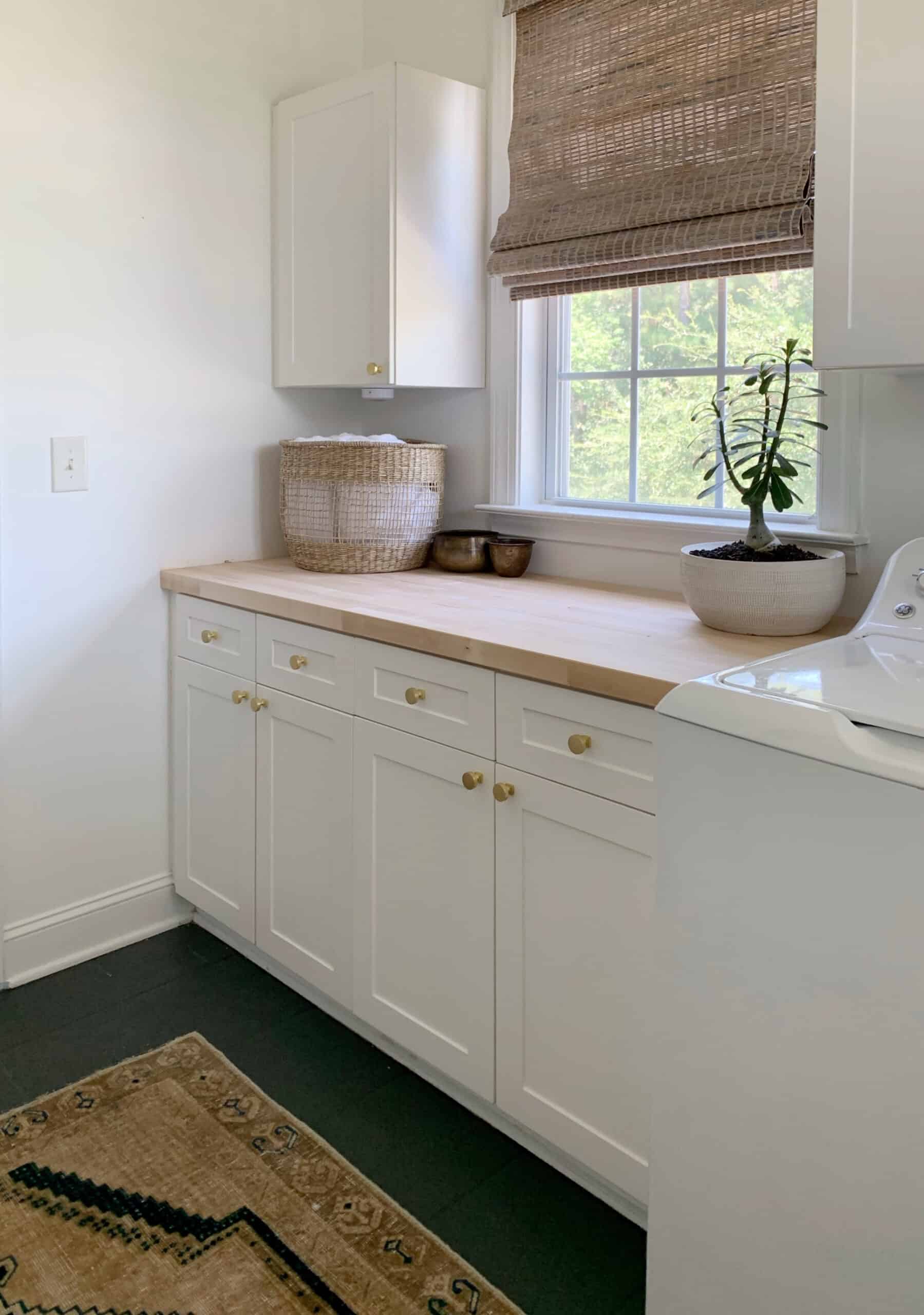
Butcher block adds warmth and style to laundry rooms. It is easier to repair than other surfaces. Sanding and resealing can fix scratches or water marks. Wood also stays cooler and softer than stone or tile. It feels good under your hands while folding clothes. Sealed butcher block helps prevent mold and warping. It keeps the wood strong and beautiful for years.
Credit: www.thecoastaloak.com
Preparing The Butcher Block Surface
Preparing the butcher block surface is the first step to a lasting seal. Proper preparation helps the finish stick well. It also protects the wood from moisture and stains.
Start by cleaning the surface thoroughly. Dirt and grease can stop the sealant from bonding. After cleaning, sanding smooths the wood. This removes rough spots and opens the pores for better absorption.
Cleaning And Sanding Steps
Use a mild soap and warm water to clean the butcher block. Wipe the surface with a soft cloth or sponge. Avoid soaking the wood; use just enough water to clean. Let it dry completely before sanding.
Choose fine-grit sandpaper, around 220 grit. Sand the entire surface evenly. Move in the direction of the wood grain. Sanding removes old finish and smooths rough patches. Wipe off sanding dust with a dry cloth.
Removing Dust And Debris
Dust and debris can ruin the seal. Use a vacuum or a soft brush to clear the surface. Then, wipe with a tack cloth or a damp microfiber cloth. Make sure the wood is clean and dry before sealing. This step ensures the best finish and protection.
Selecting The Best Sealant
Choosing the right sealant is key to protecting your butcher block in the laundry room. The sealant keeps the wood safe from water, stains, and wear. It also helps keep the wood looking fresh for a long time. Picking a good sealant makes your work easier and your butcher block last longer.
Oil-based Vs. Water-based Sealers
Oil-based sealers soak into the wood deeply. They give a warm, rich color. Oil sealers protect well against water and stains. They take longer to dry and can have a strong smell. Water-based sealers dry fast and have less odor. They keep the natural color of the wood. Water-based sealers are easier to clean up with soap and water. Both types work well, but choose based on your needs and preferences.
Food-safe And Non-toxic Options
Using a food-safe sealant is important, especially if you use the butcher block for food prep. Non-toxic sealants do not release harmful chemicals. They keep your space safe and clean. Look for sealants labeled as food-safe or FDA-approved. Natural oils like mineral oil or beeswax are good choices. These sealants protect without toxic effects. Your laundry room stays fresh and safe with the right product.
Applying Sealant For Maximum Protection
Applying sealant to your butcher block in the laundry room protects it from water damage and stains. It helps keep the wood strong and looking good for years. Proper sealing stops moisture from soaking into the wood, which can cause warping or cracking. Follow these steps to apply sealant correctly and get the best protection.
Tools And Materials Needed
- Fine-grit sandpaper (220 grit)
- Clean, lint-free cloths
- Food-safe or water-resistant wood sealant
- Foam brush or paintbrush
- Protective gloves
- Drop cloth or newspaper
- Stir stick
Step-by-step Application Process
- Start by sanding the butcher block surface with fine-grit sandpaper.
- Wipe away dust with a clean cloth to ensure a smooth surface.
- Stir the sealant well to mix any settled parts.
- Use a foam brush to apply a thin, even coat along the wood grain.
- Allow the sealant to soak into the wood for about 10 minutes.
- Wipe off any excess sealant with a clean cloth to avoid stickiness.
- Repeat the process for 2-3 coats for better protection, sanding lightly between coats.
Drying And Curing Times
Sealant usually dries to the touch within 1-2 hours. Let each coat dry completely before applying the next one. Full curing takes about 24-48 hours, depending on the product and room conditions. Avoid using the butcher block during this time to ensure the sealant sets properly. Proper drying and curing keep your surface safe from water and wear.
Maintaining Sealed Butcher Block
Maintaining sealed butcher block in your laundry room keeps it looking fresh and lasting longer. Proper care protects the wood from moisture and stains. This care helps avoid costly repairs or replacement. Follow simple steps to keep your butcher block in top condition.
Regular Cleaning Tips
Clean the surface daily with a soft cloth and mild soap. Avoid harsh chemicals that can damage the seal. Wipe up spills immediately to prevent stains. Use a damp cloth, not a soaking wet one. Dry the surface thoroughly after cleaning to stop water damage.
Re-sealing Frequency
Check the butcher block every few months for dullness or dryness. These signs mean the seal needs refreshing. Apply a new coat of sealant once or twice a year. Use a food-safe oil or wax designed for butcher blocks. Follow product instructions carefully for the best results.
Preventing Water Damage And Stains
Keep water and detergents off the wood as much as possible. Use trays or mats under liquid containers to catch drips. Avoid leaving wet clothes or items directly on the surface. Clean up any spills right away to stop stains. Proper sealing helps, but prevention works best.
Common Mistakes To Avoid
Sealing butcher block for your laundry room protects the wood and keeps it looking good. Many people make mistakes that reduce the sealant’s effectiveness. Avoiding these errors helps your butcher block last longer and stay strong.
Learn about common mistakes to avoid before sealing your butcher block. This knowledge saves time and money.
Skipping Surface Preparation
Cleaning and sanding the butcher block is crucial. Dirt, dust, or old finishes stop sealant from sticking well. Skipping this step leads to uneven coating and weak protection. Always wipe the surface clean and sand it smooth before sealing.
Using Incompatible Sealants
Not all sealants suit butcher block wood. Some products may cause discoloration or peel off. Choose sealants made for wood and safe for laundry areas. Check labels for water resistance and durability. Using the wrong sealant wastes effort and money.
Ignoring Maintenance Needs
Sealing is not a one-time job. The sealant wears down with time and use. Ignoring regular maintenance allows water and dirt to damage the wood. Reapply the sealant every few months or as needed. Clean the surface often to keep the finish strong.
Additional Protection Tips
Sealing your butcher block is just the first step. To keep it looking great in your laundry room, protect it from damage and moisture. These extra tips help your butcher block last longer and stay beautiful.
Using Protective Mats And Trays
Place mats or trays under detergent bottles and cleaning supplies. These catch spills and prevent stains from soaking into the wood. Use water-resistant mats for best results. They protect the surface from water damage and scratches. Always wipe up any spills quickly to avoid damage.
Controlling Laundry Room Humidity
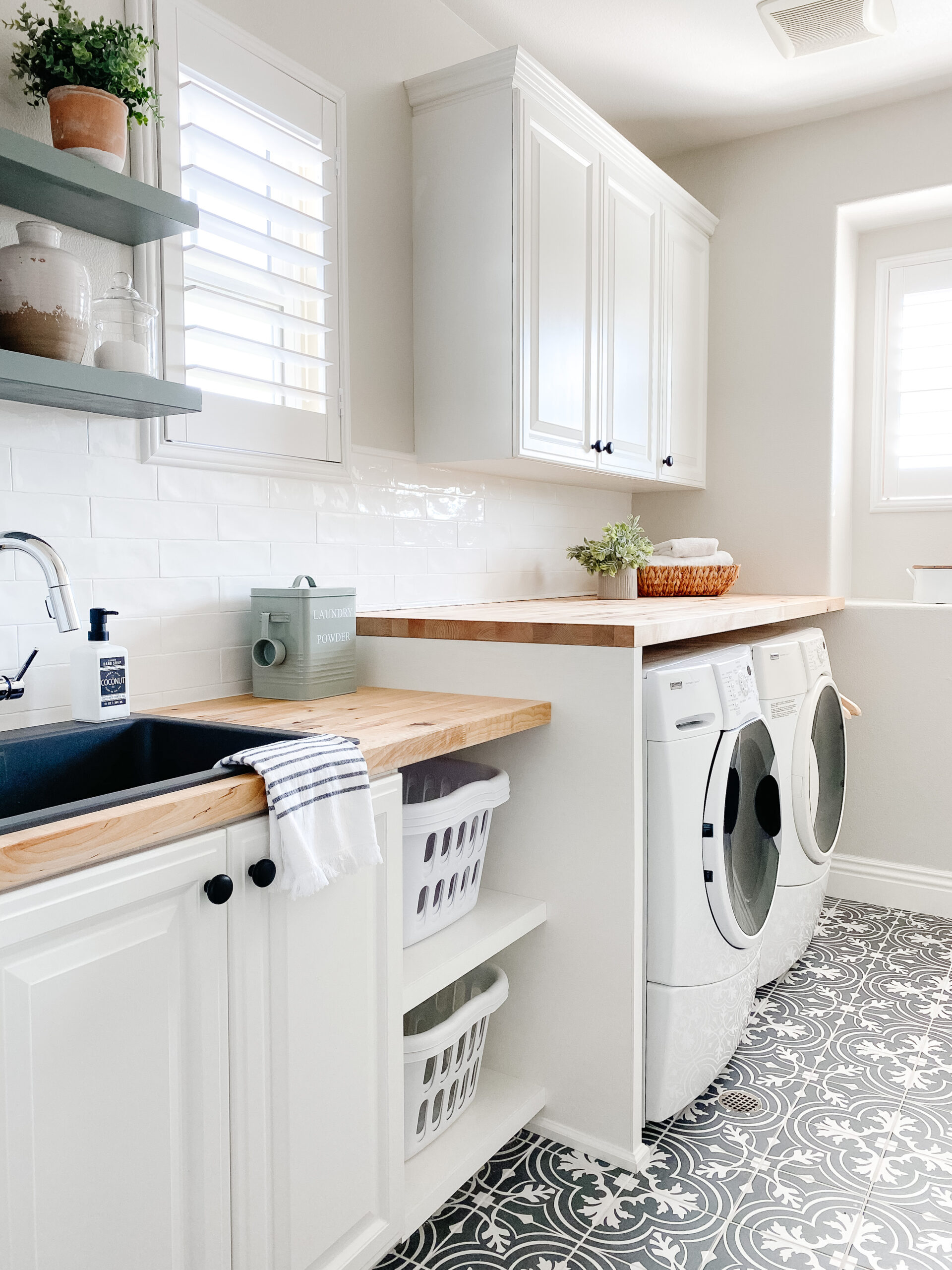
High humidity can cause wood to swell and warp. Use a dehumidifier or ventilation fan to keep air dry. Open windows when possible to improve airflow. Keep the laundry room cool and dry. This prevents mold and keeps your butcher block sealed and strong.
Credit: athoughtfulplaceblog.com

Credit: thehouseofhoodblog.com
Frequently Asked Questions
How Do I Prepare Butcher Block Before Sealing?
Clean the surface well and let it dry completely. Sand the block smoothly to remove rough spots. This helps the sealant stick better.
What Type Of Sealant Is Best For Laundry Rooms?
Use a water-resistant oil or polyurethane sealant. These protect against moisture and stains common in laundry areas. Choose food-safe options if the block is for kitchen use too.
How Many Coats Of Sealant Should I Apply?
Apply 2 to 3 thin coats for best protection. Let each coat dry fully before adding the next. This builds a strong, even seal.
How Often Should I Reseal My Butcher Block?
Reseal every 6 to 12 months depending on use. Signs like dullness or water absorption mean it’s time. Regular sealing keeps the block safe and looking good.
Can I Use Butcher Block For Folding Laundry Safely?
Yes, once sealed properly, butcher block resists moisture and stains. It creates a sturdy, smooth surface for folding clothes. Just avoid harsh chemicals that can damage the seal.
Conclusion
Sealing your butcher block keeps it safe from water damage and stains. It also makes cleaning easier in your laundry room. Use the right sealant and apply it evenly for best results. Let each coat dry fully before adding the next one.
Regular maintenance will help your butcher block last longer. A well-sealed block stays beautiful and functional for years. Now, you can enjoy a durable and stylish surface in your laundry space. Simple steps can make a big difference.