
Is your wood floor looking wavy or uneven? Warped wood floors can be frustrating, making your home feel less comfortable and even unsafe to walk on.
But don’t worry—you don’t have to replace the entire floor to fix this problem. You’ll discover simple, effective steps to restore your wood floor’s smooth, beautiful surface. Keep reading, and you’ll learn how to bring your floors back to life, saving time and money along the way.

Credit: www.reddit.com
Causes Of Warped Wood Floors
Warped wood floors can ruin the look of any room. Knowing what causes warping helps prevent damage and fix problems fast. Wood is sensitive to changes in its environment. Small shifts can lead to big issues over time.
This section explains common causes behind warped wood floors. Understanding these helps you protect and maintain your flooring better.
Moisture And Humidity Effects
Wood absorbs moisture from the air. High humidity causes wood to swell. Low humidity makes it shrink. These changes create stress in the wood. Over time, this stress leads to warping. Moisture trapped under floors also causes problems. Proper ventilation helps keep moisture levels steady.
Temperature Fluctuations
Wood expands when warm and contracts when cold. Rapid temperature changes stress wood fibers. This can cause warping, cupping, or buckling. Rooms with poor temperature control are at higher risk. Keeping a stable temperature protects your floors.
Poor Installation Issues
Incorrect installation often leads to warping. Not leaving space for wood expansion causes buckling. Using the wrong type of wood for the environment also harms floors. Subfloor problems like uneven surfaces increase risks. Proper installation is key to long-lasting floors.
Water Damage Sources
Water leaks damage wood floors quickly. Spills left unattended soak into wood. Plumbing leaks or roof leaks cause hidden damage. Floods and heavy rain can also warp floors. Fixing leaks and drying floors fast prevents warping.
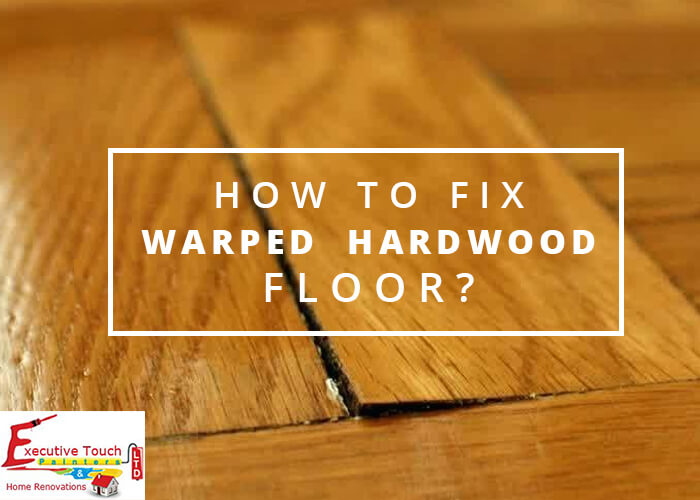
Credit: etpainting.com
Identifying Warped Areas
Warped wood floors can damage the look and feel of any room. Identifying warped areas early helps you fix the problem quickly. Knowing what signs to watch for saves time and effort. You need to spot the exact spots that are bent, raised, or uneven. This section explains simple ways to find warped sections of your floor.
Visual Inspection Tips
Start by looking closely at the floor surface. Check for visible bumps or dips in the wood. Notice any gaps between floorboards that seem larger than normal. Look for discoloration or stains, which may point to water damage. Shine a flashlight across the floor at a low angle to see shadows on uneven spots. Walk around slowly to feel changes in floor height.
Checking For Soft Spots
Soft spots often mean wood has absorbed moisture and started to warp. Press down gently with your hand or foot on different areas. If the wood feels spongy or gives way, it needs attention. Use a screwdriver to poke the floor gently. If the tool sinks in easily, the wood may be damaged underneath. Mark these soft spots for further repair work.
Measuring Floor Levelness
Use a level tool to measure how flat the floor is. Place the level on different sections to find unevenness. A bubble off-center shows the floor is not level. Measure with a straight edge or long ruler across boards. Check for gaps under the ruler caused by raised or sunken wood. Note all uneven areas to plan your repair steps.
Preparing To Fix The Floor
Fixing a warped wood floor starts with good preparation. Taking the right steps before you begin helps avoid mistakes. It also makes the repair process smoother and faster.
This section covers the basics to prepare your space and tools. Ready your work area for a safe and effective fix.
Gathering Necessary Tools
Collect all tools needed for the repair. Common tools include a hammer, nails, a pry bar, wood glue, clamps, and a sanding block. A moisture meter helps check wood dampness. Having everything ready saves time and effort.
Clearing The Area
Remove furniture and rugs from the floor. Clear the space around the warped boards. This gives you room to work and keeps items safe. Clean the floor surface to remove dust and dirt. A tidy workspace helps the repair go smoothly.
Ensuring Proper Safety Measures
Wear safety glasses to protect your eyes from flying debris. Use gloves to avoid splinters and cuts. Keep pets and children out of the work area. Good lighting helps you see better and avoid mistakes. Safety first ensures a worry-free repair.

Credit: www.networx.com
Methods To Repair Warped Wood
Warped wood floors can spoil the look of any room. Fixing them requires specific steps to restore their shape and smoothness. The right method depends on the warping’s cause and severity. Here are some effective ways to repair warped wood.
Using Weight And Moisture Control
Place a damp cloth over the warped area. Then add a heavy weight on top. Leave it for a few days. The moisture softens the wood fibers, and weight flattens the board. Check often to avoid over-wetting. This method works well for minor warps.
Applying Heat To Flatten Boards
Heat loosens wood fibers, allowing them to reshape. Use a steam iron on low setting. Hold it a few inches above the warped board. Move the iron slowly to avoid burns. After heating, place a flat board and weight on top. Let it cool before removing the weight.
Replacing Severely Damaged Planks
Some planks may be too warped to fix. Removing and replacing them is the best choice. Carefully pry out the damaged board. Get a matching plank for replacement. Install it by fitting it into place and securing it. This method restores the floor’s look and stability.
Sanding And Refinishing
Sanding smooths minor warps and surface imperfections. Use a floor sander starting with coarse grit. Gradually move to finer grits for a smooth finish. Clean the dust well. Apply a new finish to protect the wood. This method improves the floor’s appearance and durability.
Preventing Future Warping
Preventing future warping of wood floors is essential for keeping your home beautiful and safe. Warping happens when wood absorbs too much moisture or dries out unevenly. Taking steps to control the environment and maintain your floors helps avoid this damage. Small habits can make a big difference in protecting your investment and ensuring your floors last for years.
Controlling Indoor Humidity
Keep indoor humidity levels between 30% and 50%. Too much moisture causes wood to swell and warp. Too little moisture makes wood dry and crack. Use a humidifier or dehumidifier to adjust the air. Ventilate rooms well, especially in kitchens and bathrooms. Monitor humidity with an indoor gauge for best results.
Proper Floor Maintenance
Clean your wood floors regularly using a soft broom or vacuum. Avoid using wet mops or excessive water. Wipe spills immediately to stop moisture from soaking in. Apply a quality wood floor polish or sealant as directed. This protects the surface and helps keep moisture out. Follow manufacturer advice for care products.
Installing Vapor Barriers
Vapor barriers go under the wood floor to block moisture from the ground. They are essential for basements or areas over concrete slabs. Use plastic sheeting or special underlayments designed for this purpose. Proper installation prevents moisture from rising and damaging the wood. Check for tears or gaps regularly and repair as needed.
Regular Inspections
Check your wood floors often for signs of warping or moisture damage. Look for cupping, buckling, or gaps between boards. Inspect under sinks, near windows, and around doors where water leaks may occur. Early detection allows quick fixes before problems worsen. Keep an eye on humidity levels and floor condition throughout the year.
Frequently Asked Questions
What Causes Wood Floors To Warp And Bend?
Wood floors warp due to moisture, humidity, or water damage. Changes in temperature and poor installation also cause warping. Wood absorbs water, which makes it swell and bend.
How Can I Fix Minor Warping On My Wood Floor?
For small warps, use a damp cloth and iron to gently press the wood flat. Let it dry completely to keep the shape. This method works best for slight bends or cupping.
Can Sanding Help Restore A Warped Wood Floor?
Sanding removes the top layer and evens out small warps. It works well for minor warping but not for severe damage. Always sand carefully to avoid making the problem worse.
Is It Possible To Prevent Wood Floors From Warping?
Yes, control moisture by using dehumidifiers and fixing leaks quickly. Keep indoor humidity between 30-50% to protect your floors. Proper installation and sealing also help prevent warping.
When Should I Replace A Warped Wood Floor?
Replace the floor if warping is severe and cannot be fixed by sanding or pressing. Deep cracks or large gaps also mean replacement is needed. Sometimes, replacing is the safest and best choice.
Conclusion
Fixing a warped wood floor takes patience and care. Start by identifying the cause of the warp. Dry out any moisture and control humidity levels. Use gentle sanding or replacement for badly damaged boards. Keep your floors clean and dry to prevent future warping.
Small repairs now save bigger problems later. Remember, regular maintenance keeps your wood floors strong and beautiful. Your home will feel warmer and more comfortable too. Don’t wait—start fixing your warped wood floor today.