
If you’ve recently brought wooden furniture into your home, you might be worried about bed bugs hiding in the cracks and crevices. These tiny pests can turn your cozy space into a nightmare, causing itchy bites and sleepless nights.
But don’t panic—knowing how to check your wooden furniture for bed bugs is the first step to keeping your home safe and comfortable. You’ll learn simple, effective ways to spot bed bugs early, so you can stop an infestation before it starts.
Keep reading to protect your furniture and your peace of mind.
Credit: maggiemcgaugh.com
Signs Of Bed Bugs On Wood
Wooden furniture can hide bed bugs well. These pests often settle in cracks and crevices of wood. Spotting signs early helps stop an infestation. Knowing what to look for makes a big difference.
Identifying Bed Bug Spots
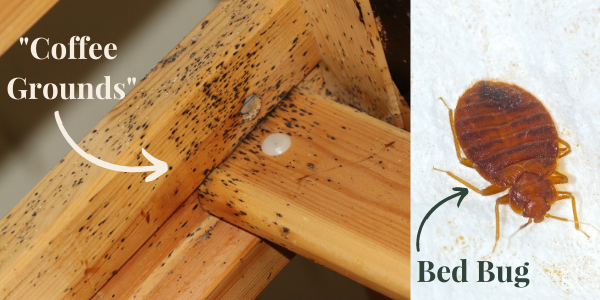
Bed bugs leave small dark spots on wood. These spots are often their droppings. They look like tiny black or brown dots. Check edges and corners carefully. Spots may appear near joints or screws.
Detecting Shed Skins And Eggs
Bed bugs shed their skins as they grow. These skins look like empty shells. They are light brown and very thin. Eggs are tiny, white, and oval-shaped. Both skins and eggs hide in tight spaces.
Recognizing Musty Odors
Bed bugs produce a strong, musty smell. This odor is often described as sweet or stale. It comes from their scent glands. The smell grows stronger with more bugs present. Notice any strange odors around your furniture.
Key Areas To Inspect
Checking wooden furniture for bed bugs requires close attention to specific spots. These bugs hide in small, dark places. Knowing where to look helps find them early. Focus on tight areas and spaces not often cleaned.
Joints And Cracks
Joints and cracks are perfect hiding places for bed bugs. These bugs fit into tiny gaps between wood pieces. Look closely at corners where two boards meet. Use a flashlight to see deep inside these narrow spaces.
Undersides And Back Panels
The undersides and back panels of furniture often go unchecked. Bed bugs prefer these hidden spots. Turn the furniture over or move it away from the wall. Check all edges and surfaces for dark spots or small bugs.
Drawer Interiors And Seams
Drawers offer many hiding spots due to seams and corners. Pull out drawers and inspect all inside edges. Bed bugs like seams where two surfaces join. Remove items inside drawers to see every crevice clearly.
Tools For Bed Bug Inspection
Inspecting wooden furniture for bed bugs requires the right tools. These tools help spot bugs, eggs, and signs of infestation early. Proper equipment makes the inspection easier and more accurate.
Flashlights And Magnifying Glasses
A bright flashlight reveals dark corners and crevices in wood. Bed bugs hide in tiny cracks and joints. A magnifying glass helps see small bugs and eggs clearly. Together, these tools improve your chance to find bed bugs early.
Sticky Tape And Bed Bug Traps
Sticky tape captures bed bugs when you press it on suspected areas. It helps confirm their presence without touching bugs. Bed bug traps attract bugs using heat or scent. These traps catch bugs over time, showing if an infestation exists.
Protective Gloves And Masks
Wear gloves to avoid skin contact with bugs or chemicals. Gloves keep your hands clean and safe. Masks stop you from breathing in dust or allergens during inspection. These protect your health while checking furniture for bed bugs.

Credit: www.youtube.com
Step-by-step Inspection Process
Checking wooden furniture for bed bugs requires a clear and careful process. The step-by-step inspection helps find any hidden bugs early. This prevents a small problem from becoming a big one. Follow each step closely to inspect your furniture well.
Preparing The Furniture
Start by moving the furniture to a bright area. Good light makes it easier to see tiny bugs and spots. Clear the area around the furniture. Remove cushions, pillows, and any coverings. Have a flashlight and magnifying glass ready. Wear gloves to protect your hands. These tools help you check small cracks and crevices.
Systematic Examination Techniques
Look carefully at all wooden surfaces. Check seams, joints, and cracks in the wood. Use a flashlight to see dark corners and gaps. Examine underneath drawers and inside corners. Pay close attention to screw holes and grooves. Bed bugs often hide in tiny spaces. Look for dark spots, shed skins, or tiny eggs. These signs show bed bug presence.
Documenting Findings
Write down any signs of bed bugs you find. Take clear photos of affected areas. Note the exact spots and type of evidence seen. This record helps track the problem and plan treatment. Keep your notes safe and easy to access. Documentation improves communication with pest control professionals.
Preventive Measures For Wooden Furniture
Preventive measures for wooden furniture help avoid bed bug infestations. These steps protect your furniture and keep your home safe. Taking action early stops bed bugs from hiding and multiplying. Simple habits and small fixes make a big difference.
Sealing Cracks And Gaps
Bed bugs hide in tiny cracks and gaps in wooden furniture. Seal these spaces with wood filler or caulk. Focus on joints, corners, and any damage spots. Sealing stops bugs from entering or escaping. It also makes cleaning easier and more effective.
Regular Cleaning And Vacuuming
Clean wooden furniture often to remove bed bugs and eggs. Use a soft brush or cloth for dust and dirt. Vacuum cracks and edges carefully. Empty the vacuum bag or canister outside your home. Regular cleaning reduces hiding places and keeps bugs away.
Using Bed Bug Repellents
Spray bed bug repellents designed for wooden surfaces. Choose natural or chemical options based on safety and preference. Apply repellent to cracks, legs, and undersides of furniture. Repeat regularly to maintain protection. Repellents create a barrier that bugs avoid.

Credit: www.reddit.com
When To Call A Professional
Knowing when to call a professional for bed bugs in wooden furniture is key. Early action can save your home and peace of mind. Professionals know how to spot hidden signs and treat the problem safely. They can prevent the bugs from spreading to other parts of your home.
Signs Of Severe Infestation
Look for many dark spots on the wood. These spots are bug droppings. Check for eggs in cracks or joints. A strong, musty smell may be present. Bites on your skin often mean the bugs have spread beyond the furniture. When these signs appear, it is time to get help.
Benefits Of Expert Treatment
Experts use safe and effective treatments that last. They have special tools to reach deep into wood. Professionals can identify all infested areas quickly. Treatments by experts reduce the chance of bugs coming back. They also give advice on how to prevent future infestations.
Choosing The Right Exterminator
Pick a company with good reviews and experience. Make sure they are licensed and insured. Ask about their treatment methods and safety plans. Choose a team that explains the process clearly. A good exterminator will answer all your questions and set clear expectations.
Frequently Asked Questions
How Can I Spot Bed Bugs On Wooden Furniture?
Look for small, dark spots or shed skins on wood surfaces. Bed bugs often hide in cracks and joints of the furniture.
What Signs Show Bed Bugs Live Inside Wooden Furniture?
Check for tiny eggs, blood stains, or a sweet, musty odor near the furniture. These signs often indicate bed bug presence.
Which Wooden Furniture Areas Hide Bed Bugs Most?
Bed bugs prefer tight spaces like joints, cracks, and underneath drawers. Inspect these spots closely for any bugs or eggs.
How Do I Safely Inspect Wooden Furniture For Bed Bugs?
Use a flashlight and magnifying glass to see small bugs or eggs. Look carefully in hidden and dark areas on the furniture.
Can Bed Bugs Damage Wooden Furniture?
Bed bugs do not eat wood or cause structural damage. Their presence mainly causes discomfort and potential allergic reactions.
Conclusion
Checking wooden furniture for bed bugs helps keep your home safe. Start by looking at cracks and joints closely. Use a flashlight to spot tiny bugs or dark spots. Regular checks stop infestations before they spread. Clean furniture often and keep your space tidy.
Acting fast saves time and money later. Stay alert and protect your family from bed bugs. Simple steps can make a big difference.