
Is your pocket door rubbing and making it hard to open or close? That annoying scrape can slow you down and damage your door over time.
But don’t worry—fixing it is easier than you think. You’ll learn simple steps to stop the rubbing and get your door sliding smoothly again. Keep reading, and you’ll be able to enjoy a quiet, hassle-free pocket door in no time.
Credit: www.youtube.com
Common Causes Of Pocket Door Rubbing
Rubbing pocket doors can be annoying and hard to open. This problem often stops the door from sliding smoothly. Understanding the common causes helps fix the issue quickly. Many times, rubbing happens because the door parts do not fit or work well.
Misaligned Door Frame
The door frame can shift over time. This change makes the door rub against the frame. Even small misalignments cause friction. The door may scrape the sides or bottom. Checking the frame alignment is a key step.
Worn Out Rollers
Rollers carry the door and let it slide. Old or broken rollers cause the door to drag. They might not roll properly or get stuck. Worn rollers make the door lean or tilt. Replacing rollers fixes this rubbing problem.
Obstructions In The Track
Dirt, dust, or small objects can block the track. These obstructions stop the door from sliding freely. The door rubs or catches on the blockage. Cleaning the track removes these obstacles. Keep the track clear for smooth sliding.
Warped Door Panels
Wood doors can warp from moisture or heat. Warped panels do not fit well in the frame. The door surface touches the edges or track. This contact causes rubbing noises and stops smooth movement. Straightening or replacing the door panel helps.

Credit: www.reddit.com
Tools And Materials Needed
Fixing a pocket door that rubs needs the right tools and materials. Having these ready makes the job easier and faster. You can avoid mistakes and damage with proper tools. This list covers what you need for most rubbing door repairs.
Basic Hand Tools
Start with simple hand tools. A screwdriver set is essential for removing door panels and adjusting screws. A hammer helps with small taps to realign parts. A tape measure lets you check clearances and door sizes. Pliers are useful for gripping and bending parts gently. A level ensures the door hangs straight. These tools form the foundation for most fixes.
Lubricants And Cleaners
Lubricants reduce friction and help the door slide smoothly. Use a silicone spray or dry lubricant on tracks and rollers. Avoid oily lubricants that attract dirt and dust. Cleaners remove grime from tracks and rollers. A mild detergent or household cleaner works well. Clean surfaces improve movement and prevent future rubbing. Keep rags or paper towels handy for wiping.
Replacement Parts
Sometimes parts wear out and need replacing. Common parts include rollers, tracks, and guides. Rollers can wear down or break, causing rubbing. Tracks may bend or gather dirt, blocking smooth movement. Guides keep the door aligned inside the wall. Check your door model for the right parts. Having spares saves time and ensures a proper fix.
Step-by-step Fixes For Door Rubbing
Fixing a pocket door that rubs is often easier than expected. Many problems come from simple issues that anyone can solve. Follow these step-by-step fixes to get your door sliding smoothly again. Each step focuses on a common cause of rubbing and guides you through the repair.
Inspecting The Door And Track
Start by checking the door and its track carefully. Look for dirt, debris, or damage along the track. Examine the door edges for signs of warping or swelling. Check if the door hangs straight or leans to one side. Identify where the door rubs against the frame or track.
Cleaning And Lubricating The Track
Remove any dust, dirt, or buildup from the track. Use a vacuum or brush for thorough cleaning. Wipe the track with a damp cloth to clear sticky residue. Apply a dry lubricant like silicone spray to the track. Avoid oily lubricants that attract more dirt.
Adjusting The Door Alignment
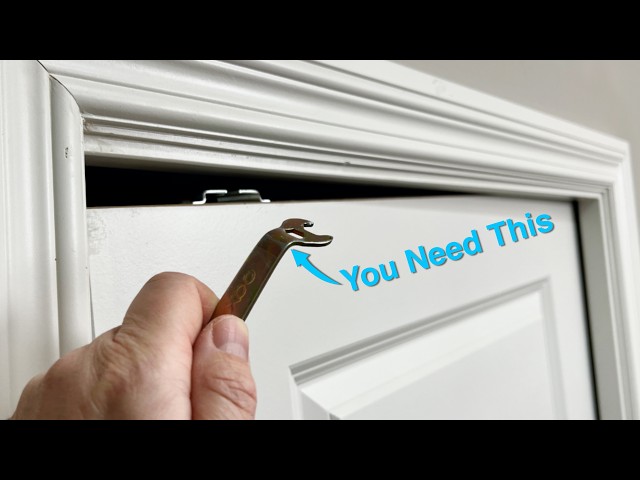
Check if the door hangs evenly and slides straight. Use the adjustment screws on the rollers to raise or lower the door. Align the door so it fits in the frame without rubbing. Tighten the screws once the door moves smoothly. Test the door several times to confirm alignment.
Replacing Damaged Rollers
Inspect the rollers for cracks, chips, or wear. Rollers in poor condition cause uneven movement and rubbing. Remove the door from the track to access the rollers. Replace damaged rollers with new ones that match the size. Reinstall the door and test for smooth operation.
Trimming Or Sanding Warped Door Edges
Check door edges for swelling or warping. Use a pencil to mark rubbed areas clearly. Carefully sand or trim the marked sections with fine-grit sandpaper or a hand plane. Remove small amounts at a time to avoid over-trimming. Test the door after each adjustment for proper fit.

Credit: www.reddit.com
Preventive Maintenance Tips
Preventive maintenance helps keep your pocket door running smoothly. It stops rubbing and other problems early. Regular care saves time and money on repairs. Follow these simple tips to protect your door.
Regular Cleaning Schedule
Dust and dirt cause the door to rub. Clean the tracks and door edges weekly. Use a soft cloth or brush to remove debris. Avoid water or harsh chemicals that can damage parts. A clean track lets the door slide easily.
Lubrication Frequency
Lubricate the door’s moving parts every three months. Use a silicone-based lubricant for smooth motion. Avoid oil sprays that attract dust and grime. Apply a small amount on rollers and tracks. Proper lubrication reduces friction and noise.
Checking Door Alignment Periodically
Check the door alignment every six months. Misalignment causes rubbing and wear. Look for gaps or uneven movement when sliding. Adjust the rollers or track height if needed. Correct alignment ensures the door fits perfectly and moves freely.
When To Call A Professional
Knowing when to call a professional for a rubbing pocket door saves time and prevents damage. Some problems look small but need expert tools and skills. This section helps you understand when to get help.
Complex Structural Issues
Sometimes the door frame or wall shifts, causing rubbing. These problems affect the house structure. Fixing them needs special knowledge and equipment. A professional can check and repair safely.
Severe Door Damage
Cracks, deep dents, or broken parts can cause rubbing. Such damage weakens the door’s function. Repairing or replacing the door needs expert care. A pro can ensure the door works well again.
Persistent Rubbing Despite Repairs
Trying to fix rubbing but it still happens? This could mean hidden problems. Professionals can find and solve issues that are hard to see. Calling a pro saves frustration and ensures smooth door operation.
Frequently Asked Questions
Why Does My Pocket Door Rub When Sliding?
A pocket door rubs when its track or rollers are dirty or damaged. Misalignment of the door can also cause rubbing against the frame.
How Can I Stop My Pocket Door From Sticking?
Clean the track and rollers to remove dust and debris. Tighten any loose screws and adjust the door’s alignment if needed.
Can Worn Rollers Cause A Pocket Door To Rub?
Yes, worn or damaged rollers make the door slide unevenly and rub against the frame. Replacing rollers often solves this problem.
What Tools Do I Need To Fix A Rubbing Pocket Door?
You will need a screwdriver, lubricant, cleaning cloth, and possibly replacement rollers. A level can help check door alignment.
Is It Hard To Realign A Pocket Door Myself?
Realigning a pocket door is usually simple and takes little time. Adjust the screws on the rollers to move the door up or down.
Conclusion
Fixing a pocket door that rubs can be simple and quick. Check the door’s alignment and clean the tracks first. Tighten or adjust screws to stop rubbing. Small fixes often make a big difference. Keep your door sliding smoothly with regular care.
A smooth pocket door adds comfort and saves space. Try these easy steps to enjoy a quiet, easy-close door again. Don’t let a rubbing door slow you down.