
Have you noticed those small nail holes on your wooden furniture or walls starting to darken or rot? It’s a common problem that can quickly turn a simple flaw into a bigger issue.
If you want to keep your wood looking fresh and strong, you need to act before the damage spreads. You’ll discover easy and effective ways to stop nail holes from rotting on wood. By the time you finish reading, you’ll have the simple steps to protect your wood and keep it looking great for years to come.
Let’s dive in and save your wood from further damage!
Credit: www.cncmasters.com
Causes Of Nail Hole Rot
Nail hole rot is a common problem in wood surfaces. It happens when small holes left by nails start to break down and decay. Understanding the causes of this rot helps protect wood and keep it strong. Several factors can lead to nail hole rot, mainly related to moisture, air flow, and metal reactions.
Moisture And Wood Decay
Water is the main enemy of wood. When moisture seeps into nail holes, it softens the wood fibers. Over time, this causes decay and rot. Wet wood attracts fungi, which break down the wood structure. Even small amounts of water can cause damage if trapped inside the holes. Preventing water buildup is key to stopping rot.
Poor Ventilation Issues
Good air flow helps wood dry out quickly. Poor ventilation traps moisture around nail holes. This creates a damp environment where rot can start. Rooms or areas with little air movement increase the risk of wood decay. Ensuring proper ventilation reduces moisture and protects the wood.
Metal Corrosion Effects
Nails and other metal fasteners can corrode over time. Rust from corroded nails spreads into the wood. This weakens the wood fibers around the nail holes. Corrosion also causes wood discoloration and damage. Using coated or stainless steel nails can help prevent corrosion and rot.
Preparing Nail Holes For Repair
Preparing nail holes for repair is a key step to stop wood from rotting. Proper preparation makes repairs last longer. It helps keep the wood strong and clean. Follow these simple steps before fixing the holes.
Cleaning And Drying The Area
Clear dirt and dust from the nail holes. Use a soft brush or cloth to clean the area. Make sure the wood is dry. Moisture can cause more damage later. Let the wood dry completely before moving on.
Removing Rusted Nails
Check if nails in the holes are rusted. Rust weakens the wood and spreads rot. Use pliers to pull out old, rusty nails carefully. Avoid damaging the wood during removal. Clean the holes after taking out nails.
Treating Wood Fungus
Look for signs of wood fungus around the holes. Fungus appears as dark spots or soft patches. Apply a wood-safe fungicide to stop fungus growth. Let the treatment dry fully before repairing. This step prevents future rot problems.
Choosing The Right Materials
Choosing the right materials is key to stop nail holes from rotting wood. Using proper products protects wood from moisture and decay. It also keeps wood strong and looking good over time.
This section covers the best wood fillers, sealants, and rust-resistant nails. These materials help prevent rot and damage around nail holes.
Wood Fillers And Epoxies
Wood fillers and epoxies fill nail holes and cracks. They block water from entering the wood. Epoxies are stronger and last longer than regular fillers. Choose a filler or epoxy that matches your wood color. This keeps repairs neat and less visible. Drying fast is important to speed up repair work.
Sealants And Primers
Sealants and primers add a protective layer over wood. They stop moisture from seeping into nail holes. Primers also help paint stick better on wood. Use sealants designed for outdoor or wood use. This increases wood’s resistance to rain and humidity. Apply sealant after filling holes for best results.
Rust-resistant Nails And Screws
Rust-resistant nails and screws prevent rust stains on wood. Rust can cause wood around nail holes to rot faster. Stainless steel or galvanized fasteners work well. These materials resist corrosion in wet conditions. Using rust-resistant nails extends the life of your wood projects.
Step-by-step Repair Process
Fixing nail holes in wood stops damage and decay. A clear, step-by-step repair process keeps wood safe and looking good. Follow these easy steps to repair nail holes and protect your wood from rotting.
Filling And Sealing Holes
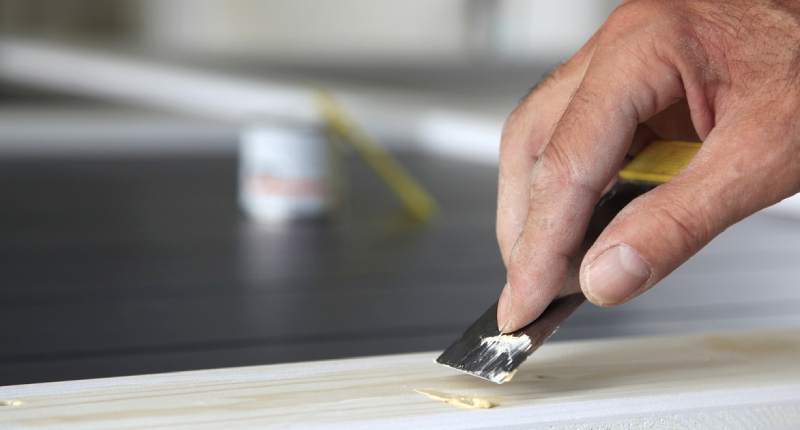
Start by cleaning the nail holes. Remove any dirt or loose wood pieces. Use a wood filler or putty made for outdoor wood. Press the filler firmly into the holes with a putty knife. Make sure the hole is fully packed. Let the filler dry completely before moving to the next step.
Sanding And Smoothing
After the filler dries, sand the area with fine sandpaper. Smooth the surface until it matches the surrounding wood. Sand gently to avoid damage. Wipe away dust with a dry cloth. The surface should feel even and clean.
Applying Protective Coatings
Apply a wood sealant or paint to the repaired area. This protects the wood from moisture and rot. Use a brush to cover the patch and nearby wood. Let the coating dry fully. Add a second layer if needed for extra protection. This step helps wood last longer and stay strong.
Preventing Future Rotting
Preventing future rotting around nail holes is crucial to keep wood strong and lasting. Rot happens when moisture stays trapped in wood. Stopping rot means controlling moisture and protecting the wood from damage. Simple steps can make a big difference in avoiding rot problems.
Improving Wood Ventilation
Good air flow helps wood dry faster. Keep spaces around wood open for air to move freely. Avoid placing wood too close to walls or ground. Use vents or gaps to let moisture escape. Proper ventilation reduces dampness and prevents rot.
Regular Maintenance Tips
Check wood often for signs of rot or damage. Look around nail holes and edges for softness or discoloration. Remove dirt and debris to stop mold growth. Fix small problems quickly before they get worse. Regular care keeps wood healthy longer.
Using Protective Finishes
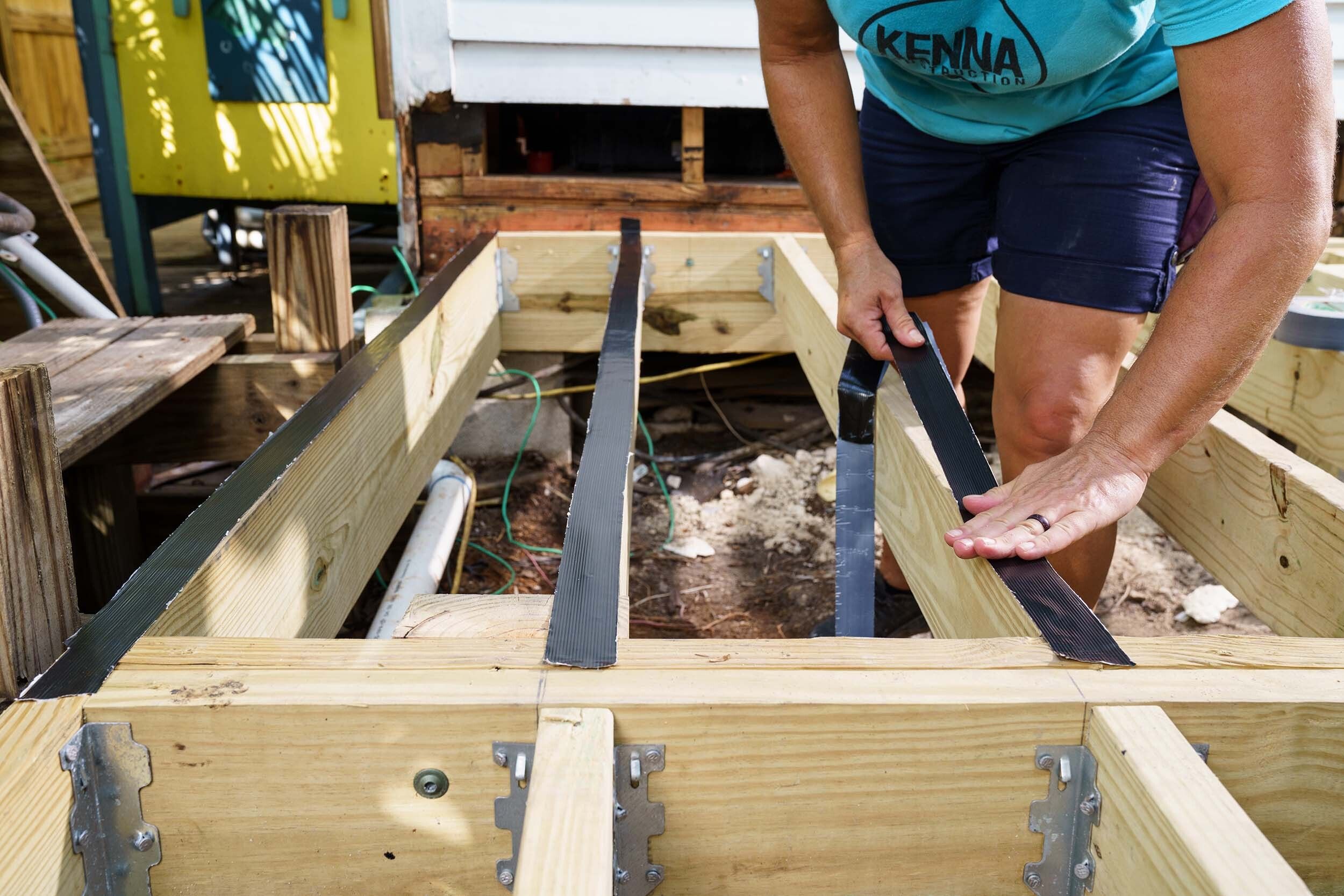
Apply sealants or paints to block water from entering wood. Choose products made for outdoor wood protection. Reapply finishes every few years or after heavy rain. Protective coatings act as a barrier against moisture and decay. This keeps nail holes and wood safe.
Credit: spax.us
When To Call A Professional
Knowing when to call a professional is important for protecting your wood from rot. Small nail holes may seem easy to fix alone. But some signs show that the damage is more serious. Acting quickly can save wood from costly repairs.
Signs Of Extensive Damage
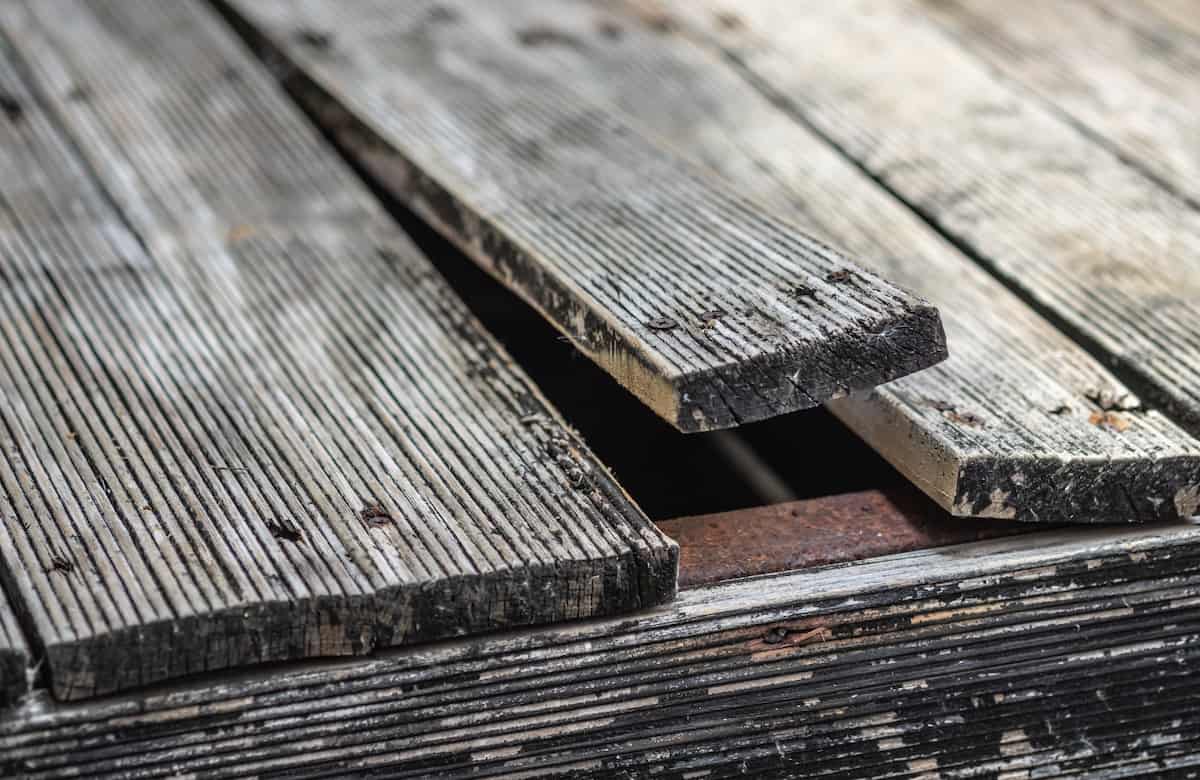
Look for soft or crumbly wood around nail holes. Dark stains or discoloration can also signal rot. Wood that feels damp or smells musty needs attention. Cracks spreading from the holes point to deeper problems. These signs mean the damage is beyond simple patching.
Specialized Treatment Options
Professionals use special tools to remove decayed wood safely. They apply wood hardeners to strengthen weak areas. Fungus treatments stop rot from spreading further. Sometimes, they replace damaged wood sections for full repair. These methods ensure long-lasting protection for your wood.
Credit: www.decks-docks.com
Frequently Asked Questions
How Do Nail Holes Cause Wood To Rot?
Nail holes allow water to enter wood, making it wet inside. Wet wood can lead to decay and rot over time. Stopping water entry helps prevent rotting.
What Is The Best Way To Seal Nail Holes On Wood?
Use wood filler or putty to fill nail holes tightly. After drying, sand the area smooth and apply a sealant. This blocks moisture and protects the wood.
Can Wood Rot Around Old Nail Holes Be Repaired?
Yes, damaged wood can be cleaned and treated with wood hardener. Fill holes with wood filler and seal to stop further rot. Early repair saves wood from more damage.
Why Does Moisture Collect In Nail Holes On Wood?
Nail holes break the wood’s surface, letting water sit inside. Moisture stays trapped and causes the wood fibers to break down. Sealing holes keeps moisture out.
How Often Should Nail Holes Be Checked For Rot?
Check nail holes every few months, especially after rain or snow. Early signs include soft or dark spots around holes. Regular checks prevent serious wood damage.
Conclusion
Stopping nail holes from rotting wood takes simple steps. Clean the holes well and dry the area before filling. Use a good wood filler to seal the hole tightly. Keep the wood dry and check for leaks often. This prevents moisture from causing damage.
Small efforts now save bigger repairs later. Protect your wood by acting quickly and staying consistent. Your wood will stay strong and look good for years. Easy care makes a big difference in wood health.