
Are you looking to brighten up your home’s exterior with a new light fixture but aren’t sure where to start? Installing an exterior light on wood siding might seem tricky, but with the right steps, you can do it yourself quickly and safely.
Imagine coming home to a well-lit porch that adds charm and security to your space. In this guide, you’ll learn exactly how to install an exterior light fixture on wood siding—no confusion, no guesswork. Keep reading, and you’ll have your new light shining in no time.

Credit: www.reddit.com
Choose The Right Light Fixture
Choosing the right light fixture is key for your wood siding. It affects both function and looks. The right fixture will last long and fit well with your home’s style. This section covers how to pick the best exterior light fixture.
Select A Weatherproof Fixture
Wood siding faces rain, wind, and sun. Choose a fixture made for outdoor use. Look for weatherproof or waterproof labels. Materials like metal or plastic resist rust and damage. Sealed fixtures keep water out. This protects wiring and bulbs. A weatherproof fixture lasts longer and stays safe.
Match Fixture Style To Home Exterior
Pick a style that fits your home’s look. Traditional homes suit classic lantern designs. Modern homes work well with sleek, simple shapes. Think about color and finish too. Black, bronze, or brushed nickel often blend nicely. Matching style creates a balanced and welcoming look.

Credit: diy.stackexchange.com
Gather Necessary Tools And Materials
Before starting to install an exterior light fixture on wood siding, gather all necessary tools and materials. Having everything ready helps the job go smoothly. It saves time and prevents frustration during installation.
List Essential Tools
Collect these tools for a successful installation:
- Power drill with drill bits
- Screwdriver (flathead and Phillips)
- Wire stripper
- Voltage tester
- Measuring tape
- Level
- Hammer
- Caulk gun with exterior-grade caulk
- Electrical tape
- Safety glasses
Prepare Safety Equipment
Safety is critical when working with electrical fixtures. Use safety glasses to protect your eyes from debris. Wear gloves to avoid cuts and electrical shocks. A sturdy ladder helps you reach high spots safely. Ensure the ladder is stable before climbing. Always turn off power at the breaker box to avoid accidents. Double-check with a voltage tester that no current flows in the wires.
Turn Off Power Safely
Turning off the power safely is the first step in installing an exterior light fixture on wood siding. This step protects you from electric shocks and accidents. Always treat electricity with care. Taking time to shut off the power correctly keeps you safe and prevents damage to your home wiring.
Locate Circuit Breaker
Find the main circuit breaker box in your home. It is usually in the basement, garage, or utility room. Open the panel door and look for labels. Labels show which breaker controls the exterior lights. If labels are missing, you may need to test each breaker one by one. Turn off the breaker that powers the area where you will install the light.
Verify Power Is Off
Use a non-contact voltage tester to check for electricity. Hold the tester near the wires or fixture box. No light or sound means no power. Test multiple spots to be sure. If your tester signals power, turn off the wrong breaker and try again. Never assume the power is off without testing. Safety depends on confirming the power is completely off.
Mark And Prepare The Installation Site
Marking and preparing the site is the first step to install an exterior light fixture on wood siding. This step ensures the fixture fits well and stays secure. It also helps avoid damage to the siding or wiring behind it.
Careful measurement and marking guide the drilling and mounting process. Taking time here saves effort later. It creates a neat, professional finish for the light fixture.
Choose Fixture Location
Select a spot that offers good light coverage. Pick a location near an existing power source or wiring. Avoid areas with water exposure or direct sunlight. Check for any obstacles like vents or pipes behind the siding.
Height matters. Place the fixture at eye level or slightly above. This improves lighting and makes the fixture easy to reach for maintenance.
Mark Mounting Holes
Hold the fixture base firmly against the chosen spot. Use a pencil to mark the mounting holes on the siding. Double-check the marks to ensure proper alignment.
Use a level tool to keep the marks straight. This prevents the fixture from hanging crooked. Mark any wire entry points clearly for safe wiring later.
Drill Holes And Install Mounting Bracket
Drilling holes and installing the mounting bracket are key steps in setting up an exterior light fixture on wood siding. These steps provide a stable base for the light and ensure it stays firmly attached.
Careful drilling prevents damage to the siding. A secure mounting bracket holds the fixture safely against the wall, even in bad weather.
Drill Pilot Holes In Wood Siding
Start by marking the spots for the screws on the siding. Use a pencil or marker to be precise.
Choose a drill bit smaller than the screw diameter. This helps avoid splitting the wood.
Drill the pilot holes straight and steady. Keep the drill level to ensure proper alignment.
Check the holes for depth and width. They should allow the screws to fit snugly without forcing.
Attach Mounting Bracket Securely
Position the mounting bracket over the pilot holes. Align it carefully for a perfect fit.
Use screws designed for outdoor use and wood siding. They resist rust and provide strong hold.
Tighten each screw firmly but avoid over-tightening. Too much force can crack the wood or strip the screw.
Double-check the bracket for firmness. It should not wobble or shift under pressure.
Wire The Light Fixture
Wiring the light fixture is a key step in installing an exterior light on wood siding. It connects the power source to the fixture, allowing it to work properly. This step requires careful handling of electrical wires to ensure safety and functionality.
Before starting, make sure the power is turned off at the breaker. Use a voltage tester to double-check. Safety first.
Connect Electrical Wires
Match the wires from the fixture to the house wires. Usually, black is hot, white is neutral, and green or bare copper is ground. Connect black to black, white to white, and ground to ground.
Hold the wires side by side and twist their ends together. Make a tight connection. This helps the electricity flow without interruption.
Use Wire Nuts And Seal Connections
Cover the twisted wires with wire nuts. Twist the nut clockwise until it feels secure. This keeps the wires together and prevents short circuits.
Wrap electrical tape around the wire nuts and wires. This seals the connection from moisture and dust. Outdoor light fixtures face weather, so sealing is important.
Check that no bare wire is exposed outside the nut or tape. A clean, secure connection prevents electrical hazards.
Mount The Fixture And Seal Edges
Mounting the fixture and sealing its edges are key steps for a secure installation. Proper mounting keeps the light steady. Sealing edges stops water from entering and causing damage. Both steps help your light last longer and work better.
Attach Fixture To Bracket
Start by aligning the fixture with the mounting bracket on the wood siding. Use screws to fasten the fixture tightly to the bracket. Make sure it sits flush against the wall for a clean look. Avoid overtightening screws to prevent damage. Check that the fixture does not wobble after securing.
Apply Caulk To Prevent Moisture
Choose a high-quality exterior caulk for the best seal. Run a bead of caulk along the edges where the fixture meets the siding. Smooth the caulk with a finger or tool for even coverage. This seals gaps and stops rain or moisture from getting inside. Let the caulk dry fully before using the light.
Test The Light And Final Checks
Testing the light and doing final checks is an important step in installing an exterior light fixture on wood siding. This ensures the fixture works properly and is safe to use. Taking your time here prevents future problems and keeps your home secure.
Restore Power And Test Function
Turn the power back on at the breaker box. Switch on the light to see if it turns on. Check if the bulb glows steadily without flickering. Try any switches controlling the light to confirm proper operation. Look for any unusual sounds or smells. A steady light means the wiring is correct.
Inspect For Stability And Safety
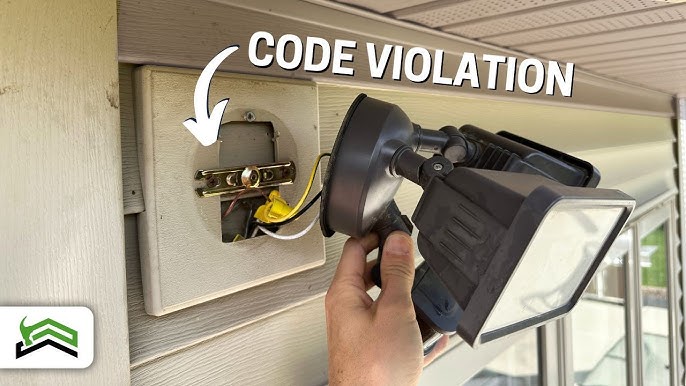
Check the fixture’s mounting to ensure it is tight and secure. Gently shake the fixture to test its stability. Make sure no wires are exposed or loose. Examine the fixture for any cracks or damage. Confirm the weatherproof seal is intact. A secure fixture keeps your home safe from weather and accidents.
Credit: www.youtube.com
Frequently Asked Questions
What Tools Do I Need To Install An Exterior Light On Wood Siding?
You will need a drill, screwdriver, wire stripper, voltage tester, and mounting hardware. Safety gear like gloves and goggles is also important.
How Do I Find The Best Spot To Mount The Light Fixture?
Choose a location near an electrical source and at a height that lights your desired area well. Avoid spots exposed to direct water flow.
How Do I Safely Connect Wiring For An Exterior Light Fixture?
Turn off the power at the breaker first. Match wire colors (black to black, white to white) and secure connections with wire nuts.
Can I Install An Exterior Light Fixture Without Damaging Wood Siding?
Yes, use a mounting bracket and seal all holes with waterproof caulk. This prevents water damage and keeps the siding intact.
How Do I Maintain An Exterior Light Fixture On Wood Siding?
Clean the fixture regularly and check for loose wires or screws. Replace bulbs promptly and reseal around the fixture yearly to prevent leaks.
Conclusion
Installing an exterior light fixture on wood siding is simple with the right steps. Choose a safe spot and gather your tools first. Follow the instructions carefully to avoid mistakes. Secure the fixture firmly to protect it from weather. Test the light to make sure it works well.
Good lighting adds beauty and safety to your home. Enjoy your new fixture and the brighter outdoor space it creates.