
Are you staring at those annoying holes in your wood and wondering how to fix them without spending money on wood filler? You’re not alone.
Sometimes, you need a quick, simple fix using things you probably already have at home. Imagine restoring your furniture or wooden surfaces to look flawless without running to the store. You’ll discover easy, effective ways to fill holes in wood without wood filler—methods that save you time, money, and frustration.
Keep reading, and you’ll find solutions that work like magic, even if you’re not a DIY expert.
Credit: www.angiesroost.com
Common Causes Of Holes In Wood
Holes in wood appear for many reasons. Knowing why they form helps to fix them properly. Wood surfaces often show these holes because of everyday use or natural causes.
Some holes are small and easy to miss. Others can damage the wood or make it weak. Understanding the common causes of holes helps you decide how to fill them without wood filler.
Nail And Screw Holes
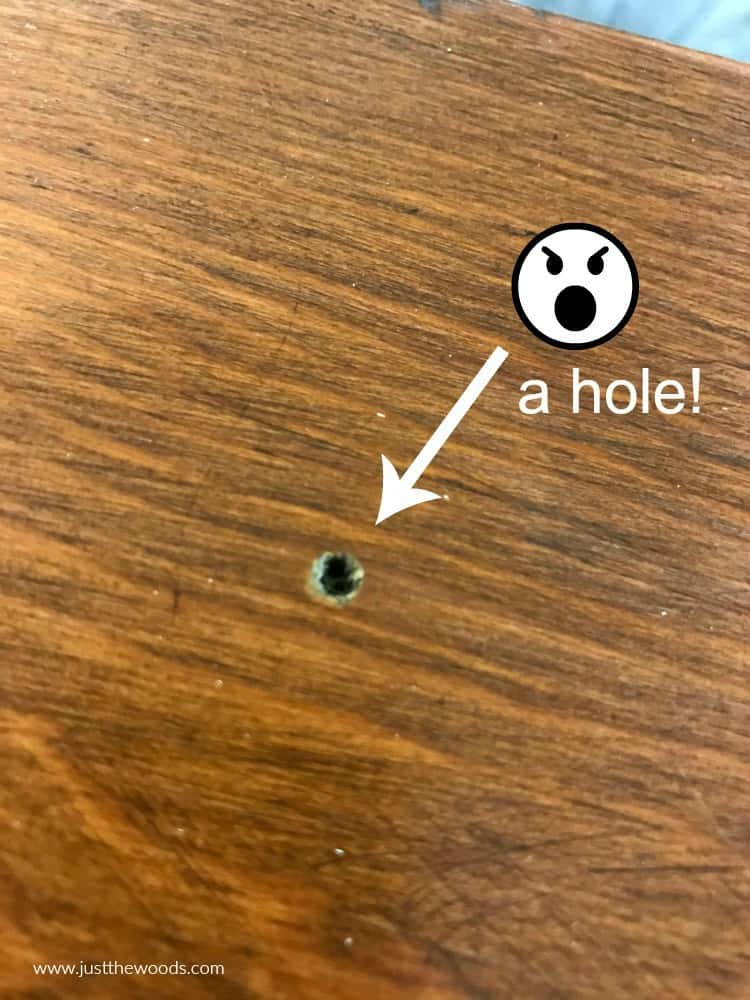
Nail and screw holes are the most common. These happen when builders or DIYers attach things to wood. Over time, removing nails or screws leaves tiny holes. These holes may not harm the wood but can spoil its look.
Wood expands and contracts with temperature changes. This movement can make holes larger or cause cracks around them. Filling these holes keeps the wood smooth and ready for finishing.
Wood Damage And Rot
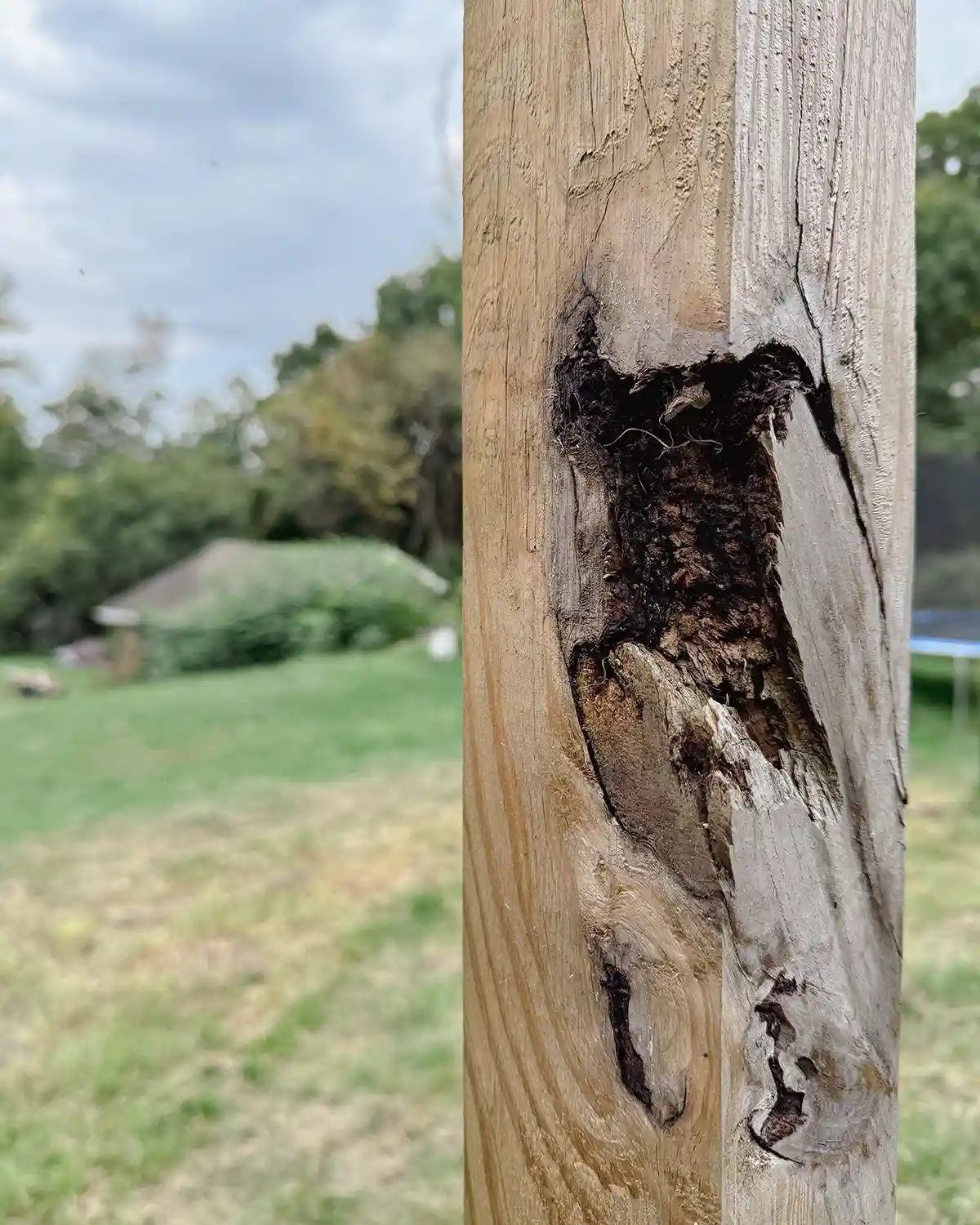
Wood damage comes from water, weather, or impact. Water can soak into wood and cause it to rot. Rot weakens the wood and creates soft, crumbly spots with holes.
Physical damage from knocks or scratches can also cause holes. These holes are often rough and uneven. Repairing damaged wood requires filling holes and sometimes sanding the surface.
Insect Infestations
Insects like termites and beetles bore holes in wood. These pests eat inside the wood, leaving small exit holes. The damage can spread if not treated quickly.
Insect holes are usually tiny but many holes can weaken the wood. Filling these holes helps protect the wood and stops further damage.
Materials You Can Use Instead Of Wood Filler
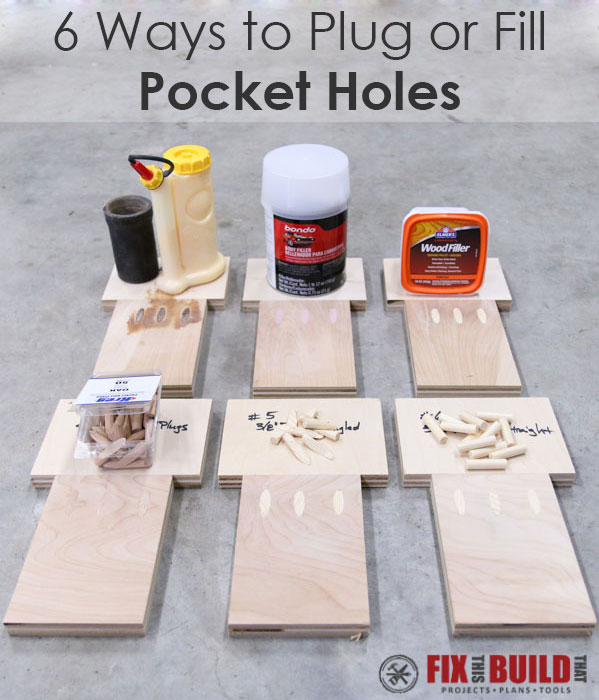
Filling holes in wood does not always need wood filler. Various materials work well as substitutes. These options can be handy for quick fixes or when wood filler is unavailable. They are easy to find and simple to use. Below are some useful alternatives that anyone can try.
Diy Wood Putty Alternatives
Mix sawdust with white glue to create your own wood putty. The sawdust should match the wood color. Combine until the mixture is thick and paste-like. Apply it into the hole and smooth the surface. Let it dry fully before sanding for a clean finish.
Another option is mixing baking soda with super glue. This creates a hard filler that sets quickly. Use a toothpick to apply it into small cracks or holes. Be careful to avoid excess glue outside the repair area.
Household Items For Quick Fixes
Toothpaste can fill small dents and holes temporarily. Use a white, non-gel toothpaste and press it firmly into the hole. Wipe off extra paste with a damp cloth. This fix is best for minor damage and short-term use.
Soap bars also work in a pinch. Rub a bar of soap over the hole until it fills the gap. Smooth the surface with a cloth. Soap is easy to shape and dries hard enough for light repairs.
Natural Ingredients For Repair
Wood ashes mixed with a bit of water can fill small holes. Create a thick paste and press it into the damaged area. Allow it to dry completely before touching up the surface. This method suits rustic wood projects.
Another natural option is using a mixture of flour and water. Make a doughy paste and fill the holes carefully. Let it dry and harden. This solution works well for indoor wood that won’t face moisture.
Step-by-step Diy Methods
Filling holes in wood can be done without special wood fillers. Simple household items work well for small repairs. These step-by-step methods help you fix wood easily and cheaply. Each technique uses common materials you might already have. Follow these easy guides to restore your wood surfaces quickly.
Using Sawdust And Glue Mixture
Collect sawdust from the same wood type if possible. Mix it with wood glue to form a thick paste. Press the mixture firmly into the hole with a putty knife. Let it dry completely, usually several hours. Sand the area smooth once dry for a clean finish.
Soap Bar Technique
Choose a soap bar close to the wood color. Rub the soap directly into the hole until it fills up. Use a damp cloth to smooth the surface gently. This method works best for small holes and scratches. Soap hardens and blends well with wood texture.
Wax Crayon Filling
Select a wax crayon matching the wood shade. Heat the crayon slightly to soften it. Press the melted wax into the hole using a small tool. Allow the wax to cool and harden fully. Finally, scrape off any excess wax for an even surface.
Toothpaste Patch
Pick a white or colored toothpaste that matches the wood. Apply the toothpaste into the hole using a small spatula. Smooth it out and remove extra toothpaste around the hole. Let it dry for a few hours before touching. This method is good for tiny holes and dents.
Credit: fixthisbuildthat.com
Tips For Smoothing And Finishing
Smoothing and finishing wood repairs without wood filler takes care and patience. Proper techniques help the patch blend with the wood. The goal is a smooth surface that looks natural. These tips guide you through sanding, color matching, and sealing your repair.
Sanding Techniques
Start sanding with medium-grit sandpaper to level the patch. Use gentle, circular motions to avoid scratches. Finish with fine-grit sandpaper for a smooth feel. Always sand along the wood grain. Clean dust off with a soft cloth before the next step.
Matching Color And Texture
Pick a stain or paint close to the wood’s shade. Test colors on a scrap piece first. Apply thin layers, letting each dry before adding more. Use a small brush to mimic wood grain patterns. Blending color and texture helps hide the repair.
Sealing And Protecting Repairs
Apply a clear sealant to protect the patch. Choose varnish, polyurethane, or wax based on wood type. Use a brush or cloth for even coverage. Let the sealant dry fully before use. This step extends the life of your repair.
When To Skip Diy And Call A Professional
Knowing when to stop a DIY project is just as important as knowing how to start it. Some wood problems need a professional’s touch. Fixing wood holes might seem easy but can hide bigger issues. Calling an expert saves time and prevents more damage. Safety and quality matter most with wood repairs. Below are signs that you should call a professional instead of trying to fix wood holes yourself.
Large Or Structural Damage
Big holes in wood can weaken the whole structure. This includes floors, beams, or walls. Repairing these needs special tools and skills. Mistakes can cause more problems or safety risks. Professionals know how to check and fix these safely. Don’t risk your home’s strength with a quick DIY patch.
Deep Rot And Extensive Infestation
Rot and pests can hide deep inside wood. Surface fixes won’t stop the damage. Experts can find the full extent of the problem. They remove all the rot and treat the wood. Leaving rot or pests means the damage will come back. Professionals protect your wood from future harm.
Preserving Antique Or Valuable Wood
Old or valuable wood needs careful handling. Wrong repairs can lower its value or ruin its look. Professionals use special methods to keep the wood’s charm. They match colors and textures exactly. Trust experts to keep your wood’s beauty intact.
Credit: www.justthewoods.com
Frequently Asked Questions
What Are Common Alternatives To Wood Filler For Small Holes?
Common alternatives include wood glue mixed with sawdust, toothpaste, or baking soda paste. These options work well for small repairs and are easy to use.
Can Household Items Effectively Fill Holes In Wood?
Yes, household items like toothpaste or soap can temporarily fill small wood holes. They are quick fixes but may not last long.
How To Prepare Wood Surface Before Filling Holes Without Filler?
Clean the hole and surrounding area from dust and debris. Sand the edges gently to help the filler material stick better.
Is It Possible To Fill Large Wood Holes Without Wood Filler?
Large holes need stronger materials like epoxy or wood glue with sawdust. Simple household items may not hold well for big holes.
How To Finish And Smooth Wood After Filling Holes Without Filler?
After drying, sand the filled area gently until smooth. Apply paint or stain to match the wood’s color for a neat look.
Conclusion
Filling holes in wood does not always need special filler. Simple household items can work well instead. Wood glue mixed with sawdust or soap can fix small gaps. Even wax or toothpaste helps in a pinch. These easy methods save money and time.
Try these tips on your next wood project. You will see good results without extra tools. Small fixes keep wood looking neat and strong. Give these ideas a chance to work for you.