
Are you tired of cluttered kitchen cabinets that make it hard to find what you need? Imagine having a sleek, space-saving solution right at your fingertips.
Building a vertical pull-out cabinet can transform your storage and make your kitchen feel more organized instantly. In this guide, you’ll learn exactly how to create one step-by-step, even if you’re not a DIY expert. Ready to unlock hidden storage and take control of your kitchen space?
Keep reading, because your perfect cabinet makeover starts here.
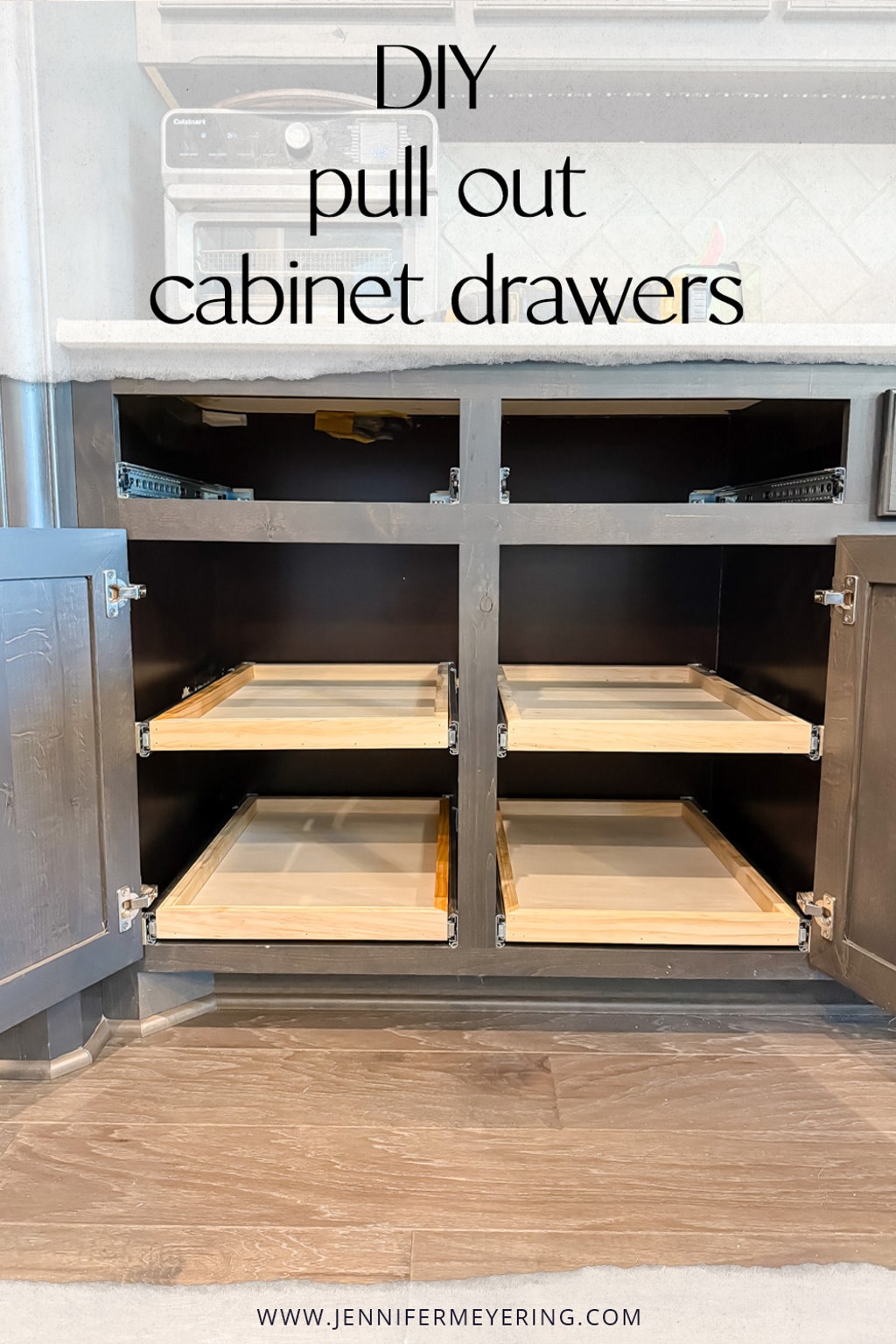
Credit: jennifermeyering.com
Materials And Tools Needed
Building a vertical pull out cabinet needs the right materials and tools. Having these ready makes the project easier. It saves time and helps avoid mistakes. Gather everything before starting your build.
Choose quality materials for a strong and long-lasting cabinet. Use reliable tools for accurate cuts and assembly. This section lists all materials and tools needed for the job.
Materials
- Plywood or solid wood panels for cabinet sides and shelves
- Wood screws to secure parts firmly
- Drawer slides or pull-out rails for smooth movement
- Wood glue for extra strength at joints
- Sandpaper to smooth edges and surfaces
- Cabinet handles or knobs for easy pulling
- Paint or wood finish for protection and style
Tools
- Measuring tape for accurate dimensions
- Power drill with drill bits for making holes
- Screwdriver or drill driver to insert screws
- Handsaw or circular saw for cutting wood panels
- Clamps to hold pieces together while gluing
- Level to ensure the cabinet is even and straight
- Pencil to mark measurements and cutting lines
Choosing The Right Cabinet
Choosing the right cabinet is key to a successful vertical pull out project. It affects how well the cabinet fits your space and how easy it is to use. Picking a cabinet that matches your needs makes the whole process smoother.
Measuring Your Space
Start by measuring the width, height, and depth of the area where the cabinet will go. Use a tape measure to get exact numbers. Write down these measurements to avoid mistakes.
Check for obstacles like pipes, outlets, or uneven walls. These can affect how the cabinet fits. Leave some extra space for easy installation and movement of the pull out.
Selecting Cabinet Style
Think about the style that suits your kitchen or room. Some cabinets have open shelves, others have drawers or baskets. Choose a style that matches your storage needs and looks good with your decor.
Look for sturdy materials like solid wood or metal frames. Strong materials last longer and hold heavy items well. Consider how the cabinet door will open and close smoothly.
Preparing The Cabinet Frame
Preparing the cabinet frame is a key step in building a vertical pull out cabinet. It creates a clean and smooth base for installation. Taking time here ensures the cabinet works well and lasts long.
Removing Existing Shelves
Start by taking out all shelves inside the cabinet. Use a screwdriver to remove screws or pry out shelf pins carefully. This clears space for the pull out mechanism. Check for any nails or staples and remove those too. Keep the cabinet frame empty and ready for the next steps.
Sanding And Cleaning
Next, sand the inside surfaces of the cabinet frame. Use medium-grit sandpaper to smooth rough spots and old paint. Sanding helps the pull out slides fit better. After sanding, wipe the area with a damp cloth. Remove all dust and dirt. A clean frame improves glue and screw grip. Let the cabinet dry completely before moving on.
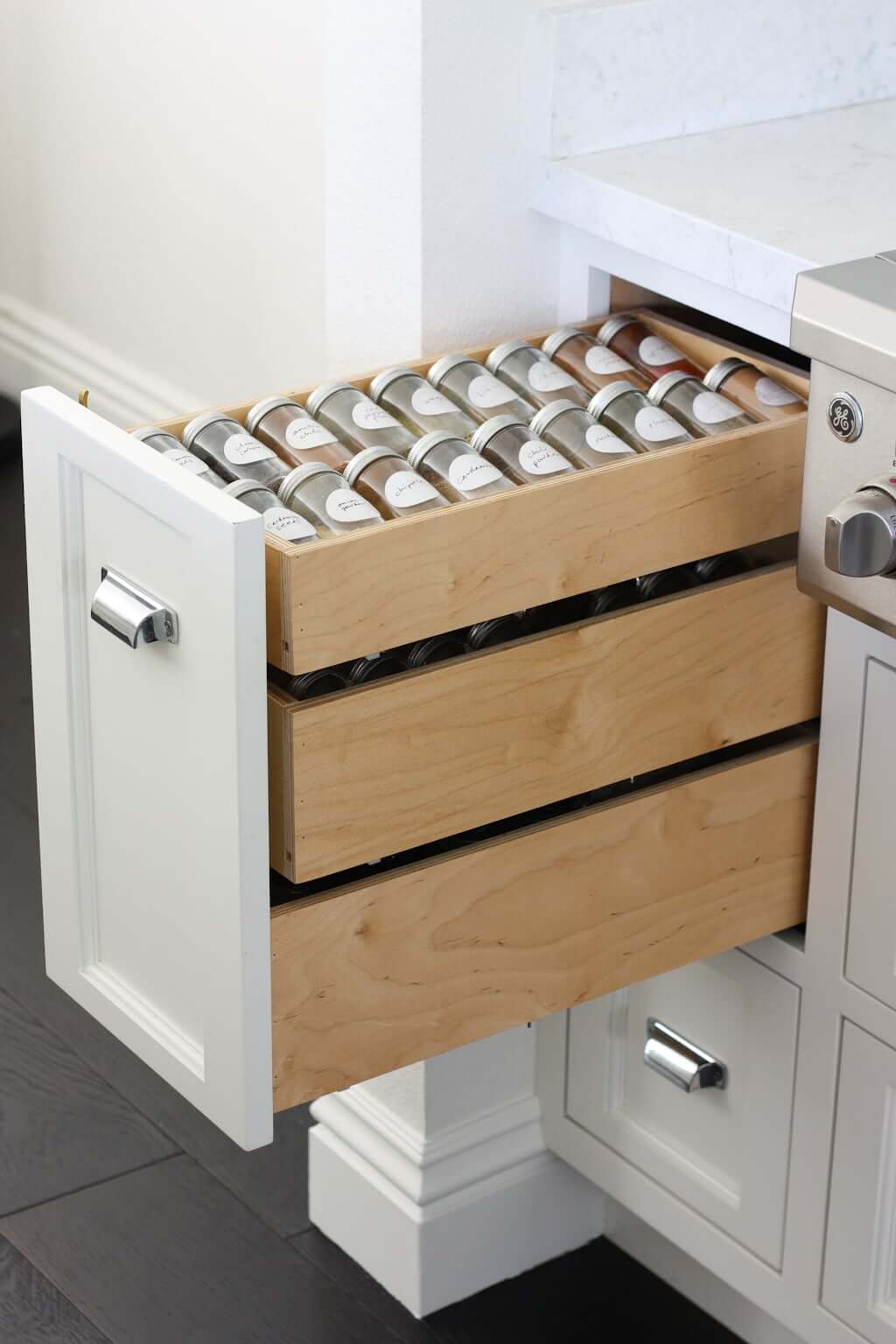
Credit: thebrainandthebrawn.com
Installing The Pull-out Mechanism
Installing the pull-out mechanism is a key step in building a vertical pull-out cabinet. It allows the cabinet to slide smoothly in and out. Proper installation ensures the cabinet works well and lasts long. Pay close attention to the type of slides and how you attach them. This process requires precision and care to avoid future problems.
Choosing Slide Types
Select the right slide type for your cabinet design. Side-mounted slides are common and easy to install. They support heavy weights and open fully. Bottom-mounted slides offer a cleaner look but may hold less weight. Soft-close slides prevent slamming and add comfort. Consider the cabinet’s size and weight before choosing slides. Quality slides improve the cabinet’s function and durability.
Attaching Slides To Cabinet
Attach the slides carefully for smooth operation. Start by measuring and marking the slide positions inside the cabinet. Use a level to keep slides straight. Screw the slides into place firmly, but do not overtighten. Attach the matching slides to the pull-out panel. Test the movement by sliding the panel in and out. Make adjustments if the cabinet does not move smoothly. Proper attachment prevents wobbling and ensures stability.
Building The Pull-out Shelves
Building the pull-out shelves is an important step in making a vertical pull-out cabinet. These shelves hold your items and slide out smoothly. Proper construction ensures durability and ease of use. Follow the steps below to create strong, functional shelves that fit your cabinet perfectly.
Cutting Shelf Panels
Start by measuring the inside width and depth of your cabinet. Use these measurements to mark your shelf panels on a sheet of plywood or MDF. Cut the panels with a saw, keeping the edges straight and smooth. Sand the edges to remove splinters and rough spots. Make sure each panel matches your measurements exactly for a perfect fit inside the cabinet.
Assembling Shelves
Lay the cut panels flat on a clean surface. Attach the side supports using wood glue and screws for extra strength. Check that the shelves are square by measuring diagonally across the corners. Let the glue dry completely before moving on. This careful assembly helps the shelves stay strong and slide easily in the cabinet frame.
Mounting Shelves On Slides
Mounting shelves on slides is a key step in building a vertical pull out cabinet. It allows shelves to slide smoothly in and out. This makes it easy to access items stored deep inside the cabinet.
Choosing the right slides and mounting them properly ensures stability and durability. The shelves need to hold weight without wobbling or sticking. Careful measurement and alignment help achieve this.
Choosing The Right Slides
Select slides that support the shelf weight. Ball-bearing slides offer smooth movement. Soft-close slides stop quietly and gently. Check the length matches your cabinet depth. Slides with locking features add safety.
Preparing The Shelves And Cabinet
Cut shelves to fit inside the cabinet frame. Sand edges for a smooth finish. Mark slide positions on the cabinet sides. Use a level to keep markings straight. Drill pilot holes for screws to avoid splitting wood.
Attaching Slides To Shelves And Cabinet
Fix one part of the slide to the shelf edge. Align the other part inside the cabinet. Secure with screws using a screwdriver. Test the sliding action for smoothness. Adjust screws if shelves don’t move freely.
Checking Alignment And Functionality
Slide shelves in and out fully. Watch for any sticking or uneven movement. Use a level to confirm shelves sit flat. Tighten or loosen screws to fix issues. Proper alignment extends the life of your cabinet.
Finishing Touches
Finishing touches bring your vertical pull-out cabinet to life. They make the cabinet look complete and fit your kitchen style. Small details improve both function and appearance.
Adding Handles
Choose handles that match your kitchen decor. Handles should be easy to grip and strong. Measure carefully to place them evenly on the cabinet door. Use screws and a drill to attach the handles firmly. Handles add style and make the cabinet easy to open.
Painting Or Staining
Painting or staining protects the wood and enhances its look. Pick a color or stain that fits your kitchen’s theme. Sand the wood lightly before applying paint or stain. Use a brush or cloth for smooth, even coats. Let each coat dry fully before adding another. A good finish keeps your cabinet durable and attractive.
Testing And Adjustments
Testing and adjustments are important steps in building a vertical pull out cabinet. They ensure the cabinet works smoothly and fits well. Taking time to test your cabinet helps avoid problems later.
During testing, check how the pull out moves. It should slide easily without sticking or wobbling. If the cabinet does not open or close properly, small adjustments will fix it quickly.
Checking The Alignment
First, check the alignment of the cabinet parts. Look if the pull out is straight and even. Misaligned parts cause the drawer to jam or tilt.
Use a level to see if the cabinet is perfectly vertical. Adjust the mounting screws to fix any tilt. Tighten or loosen screws as needed for smooth movement.
Testing The Sliding Mechanism
Next, test the sliding rails or tracks. Pull the cabinet out slowly to feel any resistance. The movement should be fluid and quiet.
If it sticks, clean the rails and apply a little lubricant. Check for any loose screws or bent parts that block the slide. Tighten or replace parts if necessary.
Adjusting The Handle Position
Check the handle position for easy grip and comfort. It should be at a good height and angle.
Loosen the handle screws to move it slightly if needed. Test the handle by pulling the cabinet several times. Make sure it feels secure and steady.
Maintenance Tips
Proper care keeps your vertical pull-out cabinet working well for years. Regular maintenance prevents damage and keeps it smooth. Follow simple steps to avoid common problems and enjoy easy access to your stored items.
Cleaning The Tracks And Rollers
Dust and dirt can block the tracks. Use a soft brush or cloth to clean them often. Wipe the rollers gently to remove grime. Keeping these parts clean helps the cabinet slide smoothly.
Lubricating Moving Parts
Apply a small amount of lubricant on the tracks and rollers. Choose a silicone-based spray for best results. Avoid using too much oil; it can attract dust. Lubrication reduces friction and noise during use.
Checking For Loose Screws
Loose screws can cause instability. Tighten all screws on the cabinet and the pull-out mechanism regularly. This step keeps the cabinet secure and prevents wobbling or falling out.
Inspecting For Damage
Look for cracks or broken parts on the cabinet. Fix small issues quickly to stop bigger problems. Replace damaged rollers or tracks to maintain smooth operation.
Maintaining Weight Limits
Do not overload the cabinet beyond its weight capacity. Heavy loads can strain the slides and cause damage. Keep the stored items light and organized for easy access.
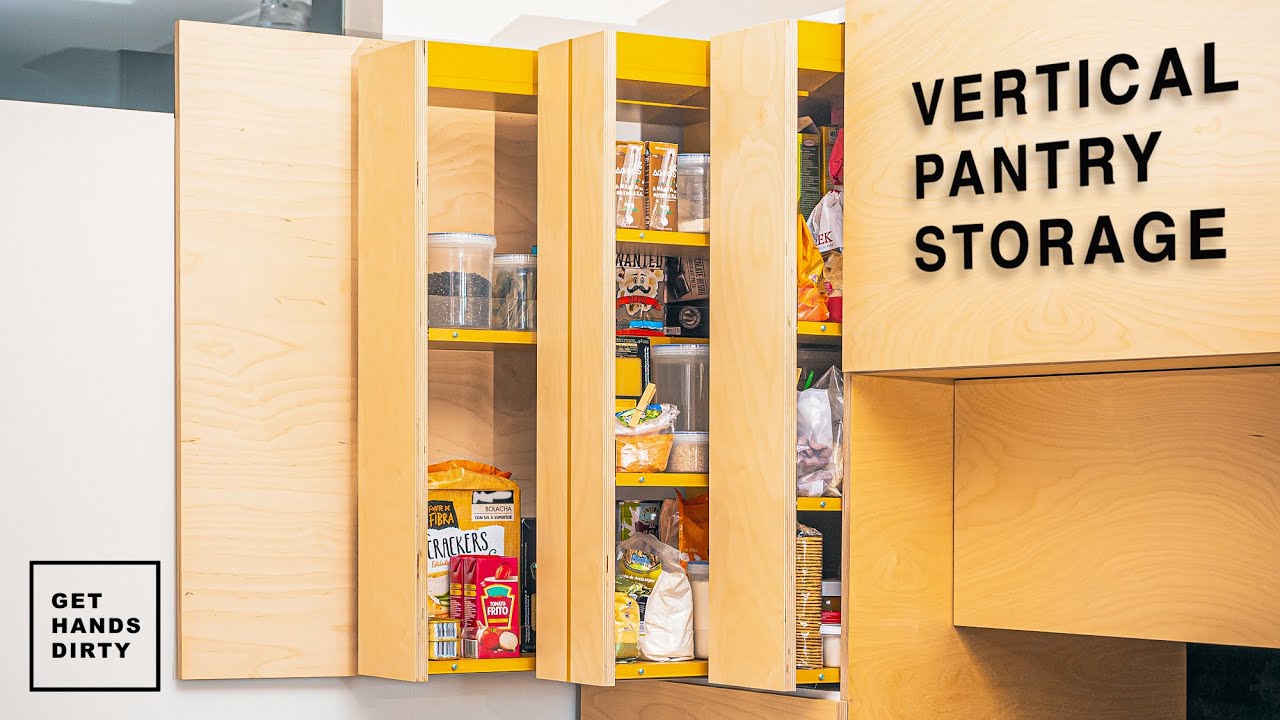
Credit: www.youtube.com
Frequently Asked Questions
What Tools Do I Need To Build A Vertical Pull Out Cabinet?
You need basic woodworking tools like a drill, saw, measuring tape, and screwdriver. Also, get drawer slides and screws for assembly. Safety gear like gloves and goggles is important too.
How Do I Measure Space For A Vertical Pull Out Cabinet?
Measure the height, width, and depth of the area where you want the cabinet. Leave extra space for the drawer slides to fit and move smoothly. Accurate measurements help avoid mistakes.
Can I Build A Vertical Pull Out Cabinet Myself?
Yes, building one is possible with basic woodworking skills and tools. Follow step-by-step plans and take your time for better results. It’s a good project for beginners.
What Materials Are Best For A Vertical Pull Out Cabinet?
Use sturdy plywood or hardwood for the cabinet body to hold weight well. Choose metal drawer slides for smooth, strong movement. Quality materials last longer and work better.
How Do I Install The Vertical Pull Out Cabinet?
Attach the drawer slides inside the cabinet space first. Then fix the cabinet frame securely and slide the pull out section into place. Test the movement to ensure it works smoothly.
Conclusion
Building a vertical pull-out cabinet adds smart storage to your space. It saves room and keeps things tidy. You can follow simple steps and use basic tools. This project fits well in kitchens, bathrooms, or closets. Take your time and measure carefully for the best fit.
Enjoy the extra space and easy access every day. Small changes can make your home more organized and neat. Give it a try and see the difference it makes.