Is your Ford Escape’s check engine light blinking? That flashing warning isn’t something you want to ignore.
It’s your car’s way of telling you that something serious might be wrong under the hood. If you keep driving without understanding the problem, you could end up with costly repairs or even risk your safety. You’ll learn exactly what a blinking check engine light means, why it happens, and what steps you should take right now to protect your vehicle and yourself.
Keep reading to avoid surprises and keep your Ford Escape running smoothly.

Credit: www.sherwoodford.ca
Common Causes Of A Blinking Check Engine Light
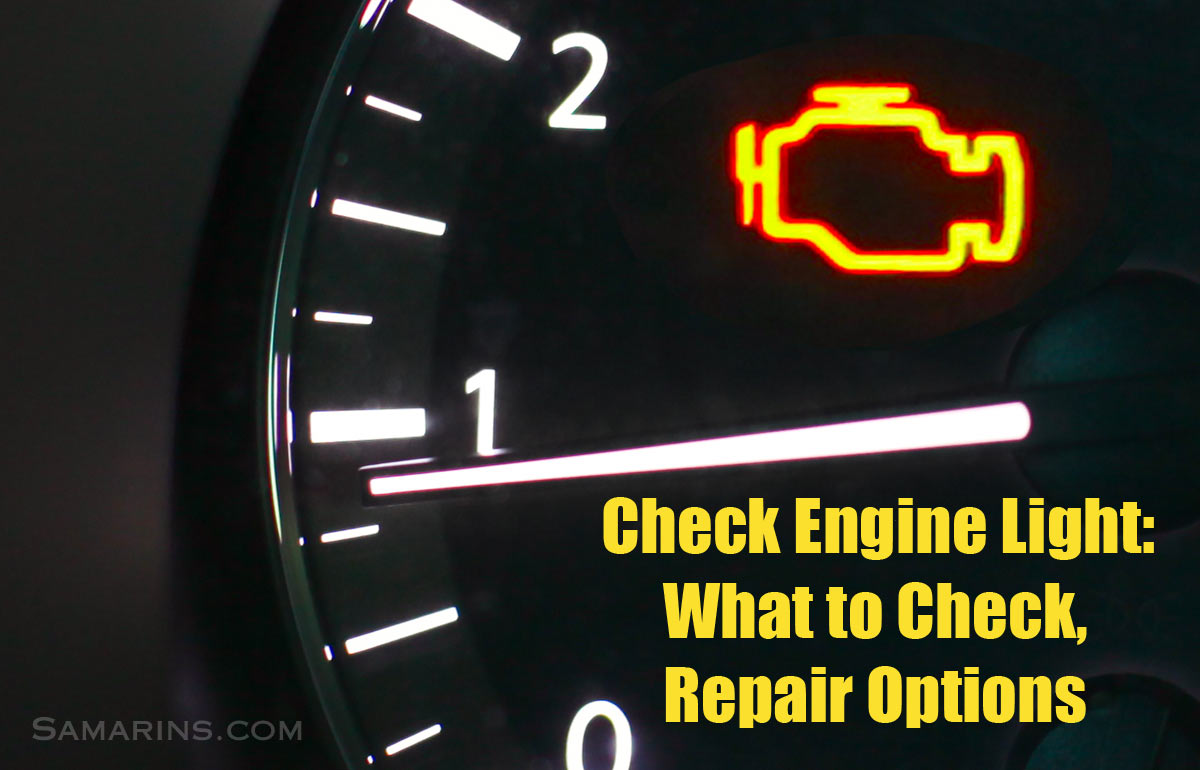
A blinking check engine light on your Ford Escape signals a serious problem. It means the engine is misfiring or something else is wrong. This warning should not be ignored. Driving with a blinking light can cause damage to your car’s engine.
Several common causes can trigger this blinking light. Understanding these helps you take quick action. Here are the main reasons why your check engine light might blink.
Engine Misfire
An engine misfire happens when the fuel and air do not burn properly. This causes rough running and poor performance. Misfires can damage the catalytic converter. Causes include bad spark plugs, faulty ignition coils, or dirty fuel injectors.
Ignition System Issues
The ignition system starts the engine’s combustion process. Faults like worn spark plugs or broken ignition coils can cause misfires. This leads to the blinking check engine light. Problems in this system reduce fuel efficiency and engine power.
Fuel System Problems
Fuel delivery issues affect engine performance. A clogged fuel filter or failing fuel pump can starve the engine of fuel. Poor fuel quality or injector problems also cause misfires. These issues trigger the check engine light to blink.
Sensor Malfunctions
Sensors monitor engine functions and send data to the computer. Faulty oxygen sensors or mass airflow sensors can cause errors. These errors make the engine run poorly and cause the light to blink. Sensor problems need quick diagnosis to avoid damage.
Credit: www.samarins.com
Risks Of Ignoring A Blinking Check Engine Light
The blinking check engine light on a Ford Escape signals an urgent issue. Ignoring this warning can lead to serious problems. The risks affect your engine, fuel costs, and even your safety. Understanding these risks helps you act quickly.
Potential Engine Damage
A blinking check engine light often means the engine misfires. Misfires can harm the engine’s parts over time. Ignoring this problem can cause costly repairs. The engine may lose power or even stop working. Early repair prevents serious damage.
Reduced Fuel Efficiency
A faulty engine wastes fuel. A blinking check engine light may indicate this issue. Your Ford Escape will use more gas than usual. This leads to higher fuel bills. Fixing the problem saves money and reduces pollution.
Safety Concerns
A blinking check engine light can mean safety risks. Engine misfires can cause sudden stalls. This may happen in dangerous places like highways. It can also affect other systems like brakes. Addressing the warning keeps you safer on the road.
Quick Diagnostic Steps
The check engine light blinking on your Ford Escape signals a problem. Acting fast can prevent serious damage. Start with quick diagnostic steps to find the issue. These steps help you understand the problem before visiting a mechanic.
Checking the problem yourself can save time and money. It also gives you peace of mind. Follow these simple methods to diagnose your car’s issue.
Using An Obd-ii Scanner
An OBD-II scanner reads error codes from your car’s computer. Plug it into the port under the dashboard. The scanner shows codes that explain the problem. Write down these codes for your mechanic or research them online. This is the fastest way to identify issues.
Checking For Loose Connections
Loose wires can cause the check engine light to blink. Look under the hood for disconnected or loose cables. Pay attention to connections near the battery and engine. Secure any loose wires you find. This simple check can often fix the problem.
Inspecting Spark Plugs And Wires
Faulty spark plugs or wires cause misfires and blinking lights. Remove the spark plugs to check for dirt or damage. Replace any worn or broken plugs and wires. Clean connections help your engine run smoothly. This step often solves ignition problems.
Immediate Fixes To Try
The check engine light blinking on your Ford Escape can be alarming. It signals a serious issue that needs quick attention. Some problems can be fixed right away without a trip to the mechanic. Trying these immediate fixes might save you time and money. They also help prevent further damage to your vehicle.
Resetting The Engine Light
Resetting the engine light can clear minor errors. First, turn off your car. Then, disconnect the battery for about 15 minutes. This action resets the car’s computer system. After reconnecting the battery, start the engine. Check if the light stays off. If it blinks again, further repairs may be needed.
Replacing Faulty Spark Plugs
Faulty spark plugs often cause the engine light to blink. Old or worn spark plugs fail to ignite fuel correctly. This leads to misfires and poor engine performance. Removing and replacing them with new spark plugs can fix this. Always use the right spark plugs for your Ford Escape. This simple fix improves engine running and stops the blinking light.
Fixing Vacuum Leaks
Vacuum leaks disturb the air-fuel mixture in the engine. These leaks cause the check engine light to blink. Inspect hoses and connections for cracks or breaks. Replace any damaged parts you find. You can use soapy water to spot leaks. Bubbles will form where air escapes. Fixing these leaks restores engine balance and stops the blinking light.
When To Seek Professional Help
The blinking check engine light on your Ford Escape signals a serious problem. It warns you to act quickly. Knowing when to seek professional help keeps your vehicle safe and running well. Some situations need expert care beyond basic troubleshooting.
Read on to learn about the key signs that require a visit to a mechanic or dealership.
Persistent Blinking Light
If the check engine light keeps blinking, do not ignore it. This often means an ongoing engine misfire. Driving with this issue can damage the catalytic converter. Stop driving and get professional help immediately.
Complex Engine Issues
Some engine problems are too complex for DIY fixes. Faulty sensors, fuel system faults, or ignition failures need special tools and skills. Mechanics use scanners to read error codes and fix the root cause. Professional diagnosis saves time and money in the long run.
Warranty And Service Considerations
Your Ford Escape may still be under warranty. Taking it to an authorized service center keeps your warranty valid. Experts follow manufacturer guidelines for repairs. This ensures quality work and protects your investment.
Preventive Maintenance Tips
Preventive maintenance helps keep your Ford Escape running smoothly. It lowers the chance of the check engine light blinking. Regular care saves you money on costly repairs later. Follow these tips to protect your engine and fuel system.
Regular Engine Tune-ups
Schedule engine tune-ups every 10,000 to 15,000 miles. Technicians check spark plugs, ignition wires, and filters. Replacing worn parts keeps the engine efficient and clean. Tune-ups reduce engine misfires that cause the check engine light to blink. They also improve fuel economy and performance.
Fuel System Cleaning
Fuel system cleaning removes dirt and deposits in injectors and fuel lines. Clean fuel systems help the engine burn fuel better. This lowers emissions and avoids rough idling or stalling. Use fuel additives or professional cleaning services every 30,000 miles. A clean fuel system prevents engine warning lights.
Routine Sensor Checks
Sensors monitor engine performance and send signals to the car’s computer. Faulty sensors can trigger the check engine light to blink. Check oxygen sensors, mass airflow sensors, and coolant sensors regularly. Replace any sensors showing wear or failure signs. Routine checks keep your Ford Escape’s engine healthy.

Credit: www.westlieford.com
Frequently Asked Questions
What Does A Blinking Check Engine Light Mean On Ford Escape?
A blinking check engine light means a serious engine problem. It signals a misfire that can damage the catalytic converter. Immediate attention is needed to avoid costly repairs.
Can I Keep Driving With A Blinking Check Engine Light?
Driving with a blinking light is risky and not recommended. It can cause more damage to the engine and exhaust system. Stop driving and get your car checked as soon as possible.
What Common Issues Cause The Blinking Check Engine Light?
Common causes include engine misfires, faulty spark plugs, or bad ignition coils. These issues disrupt engine performance and trigger the light. A mechanic can diagnose the exact problem.
How Do I Reset The Blinking Check Engine Light On Ford Escape?
Resetting the light without fixing the issue is not advised. The light will likely come back if the problem remains. Fix the problem first, then a mechanic can reset the light.
When Should I Visit A Mechanic For The Blinking Light?
Visit a mechanic immediately if the check engine light blinks. Delaying repair can lead to engine damage and expensive fixes. Early diagnosis helps keep your car safe and reliable.
Conclusion
A blinking check engine light on your Ford Escape signals an urgent problem. Ignoring it can cause serious damage. Stop driving and have a mechanic check the car soon. Simple fixes might save you money and stress. Stay alert to warning signs your vehicle gives.
Taking quick action helps keep your Escape running safely. Trust your instincts when something feels wrong under the hood. Regular maintenance also prevents these issues from happening. Keep your car healthy and avoid costly repairs.