Have you noticed a cloudy, dull haze ruining the beauty of your wood table? That frustrating foggy finish can make even the most elegant piece look old and neglected.
But don’t worry—fixing that cloudy finish is easier than you think. You’ll discover simple, effective steps to restore your table’s shine and bring back its natural charm. Keep reading, and you’ll learn exactly how to make your wood table look stunning again.
Causes Of Cloudy Finish
Cloudy finish on a wood table is a common problem. It makes the surface look dull and foggy. Understanding the causes helps to fix it properly. Different factors can create a cloudy layer. Some come from the environment, others from how the finish was applied.
Moisture Trapped Under Finish
Moisture is one of the main causes of a cloudy finish. Water can get trapped under the finish during application. Humid conditions or wet wood cause this issue. The trapped moisture creates tiny bubbles or a foggy look. This makes the finish lose its clear shine.
Heat Damage Effects
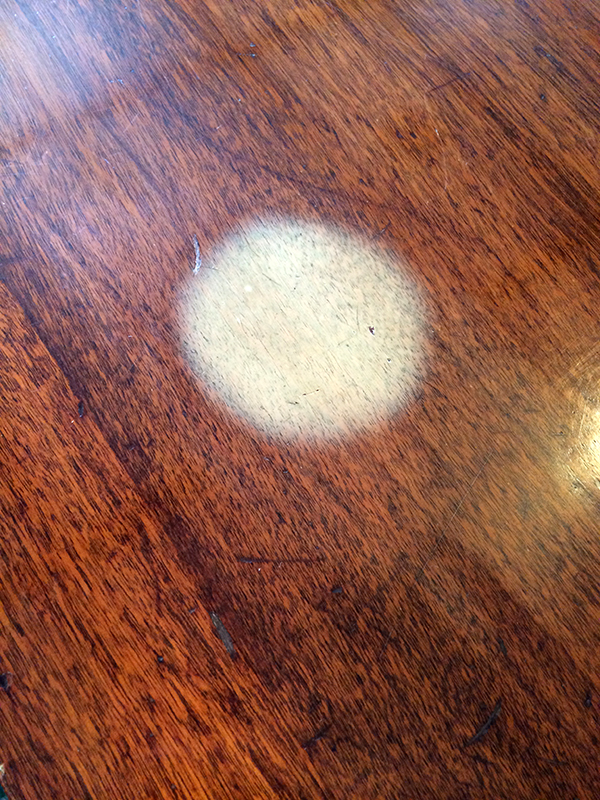
Heat can harm a wood finish too. Hot objects left on the table leave white marks. Heat changes the finish’s chemical structure. This damage causes a cloudy or milky appearance. The finish looks uneven and less glossy because of heat.
Wax Or Polish Build-up
Wax or polish build-up can cause cloudiness on wood. Using too much wax or wrong polish thickens the surface. Layers of wax block light from passing through. This makes the finish look dull and hazy. Cleaning off the excess wax can help restore clarity.
Old Or Incompatible Finishes
Old finishes can become cloudy over time. The finish breaks down and loses its shine. Also, mixing different types of finishes causes problems. Some finishes do not mix well and create a cloudy look. This happens when new finish reacts badly with old layers.
Tools And Materials Needed
Fixing a cloudy finish on a wood table requires the right tools and materials. Using proper supplies makes the job easier and ensures a smooth finish. Gather everything before starting. This saves time and avoids mistakes.
Cleaning Supplies
Start with cleaning supplies to remove dirt and grease. Use a soft cloth and mild dish soap mixed with water. Avoid harsh cleaners that can damage the wood finish. Clean the surface gently and dry it well before sanding.
Sanding Tools
Sanding tools help smooth the cloudy finish and remove imperfections. Use fine-grit sandpaper, such as 220 grit, for gentle sanding. A sanding block or sponge keeps pressure even. Sand lightly to avoid removing too much finish or damaging the wood.
Polishing Compounds
Polishing compounds restore shine and clarity to the finish. Choose a product made for wood surfaces. Apply a small amount with a soft cloth. Buff the surface in small circles until the finish looks clear and smooth. This step enhances the wood’s natural beauty.
Protective Gear
Protective gear keeps you safe during the process. Wear gloves to protect your hands from chemicals. Use a dust mask when sanding to avoid breathing dust. Safety glasses shield your eyes from dust and polish splashes. Safety first makes the job safer and more comfortable.
Cleaning The Surface
Cleaning the surface of a wood table is the first step to fix a cloudy finish. Dirt, dust, and grime can hide the table’s true shine. Removing these impurities helps restore the wood’s natural look. A clean surface also prepares the table for further treatment or refinishing.
Removing Dust And Dirt
Start by wiping the table with a soft, dry cloth. Use a microfiber cloth to trap dust effectively. Avoid rough materials that can scratch the wood. For stubborn dirt, gently brush with a soft-bristled brush. Dust and dirt can dull the finish and cause cloudiness.
Using Mild Detergents
Mix a few drops of mild detergent with warm water. Dip a soft cloth into the solution and wring it out well. Wipe the table surface gently to remove grease and grime. Rinse the cloth and wipe again to remove soap residue. Mild detergents clean without harming the wood finish.
Avoiding Water Damage
Do not soak the wood with water. Too much moisture can cause swelling and cloudiness. Use only damp cloths, not wet ones. Dry the surface immediately after cleaning. Protect the wood by avoiding standing water or spills.

Credit: www.reddit.com
Removing Cloudiness Without Sanding
Cloudiness on a wood table can spoil its beauty. Sanding feels like a big job. Many prefer easier ways to clear the haze without sanding. Simple household items and gentle methods help bring back the shine. These tricks save time and keep your table safe.
Using Heat To Evaporate Moisture
Heat can remove moisture trapped under the finish. Place a clean cloth on the cloudy spot. Use a hairdryer on low heat to warm the area. Keep the dryer moving to avoid damage. The heat helps the moisture evaporate, clearing the cloudiness. Check often to avoid overheating the wood.
Applying Mayonnaise Or Petroleum Jelly
Mayonnaise and petroleum jelly work as gentle remedies. Spread a small amount on the cloudy spot. Let it sit for a few hours or overnight. These oils soak into the finish and clear the haze. Wipe off with a clean cloth. Repeat if needed to improve the shine.
Polishing With Toothpaste Or Baking Soda
Toothpaste and baking soda act as mild abrasives. Mix a small amount with water to make a paste. Rub gently on the cloudy area using a soft cloth. Buff in circular motions to lift the cloudiness. Wipe clean with a damp cloth and dry well. These common items help brighten the finish safely.
Sanding Techniques For Stubborn Cloudiness
Removing stubborn cloudiness from a wood table can be tricky. Sanding is a key step to restore a clear, smooth finish. Proper sanding techniques help avoid damage and bring back the wood’s natural beauty.
Careful sanding removes the cloudy layer without scratching or dulling the surface. Follow these simple steps to get the best results and a polished look.
Choosing The Right Grit Sandpaper
Start with a fine grit sandpaper, like 220-grit, to avoid deep scratches. Coarser grits can leave marks that are hard to remove. If cloudiness remains, gently move to 320-grit. Always test on a small, hidden area first.
Sanding With The Grain
Sand in the direction of the wood grain. This prevents scratches across the surface. Use light, even pressure and short strokes. Avoid sanding too much in one spot. Patience leads to a smoother finish.
Cleaning After Sanding
Remove all dust after sanding. Use a soft cloth or tack cloth to wipe the surface. Dust can cause cloudiness when finishing. Clean surfaces help new finishes stick better and look clear.
Reapplying Finish
Reapplying the finish on a cloudy wood table can restore its beauty and protect the surface. This process requires care and the right technique. Taking the right steps helps avoid more cloudiness or damage. Here are essential tips to get a smooth, clear finish.
Selecting The Proper Finish Type
Choose a finish that matches your table’s original coating. Common finishes include polyurethane, varnish, shellac, and lacquer. Using the wrong type can cause poor adhesion or cloudiness. Look for water-based finishes if you want a clearer, less yellow tint. Oil-based finishes add warmth but may yellow over time. Always check the label for compatibility with your wood and previous finish.
Applying Thin, Even Coats
Apply thin layers of finish rather than thick ones. Thick coats dry unevenly and trap moisture, causing cloudiness. Use a high-quality brush or foam applicator for smooth strokes. Brush in the direction of the wood grain to reduce streaks. Let each coat dry before adding the next to build a strong, clear finish.
Drying And Curing Times
Allow enough time for the finish to dry between coats. Drying time varies by product and room conditions. Avoid rushing the process to prevent a cloudy or sticky surface. After the final coat, let the table cure fully before use. Full curing can take days to weeks. Patience ensures the finish hardens well and stays clear.
Preventing Future Cloudy Finishes
Preventing a cloudy finish on a wood table keeps it looking clear and beautiful for years. Simple care steps help protect the finish and avoid damage. A few daily habits go a long way to maintain the wood’s shine and smoothness.
Proper Table Maintenance
Keep the table dry and free from dust. Use coasters under glasses and plates. Avoid placing heavy or sharp objects directly on the surface. Regularly check for scratches or dents. Fix small issues quickly to stop them from getting worse.
Avoiding Heat And Moisture Exposure
Do not put hot dishes or pots directly on the table. Use heat-resistant mats or trivets. Wipe up spills immediately to stop water damage. Keep the table away from windows or humid areas. Heat and moisture cause the finish to cloud and peel.
Regular Cleaning And Polishing
Dust the table with a soft cloth often. Clean gently using a damp cloth and mild soap. Avoid harsh chemicals that strip the finish. Apply furniture polish or wax a few times each year. This adds a protective layer and keeps the surface shiny.

Credit: www.youtube.com
When To Consult A Professional
Knowing when to call a professional is important for fixing a cloudy finish on a wood table. Some problems need expert care to avoid further damage. Professionals have the right tools and skills to restore your table properly.
Severe Damage Cases
Cloudiness caused by deep water stains or heat marks may need expert repair. Scratches that go through the finish can weaken the wood. Professionals can assess the damage and use special products or techniques. Trying to fix severe damage alone might make it worse.
Restoration Vs Replacement
Experts can help decide if the table should be restored or replaced. Sometimes the wood is too damaged to fix well. A professional will check the table’s condition and suggest the best option. Restoration can save money but might not work for all tables.
Cost Considerations
Professional repair costs vary depending on damage and size. Restoration usually costs less than buying a new table. It is wise to compare repair prices and replacement costs. Spending on repair can keep your table looking good for years.
Credit: www.renaissancewoodworker.com
Frequently Asked Questions
What Causes A Cloudy Finish On A Wood Table?
A cloudy finish usually happens from moisture trapped under the surface. It can also be caused by cleaning products or heat exposure. This moisture creates a foggy, dull look on the wood.
How Can I Remove A Cloudy Finish From Wood?
Light sanding with fine-grit sandpaper often clears the cloudiness. Using a wood cleaner or polish helps restore shine. Avoid harsh chemicals that can damage the wood further.
Can Heat Fix A Cloudy Finish On Wood Furniture?
Applying gentle heat with a hairdryer can sometimes remove moisture under the finish. Keep the dryer moving and don’t overheat the wood. This method works best for minor cloudiness.
Is It Safe To Use Household Products To Fix Cloudiness?
Some household items like vinegar or baking soda can help clean the surface. Test on a small area first to avoid damage. Avoid abrasive cleaners that can worsen the finish.
How Do I Prevent A Cloudy Finish From Returning?
Keep wood tables away from water and heat sources. Use coasters and clean spills immediately. Regular polishing helps maintain the wood’s clear, smooth finish.
Conclusion
Fixing a cloudy finish on a wood table is simple with the right steps. Clean the surface gently and use mild products. Light sanding can help remove stubborn haze. Always test methods on a small area first. Patience matters—work slowly to avoid damage.
A clear, smooth finish brings out the wood’s natural beauty. Regular care keeps your table looking great for years. Try these tips to restore your table’s shine today.