
If you have a wood burning stove, you know how cozy and warm it makes your space. But what if you could spread that heat to other rooms too?
Learning how to duct heat from your wood burning stove can help you stay warmer all over your home without extra fuel or expense. Imagine feeling that comforting warmth in every corner, even on the coldest days. You’ll discover simple, practical ways to make your stove work harder for you.
Keep reading, and you’ll find easy tips to boost your home’s heat and comfort right now.

Credit: www.youtube.com
Benefits Of Ducting Heat
Ducting heat from a wood burning stove has many benefits. It helps spread warmth more evenly. This method uses the stove’s heat in a smarter way. It can make your home cozy and warm in different rooms. You get more from your stove without extra fuel. This section explains why ducting heat is a good idea.
Improving Heat Distribution
Heat from a wood stove usually stays in one room. Ducting moves this heat to other parts of the house. It helps avoid cold spots far from the stove. Warm air travels through ducts to reach more rooms. This creates a balanced temperature throughout your home. Everyone feels comfortable, not just near the stove.
Energy Efficiency Gains
Ducting heat uses less wood to warm your home. It spreads heat better, so the stove works smarter. You do not need extra heaters in other rooms. This saves energy and lowers your heating bills. Using one stove for many rooms is efficient. It also reduces waste and helps the environment.
Enhancing Comfort In Multiple Rooms
Warmth flows into rooms that are usually cold. You can enjoy cozy temperatures in bedrooms and living areas. Ducted heat keeps the air fresh and warm. It helps avoid chilly drafts or cold floors. The whole house feels inviting and pleasant. This makes your home more comfortable for family and guests.

Credit: www.reddit.com
Choosing The Right Ducting System
Choosing the right ducting system is important for moving heat efficiently from a wood burning stove. The system must handle hot air safely and spread warmth evenly. Picking good materials and the correct size ensures the stove works well and stays safe. Insulation also plays a role in keeping heat inside the ducts.
Types Of Duct Materials
Metal ducts are common for wood stove heating. Steel and aluminum resist heat and last long. Steel is stronger but heavier. Aluminum is lighter and easier to install. Avoid plastic ducts since they can melt or catch fire. Some metal ducts come with a shiny finish to reflect heat better.
Sizing Ducts For Optimal Flow
Choose duct size based on the stove’s heat output. Larger ducts move more air but take more space. Smaller ducts limit airflow and reduce warmth. Measure the distance from the stove to where heat is needed. Use wider ducts for longer runs to keep air moving fast. Good airflow means better heat distribution.
Considering Insulation Options
Insulating ducts helps keep heat inside the pipes. This reduces heat loss and warms rooms faster. Use insulation wraps made for metal ducts. They are easy to add around the pipes. Insulation also protects walls and ceilings from heat damage. Make sure insulation materials are fire-resistant for safety.
Planning Your Duct Layout
Planning your duct layout is a key step for moving heat from a wood burning stove. A well-thought plan helps spread warmth evenly across rooms. It saves energy and makes your home cozier. Think about the best path for ducts and how to keep heat inside the pipes. This section covers how to plan your duct layout clearly and simply.
Assessing Room Locations
Start by checking which rooms need heat the most. Rooms near the stove get warmth naturally. Farther rooms may need longer ducts. Think about doors and windows that let heat escape. Rooms that you use often should get more heat. Measure distances and plan ducts to reach these rooms easily.
Minimizing Heat Loss
Heat loss happens when warm air cools in ducts. Use insulated ducts to keep heat inside. Avoid long duct runs with many bends. Each bend lowers heat flow. Seal duct joints tightly to stop leaks. Place ducts away from cold areas like basements. These steps keep more heat where you want it.
Avoiding Common Installation Pitfalls
Do not block ducts with furniture or doors. Avoid sharp turns that slow air movement. Make sure ducts have enough slope for air to flow. Use the right size ducts for your stove’s heat output. Plan access points for cleaning and maintenance. These tips prevent problems and keep heat moving well.
Installation Techniques
Installing ducts to move heat from a wood burning stove requires careful planning. Proper installation helps spread warmth evenly and safely. This section covers key techniques for setting up your duct system.
Connecting To The Stove
Start by attaching the duct to the stove’s heat outlet. Use a high-temperature resistant connector. Make sure the connection fits tightly. Loose connections cause heat loss and reduce efficiency. Metal collars or clamps work well to secure joints. Keep the duct short near the stove to avoid heat drop.
Securing And Sealing Ducts
Fasten ducts firmly to walls or ceilings. Use brackets or straps to hold ducts in place. This prevents movement and air leaks. Seal all duct joints with heat-resistant tape or mastic. Sealing stops warm air from escaping. Check for gaps around duct openings and seal them too.
Incorporating Fans And Boosters
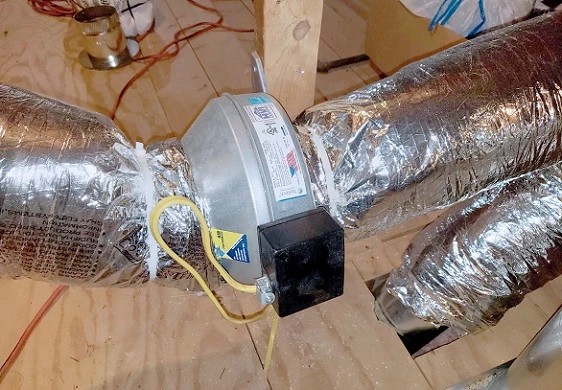
Fans help push warm air through the ducts faster. Place booster fans near the stove or along the duct line. Choose fans designed for high temperatures. These fans improve heat flow in long duct runs. Use a thermostat-controlled fan for automatic operation. It turns on only when needed, saving energy.
Maintaining Your Duct System
Maintaining your duct system is important for safety and efficiency. A well-kept duct helps spread heat evenly. It also keeps your home safe from smoke and fire risks. Regular checks and cleaning keep the system working well. Small issues can become big problems without care.
Regular Cleaning Tips
Clean your ducts every few months. Dust and soot build up inside ducts. This buildup blocks airflow and lowers heat output. Use a soft brush or vacuum to remove debris. Avoid harsh chemicals that can damage ducts. Clean around vents and stove connections carefully.
Checking For Leaks And Damage
Look for holes or cracks in the duct system. Leaks let heat escape and reduce efficiency. Use foil tape to seal small leaks. Replace sections that are badly damaged. Check joints and connections where leaks often happen. A tight seal keeps heat where you want it.
Optimizing Performance Over Time
Inspect the duct system every season. Adjust duct placement if heat flow changes. Keep vents clear of furniture or curtains. Use insulation around ducts in cold areas. This keeps heat from escaping outside. Regular care helps your stove heat better and last longer.
Credit: www.efireplacestore.com
Safety Considerations
Safety is the top priority when ducting heat from a wood burning stove. Proper care prevents accidents and keeps your home safe. Understanding key safety points helps you avoid fire risks and health issues.
Preventing Fire Hazards
Keep all duct pipes away from flammable materials. Use heat-resistant pipes designed for wood stoves. Check pipes for cracks or damage regularly. Install a spark guard near the stove to catch flying embers. Clean ducts often to remove soot and creosote buildup. These steps reduce fire chances in your home.
Ensuring Proper Ventilation
Good airflow prevents smoke buildup inside. Make sure ducts have enough openings for air to flow freely. Avoid blocking vents with furniture or curtains. Use fans if needed to help move warm air. Proper ventilation also stops dangerous gases like carbon monoxide from accumulating. Always test your home’s air quality after installing ducts.
Following Local Building Codes
Building codes set rules for safe stove installation. Check local laws before starting duct work. Codes often require specific pipe materials and clearances. Permits may be needed for installation or changes. Hiring a certified professional ensures compliance with these rules. Following codes protects your family and your property.
Frequently Asked Questions
How Can I Safely Duct Heat From A Wood Stove?
Use insulated metal pipes designed for wood stoves. Keep pipes away from flammable materials and follow local codes.
What Materials Work Best For Wood Stove Heat Ducts?
Metal, especially steel or aluminum, works best. These materials handle heat well and last longer.
How Far Can Heat Be Ducted From The Stove?
Heat can be ducted 10 to 20 feet safely. Beyond that, heat loss may reduce effectiveness.
Can I Use Flexible Ducts To Move Stove Heat?
Flexible ducts are less efficient and can be unsafe. Rigid metal ducts are recommended for better heat flow.
How Do I Maintain Heat Ducts From A Wood Stove?
Check ducts regularly for blockages or damage. Clean them yearly to keep heat flowing and avoid fire risks.
Conclusion
Ducting heat from a wood burning stove spreads warmth through your home. It saves energy and keeps rooms cozy during cold days. Proper installation ensures the system works safely and well. Use good materials to avoid leaks and heat loss.
Keep ducts clean to maintain good airflow. This simple method helps you enjoy your stove more fully. Warmth where you need it, without extra cost or effort. Try these steps to make your home comfortable all winter.