If you want to make your stairs safer and more durable, gluing rubber stair treads to wood is a smart choice. But how do you do it right?
You might worry about the treads slipping or peeling off over time. Don’t worry—this guide will show you simple, effective steps to get a strong, lasting bond. By the end, you’ll know exactly how to glue your rubber stair treads so they stay put and keep your stairs looking great.
Keep reading to make your stairs safer and more comfortable today!

Credit: www.amazon.com
Choosing The Right Adhesive
Choosing the right adhesive is key to a strong bond between rubber stair treads and wood. The wrong glue can cause the treads to peel or slip. Selecting the best adhesive ensures safety and durability. It also makes the installation easier and more effective.
Types Of Adhesives For Rubber And Wood
Contact cement is a popular choice for gluing rubber to wood. It sticks quickly and holds firmly. Make sure to apply it on both surfaces for best results.
Construction adhesive is thick and strong. It works well for heavier stair treads. It fills gaps and creates a tough bond.
Epoxy glue offers great strength and water resistance. It is perfect for outdoor or high-moisture areas. It takes longer to dry but holds very well.
Rubber-based adhesives are flexible and work well with rubber materials. They keep the treads from cracking or breaking over time.
Factors To Consider When Selecting Glue
Check if the adhesive works on both rubber and wood. Some glues bond only one type of material well.
Consider drying time. Faster drying glues save time but need quick application.
Think about the environment. Some adhesives resist water, heat, or cold better than others.
Look for non-toxic or low-odor options if you work indoors. This keeps the air safe to breathe.
Price and availability matter. Choose an adhesive that fits your budget and is easy to buy.
Preparing The Wood Surface
Preparing the wood surface is the first step to attach rubber stair treads correctly. The wood must be clean and smooth. This helps the glue stick well and keeps the treads from lifting later.
Taking time here makes the whole job easier. It also makes the stairs safe to use.
Cleaning And Drying The Wood
Remove dirt, dust, and grease from the wood surface. Use a broom or vacuum to clear loose debris. Next, wipe the area with a damp cloth. Avoid soaking the wood. Let it dry fully before gluing. Moisture can stop glue from bonding properly.
Sanding For Better Adhesion
Lightly sand the wood with medium-grit sandpaper. This roughens the surface slightly. A rough surface gives glue more to hold on to. After sanding, clean off dust with a dry cloth. Now the wood is ready for glue and treads.
Preparing The Rubber Treads
Preparing the rubber treads is an important step before gluing them to wood stairs. Proper preparation ensures a strong bond and long-lasting results. Taking time to clean and check the treads helps avoid problems later. This section explains how to prepare rubber treads for a smooth installation.
Cleaning The Rubber Surface
Start by cleaning the rubber surface thoroughly. Dirt, dust, and oils can stop glue from sticking well. Use a mild soap and warm water to wash the treads. Scrub gently with a soft brush or cloth. Rinse with clean water and let the rubber dry completely. Avoid using harsh chemicals that might damage the rubber.
Checking For Fit And Alignment
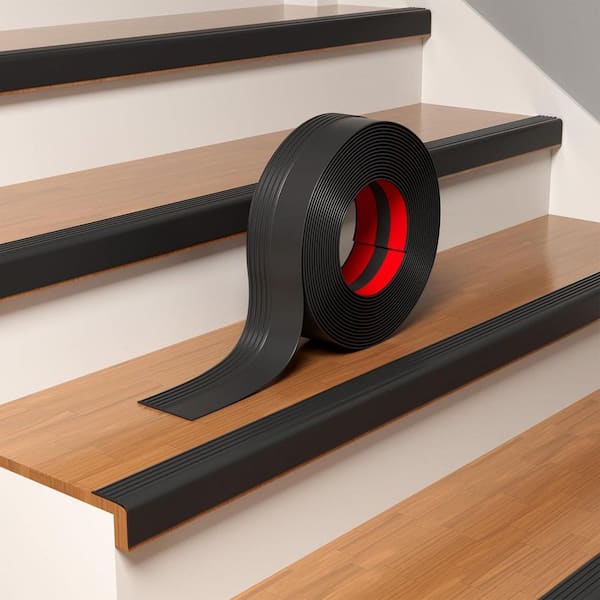
Place the rubber treads on the wood stairs without glue. Check if they fit the step shape and size exactly. Make sure the edges line up evenly with the wood. Adjust or trim the treads if needed for a perfect fit. Mark any spots where the tread might need extra attention. This step helps prevent mistakes during gluing.
Credit: www.homedepot.com
Applying The Adhesive
Applying adhesive correctly is key to securing rubber stair treads on wood. The right method ensures strong bonding and lasting results. Take your time and prepare the surfaces properly before gluing. Follow simple steps to avoid common mistakes and get the best hold.
Proper Glue Application Techniques
Start by cleaning the wood surface to remove dust and dirt. Use a clean cloth and mild cleaner. Let the surface dry completely before applying glue. Apply the adhesive evenly using a trowel or brush. Cover the entire back of the rubber tread with a thin, uniform layer. Avoid thick globs of glue that may cause lumps. Press the tread firmly onto the wood. Use a roller or hand pressure to remove air bubbles. Hold the tread in place for a few minutes to set.
Tips For Avoiding Mess And Waste
Use painter’s tape around the edges to protect areas from excess glue. Work in small sections to prevent the glue from drying out too fast. Keep a damp cloth nearby to wipe away spills immediately. Do not apply too much adhesive; a thin layer works best. Store glue in a sealed container to keep it fresh. Clean your tools right after use to avoid hardened residue. These steps reduce waste and keep your work tidy.
Attaching The Rubber Treads
Attaching rubber stair treads to wood requires care and attention. This step is crucial for a strong, lasting hold. Proper attachment prevents slipping and keeps the treads in place over time. Follow these simple methods to secure your rubber treads safely and neatly.
Positioning And Pressing Down
Place the rubber tread carefully on the wooden stair. Align edges evenly with the stair edges. Press the tread firmly to spread the glue evenly. Use your hands to press from the center outward. This action removes air bubbles and ensures good contact. Hold pressure for at least 30 seconds for better grip.
Using Clamps Or Weights For Secure Bonding
After pressing, use clamps or weights to keep the tread in place. Clamps provide steady pressure on edges and corners. Weights work well for flat, even surfaces. Leave them on for 12 to 24 hours. This allows the glue to dry and bond fully. Avoid walking on the stairs during this time.
Curing And Drying Time
Curing and drying time is very important when gluing rubber stair treads to wood. It ensures the glue sets properly and the tread sticks firmly. Rushing this process can cause the treads to peel or shift. Patience helps achieve a strong bond that lasts.
Knowing how long to wait before using the stairs keeps the job safe and secure. Different glues have different curing times. The environment also changes how fast the glue dries.
Recommended Waiting Periods
Most rubber stair tread adhesives need at least 24 hours to cure fully. Some types require 48 hours for best results. Check the glue label for exact times.
Keep the stairs free from traffic during this period. Avoid placing heavy objects on the treads. These steps help the glue form a strong hold.
Environmental Factors Affecting Drying
Temperature and humidity affect drying speed greatly. Warm, dry air speeds up curing. Cold or damp conditions slow it down.
Good air circulation helps glue dry evenly. Avoid sealing the area tightly during curing. Proper ventilation prevents moisture buildup under the tread.
Direct sunlight can also speed drying but may cause uneven bonding. Aim for moderate, consistent conditions for best results.
Maintaining And Repairing Stair Treads
Maintaining and repairing rubber stair treads keeps them safe and looking good. Regular care helps the treads last longer and prevents accidents. Small problems can turn into big issues if ignored. This section shows simple ways to clean and fix your stair treads. Follow these tips to keep your stairs in top shape.
Cleaning Tips For Longevity
Clean stair treads regularly to stop dirt build-up. Use a soft brush or broom to remove loose dust. Wipe the treads with a damp cloth and mild soap. Avoid harsh chemicals that can damage rubber. Dry the surface well to prevent slips. Regular cleaning keeps the treads firm and fresh.
Fixing Loose Or Damaged Treads
Check stair treads often for any looseness or damage. If a tread feels loose, lift it gently to check the glue. Clean off old glue and dirt before reapplying new adhesive. Press the tread firmly back in place and let it dry. For small tears, use rubber adhesive or patch kits. Replace treads that are badly worn or cracked to keep stairs safe.

Credit: www.amazon.com
Frequently Asked Questions
What Type Of Glue Works Best For Rubber Stair Treads?
Contact cement is the best glue for rubber stair treads. It bonds well to both rubber and wood surfaces. Make sure to apply it evenly on both surfaces before pressing.
How Do I Prepare Wood Before Gluing Rubber Treads?
Clean the wood surface from dust and dirt using a cloth. Lightly sand the wood to create a rough texture for better glue grip. Ensure the surface is dry before applying glue.
How Long Should I Press Rubber Treads After Gluing?
Press the rubber treads firmly for about 5 minutes to secure the bond. Use heavy objects or clamps to keep pressure while the glue dries. Full curing may take up to 24 hours.
Can I Glue Rubber Treads On Painted Wood Stairs?
It’s best to remove loose paint before gluing. The glue bonds better to bare wood or well-adhered paint. Sand the painted surface lightly for stronger adhesion.
How Do I Avoid Bubbles Under Rubber Stair Treads?
Apply glue evenly and press the tread carefully from one edge to the other. Use a roller or flat tool to smooth out air bubbles. Work slowly to prevent trapping air underneath.
Conclusion
Gluing rubber stair treads to wood is simple with the right steps. Clean the wood surface well before applying glue. Use a strong adhesive made for rubber and wood. Press the tread firmly and let it dry fully. This method helps your stairs stay safe and look neat.
Following these tips saves time and avoids mistakes. Enjoy your improved stairs with confidence and ease.