
Are you ready to transform your outdoor deck into a cozy, usable room all year round? Enclosing your deck can add valuable living space, boost your home’s value, and give you a perfect spot to relax no matter the weather.
But where do you start? This guide will walk you through simple steps to turn your open deck into a comfortable room that feels like a natural part of your home. Keep reading, and you’ll discover how easy it can be to create a space you’ll love spending time in every day.
Benefits Of Enclosing A Deck
Enclosing a deck turns outdoor space into a useful room. It offers many benefits that improve your home and lifestyle. You get more space, comfort, and value. Let’s explore these advantages in detail.
Expanding Living Space
Enclosing a deck creates extra room for family and guests. It can become a dining area, playroom, or a quiet retreat. This new space feels like part of your home. It lets you enjoy outdoor views without leaving inside comfort.
Enhancing Home Value
Adding an enclosed deck increases your home’s market appeal. Buyers appreciate extra living areas and versatile spaces. It shows you have cared for your home. This upgrade can lead to higher resale value and faster sales.
Year-round Comfort
Enclosed decks protect you from weather elements like rain, wind, and bugs. You can use this space all year long. Heating or cooling options make it cozy in any season. Enjoy fresh air without sacrificing comfort.
Planning Your Enclosure
Planning your deck enclosure starts with careful thought and preparation. Turning your deck into a room needs smart decisions. This step helps ensure a safe, comfortable, and lasting space.
Assessing Your Deck Structure
Check if your deck can support walls and a roof. Look for strong beams and posts. Make sure the wood is in good condition. Rotten or weak parts need repair or replacement. Consider the deck’s size and shape for your new room.
Choosing The Right Materials
Select materials that match your home and climate. Wood frames offer a classic look but need maintenance. Aluminum or vinyl are low-maintenance options. Use insulated windows and doors to keep the room cozy. Think about how materials affect light and air flow.
Budget Considerations
Set a clear budget before buying materials or hiring help. Factor in costs for permits, materials, labor, and finishing touches. Look for affordable options without losing quality. Plan for unexpected expenses during construction. A well-planned budget keeps the project on track.
Design Ideas For Your Enclosed Deck
Designing your enclosed deck can transform it into a cozy, usable room. The right design brings comfort and style. It also protects from bugs and weather. Choose a design that fits your home and lifestyle. Explore ideas that suit different needs and budgets.
Screened-in Porches
Screened-in porches offer fresh air without bugs. They use mesh screens to keep insects out. This design keeps the space open and airy. You can enjoy a breeze and outdoor views. It works well for warm climates and evenings.
Sunrooms And Solariums
Sunrooms and solariums let in lots of natural light. They often have large windows or glass walls. These rooms feel bright and warm all year. They provide a peaceful spot to relax or read. This design is perfect for cold or shady areas.
Glass Enclosures
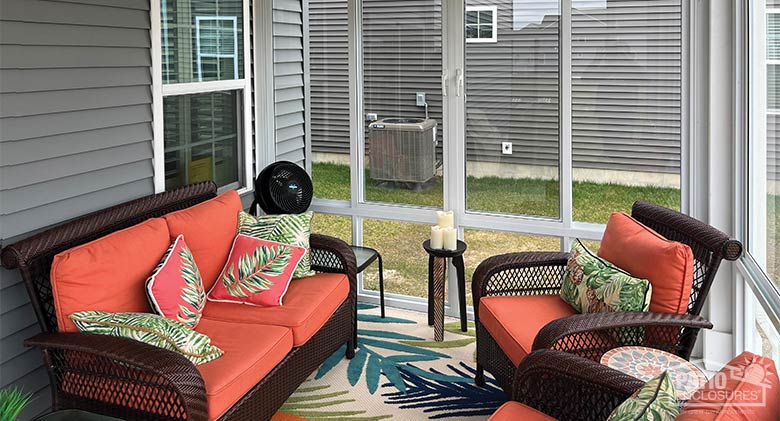
Glass enclosures create a modern, sleek look. They use clear panels to protect from wind and rain. You see outside clearly while staying comfortable inside. Glass walls can slide open for fresh air. This style adds value and a feeling of space.
Credit: www.youtube.com
Step-by-step Enclosure Process
Turning a deck into a usable room requires a clear plan and careful work. The process includes several important steps. Each one helps make the space strong, safe, and comfortable. Follow the guide below to understand what to do and when.
Preparing The Deck
Start by cleaning the deck surface. Remove all furniture and debris. Check the deck’s structure for any damage or weak spots. Replace or repair any rotten wood. Ensure the deck is level and stable. This step creates a solid base for the enclosure.
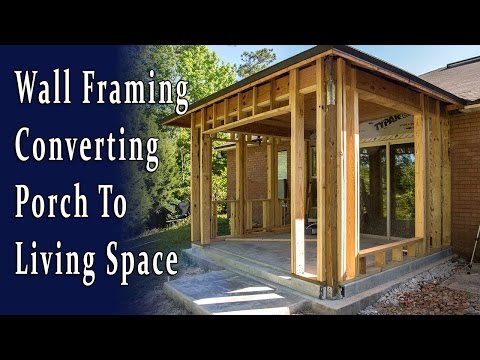
Framing The Walls
Next, build the walls around the deck. Use treated lumber for the frame. Measure and cut the wood to fit the deck’s size. Secure the frames to the deck and house. Make sure the walls are straight and square. This framing forms the skeleton of the new room.
Installing Windows And Doors
Choose windows and doors that fit your needs and style. Cut openings in the framed walls for these units. Install windows and doors carefully, sealing all gaps. Proper sealing keeps out drafts and moisture. This step lets in light and provides access.
Adding Insulation And Finishing Touches
Insulate the walls to keep the room warm in winter. Use foam board or fiberglass insulation between the studs. Cover insulation with drywall or paneling. Paint or decorate the walls as desired. Add flooring and lighting to complete the space. These touches make the room cozy and livable.
Lighting And Ventilation Tips
Lighting and ventilation are key to making a deck feel like a true room. They help create a bright, fresh space you want to spend time in. Good light lifts the mood and makes the room inviting. Proper airflow keeps the space cool and prevents stuffiness. Both need careful planning for the best results.
Maximizing Natural Light
Use large windows or glass doors to bring in sunlight. Choose clear or lightly tinted glass to avoid darkening the room. Skylights add light from above and open up the space. Light colors on walls and ceilings reflect daylight well. Avoid heavy curtains; opt for sheer ones to keep light flowing.
Ensuring Proper Airflow
Install windows that open easily on opposite sides for cross ventilation. Ceiling fans help move air and keep the room comfortable. Vents near the floor and ceiling allow hot air to escape. Avoid blocking airflow with furniture or heavy drapes. Consider adding a screened door to bring in fresh air without bugs.
Choosing Light Fixtures
Pick LED lights for energy savings and bright, clear light. Use layered lighting: a mix of overhead, task, and accent lights. Warm white bulbs create a cozy, welcoming feel. Dimmable fixtures let you adjust brightness as needed. Place lights near seating areas for reading or relaxing.
Heating And Cooling Options
Enclosing a deck to create a room means thinking about heating and cooling. Proper temperature control makes the space usable all year. It helps keep the room comfortable during hot summers and cold winters. Several options exist to control the climate inside your new room.
Portable Heaters And Fans
Portable heaters offer quick warmth where you need it. They are easy to move around the room. Electric and propane heaters are popular choices. Fans help cool the space in warm weather. A combination of heaters and fans can balance temperature fast. These devices need little installation and work well for small areas.
Mini-split Systems
Mini-split systems provide both heating and cooling. They install on the wall or ceiling. These systems use less energy than central air systems. Quiet operation makes them great for living spaces. You control temperature with a remote or app. Mini-splits keep the room comfortable year-round without ducts.
Insulation Strategies
Good insulation helps keep heat inside during winter. It also blocks heat during summer. Insulate walls, floors, and ceilings for best results. Use weather stripping around doors and windows. Proper insulation lowers energy bills and improves comfort. It works well with heaters and cooling systems.
Permits And Regulations
Enclosing a deck to create a new room requires more than just materials and labor. You must follow local rules and regulations. These rules ensure safety and proper construction. Ignoring permits can lead to fines or having to undo your work. Understanding permits and regulations helps avoid problems and keeps your project on track.
Checking Local Building Codes
Start by checking your local building codes. These codes explain what is allowed in your area. They cover things like size limits, materials, and safety standards. Visit your city or county building department website. You can also call or visit in person. Knowing the rules first saves time and money later.
Obtaining Necessary Permits
Most deck enclosures need a building permit. You must apply for this before starting work. The permit process usually needs a plan or drawing of your project. Submit these to your local building office. They will review and approve the plan if it meets rules. Never start without a permit. It protects you and your property.
Hiring Professionals Vs Diy
Decide if you want to hire a professional or do it yourself. Professionals know the rules and how to get permits. They often make the process smoother. Doing it yourself can save money but needs more effort. You must understand the codes and paperwork. Mistakes can cause delays or extra costs. Choose what fits your skills and budget best.
Credit: www.patioenclosures.com
Maintaining Your Enclosed Deck
Maintaining your enclosed deck keeps it safe and comfortable all year. Proper care prevents damage and extends its life. Simple routines help your deck look great and stay strong.
Cleaning And Upkeep
Regular cleaning removes dirt and dust. Use a soft broom or vacuum to clear floors. Wipe windows and screens with mild soap and water. Avoid harsh chemicals that can damage surfaces. Check furniture and decorations for dust buildup. Clean spills quickly to avoid stains.
Seasonal Maintenance Tips
Check your deck each season for wear or damage. Tighten loose screws and nails. Inspect seals around windows and doors. Replace weatherstripping if you feel drafts. Clear leaves and debris from corners and gutters. Prepare your deck for winter by covering furniture or moving it inside.
Preventing Moisture Damage
Moisture can harm wood and cause mold. Keep gutters and drains clear to avoid water pooling. Use a dehumidifier if humidity is high inside the room. Check for leaks in the roof or walls. Repair any cracks or gaps quickly. Good ventilation helps reduce moisture buildup.

Credit: www.youtube.com
Frequently Asked Questions
What Materials Are Best For Enclosing A Deck?
Wood, vinyl, and aluminum are popular materials for deck enclosures. Each offers different durability and maintenance needs. Choose based on your budget and climate.
How Long Does It Take To Enclose A Deck?
Enclosing a deck typically takes one to three weeks. Time depends on size, materials, and weather conditions. Professional help can speed up the process.
Can I Enclose A Deck Myself?
Yes, many homeowners enclose decks as DIY projects. Basic carpentry skills and tools are needed. Safety and local building codes must be followed.
Do Enclosed Decks Increase Home Value?
Enclosed decks often add value by creating extra living space. Buyers like usable rooms year-round. Quality work and design affect the value boost.
What Are Common Costs For Deck Enclosure?
Costs range from $5,000 to $15,000 or more. Price depends on materials, size, and labor. Planning a budget helps avoid surprises.
Conclusion
Enclosing a deck creates extra space for your home. It offers protection from weather and bugs. You can enjoy the outdoors all year long. Simple steps make the project easy to follow. Choose materials that fit your style and budget.
Think about lighting and ventilation for comfort. This upgrade adds value and usefulness to your house. Start planning today to transform your deck into a cozy room. Small changes bring big benefits for your living space.