
Finding bed bugs in your wood furniture can feel overwhelming and stressful. You might be wondering how to get rid of these tiny pests quickly and safely without damaging your cherished pieces.
The good news is, you don’t have to replace your furniture or live with the problem. You’ll discover simple, effective steps to eliminate bed bugs from wood furniture. By the end, you’ll feel confident taking control of your space and protecting your home.
Keep reading to learn how to reclaim your furniture and enjoy peace of mind again.
Credit: brock360.com
Identifying Bed Bugs In Wood Furniture
Bed bugs in wood furniture can cause serious problems. Identifying these pests early helps stop their spread. These tiny bugs hide well and leave clues behind. Learning how to spot signs and knowing where to check improves your chances of finding them fast.
Signs Of Infestation
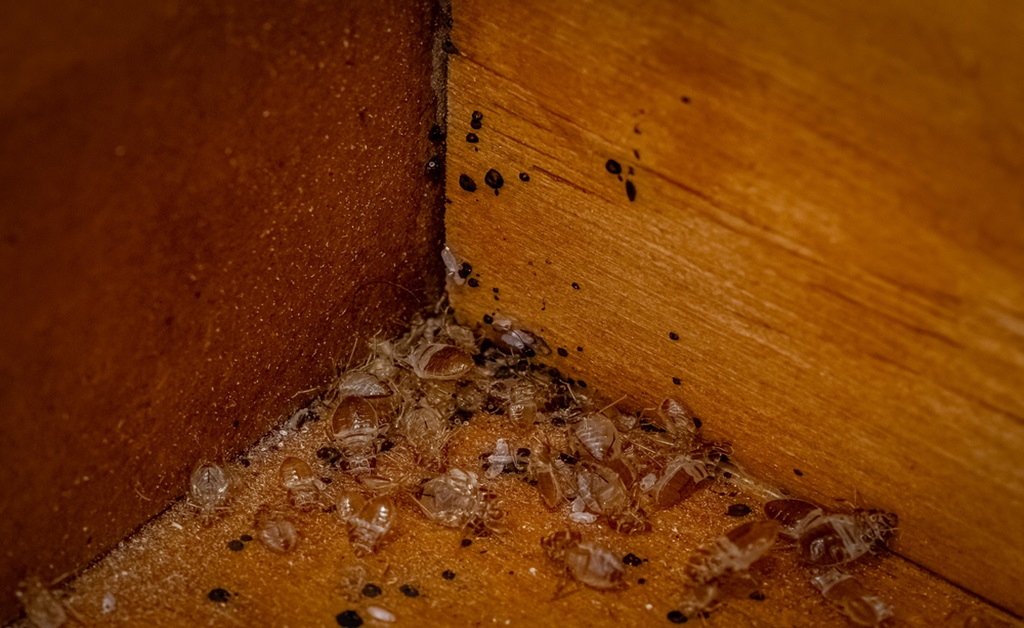
Look for small, reddish-brown spots on wood surfaces. These spots are bed bug droppings. You might also see tiny white eggs or shed skins. A sweet, musty smell can come from a heavy infestation. Bite marks on your skin can be another clue.
Common Hiding Spots
Bed bugs like cracks and crevices in wood furniture. Check joints, seams, and screw holes closely. Look under drawers and inside corners. They also hide behind wooden moldings. Bed bugs prefer areas close to where people rest.
How To Inspect Wood Surfaces
Use a flashlight to brighten dark spots on furniture. Run your fingers along edges and cracks to feel for bugs. Use a magnifying glass to see tiny eggs and bugs better. Remove cushions and check under them carefully. Take your time and inspect all parts thoroughly.

Credit: www.justwoodfurniture.net
Preparing Wood Furniture For Treatment
Preparing wood furniture for bed bug treatment is a key step. This ensures the treatment works well and the furniture stays safe. Proper preparation also helps stop bed bugs from spreading to other places.
Start by clearing the area. Remove items around the furniture to have enough space. This makes cleaning and treating easier and more effective.
Clearing And Cleaning The Area
Remove all objects near the wood furniture. Books, clothes, and decorations must go. Clear space allows better access to all furniture parts.
Vacuum the floor and surrounding areas. This removes bed bug eggs and debris. Wipe the furniture surface gently with a damp cloth. Avoid soaking the wood to prevent damage.
Protecting Surrounding Surfaces
Cover floors and nearby objects with plastic sheets or old towels. This protects them from treatment chemicals or dust. Tape the edges down to keep covers in place.
Seal any cracks or gaps near the furniture. Use painter’s tape or masking tape to block these areas. This stops bed bugs from escaping during treatment.
Gathering Necessary Tools And Supplies
Collect all needed items before starting the treatment. Common tools include a vacuum, spray bottle, and soft brush.
Use bed bug sprays or natural treatments designed for wood. Have gloves and a mask ready to protect yourself. Keep a flashlight handy to check hard-to-see spots.
Effective Bed Bug Removal Methods
Removing bed bugs from wood furniture requires effective methods that target these pests at every stage. Using the right approach helps ensure complete removal and prevents future infestations. Different methods suit different situations and furniture types. Understanding options helps pick the best solution for your home.
Heat Treatment Options
Heat treatment kills bed bugs by raising temperatures above 120°F. This heat penetrates wood and cracks where bugs hide. Professional heat treatments heat the entire room or furniture piece. You can also use a heat gun on small items. Heat works quickly and leaves no chemicals behind.
Cold Treatment Techniques
Freezing bed bugs is another effective method. Bed bugs die when exposed to temperatures below 0°F for several days. Place infested furniture in a freezer or outside in freezing weather. Cold treatment is safe for wood but takes longer than heat. It is chemical-free and easy to do at home.
Using Insecticides Safely
Insecticides can help control bed bugs in wood furniture. Choose products labeled for bed bugs and wood surfaces. Apply sprays carefully in cracks and crevices where bugs hide. Wear gloves and keep rooms ventilated during use. Follow all instructions to avoid damage or health risks.
Natural And Non-toxic Remedies
Natural options include diatomaceous earth and essential oils. Diatomaceous earth is a powder that damages bed bugs’ exoskeletons. Spread it around infested areas and leave for days. Oils like tea tree or lavender can repel bed bugs but may not kill them. These remedies are safer for families and pets.
Credit: www.reddit.com
Deep Cleaning And Maintenance
Deep cleaning and regular maintenance play key roles in removing bed bugs from wood furniture. These pests hide in tiny cracks and crevices, so thorough cleaning is essential. Keeping the furniture and nearby areas clean helps stop bed bugs from returning. Here are simple methods to clean and maintain wood furniture effectively.
Vacuuming Tips For Wood Furniture
Use a vacuum with strong suction and a brush attachment. Gently vacuum all surfaces of the furniture, including edges and corners. Pay close attention to joints and under drawers where bed bugs hide. Empty the vacuum bag or canister immediately after use. Dispose of the contents in a sealed bag outside your home. Vacuuming removes bed bugs, eggs, and dust that attract pests.
Washing And Disinfecting Surrounding Areas
Clean floors, baseboards, and walls near the furniture. Use warm water and mild soap to wash these areas. After washing, use a disinfectant spray safe for wood surfaces. This kills any bed bugs hiding nearby. Allow the wood to dry completely before placing furniture back. Keeping the surroundings clean reduces bed bug chances of spreading.
Sealing Cracks And Crevices
Inspect the furniture carefully for cracks or holes. Use wood filler or sealant to close all gaps. Bed bugs often hide in tiny spaces. Sealing these stops their movement and breeding. Let the sealant dry fully before using the furniture. This simple step helps keep bed bugs away long-term.
Preventing Future Infestations
Preventing future bed bug infestations in wood furniture is crucial. After removing bugs, keep your home safe. Small actions help stop these pests from returning. Stay alert and use simple habits to protect your furniture.
Regular Inspections
Check your wood furniture often for signs of bed bugs. Look under cushions, inside cracks, and behind legs. Use a flashlight to see hidden spots. Early detection stops infestations from growing. Make inspections part of your cleaning routine.
Furniture Placement Strategies
Place furniture away from walls and other pieces. Leave space for air flow and easy access. Avoid putting beds or chairs near doorways. Bed bugs travel from room to room. Smart placement limits their movement and hiding places.
Ongoing Monitoring And Control
Use bed bug interceptors or traps under furniture legs. These devices catch bugs before they spread. Keep traps clean and check them often. Combine traps with regular cleaning for best results. Stay consistent to keep bed bugs away.
When To Call A Professional
Dealing with bed bugs in wood furniture can be tough. Sometimes, the problem goes beyond simple home treatments. Knowing when to call a professional helps save time and stress.
Signs You Need Expert Help
Bed bugs hide well and multiply fast. A few bites or small spots on your furniture may not need experts. But large infestations need a professional touch. Look for these signs:
- Many bugs seen on or near furniture
- Rust-colored stains on wood or fabric
- A strong, musty odor in the room
- Bites that keep appearing despite cleaning
- Failed attempts with store-bought treatments
These signs mean the problem is serious. Professionals have tools to handle tough cases.
Choosing A Reliable Exterminator
Not all pest control services are equal. Pick a company with good reviews and experience with bed bugs. Check if they are licensed and insured. Ask about their treatment methods. Some use heat, others chemicals.
Choose one who explains the process clearly. They should answer your questions and set clear costs. A reliable exterminator also provides follow-up visits to ensure bugs are gone.
What To Expect From Professional Services
Experts inspect your furniture and surrounding areas carefully. They find all hiding spots. Treatment may include sprays, heat, or fumigation. Professionals use safe, effective products not sold in stores.
They also advise on how to prepare your home before treatment. Afterward, they give tips to prevent new infestations. Expect a cleaner, bug-free home with less hassle.
Frequently Asked Questions
How Can I Identify Bed Bugs In Wood Furniture?
Look for small, reddish-brown bugs or tiny black spots. Check cracks and crevices for eggs or shed skins.
What Is The Safest Way To Treat Wood Furniture For Bed Bugs?
Use heat treatments or natural sprays like diatomaceous earth. Avoid harsh chemicals that can damage wood.
Can I Use Household Cleaners To Kill Bed Bugs On Wood?
Regular cleaners may not kill bed bugs effectively. Use products specifically designed for bed bugs.
How Long Does It Take To Get Rid Of Bed Bugs In Wood?
Complete removal can take several weeks. Regular treatments and inspections speed up the process.
Should I Throw Away Wood Furniture Infested With Bed Bugs?
Not always. Proper treatment can save furniture, but severe infestations might require disposal.
Conclusion
Getting rid of bed bugs from wood furniture takes patience and care. Clean the furniture well and check every crack and corner. Use safe treatments and repeat if needed. Watch for signs of bugs returning. Keep your home clean to stop new bugs.
Small steps make a big difference in keeping furniture bug-free. Stay consistent and don’t give up. You can protect your wood furniture and enjoy a peaceful home again.