
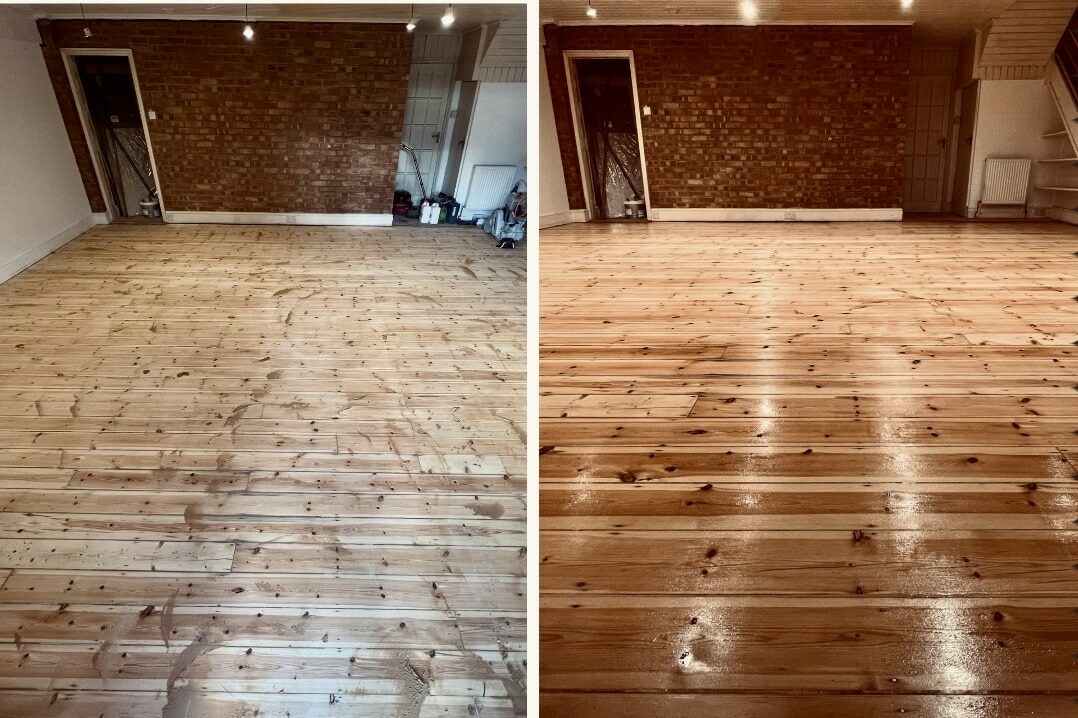
Are your old wood floors looking tired and worn out? You don’t have to replace them to bring back their original charm.
Imagine stepping into a room where your floors shine like new, adding warmth and beauty to your space. You’ll discover simple, effective ways to make your old wood floors look fresh again. Whether you want a quick fix or a deeper transformation, these tips will help you restore your floors and impress everyone who walks in.
Keep reading—you’re just a few steps away from giving your floors the makeover they deserve.

Credit: www.youtube.com
Assessing Floor Condition
Before restoring old wood floors, assess their condition carefully. This step helps you understand the work needed. It saves time and avoids surprises during the project. A close inspection shows what repairs are necessary.
Identifying Damage Types
Look for scratches, dents, and stains on the wood surface. Check for water damage, which causes discoloration or warping. Notice if any boards are loose or missing pieces. Identify areas with mold or mildew. Each damage type requires a different repair method. Knowing this helps choose the right tools and materials.
Checking For Structural Issues
Examine the floor’s foundation for strength and stability. Walk across the floor and feel for soft spots or creaks. These may indicate weak or rotten wood underneath. Inspect the joists and beams below the floor if possible. Look for signs of termite damage or wood decay. Structural problems need fixing before surface restoration. This ensures safety and long-lasting results.
Credit: mrsander.co.uk
Gathering Essential Tools
Before starting to restore old wood floors, gather the right tools. Proper tools make the job easier and the results better. Having everything ready saves time and avoids frustration. Focus on basic supplies and safety gear for a smooth process.
Basic Restoration Supplies
Start with sandpaper or a floor sander to remove old finish and stains. Use different grits for smooth results. Get wood filler to fix cracks and holes. A putty knife helps apply the filler neatly. Choose a good quality wood stain or finish to refresh the wood’s look. Have clean rags or brushes for applying stain or finish. A vacuum or broom keeps the floor dust-free during work.
Safety Equipment
Protect yourself with safety gear. Use a dust mask to avoid breathing in dust. Safety goggles protect your eyes from debris. Wear gloves to keep your hands safe from chemicals and splinters. Ear protection helps if you use loud sanding machines. Proper gear keeps you safe and comfortable throughout the project.
Preparing The Floor
Preparing old wood floors is the first step to make them look new again. It helps the floor absorb new finishes and last longer. Proper preparation also removes dirt and old layers that hide the wood’s natural beauty.
This stage takes time but gives great results. Start with cleaning and clearing debris. Then remove the old finish to reveal fresh wood underneath.
Cleaning And Clearing Debris
Start by removing all furniture and rugs from the room. Sweep the floor thoroughly to get rid of dust and dirt. Use a vacuum cleaner with a soft brush attachment for corners and edges.
Next, mop the floor with a damp cloth or mop. Use warm water mixed with a small amount of gentle wood cleaner. Avoid soaking the floor. Let it dry completely before moving on.
Check for sticky spots, paint drips, or stains. Scrape them gently with a plastic scraper. Avoid metal tools that can scratch the wood surface.
Removing Old Finish
Old finishes like varnish or polyurethane must come off before refinishing. Use a chemical stripper designed for wood floors. Follow the instructions carefully for safety.
Apply the stripper evenly with a brush. Let it sit for the recommended time. Then, scrape off the softened finish using a plastic scraper or putty knife.
After stripping, sand the floor lightly with fine-grit sandpaper. This step removes any leftover finish and smooths the wood. Clean all dust with a vacuum and a tack cloth.
Removing the old finish prepares the wood to absorb new stains or sealers. It also helps the new finish stick better, giving the floor a fresh, even look.
Repairing Damaged Areas
Repairing damaged areas is key to making old wood floors look new again. Small problems like scratches or broken boards can spoil the whole floor’s look. Fixing these issues helps restore the floor’s beauty and extends its life.
Fixing Scratches And Gouges
Light scratches are common on old wood floors. Use a wood filler or wax stick that matches the floor color. Apply the filler carefully and smooth it out with a putty knife.
For deeper gouges, sand the damaged area lightly. Clean the dust and apply wood filler. After it dries, sand again to make the surface even. Finish by staining or painting to match the floor.
Replacing Broken Boards
Broken or badly damaged boards need replacement. First, remove the damaged board by cutting it out carefully. Check the floor type to match the new board exactly.
Install the new board by fitting it tightly in place. Nail or glue it down securely. Sand the edges for a smooth transition. Finally, stain or seal the new board to blend with the floor.
Sanding Techniques
Sanding is key to making old wood floors look new again. It removes scratches, stains, and old finishes. Proper sanding reveals fresh wood and prepares floors for a smooth finish. Using the right tools and methods saves time and effort. Understanding sanding techniques helps achieve the best results with less damage.
Choosing The Right Sandpaper
Select sandpaper based on wood type and floor condition. Start with coarse grit (36 to 40) to remove old finish and deep scratches. Use medium grit (60 to 80) to smooth the wood surface. Finish with fine grit (100 to 120) for a polished look. Avoid skipping grits to prevent uneven surfaces.
Use sanding discs for machines or sanding sheets for hand sanding. Replace sandpaper when it clogs or wears out. This keeps sanding effective and prevents damage.
Sanding Steps And Tips
Begin with an orbital or drum sander for large areas. Sand along the wood grain to reduce marks. Use an edge sander or hand sand edges and corners. Move the sander evenly and avoid staying in one spot too long.
Clean dust frequently to see progress and keep the floor smooth. Wear a mask to avoid inhaling dust. After sanding, vacuum and wipe the floor to remove all debris before finishing.

Credit: www.reddit.com
Staining And Sealing
Staining and sealing old wood floors refreshes their look and adds lasting protection. Stain brings out the wood’s natural beauty and changes the color to suit your style. Sealing locks in the stain and shields the floor from damage.
Selecting Stain Colors
Choose a stain color that matches your room’s style. Light stains brighten small spaces. Dark stains create a warm, cozy feel. Test the stain on a small floor area. The wood’s original color affects the final shade. Pick a color that complements your furniture and walls.
Applying Stain Evenly
Clean the floor before staining. Use a brush or cloth to apply the stain. Work in small sections to control coverage. Follow the wood grain for smooth results. Wipe off extra stain quickly to avoid blotches. Let the stain dry fully before sealing. Even application prevents streaks and uneven color.
Sealing For Protection
Choose a clear sealant to protect the wood. Polyurethane is strong and durable for floors. Apply the sealant in thin, even layers. Use a brush or roller for smooth coats. Allow each layer to dry before adding the next. Sealing prevents scratches, spills, and wear. It keeps your floors looking new longer.
Maintenance Tips
Maintaining old wood floors keeps them looking fresh and beautiful for years. Small efforts every day make a big difference. Taking care of your floors stops damage and preserves their shine.
Follow simple tips for cleaning and protecting your floors. These steps help avoid costly repairs and keep wood healthy. Good maintenance brings out the natural beauty of the wood.
Regular Cleaning Practices
Sweep floors daily to remove dirt and dust. Use a soft broom or vacuum with a wood floor setting. Dirt can scratch the wood surface if left on the floor.
Mop with a damp cloth or mop, not wet. Excess water damages wood and causes warping. Use a cleaner made for wood floors only. Avoid harsh chemicals that wear down the finish.
Wipe spills immediately. Liquids can stain wood and cause swelling. Use a dry cloth or paper towel to soak up spills fast.
Preventing Future Damage
Place felt pads under furniture legs to stop scratches. Move furniture carefully to avoid gouging the floor. Use rugs in high traffic areas to protect wood.
Keep pets’ nails trimmed. Sharp nails can scratch and damage wood easily. Avoid walking on floors with high heels or shoes that may dent wood.
Control indoor humidity. Wood expands and contracts with moisture changes. Use a humidifier or dehumidifier to keep consistent levels. This reduces cracks and gaps in the floor.
Frequently Asked Questions
How Can I Remove Scratches From Old Wood Floors?
Light scratches can be fixed with wood fillers or wax sticks matching your floor color. For deeper scratches, sanding and refinishing may be needed. Regular cleaning helps prevent new scratches.
What Is The Best Way To Clean Old Wood Floors?
Use a soft broom or vacuum to remove dust and dirt first. Clean with a damp mop and a wood floor cleaner. Avoid using too much water to prevent damage.
How Often Should Old Wood Floors Be Refinished?
Refinishing is usually needed every 7 to 10 years. It depends on floor wear and tear. Regular maintenance can extend the time between refinishing.
Can I Restore Old Wood Floors Without Sanding?
Yes, using a wood floor restorer or revitalizer can improve appearance without sanding. This works best for floors with minor wear and no deep damage. It adds shine and fills small gaps.
What Type Of Finish Is Best For Old Wood Floors?
Polyurethane is durable and protects floors well. Water-based finishes dry faster and have less odor. Choose a finish that suits your floor’s condition and room use.
Conclusion
Old wood floors can look fresh and beautiful again with simple steps. Clean, sand, and apply a good finish carefully. Small repairs make a big difference. Regular care keeps floors shining for years. Enjoy the warmth and charm of renewed wood under your feet.
Bring new life to your home with these easy tips. Your floors deserve it.