
If you’re looking for firewood that burns hot, lasts long, and adds a pleasant aroma to your home, black locust wood might be exactly what you need. But how do you use this unique wood to get the best fire?
Whether you’re new to firewood or want to improve your burning experience, understanding black locust wood can make all the difference. Keep reading to discover simple tips and tricks that will help you make the most of this powerful wood for your fireplace or campfire.
Your cozy nights just got better.
Benefits Of Black Locust Wood
Black locust wood offers many benefits as firewood. It burns hot and lasts long. This wood produces less smoke and fewer sparks. It also resists rot, making it a reliable choice. These qualities make black locust wood great for heating and cooking.
High Heat Output
Black locust wood creates a strong, steady heat. It produces more energy than many other woods. This makes it perfect for warming your home quickly. You get more warmth from less wood. It is very efficient for firewood use.
Long Burn Time
The wood burns slowly and steadily. It does not burn out fast like softwoods. This means fewer times adding wood to the fire. It keeps your fire going for hours. A long burn saves effort and wood supply.
Low Smoke And Sparks
Black locust wood produces little smoke. It also creates fewer sparks than other woods. This makes it safer for indoor fireplaces and fire pits. Less smoke means cleaner air around your home. Sparks are less likely to cause accidents.
Natural Resistance To Rot
This wood resists rot and decay naturally. It lasts longer, even outside in wet weather. You can store it outside without worry. The wood stays dry and strong for burning. This saves money on storage and wood replacement.
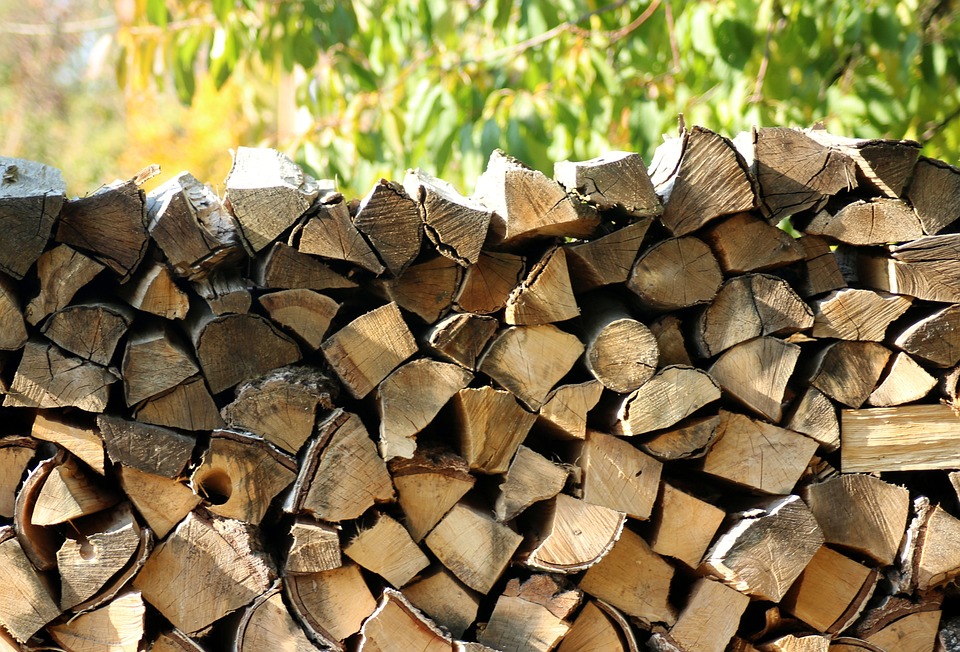
Credit: whitetreeservices.com
Harvesting Black Locust Wood
Harvesting black locust wood properly ensures quality firewood that burns well and lasts long. This wood is known for its hardness and high heat output. Taking care during harvesting helps maintain these benefits. It also keeps the process safe and efficient.
Knowing when and how to cut black locust trees is key. Choosing the right trees and following safety rules prevents accidents and waste. Here are the main steps for harvesting black locust wood for firewood.
Best Time To Cut
Cut black locust trees in late winter or early spring. The trees have less sap during this time. Wood dries faster and better after cutting. Avoid cutting in summer when sap is high. Wet wood burns poorly and produces more smoke.
Selecting Mature Trees
Pick trees at least 8 to 10 inches in diameter. Mature wood burns longer and produces more heat. Younger trees have more moisture and less density. Look for healthy trees without signs of disease or rot. Strong wood gives better firewood quality.
Safety Precautions
Wear protective gear like gloves, goggles, and boots. Use sharp, well-maintained tools to avoid accidents. Clear the area around the tree before cutting. Never work alone and keep a first aid kit nearby. Always cut away from your body and watch for falling branches.
Preparing Black Locust For Firewood
Preparing black locust for firewood requires some care and the right steps. This wood is dense and strong, making it excellent for burning. Proper preparation ensures it burns well and lasts long. Follow these simple steps to get the best firewood from black locust.
Cutting And Splitting Techniques
Cut black locust into manageable lengths, about 16 to 18 inches. Use a sharp saw to make clean cuts. This wood is tough, so a strong saw or chainsaw works best. Split the logs with a heavy axe or a hydraulic splitter. Split pieces should be smaller to dry faster and burn better. Cut and split the wood soon after felling for easier handling.
Seasoning And Drying
Seasoning black locust is key to good firewood. Stack the wood in a dry, airy place. Leave space between pieces for air to circulate. Let the wood dry for at least 12 to 18 months. Proper drying reduces smoke and improves burning heat. Avoid burning green or wet wood; it produces less heat and more creosote.
Storage Tips
Store black locust firewood off the ground. Use pallets or a wood rack to keep it dry. Cover the top with a tarp but leave the sides open. This protects the wood from rain while allowing airflow. Keep the woodpile in a sunny, ventilated spot. Proper storage keeps firewood ready and clean for use.
Using Black Locust Firewood
Black locust wood is a top choice for firewood. It burns hot and lasts long. Its dense nature makes it efficient for heating. Using black locust firewood can save you time and effort.
Knowing how to use it properly ensures the best fire experience. This section explains how to start and keep your fire going. It also covers the best fireplaces for black locust and how to mix it with other woods.
Starting And Maintaining A Fire
Begin with small, dry kindling. Black locust ignites slower than softwoods. Use plenty of airflow for a strong start. Once the fire is hot, add larger pieces of black locust.
Keep the fire burning steadily by adding wood regularly. Avoid smothering the fire with too much wood. This wood produces a steady, hot flame that lasts long.
Ideal Settings For Different Fireplaces
Black locust suits wood stoves, fireplaces, and fire pits. In wood stoves, control air vents to manage heat output. Fireplaces need open airflow for good burning.
For fire pits, arrange wood to allow air circulation. This wood works best with medium to high heat settings. It produces less smoke, making it good for indoor use.
Combining With Other Woods
Mix black locust with softer woods like pine for easy lighting. Softwoods help start the fire quickly. Then add black locust to keep heat high and steady.
Combining woods can balance burn time and flame size. Avoid mixing with woods that produce heavy smoke. Use dry, seasoned wood to get the best results.
Common Challenges And Solutions
Using black locust wood for firewood has many benefits. It burns hot and lasts long. Still, some challenges come with this wood type. Knowing these issues helps you manage firewood better. Simple solutions make your experience smoother and safer.
Dealing With Hardness
Black locust wood is very hard. It takes more effort to cut and split. Use a sharp axe or a strong saw. Cutting in spring or early summer makes splitting easier. Avoid wet wood, as it is harder to cut. Store wood properly to dry it well before use.
Managing Burn Residue
Burning black locust can leave ash and soot. This residue may clog your fireplace or stove. Clean your chimney regularly to prevent buildup. Use a metal ash container to collect ashes. Sweep the fire area after each use to keep it safe.
Avoiding Pest Infestation
Black locust wood can attract insects if not stored well. Keep firewood off the ground and away from walls. Store wood in a dry, ventilated place. Check wood for signs of pests before bringing it inside. Treat infested wood by exposing it to sun or heat.

Credit: wisconsinfirewood.com
Sustainability And Environmental Impact
Choosing firewood with a low environmental impact is important. Black locust wood is known for its sustainability. It grows quickly and can be harvested without harming the land. This section explains how black locust firewood benefits the environment.
Regrowth And Harvesting Practices
Black locust trees grow fast and regrow well after cutting. They do not need replanting because roots send up new shoots. This natural regrowth helps keep forests healthy. Harvesting black locust does not require clear-cutting large areas. Selective cutting protects other plants and animals in the forest.
Benefits Of Using Black Locust
Black locust wood burns longer and hotter than many woods. It produces less smoke, reducing air pollution. The wood is dense, so less wood is needed for heat. Using black locust reduces the need to cut slower-growing trees. This helps preserve forests and wildlife habitats.
Comparing To Other Firewood Options
Some firewood sources grow slowly and need more care. These woods may cause more deforestation. Black locust’s fast growth reduces pressure on other trees. It also resists insects and decay, making it long-lasting. Choosing black locust firewood supports better forest management and cleaner air.
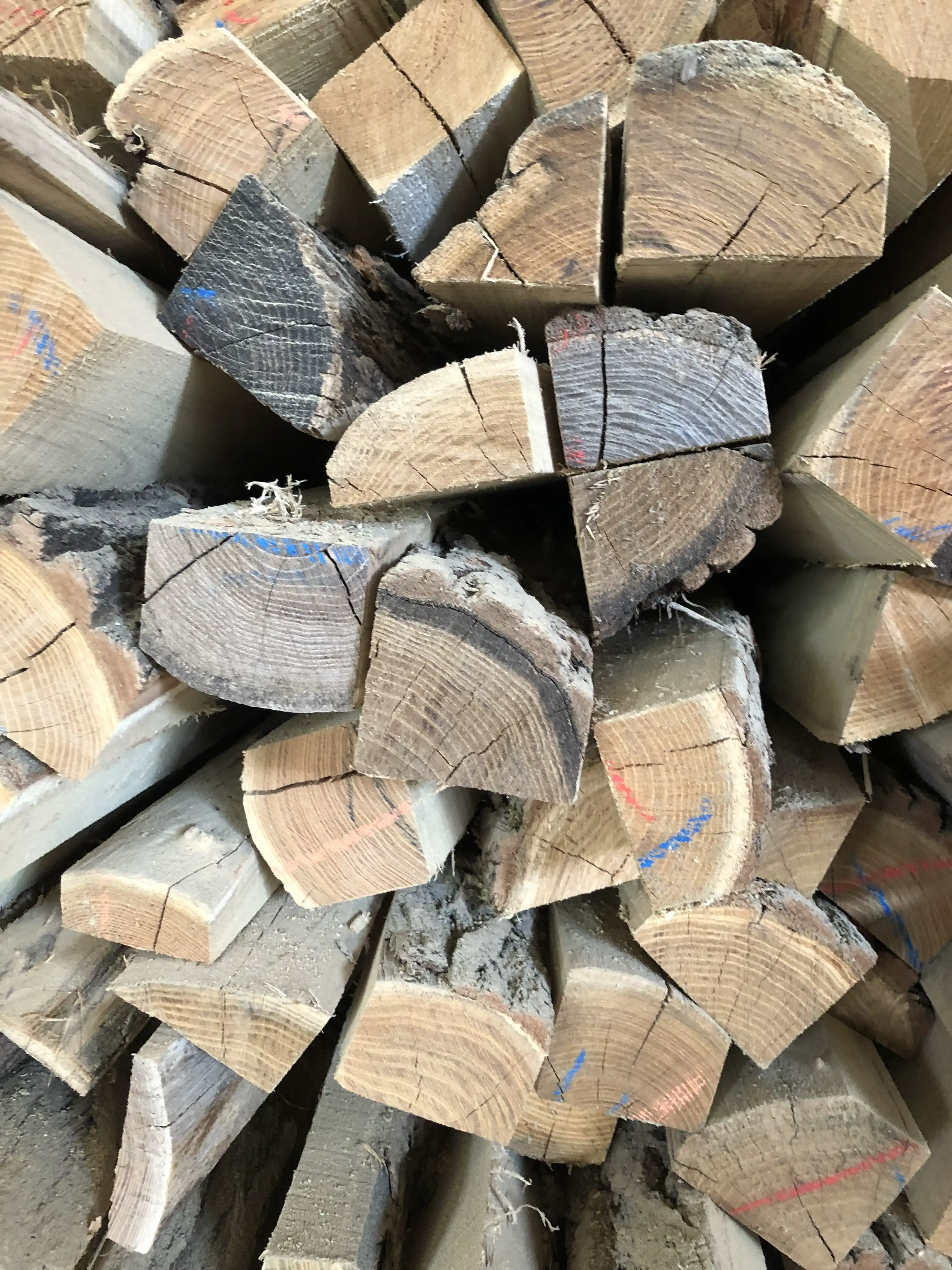
Credit: www.blacklocustlumber.com
Frequently Asked Questions
What Makes Black Locust Wood Good For Firewood?
Black locust wood burns very hot and lasts a long time. It produces little smoke and leaves less ash than other woods.
How Should I Season Black Locust Firewood?
Cut the wood into small pieces and stack it in a dry place. Let it dry for at least 6 to 12 months before burning.
Is Black Locust Wood Easy To Split For Firewood?
Black locust is very hard and dense, so splitting can be tough. Using a strong axe or a hydraulic splitter works best.
Can Black Locust Firewood Be Burned Indoors?
Yes, black locust is safe and clean to burn indoors. It creates a strong, steady heat that is good for stoves and fireplaces.
Does Black Locust Firewood Produce Sparks Or Creosote?
Black locust produces fewer sparks and less creosote than softwoods. This makes it safer for chimneys and reduces cleaning needs.
Conclusion
Black locust wood burns hot and lasts long. It produces less smoke than other woods. This makes it a great choice for firewood. You only need to split and dry it properly. Dry wood lights easier and gives more heat.
Using black locust saves you time and effort. It also keeps your fire strong and steady. Try it for your next fire and see the difference. Simple, effective, and easy to use firewood.