
You’ve put a lot of effort into building your composite deck, and now it’s time to give it that perfect finishing touch. The ends of your composite decking are more than just edges—they’re what make your deck look polished and professional.
But how do you finish these ends so they’re strong, neat, and built to last? You’ll discover simple, effective methods to achieve flawless deck edges that will impress everyone. Keep reading to learn the secrets to making your deck look amazing from every angle.
Credit: ryanhobbies.com
Choosing The Right Decking Material
Choosing the right decking material is essential for a beautiful and durable deck. The material affects the look, feel, and lifespan of your deck. Picking the right composite decking ensures easy maintenance and lasting performance. It also makes finishing the ends easier and cleaner.
Types Of Composite Decking
Composite decking comes in many types. Some boards have wood fibers mixed with plastic. Others use recycled plastic only. Some composite decks have a cap made of a special polymer. This cap protects against fading and stains. Different brands offer various colors and textures. Choose a type that fits your style and budget.
Benefits Of Composite Decking
Composite decking lasts longer than wood. It does not rot, warp, or splinter. This makes it safer for families. Composite boards resist insects and mold. They need little cleaning and no painting. These decks keep their look for years. Composite decking also helps the environment by using recycled materials.
Credit: trexseal.com
Tools And Supplies Needed
Finishing the ends of composite decking requires the right tools and supplies. Having these on hand makes the job easier and the result cleaner. The right equipment helps create smooth, professional edges that last long.
Essential Tools
Start with a good saw, like a miter or circular saw. It cuts the decking cleanly. A measuring tape is a must. It ensures precise cuts and fits. Use a pencil to mark your cuts clearly. A power drill helps attach finishing pieces firmly. Sandpaper or a sanding block smooths rough edges for safety. Safety glasses protect your eyes from dust and debris. A level checks that your finishing pieces are straight and even.
Recommended Materials
Composite decking trim boards cover raw edges nicely. They come in matching colors and materials. Use finishing screws designed for composite decking. These resist rust and hold tightly. Exterior-grade adhesive adds extra bonding strength. It helps keep trim pieces secure. Edge caps protect the decking ends from weather damage. They also give a neat, polished look. Sealant or caulk fills small gaps and keeps moisture out.
Preparing Decking Ends For Finishing
Preparing the ends of composite decking is a crucial step before finishing. Proper preparation ensures a clean, smooth edge that lasts longer and looks professional. It helps protect the deck from moisture and damage.
This process involves trimming, sanding, cleaning, and inspecting the decking ends. Each step matters to create a sturdy and attractive finish. Let’s explore these steps in detail.
Trimming And Sanding
Start by trimming the decking ends with a fine-tooth saw. This creates a straight, even edge. Avoid rough cuts to prevent splinters or chips.
Next, sand the trimmed edges using medium-grit sandpaper. Sand gently to smooth any rough spots. This helps the finish stick better and gives a neat look.
Cleaning And Inspecting
After sanding, clean the deck ends thoroughly. Use a soft brush or cloth to remove dust and debris. Clean surfaces help the finishing products adhere properly.
Inspect the ends carefully for cracks or damage. Fix any issues before applying the finish. This step ensures durability and prevents future problems.
Popular Finishing Methods
Finishing the ends of composite decking is key for a neat and lasting look. There are several popular methods to choose from. Each method adds a polished edge and protects the deck from damage. These options suit different styles and budgets. Understanding each method helps you pick the best one for your deck.
Using Composite Trim Boards
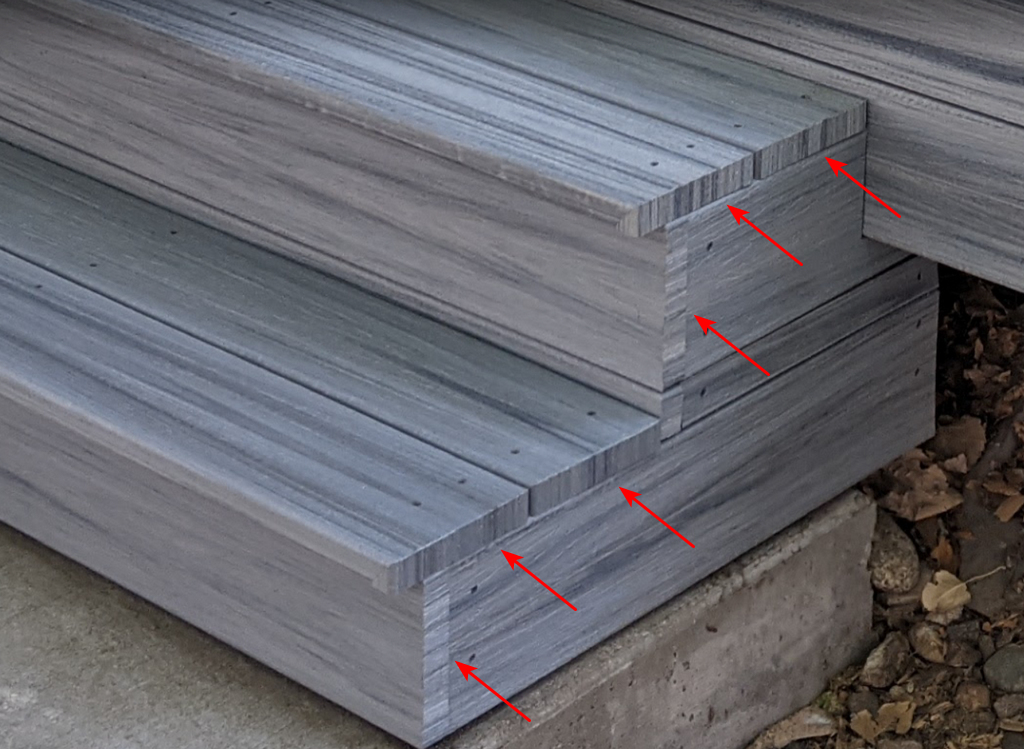
Composite trim boards match the decking material. They cover the raw ends and create a smooth finish. These boards are easy to cut and install. They blend well with the deck’s color and texture. Trim boards also protect the edges from moisture and dirt. This method keeps the deck looking fresh for years.
Applying Edge Banding
Edge banding is a thin strip applied to the deck edges. It seals the ends and hides rough cuts. This method is quick and cost-effective. Edge banding comes in colors that match your decking. It adds a clean line and stops water from seeping in. This option works well for DIY projects and repairs.
Installing Fascia Boards
Fascia boards cover the deck’s side edges. They create a framed look and hide the decking ends. These boards are thicker and more durable than trim boards. Fascia adds style and extra protection to your deck. It also helps to conceal joists and under-deck areas. This method offers a strong, finished appearance.
Sealing And Protecting Decking Edges
Sealing and protecting the edges of composite decking is important. It stops water from getting inside the boards. This prevents damage and keeps your deck looking good longer. Proper sealing also protects the edges from dirt and stains. It helps maintain the deck’s strength and appearance over time.
Types Of Sealants
There are several sealants made for composite decking edges. Clear sealants keep the natural color of the boards. They protect without changing the look. Colored sealants match the deck color and hide small scratches. Some sealants have UV protection to prevent fading. Choose a sealant designed for outdoor use and composite material. This ensures the best protection and durability.
Application Techniques
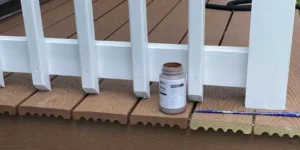
Clean the edges before applying sealant. Remove dust and dirt for better adhesion. Use a small brush or foam applicator for precise coverage. Apply a thin, even layer of sealant on the edges. Avoid thick layers that take longer to dry. Let the sealant dry completely before touching the deck. Multiple thin coats give better protection than one thick coat. Follow the manufacturer’s instructions for drying times and reapplication.
Common Mistakes To Avoid
Finishing the ends of composite decking needs care and attention. Mistakes can cause damage and shorten the deck’s life. Avoid these common errors to keep your deck safe and looking good. Simple steps can make a big difference in the final result.
Improper Cutting
Cutting composite decking ends incorrectly leads to rough edges. Jagged cuts let water get inside, causing swelling and damage. Use a fine-toothed blade for smooth, clean cuts. Measure twice before cutting to avoid mistakes.
Skipping Surface Preparation
Not preparing the surface wastes your effort. Dirt and moisture stop adhesives and finishes from sticking well. Clean and dry the surface before applying any sealant or end caps. This step ensures a stronger, longer-lasting finish.
Incorrect Fastening
Wrong fasteners cause boards to loosen or crack over time. Use screws made for composite materials, not nails. Drive screws straight and avoid over-tightening. Proper fastening keeps ends secure and prevents damage.
Maintenance Tips For Finished Edges
Finished edges on composite decking need care to stay strong and look good. Maintenance helps protect these edges from wear and damage. Simple steps can keep your deck safe and beautiful for years.
Regular attention to finished edges prevents small issues from becoming big problems. It also keeps the deck surface smooth and clean. This saves money and effort on repairs later.
Regular Cleaning
Clean finished edges often using a soft brush or cloth. Remove dirt, leaves, and dust that collect there. Use mild soap with water to wash the edges gently. Avoid harsh chemicals that can harm the material. Rinse well to remove soap residue. Dry the edges with a clean towel to prevent mold growth.
Inspecting For Damage
Check the edges regularly for cracks, chips, or loose boards. Look closely at seams and corners. Early detection of damage helps you fix it fast. Inspect after storms or heavy use. Use a flashlight to see small cracks better. Take notes or photos to track any changes over time.
Touch-up Repairs
Fix minor damage quickly to stop it from spreading. Fill small cracks with composite deck filler or sealant. Sand rough spots smooth after the filler dries. Replace any loose or broken edge pieces. Use matching colors to keep a neat look. Repairing edges promptly keeps your deck safe and attractive.
Design Ideas For Decking Ends
Finishing the ends of composite decking adds style and protection. It helps the deck look neat and complete. Choosing the right design can make your deck stand out and last longer. Here are some creative ideas for finishing decking ends.
Decorative Trim Options
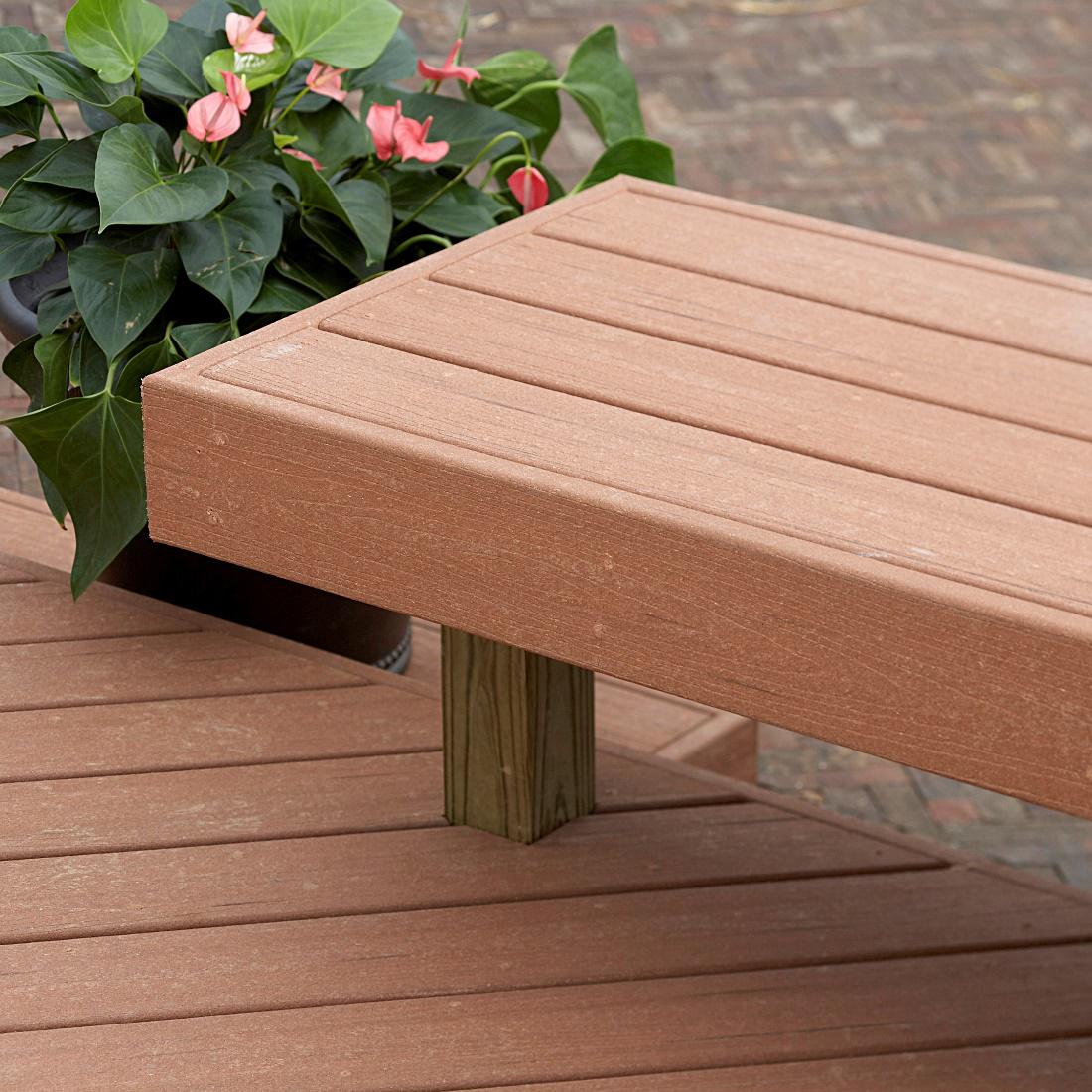
Decorative trim gives a clean, polished look to deck edges. You can use trim made from composite or wood. Some trims have patterns or grooves for extra detail. They cover cut ends and protect from moisture. Easy to install and available in many colors.
Lighting Integration
Adding lights to decking ends creates a warm, inviting glow. Small LED strips fit under trim or along edges. Solar-powered lights work without wiring. Lighting improves safety by showing deck borders at night. Also adds a cozy feel for evening gatherings.
Custom Shapes And Patterns
Custom shapes bring unique flair to your deck edges. Rounded, angled, or curved ends soften the deck’s look. Patterns like scallops or geometric cuts add charm. These designs require special tools or professional help. They make your deck truly one of a kind.
Credit: www.choice-dek.com
Frequently Asked Questions
How Do I Hide Cut Ends On Composite Decking?
Use matching composite trim or fascia boards to cover cut ends. These pieces blend well and protect the edges from moisture and damage.
What Tools Are Needed To Finish Composite Decking Ends?
A miter saw, measuring tape, and composite adhesive are essential tools. These help make clean cuts and secure the trim firmly in place.
Can I Paint The Ends Of Composite Decking?
Painting is not recommended as composite materials resist paint well. Use manufacturer-approved trims or edge caps for a clean look instead.
How Long Does It Take To Finish Composite Deck Ends?
Finishing the ends usually takes a few hours depending on deck size. Proper measuring and careful cutting speed up the process.
Why Is Finishing Composite Deck Ends Important?
Proper finishing protects the deck from water damage and improves appearance. It also prevents dirt buildup and extends the deck’s life.
Conclusion
Finishing the ends of composite decking protects your deck and improves its look. Use proper tools and materials to get clean edges. Trim and seal the ends carefully to stop moisture damage. Adding a fascia board or end cap gives a neat finish.
Take your time and follow the steps closely. A well-finished deck edge lasts longer and looks great. Your deck will stay strong through all seasons. Keep these tips in mind for a simple, solid finish.