
Starting a fire in a wood stove might seem tricky at first, but once you know the right steps, it becomes simple and even enjoyable. You want your home to feel warm and cozy, especially on cold nights, and your wood stove is the key to that comfort.
But if you’re not sure how to get your fire going quickly and safely, it can be frustrating. You’ll discover easy, proven methods to start a fire that burns bright and lasts long. Keep reading to learn the secrets that will make your wood stove work perfectly every time.
Choosing The Right Wood
Choosing the right wood is key to starting a fire in a wood stove. Wood type affects burn time, heat output, and smoke. The right wood makes lighting easier and keeps the fire steady. Poor wood choice leads to smoke, creosote buildup, and less heat. Focus on wood that burns well and is safe for your stove.
Hardwood Vs Softwood
Hardwood comes from trees like oak, maple, and hickory. It burns slower and produces more heat. Softwood comes from pine, fir, and cedar trees. It lights quickly but burns fast and produces less heat. Hardwoods are best for long-lasting fires. Softwoods work well to start the fire but not for keeping it going.
Seasoned Wood Benefits
Seasoned wood is wood dried for at least six months. It has low moisture content, below 20%. Dry wood lights easier and burns hotter. It produces less smoke and leaves less creosote. Using seasoned wood means less cleaning and safer fires. Fresh or unseasoned wood wastes energy and makes more smoke.
Avoiding Green Or Wet Wood
Green wood is freshly cut and full of water. Wet wood can be from rain or poor storage. Both are hard to light and produce thick smoke. Burning wet wood causes creosote buildup in the chimney. It lowers heat output and may cause dangerous chimney fires. Always store wood in a dry, ventilated place to keep it ready for use.
Credit: fullservicechimney.com
Preparing Your Wood Stove
Preparing your wood stove before starting a fire is important for safety and efficiency. A clean and well-set stove helps the fire burn better. It also reduces smoke and keeps your home warm. Follow these steps to get your wood stove ready.
Cleaning The Stove And Chimney
Remove ashes from the stove to allow good airflow. Clean the glass door with a soft cloth to see the fire clearly. Check the chimney for soot or creosote buildup. This buildup can block smoke from leaving your home. Use a chimney brush or hire a professional to clean it. A clean chimney prevents dangerous chimney fires.
Checking Air Vents
Air vents control how much oxygen reaches the fire. Make sure the vents open and close smoothly. Clear any dirt or debris blocking them. Open the vents fully before lighting the fire. This helps the fire catch quickly and burn well. Adjust the vents later to control the fire’s heat.
Setting Up The Firebox
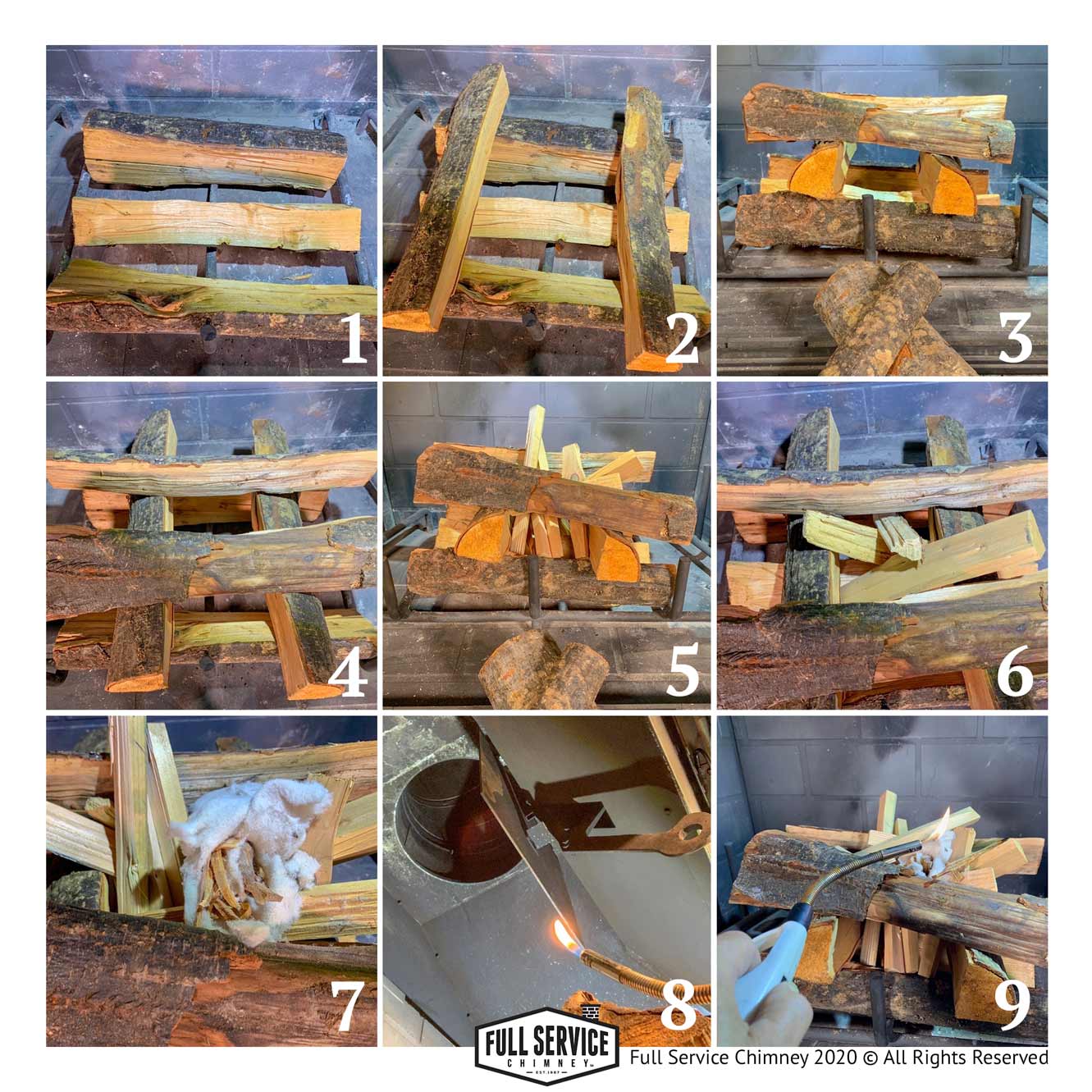
Start by placing crumpled newspaper or fire starters at the bottom. Add small dry kindling on top of the paper. Stack larger pieces of wood above the kindling. Leave space between the wood pieces for air to flow. Proper stacking makes the fire easier to light and keeps it burning steadily.
Gathering Fire Starting Materials
Gathering the right materials is the first step to start a fire in a wood stove. Good materials help the fire catch quickly and burn steadily. Without the right items, the fire may struggle or produce too much smoke.
Focus on three main groups of materials: tinder, kindling, and fire starters. Each plays a role in building a strong fire. Collecting them carefully saves time and effort when lighting the stove.
Selecting Tinder
Tinder is the first material to catch fire. It burns fast and helps light bigger pieces. Dry leaves, small twigs, or shredded paper make good tinder. Avoid wet or green materials because they are hard to burn.
Look for dry, thin, and fluffy items. Pine needles and dry grass work well. Keep tinder in a dry place until you need it. Good tinder ensures the fire starts quickly and easily.
Using Kindling
Kindling is small wood that burns longer than tinder. It helps the fire grow bigger and stronger. Use thin sticks or small split wood pieces about the width of a pencil.
Dry kindling is best. It catches fire from the tinder and helps light the larger logs. Collect enough kindling to build a strong base for the fire.
Fire Starters And Matches
Fire starters make lighting the fire simpler. Store-bought fire starter blocks or natural options like fatwood help flames spread. Use these with your tinder and kindling.
Keep matches or a lighter nearby. Long matches are safer for lighting the fire deep in the stove. Always have a backup way to start your fire ready.
Building The Fire
Building the fire in your wood stove is a key step to stay warm and cozy. The right setup helps the fire start quickly and burn well. It also saves wood and keeps smoke out of your home.
There are several ways to build a fire. Each method has its benefits and suits different needs. Try these simple techniques to find what works best for you.
Top-down Fire Method
The top-down fire method starts with large logs on the bottom. Next, add smaller logs and kindling on top. Place dry tinder at the very top. Light the tinder first. The fire burns downward, making smoke less. This method burns clean and lasts longer.
Traditional Teepee Method
In the teepee method, arrange small sticks and kindling in a cone shape. Place tinder in the center. Light the tinder. The fire spreads quickly upward to the larger logs. This method creates a strong flame fast. It is great for quick warmth.
Log Placement Tips
Place logs loosely to let air flow around them. Good airflow helps the fire burn well. Use dry, seasoned wood for best results. Avoid overloading the stove with too many logs. Start with smaller pieces and add larger ones as the fire grows.
Lighting The Fire Safely
Lighting a fire in a wood stove needs care and attention. Doing it safely helps prevent accidents and keeps your home warm. Follow simple steps to get the fire going without trouble. Focus on three key parts: starting the fire, controlling airflow, and avoiding smoke inside your home.
Igniting Tinder
Start with dry, small pieces of tinder like paper or dry leaves. Place them in the stove’s firebox. Light the tinder with a match or lighter. Use gentle, steady flames to avoid blowing out the fire. Once the tinder catches, add small kindling sticks. This helps the fire grow slowly and safely.
Managing Airflow
Open the stove’s air vents to allow air in. Air fuels the fire, so more airflow means a stronger flame. Adjust vents to control the fire size. Too much air can burn wood too fast. Too little air can smother the fire. Find the right balance for a steady burn.
Avoiding Smoke Backdraft
Smoke backdraft happens when smoke comes back into the room. Keep the stove door slightly open when lighting the fire. This helps smoke go up the chimney. Make sure the chimney is clean and clear. Check that the flue is open before you start. These steps keep smoke outside where it belongs.
Maintaining The Fire
Keeping a fire burning well in a wood stove takes care and attention. The fire needs just the right amount of wood and air to stay strong. Maintaining the fire helps you get the most heat from your stove. It also keeps your home safe and cozy.
Adding Wood Gradually
Put small pieces of wood on the fire one at a time. This helps the fire burn evenly and stay hot. Adding too much wood at once can smother the flames. Wait until the fire has burned down a bit before adding more wood. This keeps the fire steady and strong.
Controlling Heat Output
Use the stove’s air vents to control how hot the fire gets. Open vents let more air in, making the fire burn hotter. Close vents a little to slow the fire and save wood. Adjust the vents slowly to keep a steady heat level. This helps your stove burn efficiently and last longer.
Safety Precautions
Always keep a fire extinguisher nearby. Never leave the fire unattended for long periods. Use stove gloves when handling hot parts. Make sure the stove door is closed tight. Clear the area around the stove of flammable items. These steps prevent accidents and keep your home safe.
Troubleshooting Common Issues
Starting a fire in a wood stove can sometimes be tricky. Problems may arise that stop the fire from burning well. This section helps you solve some common issues. Follow these tips to get your stove working right.
Fire Won’t Catch
Check if the wood is dry. Wet wood makes it hard to start a fire. Use small pieces of dry kindling to help the fire catch. Make sure the stove door is open enough to let air in. Air helps the fire burn. Also, clear out old ash. Too much ash blocks airflow.
Excessive Smoke
Smoke means the fire is not burning fully. Use dry, seasoned wood to reduce smoke. Make sure the chimney is clean and clear. A blocked chimney causes smoke to come inside. Open the stove door slowly to avoid smoke rush. Avoid overloading the stove with too much wood at once.
Poor Heat Production
Check if the wood is dry and split into smaller pieces. Large logs take longer to heat. Clean the stove’s glass and air vents. Blocked vents reduce heat output. Make sure the chimney draws air properly. Good airflow keeps the fire hot and strong.
Credit: www.woodstove.com

Credit: www.motherearthnews.com
Frequently Asked Questions
How Do I Prepare Wood For Starting A Fire In A Wood Stove?
Use dry, seasoned wood that has been split into small pieces. Avoid green or wet wood as it creates smoke and makes lighting hard.
What Materials Should I Use To Start A Fire Safely?
Use crumpled newspaper or fire starters along with small kindling wood. Avoid using flammable liquids like gasoline or lighter fluid.
How Should I Arrange Wood Inside A Wood Stove For Fire?
Place kindling in a crisscross pattern with small pieces on the bottom. Then add larger logs on top to help air flow and burn well.
How Can I Keep The Fire Burning Longer In My Wood Stove?
Add bigger logs once the fire is strong and hot. Keep the stove door slightly open for good air flow but close it when fire is steady.
What Safety Tips Should I Follow When Lighting A Wood Stove Fire?
Always use a fireproof glove and keep a fire extinguisher nearby. Never leave the fire unattended and ensure the chimney is clean before use.
Conclusion
Starting a fire in a wood stove is easier than it seems. Use dry wood, kindling, and good airflow. Light the fire safely and keep an eye on it. Regular care helps the stove work better. Enjoy the warm, cozy heat in your home.
Practice a few times to feel confident. Soon, you will find it simple and rewarding. Stay safe and keep your space comfortable all winter.