If you’ve noticed your Toyota’s TPMS light blinking, you’re probably wondering what it means and what you should do next. That little warning can feel confusing or even a bit worrying.
But don’t panic—your car is trying to tell you something important about your tires. Understanding why the TPMS light blinks can save you from unexpected trouble on the road and help keep you and your passengers safe. Keep reading to find out exactly what causes this warning and how you can fix it quickly.
Your peace of mind starts here.
Credit: www.youtube.com
Causes Of Tpms Light Blinking
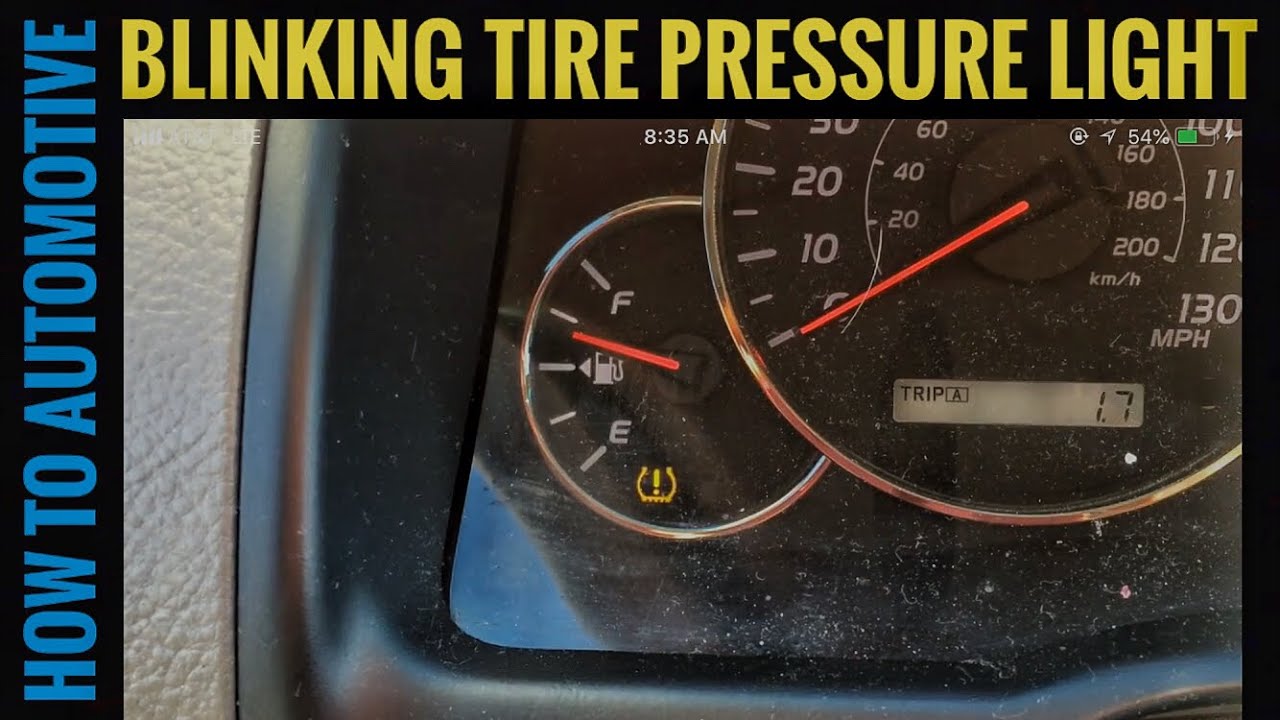
The TPMS (Tire Pressure Monitoring System) light blinking on a Toyota means there is an issue with the tire pressure system. This warning is important because it helps keep your car safe and running well. The blinking light shows the system is not working properly. Various problems can cause this blinking. Understanding these causes helps you know what to check or fix.
Low Tire Pressure
One common reason for the blinking light is low tire pressure. Tires lose air over time or after hitting bumps. Low pressure makes tires unsafe and less fuel-efficient. The TPMS detects this and alerts the driver by blinking the light.
Faulty Tpms Sensor
The sensors in the tires can fail or stop working correctly. Dirt, damage, or age can cause sensor problems. A faulty sensor may send wrong signals, causing the TPMS light to blink. This needs sensor repair or replacement.
Dead Sensor Battery
Each TPMS sensor has a small battery inside. Over time, the battery runs out. When the battery dies, the sensor stops sending data. The TPMS light blinks to show it cannot read the sensor. Changing the sensor battery can fix this issue.
Interference Issues
Sometimes, radio signals or electronic devices interfere with the TPMS sensors. This interference blocks the sensor signal from reaching the car’s computer. When the system cannot read the sensors, the light blinks. Moving away from interference helps solve this problem.
Wiring Or Module Problems
The TPMS system has wires and a control module inside the car. Damaged wires or a faulty module cause communication errors. These problems make the TPMS light blink. A mechanic can check and repair wiring or replace the module if needed.

Credit: www.samlemantoyotabloomington.com
Checking Tire Pressure
Checking your tire pressure is key to fixing a blinking TPMS light on your Toyota. Proper tire pressure keeps your car safe and helps the tires last longer. It also improves fuel efficiency and driving comfort. You need to check the pressure regularly, especially if the TPMS light blinks or stays on.
Using A Tire Pressure Gauge
Start by getting a tire pressure gauge. These are cheap and easy to find. Remove the valve cap on your tire. Press the gauge firmly onto the valve stem. The gauge will show the current pressure. Compare this number to the recommended pressure. Check all four tires. Don’t forget the spare tire if your car has one.
Recommended Pressure For Toyota Models
Each Toyota model has a specific tire pressure. You can find this in the owner’s manual. Look for a sticker inside the driver’s door frame. It shows the right pressure for front and rear tires. Follow these numbers exactly. Too high or too low pressure can cause the TPMS light to blink.
Inflating Tires Properly
Use an air compressor to inflate tires. Fill them slowly and check pressure often. Stop when the gauge matches the recommended number. Avoid overinflating, which can cause uneven tire wear. After inflating, replace the valve caps tightly. This keeps dirt out and maintains pressure. Check your tire pressure monthly to keep the TPMS light off.
Resetting The Tpms Light
The TPMS light blinking on your Toyota shows a tire pressure issue. Resetting the TPMS light helps clear the warning after fixing the problem. This process confirms your tires have the right pressure and the system works well. It also stops the light from distracting you while driving.
There are several ways to reset the TPMS light on a Toyota. The method depends on your car model and year. Use the right reset method to ensure the light goes off correctly. Here are common ways to reset the TPMS light.
Manual Reset Procedures
First, check your tire pressures. Use a gauge to match the recommended PSI. Inflate or deflate tires as needed. After adjusting, turn the ignition to “On” without starting the engine. Press and hold the TPMS reset button until the light blinks three times. Release the button and wait. The light should turn off after a few minutes of driving.
Using The Tpms Reset Button
Locate the TPMS reset button, usually under the dashboard. Make sure your tires are properly inflated. Turn the ignition on, but do not start the car. Hold the reset button until the TPMS light blinks. Drive your car for about 10 minutes at speeds over 25 mph. This lets the system recalibrate and turn off the warning light.
Resetting Via Toyota’s Infotainment System
Some Toyota models use the infotainment screen for TPMS reset. Access the settings menu on the touchscreen. Find the “Vehicle Settings” or “TPMS” option. Select “Reset TPMS” or similar. Confirm the reset command. Drive the car normally to complete the reset process. The light should stop blinking once the system updates.
Replacing Faulty Tpms Sensors
Replacing faulty TPMS sensors is necessary to keep your Toyota’s tire pressure system working well. A blinking TPMS light often means a sensor problem. Fixing this issue helps maintain safe driving and prevents tire damage.
Knowing how to replace a bad sensor can save time and money. The process is not very hard and needs some basic tools. This guide explains how to spot a bad sensor and replace it step-by-step.
Identifying A Bad Sensor
A bad TPMS sensor causes the warning light to blink or stay on. You might notice uneven tire pressure readings. Sometimes, the sensor battery is dead. Other times, the sensor itself is damaged or broken.
Use a TPMS tool to check each sensor’s signal. The tool tells you if a sensor is not working. A sensor that does not send data needs replacing.
Sensor Replacement Steps
First, remove the tire from the wheel to access the sensor. Next, carefully take out the old sensor from the valve stem. Avoid damaging the tire bead or rim.
Install the new sensor by securing it to the valve stem. Make sure it fits tightly to prevent leaks. Reinstall the tire and inflate it to the correct pressure.
Reset the TPMS system using your Toyota’s manual or a scan tool. This step lets the car recognize the new sensor. Test the system by driving a short distance to check the light.
Cost And Tools Needed
Replacing TPMS sensors usually costs between $50 and $100 per sensor. Prices depend on the sensor brand and your location. Labor costs can add extra if a mechanic helps.
You need a tire iron, valve core tool, and a TPMS reset or scan tool. A jack and lug wrench help remove the tire. Some sensors may require special tools for removal.
Doing the replacement yourself can save money but requires care. Follow instructions closely to avoid tire damage or sensor failure.
Addressing Wiring And Module Issues
The TPMS light blinking on your Toyota often signals wiring or module problems. These issues affect the tire pressure monitoring system’s ability to work properly. Fixing them quickly keeps your vehicle safe and avoids further damage. Understanding how to check wiring and the control module helps you spot the problem early.
Inspecting Wiring Connections
Start by checking the wiring under the dashboard and near the tires. Look for loose or broken wires. Dirt, corrosion, or damage can cause poor connections. Use a flashlight to see clearly. Gently move wires to see if the light changes. Tighten or repair any loose wires to restore the signal.
Diagnosing The Tpms Control Module
The control module manages signals from the tire sensors. A faulty module may cause the TPMS light to blink. Use a scanner tool to read error codes from the module. Clear the codes and see if the light stays off. Replacing the module might be needed if errors continue.
When To Seek Professional Help
Complex wiring or module problems require expert care. A technician has tools to test circuits and modules accurately. They can fix hidden faults and reset the system properly. Visit a Toyota service center if the light keeps blinking after your checks.

Credit: www.santacruztoyota.com
Preventing Future Tpms Light Problems
Preventing future issues with the TPMS light on your Toyota helps keep your tires safe. It also saves money on repairs. Simple steps can lower the chances of the light blinking again. These steps keep the tire pressure sensors working well.
Regular Tire Maintenance
Check your tire pressure at least once a month. Use a reliable gauge to measure pressure. Inflate tires to the recommended level in the owner’s manual. Rotate tires every 5,000 to 7,000 miles. This keeps wear even and protects sensors from damage. Inspect tires for cuts or punctures regularly. Good tire care prevents false TPMS warnings.
Avoiding Sensor Damage
Handle tires carefully during changes or repairs. Avoid hitting sensors with tools or rough surfaces. Use professional services for tire mounting and balancing. Sensors are fragile and can break easily. Damaged sensors cause the TPMS light to blink. Protect sensors to maintain accurate tire pressure readings.
Keeping Software Updated
Check for software updates at your Toyota dealer. Updates fix bugs and improve sensor communication. Modern vehicles rely on software for TPMS accuracy. Using outdated software can cause the warning light to blink incorrectly. Stay current to ensure your TPMS works properly.
Frequently Asked Questions
What Does The Tpms Light Blinking Mean On My Toyota?
A blinking TPMS light means the tire pressure monitoring system has a problem. It might be a sensor issue or low tire pressure. Check your tires and sensors to fix it.
How To Reset The Tpms Light On A Toyota?
To reset, first fix any tire pressure issues. Then, follow your Toyota’s manual instructions or use the TPMS reset button if available. This stops the blinking light.
Can Driving With A Blinking Tpms Light Damage My Car?
Yes, driving with low tire pressure can cause tire wear and poor fuel economy. It also affects vehicle safety. Fix the issue quickly.
Why Does Tpms Light Blink After Changing Tires?
The sensors may need to be reprogrammed or reset after tire changes. New tires can cause the system to lose connection. Resetting the TPMS light helps.
How Often Should I Check My Toyota’s Tire Pressure?
Check tire pressure once a month or before long trips. Proper pressure keeps your car safe and improves gas mileage. Use a tire gauge for accuracy.
Conclusion
The blinking TPMS light on your Toyota signals a tire pressure issue. Check all tires for proper pressure right away. Driving with low tire pressure can cause damage and risk safety. Reset the TPMS system after fixing the pressure. If the light keeps blinking, visit a mechanic for help.
Staying aware helps keep your Toyota running smoothly and safely. Don’t ignore this warning—it protects you and your vehicle.