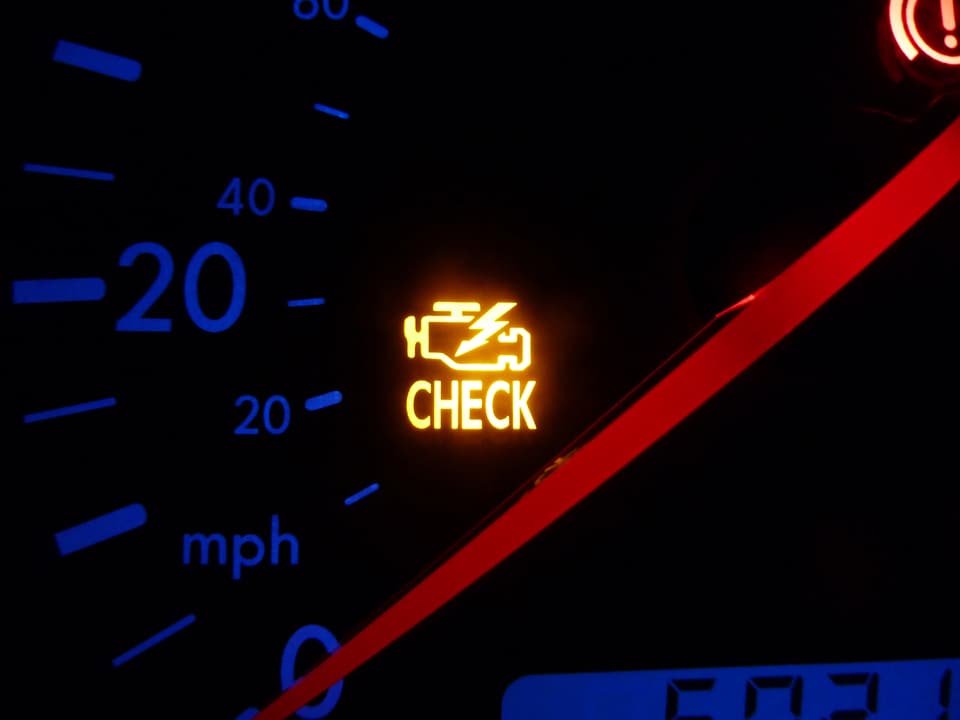
Is your Jeep Wrangler’s check engine light suddenly blinking? That flashing warning can be alarming, and you might wonder what it means for your vehicle and your safety.
Understanding why your check engine light blinks—and what to do next—can save you from costly repairs and keep your Jeep running smoothly. You’ll discover the common reasons behind that blinking light and how to respond quickly and confidently. Keep reading to protect your Jeep and avoid unexpected breakdowns.
Common Causes Of Blinking Check Engine Light
The blinking check engine light on a Jeep Wrangler signals a serious problem. It warns of issues that can harm the engine or reduce fuel efficiency. Understanding common causes helps you act quickly and avoid costly repairs.
Several problems can trigger this warning. Each affects your vehicle’s performance and safety differently. Knowing these causes helps you communicate clearly with your mechanic.
Engine Misfire
An engine misfire occurs when one or more cylinders fail to fire properly. This causes rough running and loss of power. Misfires can damage the catalytic converter if ignored. Common reasons include worn spark plugs or faulty ignition coils.
Ignition System Issues
The ignition system ignites the fuel-air mixture in the engine. Problems here cause poor combustion or engine stalling. Faulty spark plugs, ignition coils, or wiring can trigger the blinking light. Regular checks keep this system working well.
Fuel System Problems
The fuel system supplies the engine with necessary fuel. Clogged fuel injectors, bad fuel pumps, or dirty filters reduce fuel flow. This leads to rough engine operation and blinking check engine lights. Clean fuel and good parts prevent these issues.
Emissions Control Failures
Emissions controls reduce harmful gases from the exhaust. Failures in parts like the catalytic converter or EGR valve cause problems. These failures often trigger the blinking check engine light. Repairing these parts protects the environment and your engine.
Sensor Malfunctions
Sensors monitor engine conditions and send data to the computer. Faulty oxygen sensors or mass airflow sensors cause incorrect readings. The engine may run poorly, and the check engine light blinks. Sensor issues require prompt diagnosis and repair.
Diagnosing The Blinking Light
The blinking check engine light on a Jeep Wrangler signals a serious engine issue. It needs quick attention to avoid damage. Diagnosing this blinking light helps find the exact problem. This process involves tools and simple checks. Understanding the cause saves time and money.
Using An Obd-ii Scanner
An OBD-II scanner reads your Jeep’s engine codes. Plug it into the port under the dashboard. Turn the ignition on without starting the engine. The scanner shows codes linked to engine problems. It helps pinpoint the issue quickly. Many auto parts stores offer free scans.
Identifying Error Codes
Error codes start with a letter and have numbers. Each code points to a specific engine fault. For example, P0300 means random misfire. Write down the codes shown by the scanner. Search online for their meanings or check your Jeep’s manual. This guides your next repair steps.
Visual Inspection Tips
Look under the hood for loose or broken parts. Check spark plug wires for cracks or damage. Inspect vacuum lines for leaks or disconnections. Look at the engine for oil or coolant leaks. Simple visual checks catch easy-to-fix issues early. Keep the engine clean to spot problems faster.
Quick Fixes For Blinking Light
A blinking check engine light on a Jeep Wrangler often signals a serious engine problem. Quick fixes can save time and money. These simple steps might stop the blinking and keep your Jeep running smoothly.
Tightening The Gas Cap
A loose gas cap can cause the check engine light to blink. Open your gas tank and tighten the cap firmly. Drive for a few miles. The light may turn off if this was the issue.
Replacing Spark Plugs
Worn spark plugs can cause misfires, making the light blink. Remove the old plugs and install new ones. This can improve engine performance and stop the warning light.
Cleaning Fuel Injectors
Dirty fuel injectors affect engine fuel flow. Use a fuel injector cleaner or visit a mechanic. Clean injectors can reduce blinking lights and improve fuel efficiency.
Fixing Loose Wiring
Loose or damaged wiring can cause the engine light to blink. Check under the hood for loose connections. Secure any loose wires to restore proper signals.

Credit: www.santeecdjr.com
When To Seek Professional Help
Knowing when to seek professional help for a blinking check engine light in your Jeep Wrangler is important. The blinking light signals a serious issue that needs attention. Acting quickly can prevent costly damage and keep your vehicle safe.
Persistent Blinking Light
A blinking check engine light that does not stop means the problem is ongoing. This could signal a severe engine misfire or other engine trouble. Continuing to drive can cause more damage. Visit a mechanic right away for a proper diagnosis.
Engine Performance Issues
Notice your Jeep running rough or losing power? This often comes with a blinking check engine light. Poor engine performance can harm the vehicle’s components. A professional can find the cause and fix it before it worsens.
Safety Concerns
A blinking check engine light can mean safety risks. Engine misfires can lead to stalling or loss of control. Addressing the issue quickly protects you and your passengers. Never ignore safety warning signs on your Jeep.
Preventive Maintenance Tips
Preventive maintenance keeps your Jeep Wrangler running smooth. It helps avoid blinking check engine lights and costly repairs. Regular care lets you spot issues early. Follow these tips to maintain your Jeep’s health and performance.
Regular Engine Tune-ups
Engine tune-ups improve fuel efficiency and power. They check spark plugs, ignition wires, and other parts. Replacing worn parts stops engine misfires that cause blinking lights. Tune-ups also clean the engine for better breathing.
Scheduled Oil Changes
Changing oil on time protects engine parts. Old oil thickens and causes friction. This wears down the engine and triggers warning lights. Use the right oil type for your Jeep. Follow the manufacturer’s recommended oil change intervals.
Keeping Sensors Clean
Sensors monitor engine performance and emissions. Dirt or grime on sensors can send wrong signals. This may cause the check engine light to blink. Clean sensors gently with proper tools and solutions. Clean sensors help the engine run correctly.

Credit: www.youtube.com
Credit: www.greatwestchrysler.com
Frequently Asked Questions
What Does A Blinking Check Engine Light Mean On Jeep Wrangler?
A blinking check engine light means the engine has a serious problem. It often signals engine misfire or damage risk. Immediate attention is needed to avoid costly repairs.
Can I Drive My Jeep Wrangler With Blinking Check Engine Light?
Driving with a blinking light is not safe. It can cause more engine damage or breakdown. Stop driving and get your Jeep checked as soon as possible.
What Causes The Jeep Wrangler Check Engine Light To Blink?
Common causes include engine misfire, faulty spark plugs, or fuel system issues. It may also be due to a bad oxygen sensor. A diagnostic scan can identify the exact problem.
How Do I Reset The Blinking Check Engine Light On My Jeep?
Resetting the light requires fixing the underlying issue first. After repair, use an OBD-II scanner or disconnect the battery briefly. The light should turn off if the problem is resolved.
Should I Visit A Mechanic For Blinking Check Engine Light?
Yes, a mechanic can diagnose and fix the issue safely. They have tools to read error codes and repair your Jeep properly. Early repair helps prevent bigger engine problems.
Conclusion
A blinking check engine light on your Jeep Wrangler signals a serious issue. Ignoring it can cause bigger problems and costly repairs. Acting quickly helps protect your engine and keeps you safe on the road. Regular maintenance and timely checks prevent these warnings.
Stay alert and address the light as soon as it appears. Your Jeep will thank you with better performance and reliability. Don’t delay—take care of your vehicle today.