
Are you planning to install kitchen cabinets but worried about working on a tile floor? You’re not alone.
Installing cabinets on tile can feel tricky because the surface is hard and uneven. But don’t let that stop you. With the right steps, tools, and a little patience, you can get your cabinets perfectly in place without damaging your tile.
In this guide, you’ll learn exactly how to tackle this job smoothly and confidently. Keep reading to discover simple tips that will save you time, protect your floor, and give your kitchen the fresh look it deserves.
Prepare The Workspace
Preparing your workspace is the first step in installing kitchen cabinets on a tile floor. It helps create a safe and organized environment. This stage makes the installation smoother and faster. Taking time to prepare can prevent costly mistakes and damage.
Clear And Clean The Area
Remove all furniture and objects from the kitchen. Clear the floor to have full access to the tiles. Sweep or vacuum the floor to remove dust and debris. Clean the tiles with a damp cloth to eliminate grease and dirt. A clean surface helps cabinets sit flat and secure.
Check Floor Level And Condition
Use a level tool to check if the tile floor is even. Uneven tiles can cause problems when installing cabinets. Look for cracked or loose tiles that may need repair. Make sure the floor is strong enough to hold heavy cabinets. Fix any issues before starting the installation.
Gather Necessary Tools And Materials
Collect all tools needed for the job to avoid interruptions. Common tools include a drill, level, tape measure, and screwdrivers. Prepare screws, shims, and adhesive materials for securing cabinets. Having everything ready saves time and effort. Double-check materials match the cabinet requirements.

Credit: homecabinets.com
Plan Cabinet Layout
Planning the cabinet layout is the first step in installing kitchen cabinets on a tile floor. This stage helps avoid mistakes and saves time during installation. A clear plan ensures cabinets fit well and align properly in the kitchen space. It also helps manage plumbing, electrical needs, and wall support before starting the work.
Measure And Mark Cabinet Positions
Start by measuring the kitchen walls accurately. Use a tape measure to find the length and height where cabinets will go. Mark the positions on the tile floor with a pencil or painter’s tape. Marking helps visualize the layout and keeps the cabinets straight during installation. Double-check all measurements to avoid errors.
Consider Plumbing And Electrical Access
Look for water pipes and electrical outlets behind the walls. Cabinets must not block access to these important points. Plan cabinet placement around sinks, dishwashers, and power sources. Leave space for pipes and wires to avoid future repairs. This step saves hassle and extra work later.
Verify Wall Stud Locations
Use a stud finder to locate wall studs behind the drywall. Cabinets need to be securely fastened to studs for strong support. Mark stud locations on the wall with a pencil. Align cabinet mounting points with these studs. This ensures cabinets stay stable and safe over time.
Protect The Tile Floor
Protecting the tile floor is important before installing kitchen cabinets. Tiles can crack or scratch easily under heavy weight or sharp tools. Taking simple steps helps keep the floor safe during the installation process. Follow these tips to avoid costly damage and maintain the tile’s beauty.
Use Protective Coverings
Cover the tile floor with thick protective materials. Use cardboard, plywood sheets, or heavy-duty drop cloths. These coverings absorb pressure and prevent direct contact with tools and cabinet parts. Secure the coverings with tape to stop slipping. Replacing any damaged sections ensures continuous protection throughout the work.
Avoid Scratches And Damage
Lift cabinets instead of sliding them across tiles. Sliding causes scratches and chips on the surface. Use soft pads under cabinet legs while moving them. Handle tools carefully to prevent accidental drops. Check the floor often for small cracks or chips and repair them quickly to avoid bigger problems.

Credit: prolinerangehoods.com
Install Base Cabinets
Installing base cabinets on a tile floor requires careful steps for a strong and even setup. Proper placement ensures your kitchen looks good and functions well. Base cabinets form the foundation for your kitchen workspace and storage.
Start by arranging the cabinets in the right spots. Check the floor and walls to make sure everything aligns. Take your time to achieve a level and secure fit.
Level And Shim Cabinets
Tile floors are rarely perfectly flat. Use a level to check each cabinet’s position carefully. Place shims under cabinets where the floor dips or rises. Shims fill gaps and keep cabinets steady. Adjust shims slowly until cabinets sit evenly. A level base prevents doors from swinging open or closing unevenly.
Secure Cabinets To Wall Studs
Find the wall studs behind the tile. Use a stud finder for accuracy. Screw cabinets directly into these studs for strong support. Avoid screwing only into drywall or tile, as it won’t hold well. Use long screws that go deep into the studs. This step keeps cabinets from shifting over time.
Join Cabinets Together
Align cabinet edges so they sit flush against each other. Use clamps to hold cabinets in place temporarily. Drill pilot holes through cabinet frames to avoid splitting wood. Insert screws to join cabinets tightly. Joining cabinets creates one solid unit, improving stability and appearance.
Install Wall Cabinets
Installing wall cabinets on a tile floor requires careful steps. Wall cabinets add storage and style to your kitchen. Proper installation keeps them safe and sturdy. Follow these key steps to install wall cabinets on tiled walls.
Mark Wall Mounting Points
Start by measuring the height for your wall cabinets. Use a pencil to mark the wall where cabinets will hang. Check for studs with a stud finder. Mark the stud locations clearly. These points will hold the cabinet weight safely. Draw a level line across the wall for alignment. This line guides the cabinet placement.
Use Proper Anchors For Tile
Tile walls need special anchors to hold cabinets. Regular screws can crack tiles or fail. Use anchors designed for tile or masonry. Drill pilot holes with a bit made for tile. Insert anchors carefully into the holes. This step secures the cabinet against the tile surface. Choose anchors rated for the cabinet weight.
Secure Cabinets Safely
Lift the cabinet and align it with your marks. Have a helper hold it steady if needed. Screw through the cabinet back into the wall anchors and studs. Tighten screws firmly but avoid over-tightening. Check the cabinet level again. Adjust screws if the cabinet isn’t straight. Secure all cabinets before using them.
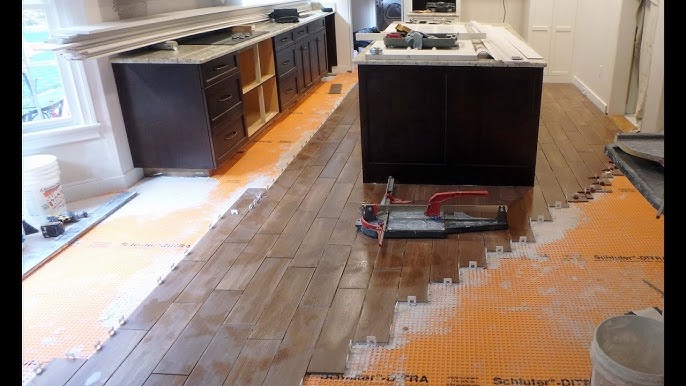
Credit: www.youtube.com
Adjust And Align Cabinets
Adjusting and aligning cabinets is a key step when installing on a tile floor. This step ensures your cabinets sit straight and fit perfectly. Proper alignment prevents gaps and uneven surfaces.
Take your time to check each cabinet’s position before securing it. Small adjustments now save big problems later. The goal is a smooth, level line of cabinets that look great and work well.
Check For Level And Plumb
Use a spirit level to check the cabinet’s top edge. Place it on the cabinet frame to see if it is perfectly horizontal. Next, check if the cabinet is plumb by placing the level vertically on the side. This shows if the cabinet stands straight up or leans.
Look along the tile floor to spot any uneven gaps under the cabinet. Uneven floors can cause cabinets to tilt. Mark any spots that need fixing before moving forward.
Make Necessary Adjustments
Adjust the cabinet by adding shims between the cabinet base and the tile floor. Use thin pieces of wood or plastic shims to raise low spots. Tap them gently until the cabinet is level and plumb.
Recheck the level and plumb after each shim adjustment. Tighten cabinet screws slowly while keeping the level in place. Repeat this for each cabinet to keep all aligned in a row.
Proper adjustment keeps cabinets stable and easy to open. It also protects the tile floor from damage by distributing weight evenly. Take your time to get this step right.
Finish And Seal
Finishing and sealing your kitchen cabinets after installation protects them and gives a polished look. This step helps keep dirt, moisture, and pests away from gaps. It also improves the cabinet’s durability and style. Proper finishing makes your kitchen look neat and complete.
Install Trim And Molding
Trim and molding cover the rough edges between cabinets and walls or floors. They hide gaps and give a smooth, clean finish. Use a measuring tape to cut trim pieces that fit exactly. Nail or glue them carefully along the edges of cabinets. Choose trim that matches your cabinet style and color.
Seal Gaps And Edges
Sealing gaps prevents water and dirt from getting under cabinets. Use a good-quality caulk to fill spaces between the cabinet base and tile floor. Smooth the caulk with your finger or a tool for a clean look. Seal edges around molding and trims too. Let the sealant dry fully before using the kitchen.
Clean Up And Final Checks
Cleaning up after installing kitchen cabinets on a tile floor is important. It keeps your kitchen neat and ready for use. Final checks help ensure cabinets are safe and look great. Take time to finish these steps carefully.
Remove Protective Coverings
Start by taking off any protective films or tapes. These might cover cabinet doors, handles, or shelves. Removing them prevents dirt buildup and reveals the true cabinet finish. Use gentle motions to avoid scratches. Dispose of coverings properly to keep the area tidy.
Inspect For Stability And Appearance
Check each cabinet for firmness. Push lightly on doors and drawers to test their strength. Look for any loose screws or gaps between cabinets and walls. Make sure doors open and close smoothly. Notice any scratches, dents, or paint spots. Fix small issues before moving on. This step ensures your kitchen looks neat and works well.
Frequently Asked Questions
How Do I Prepare Tile Floors Before Installing Cabinets?
Clean the tile surface thoroughly to remove dirt and grease. Check for loose or cracked tiles and repair them. Ensure the floor is level to avoid cabinet alignment issues.
Can Kitchen Cabinets Be Secured Directly To Tile Floors?
It is possible but not recommended. Use shims and spacers to prevent damage and ensure cabinets sit evenly. Consider installing a plywood base over the tile for better support.
What Tools Are Needed To Install Cabinets On Tile Floors?
You will need a drill with masonry bits, a level, shims, screws, and a tape measure. A rubber mallet helps adjust cabinet placement without damaging tiles. Safety gear like gloves and goggles is essential.
How Do I Avoid Damaging Tiles During Cabinet Installation?
Drill slowly with a masonry bit to prevent cracking. Use protective pads under cabinets and handle pieces carefully. Avoid dragging heavy items across the tile surface.
Should I Use Adhesive Or Screws To Fix Cabinets On Tile Floors?
Screws anchored into the wall studs and floor are more secure. Adhesive alone may not hold cabinets firmly over time. Combining both methods can provide extra stability.
Conclusion
Installing kitchen cabinets on a tile floor is doable with care and patience. Measure twice, drill carefully, and secure cabinets firmly. Use the right tools to avoid damaging tiles. Take your time to keep everything level and aligned. Follow these steps, and your kitchen will look great and last long.
Small efforts lead to big results. You can enjoy a neat and sturdy kitchen space.