
If you own a wood stove, you know how important a good door gasket is. It keeps the heat in, saves fuel, and keeps your home cozy.
But how do you find the right size gasket for your stove door? Getting the size wrong can lead to leaks, wasted energy, and extra costs. Don’t worry—you’re about to learn a simple, step-by-step way to measure your wood stove door gasket size with confidence.
Keep reading, and you’ll have the perfect fit in no time.
Credit: total-hearth.com
Measure The Door Frame
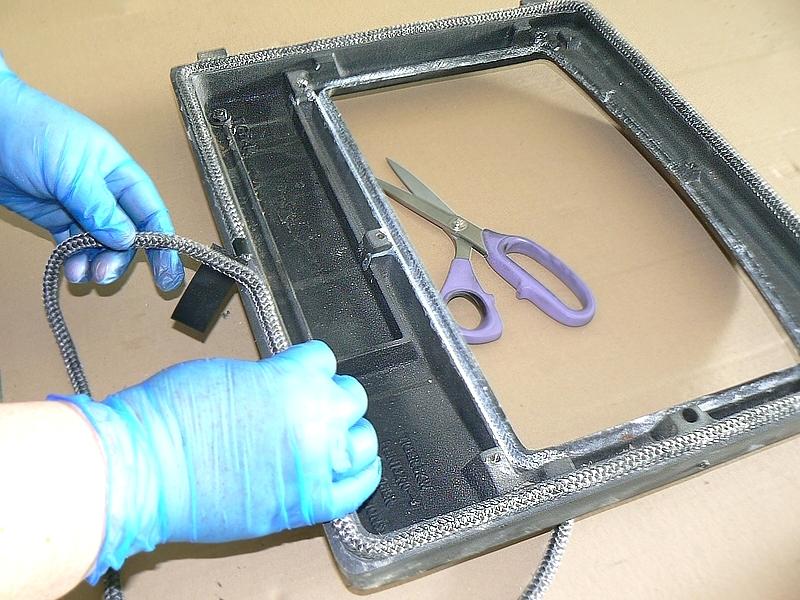
Measuring the door frame is the first step to find the right wood stove door gasket size. This step helps ensure a tight seal. A proper seal keeps heat inside and smoke out. Take your time to measure carefully. Small mistakes can cause big problems later.
Check The Gasket Channel Width
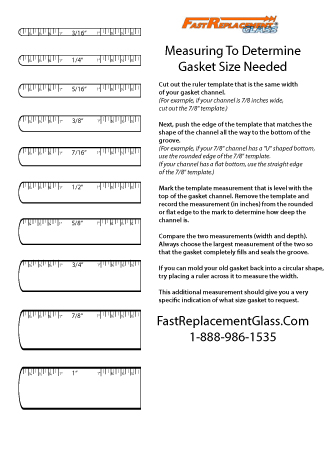
Start by looking at the groove where the gasket sits. This groove is called the gasket channel. Use a ruler or caliper to measure its width. The width shows the thickness the gasket should have. Write down this number. It helps to pick a gasket that fits snugly without forcing.
Measure The Door Perimeter
Next, measure the outside edge of the door where the gasket will go. Use a flexible tape measure for accuracy. Follow all edges and corners. This measurement gives you the total length of the gasket needed. Add a little extra length. It allows the gasket ends to overlap slightly. This overlap keeps the seal tight and secure.

Credit: www.fastreplacementglass.com
Choose The Right Gasket Shape
Choosing the correct gasket shape is key to a wood stove’s efficiency. The right shape helps seal the door tightly. This stops air leaks and keeps heat inside. A proper seal improves burning and saves fuel. Pick a gasket that fits your stove’s door groove perfectly. This ensures safety and better stove performance.
Round Vs Square Gasket Profiles
Round gaskets are common and easy to fit. They compress evenly and make a good seal. These gaskets work well on flat or slightly curved surfaces. Square gaskets provide a firmer seal in some cases. They fit tightly into sharp-edged grooves. Square profiles may last longer under heavy use. Check your stove’s manual to see the recommended shape.
Consider Gasket Material Types
Gasket materials affect durability and heat resistance. Fiberglass is popular for wood stoves. It can withstand high temperatures and resists wear. Ceramic fiber gaskets handle even hotter fires. Silicone gaskets offer flexibility but lower heat tolerance. Choose a material that matches your stove’s heat output. Proper material choice helps the gasket last longer and work better.
Calculate Gasket Length
Calculating the correct gasket length is a key step in replacing your wood stove door gasket. The gasket seals the door, keeping smoke and heat inside. Measuring the gasket length carefully ensures a tight fit and helps the stove work efficiently.
Add Extra Length For Overlap
The gasket must form a continuous loop around the door. Add a little extra length to the measurement for the ends to overlap. This overlap allows the gasket to seal properly without gaps. Usually, adding about 10% extra length works well for most stoves.
Account For Door Irregularities
Wood stove doors are not always perfectly square. Corners might be rounded or uneven. Measure each side separately and add a bit of extra length for these irregularities. This ensures the gasket fits snugly, even on imperfect shapes.
Tools Needed For Measurement
Measuring the wood stove door gasket size needs the right tools. Accurate tools help get the perfect fit. This stops heat loss and keeps your stove working well. Use tools that are easy to handle and give clear readings.
Use A Flexible Measuring Tape
A flexible measuring tape bends around the door frame easily. It helps measure the gasket groove length. Measure the full perimeter to find the exact size. Choose a tape with clear numbers for easy reading. Keep the tape tight to avoid loose measurements.
Utilize Calipers For Accuracy
Calipers give precise thickness and width measurements. They are great for checking gasket width and depth. Use the caliper jaws to gently hold the gasket edge. Read the digital or dial display for exact numbers. This tool ensures your new gasket fits snugly.
Tips For Removing Old Gasket
Removing the old gasket from a wood stove door requires care and patience. This step ensures a proper fit for the new gasket. A clean surface helps the new gasket stick better. Checking the door for damage or warping is also important. These tips will help make the removal process easier and more effective.
Clean The Surface Thoroughly
Start by scraping off all the old gasket pieces. Use a putty knife or a gasket scraper for this. Remove any stuck residue or glue. A clean surface helps the new gasket seal tightly. Wipe the area with a cloth dampened with rubbing alcohol. This removes dust and oils that prevent sticking. Let the surface dry completely before adding the new gasket.
Inspect For Damage Or Warping
Look closely at the door and frame for cracks or bends. Warping can stop the door from closing properly. Check for rust or worn spots around the gasket groove. These issues can cause air leaks. Fix any damage before installing the new gasket. This ensures the stove works safely and efficiently.
Credit: www.fastreplacementglass.com
Test Fit Before Final Installation
Test fitting the wood stove door gasket is a key step before final installation. This step helps ensure the gasket fits perfectly. A good fit prevents smoke leaks and keeps your stove efficient.
Skipping this step can cause problems like poor sealing or gasket damage. Taking time to test fit saves effort later. It also ensures your stove door closes tightly and safely.
Dry Fit The Gasket
Place the gasket gently around the door frame. Do not use glue or adhesive yet. Make sure the gasket sits flat and follows the shape of the door. Check for any twists or gaps along the length. The gasket should fit snugly but not be stretched. This dry fit shows how the gasket matches the door size.
Adjust Length If Needed
Measure the gasket length against the door frame carefully. Cut off any extra gasket using scissors or a sharp knife. Leave a small overlap for joining the ends securely. Trim little by little to avoid cutting too short. A perfect length ensures a tight seal without gaps. After adjusting, test fit again to confirm the correct size.
Frequently Asked Questions
How Do I Measure Wood Stove Door Gasket Size?
Measure the gasket’s width and length with a tape measure. Note both the thickness and the total length of the gasket strip needed.
What Tools Help Measure Stove Door Gasket Size Accurately?
A flexible tape measure or ruler works best. A caliper can measure thickness precisely if needed.
Why Is Gasket Size Important For Wood Stove Doors?
Proper gasket size ensures a tight seal. It stops air leaks and keeps the stove burning efficiently.
Can I Use The Old Gasket To Find The New Size?
Yes, remove the old gasket and measure it carefully. This gives the exact size needed for replacement.
What If My Wood Stove Door Gasket Size Is Not Standard?
Custom sizes may be needed for some models. Contact the stove manufacturer or a specialist for exact dimensions.
Conclusion
Choosing the right wood stove door gasket size keeps your stove safe and efficient. Measure the old gasket or the door’s groove carefully. A good fit stops air leaks and saves energy. Don’t guess; accurate measurements matter. This small step helps your stove work better and last longer.
Keep your home warm and cozy with the correct gasket size. Simple, clear steps make the process easy for anyone. Take your time and check twice to get it right.