
Are you ready to create the perfect home for your reptile? Building a reptile cage with sliding doors is easier than you might think—and it gives you quick, hassle-free access to your pet.
Imagine being able to clean, feed, and check on your reptile without struggling with bulky lids or awkward openings. In this guide, you’ll discover simple steps and smart tips that make building a sturdy, functional cage possible even if you’re new to DIY projects.
Keep reading to learn how to design a safe, stylish space your reptile will love—and how sliding doors can make your life so much easier.
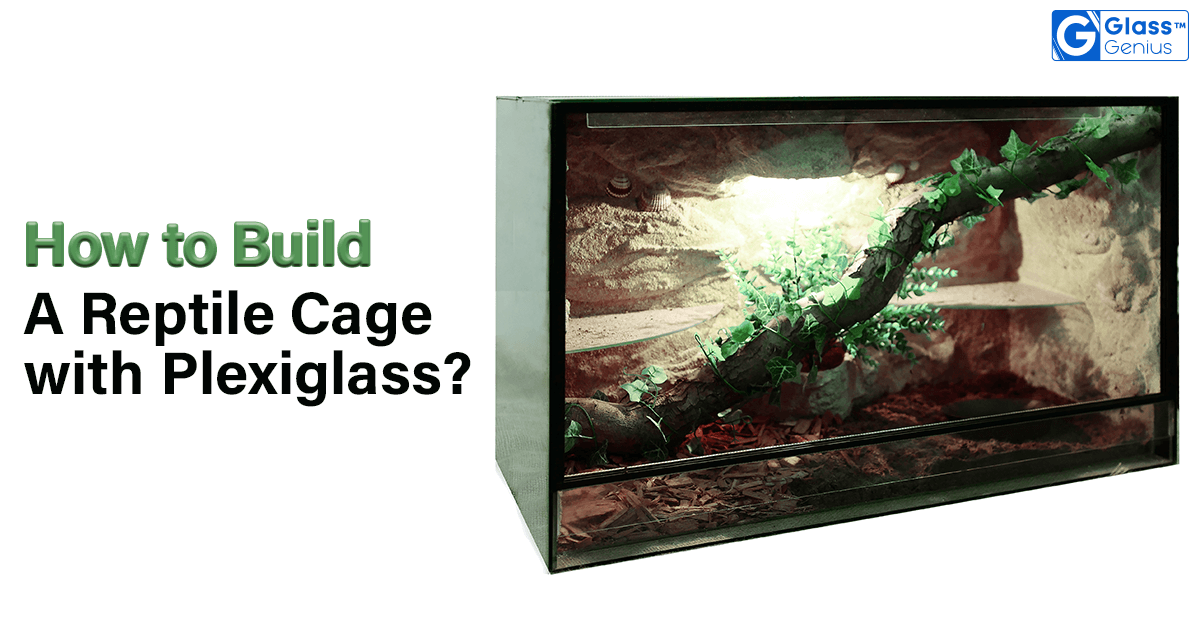
Credit: www.glassgenius.com
Choosing Materials
Choosing the right materials for your reptile cage is key to its success. Each material affects durability, safety, and appearance. Picking good materials helps keep your pet safe and comfortable.
Materials must be strong and easy to clean. They should also hold up well to moisture and heat. This section covers wood, glass or acrylic panels, and hardware for sliding doors.
Selecting The Right Wood
Wood is a popular choice for reptile cages. It feels natural and provides good insulation. Choose hardwood like plywood or cedar for strength. Avoid softwoods that may warp or absorb moisture. Make sure the wood is untreated or sealed with non-toxic finishes. This keeps your pet safe from chemicals.
Wood also allows easy customization. You can cut and shape it to fit your design. It is important to sand all edges smooth. This prevents splinters that could hurt your reptile.
Glass Or Acrylic Panels
Glass and acrylic make great panels for sliding doors. Glass is clear, scratch-resistant, and easy to clean. It provides a good view of your reptile. However, it is heavier and can break if dropped.
Acrylic is lighter and more impact-resistant than glass. It is safer for pets that might push or bite the panels. Acrylic can scratch more easily, so handle carefully. Both materials should fit tightly in the frame to prevent escapes.
Hardware And Sliding Door Tracks
Hardware quality is essential for smooth sliding doors. Choose metal tracks and rollers for durability. Avoid plastic parts that wear out quickly. The tracks must be rust-resistant, especially in humid environments.
Check that the sliding mechanism moves quietly and smoothly. Door handles should be easy to grip but secure enough to prevent accidental opening. Proper hardware ensures your reptile stays safely inside the cage.
Planning The Design
Planning the design is the first step in building a reptile cage with sliding doors. A good plan helps create a safe and comfortable home for your pet. It also makes the building process smoother and faster. Focus on size, door placement, and airflow to ensure the cage works well.
Measuring Cage Dimensions
Start by measuring the space available for the cage. Think about your reptile’s size and how much room it needs to move. Larger reptiles need bigger cages. Use a tape measure to get exact length, width, and height. Write down all numbers clearly. Accurate dimensions help avoid mistakes later.
Designing Door Placement
Sliding doors must be easy to open and close. Place them where you can reach comfortably. Avoid spots that block your view or access to the reptile. Doors should be wide enough for cleaning and feeding. Plan for smooth tracks so doors slide without sticking. Good door placement makes daily care simpler.
Ventilation Considerations
Proper airflow keeps your reptile healthy. Plan vents near the top and bottom of the cage. This setup helps fresh air enter and stale air exit. Use mesh or small holes for vents. Make sure vents are safe and prevent escapes. Good ventilation controls humidity and temperature well.
Cutting And Preparing Components
Building a reptile cage with sliding doors starts with cutting and preparing all parts carefully. This step ensures the cage fits perfectly and works smoothly. Accurate cutting and proper preparation make the sliding doors easy to use and long-lasting. Take your time to measure and cut each component with care.
Cutting Wood Panels
Measure the wood panels to match your cage design. Use a pencil to mark straight lines on the wood. A circular saw or handsaw works best for clean cuts. Cut slowly to avoid splintering the wood. Check each panel after cutting to confirm the size is right.
Preparing Sliding Door Frames
Cut thin strips of wood for the door frames. These strips will hold the sliding glass or mesh. Join the strips with wood glue or small nails to form rectangles. Make sure the frames are square and smooth. Check the fit inside the cage opening before fixing permanently.
Sanding And Finishing
Sand all cut edges to remove rough spots and splinters. Use fine-grit sandpaper for a smooth finish. Sand the sliding door frames carefully to ensure easy movement. Apply a reptile-safe sealant or paint to protect the wood from moisture. Let the finish dry completely before assembly.

Credit: www.youtube.com
Assembling The Cage Frame
Building a reptile cage with sliding doors starts with assembling a strong frame. The frame holds all parts together and supports the sliding doors. A sturdy frame keeps your reptile safe and comfortable. Follow these steps to build a solid cage frame.
Joining Panels Together
Begin by aligning the side panels with the back panel. Use screws or brackets to connect them firmly. Check that each corner forms a right angle. Tighten all fasteners to avoid gaps or loose parts. Make sure the frame is square and stable before moving on.
Securing The Base And Top
Place the base panel on a flat surface. Attach the joined side and back panels to the base. Use screws or corner brackets for extra strength. Next, fix the top panel to the frame. Ensure the top fits tightly to prevent escapes and keep heat inside.
Adding Ventilation Grills
Cut openings on the side or top panels for airflow. Attach ventilation grills over these spaces. Use screws or strong adhesive to secure grills firmly. Proper ventilation keeps the cage fresh and prevents mold. It also helps regulate temperature for your reptile’s health.
Installing Sliding Doors
Installing sliding doors on your reptile cage makes access easy and safe. Sliding doors save space and look neat. This section guides you through mounting tracks, fitting door panels, and ensuring smooth operation. Follow these steps to build a secure, functional cage door.
Mounting Door Tracks
Start by measuring the door opening precisely. Cut the tracks to fit the width of the cage. Use a level to keep the tracks straight. Attach the top and bottom tracks with screws or strong adhesive. Make sure the tracks align perfectly to avoid door jams.
Fitting Door Panels
Choose lightweight but sturdy materials for door panels. Slide each panel carefully into the tracks. Check that the panels fit snugly without forcing them. Trim edges if needed for a smooth fit. Panels should move easily but stay securely in place.
Ensuring Smooth Operation
Test the door by sliding it back and forth several times. Lubricate the tracks with a small amount of silicone spray. Avoid oil-based lubricants that attract dirt. Adjust screws or track alignment if doors stick or wobble. The door should glide quietly and smoothly every time.
Adding Finishing Touches
Adding finishing touches to your reptile cage with sliding doors improves safety and style. These small steps protect your pet and make the cage more comfortable. The final details also keep the cage secure and look neat. Focus on sealing gaps, installing locks, and decorating inside.
Sealing Edges And Gaps
Seal all edges and gaps to stop escapes and drafts. Use silicone sealant or weatherstripping for tight seals. Check corners and the sliding door tracks carefully. A well-sealed cage keeps your reptile safe and warm. Avoid sharp edges that might hurt your pet. A smooth finish makes cleaning easier too.
Installing Locks Or Latches
Install locks or latches on the sliding doors to prevent accidental openings. Choose secure, easy-to-use locks that suit your cage design. Slide locks or magnetic latches work well. Make sure locks are strong but accessible for you. This prevents your reptile from escaping and keeps others out. Test locks regularly to ensure they work properly.
Decorating The Interior
Decorate the cage interior to create a natural environment for your reptile. Use safe, non-toxic plants, rocks, and hides. Arrange decorations to offer climbing and hiding spots. Avoid overcrowding the space. Decorations improve your pet’s comfort and reduce stress. Clean decorations regularly to keep the cage fresh and healthy.
Maintaining The Cage
Maintaining the reptile cage is key to keeping your pet healthy and happy. Regular care helps the cage last longer and stay safe. Cleanliness and smooth door operation prevent many problems. A little effort each week goes a long way.
Cleaning Tips
Remove waste and leftover food daily. Use a reptile-safe cleaner for all surfaces. Avoid harsh chemicals that can harm your pet. Wipe sliding doors and tracks to stop dirt buildup. Clean water bowls and decorations often. Keep the cage dry to prevent mold.
Inspecting Sliding Mechanisms
Check sliding doors for smooth movement every week. Look for dirt or debris blocking the tracks. Test door locks to ensure they close tightly. Lubricate tracks with a small amount of silicone spray. Avoid oil-based lubricants that attract dust. Replace any bent or damaged parts right away.
Preventing Wear And Tear
Handle doors gently to avoid damage. Avoid slamming or forcing the sliding panels. Use soft cloths for cleaning to protect surfaces. Keep cage away from direct sunlight to prevent fading. Regularly check for cracks or loose screws. Fix small issues quickly before they grow bigger.
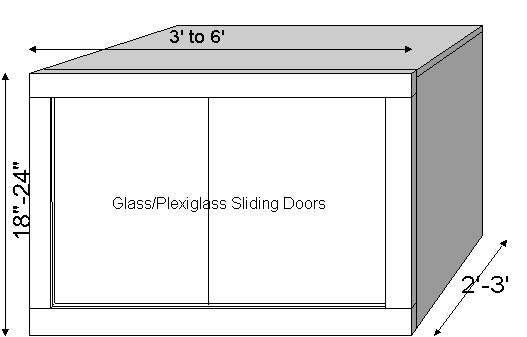
Credit: www.reptile-cage-plans.com
Frequently Asked Questions
What Materials Are Best For Building A Reptile Cage With Sliding Doors?
Wood, glass, and metal are common materials for reptile cages. Wood offers easy customization, glass provides visibility, and metal adds durability.
How Do Sliding Doors Improve Reptile Cage Access?
Sliding doors save space and allow quick access to the cage interior. They reduce the risk of doors swinging open and disturbing your pet.
What Tools Do I Need To Build Sliding Doors For A Reptile Cage?
Basic tools include a saw, drill, screwdriver, measuring tape, and sandpaper. These help cut, assemble, and smooth the door parts.
How Can I Ensure The Sliding Doors Are Secure And Safe?
Install locks or latches to keep doors firmly closed. Smooth edges and proper fitting prevent injury to your reptile.
How Do I Maintain Sliding Doors On A Reptile Cage?
Regularly clean the tracks and remove debris for smooth sliding. Lubricate metal parts lightly to avoid rust and sticking.
Conclusion
Building a reptile cage with sliding doors is simple and practical. You get easy access to your pet without disturbing it. Sliding doors save space and look neat. Use the right materials for safety and durability. Take your time to measure and fit everything well.
This project helps you create a comfortable home for your reptile. Enjoy watching your pet thrive in its new cage. Small steps can lead to great results. Try building one yourself and see the difference.