
Are you looking to add extra storage or easy access to your deck without sacrificing space? Building a hatch door in your deck might be the perfect solution.
Imagine having a hidden compartment right under your feet where you can store tools, cushions, or garden supplies. It’s practical, keeps your deck neat, and even adds a touch of clever design. In this guide, you’ll learn simple steps to create a sturdy, functional hatch door that fits seamlessly into your deck.
Ready to transform your outdoor space? Let’s get started!

Credit: www.youtube.com
Planning Your Hatch Door
Planning your hatch door is the first step to a successful deck project. It helps to avoid mistakes and saves time. Careful planning ensures the hatch fits well and works smoothly. It also keeps your deck safe and sturdy.
Choosing The Right Location
Pick a spot on the deck that is easy to reach. Avoid areas with heavy foot traffic or where furniture sits. The location should allow enough space for the hatch to open fully. Check under the deck for any obstacles like pipes or wiring.
Measuring And Marking
Measure the size of the hatch carefully. Mark the area on the deck with a pencil or chalk. Double-check your measurements to prevent errors. Make sure the hatch fits the space without cutting important deck supports.
Selecting Materials
Choose strong, weather-resistant wood for the hatch frame and door. Use materials that match or complement your deck. Consider using outdoor-grade screws and hinges. These parts resist rust and last longer.
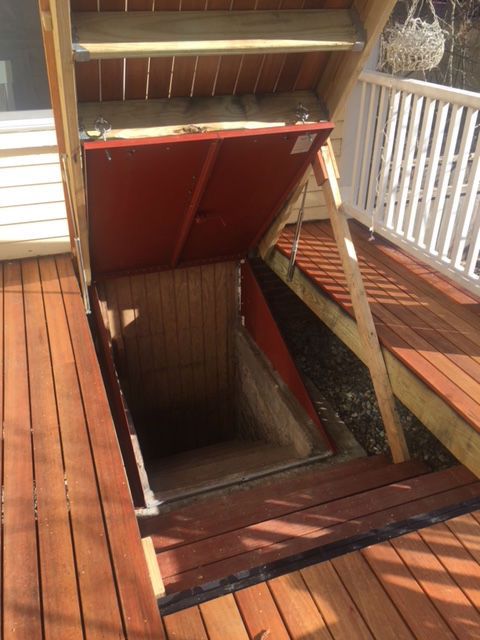
Credit: www.shconstruction.com
Gathering Tools And Supplies
Building a hatch door in your deck needs careful planning and the right tools. Before you start cutting or assembling, gather everything you need. This step saves time and helps you work safely and smoothly. Collecting tools and materials first keeps the project organized.
Essential Tools List
- Measuring tape for accurate dimensions
- Power drill with drill bits
- Circular saw or handsaw
- Screwdriver set
- Clamps to hold pieces in place
- Hammer for nails or adjustments
- Level to ensure even surfaces
- Carpenter’s square for right angles
Recommended Materials
- Pressure-treated wood or cedar boards
- Outdoor wood screws
- Hinges suitable for outdoor use
- Weather-resistant sealant or paint
- Decking screws
- Wood glue for extra strength
- Rubber or foam weather stripping
Safety Gear
- Safety glasses to protect eyes
- Work gloves for hand protection
- Ear protection for loud tools
- Dust mask to avoid inhaling sawdust
- Sturdy shoes to prevent foot injuries
Cutting The Hatch Opening
Cutting the hatch opening is a key step in building a hatch door on your deck. This step requires careful measuring and precise cutting. It ensures the hatch fits well and works smoothly. Follow these steps to make a clean, accurate opening.
Marking The Cut Lines
Start by measuring the size of the hatch frame. Use a pencil to mark the outline on the deck surface. Double-check all measurements before marking. Straight, clear lines help guide your cuts. Mark both the length and width carefully.
Using The Saw Safely
Choose a saw suitable for deck boards, like a circular saw. Wear safety goggles and gloves before starting. Keep your hands away from the blade. Cut slowly along the marked lines to avoid mistakes. Always work on a stable surface for better control.
Removing Deck Boards
After cutting, carefully lift the deck boards inside the marked area. Use a pry bar if needed, but be gentle to avoid damage. Remove any nails or screws holding the boards in place. Keep the removed boards safe for reuse or as a reference.
Building The Frame
Building the frame is the first major step in creating a hatch door in your deck. This part gives the door its shape and strength. A solid frame ensures the hatch fits well and stays durable over time. It also helps the door open and close smoothly without any problems.
Taking time to build a strong frame will save you from future repairs. Use quality wood that matches your deck material. Measure carefully to get the right size. A well-built frame makes the rest of the project easier and more successful.
Creating Support Structure
Start by cutting the wood pieces for the frame. Use sturdy boards that can hold weight. Cut two long pieces for the sides and two shorter pieces for the top and bottom. This creates a rectangle shape. Add extra support in the middle with a cross brace. This stops the frame from bending or sagging.
Installing The Frame
Place the frame inside the deck opening. Check that it fits snugly without gaps. Use a level to make sure the frame is even on all sides. Adjust the frame until it sits flush with the deck surface. This ensures the hatch door will align perfectly when closed.
Securing With Fasteners
Use screws to attach the frame to the deck joists. Choose corrosion-resistant screws for outdoor use. Drive the screws evenly around the frame for strong hold. Avoid using nails since they can loosen over time. Double-check the frame’s stability after fastening to prevent movement.
Constructing The Hatch Door
Constructing the hatch door is a key step in building your deck access. This part needs to be sturdy and fit well. A good hatch door blends with the deck and provides easy access below. Follow clear steps to cut, attach, and finish the door. This ensures it works smoothly and lasts long.
Cutting Door Panels
Start by measuring the hatch opening carefully. Mark the wood panels to match these dimensions. Use exterior-grade plywood or deck boards for durability. Cut the panels with a saw, keeping edges straight and smooth. Sand the edges to avoid splinters. Make sure the door fits snugly in the frame.
Adding Hinges
Select strong, rust-resistant hinges suitable for outdoor use. Position the hinges along one long side of the door panel. Attach hinges to the door first using screws. Then, fix the other side of the hinges to the deck frame. Check the door swings open easily without dragging. Adjust screws if needed for smooth movement.
Installing Handles And Latches
Choose handles that are easy to grip and weatherproof. Install handles on the side opposite the hinges. Use screws to secure handles firmly to the door. Add a latch to keep the hatch door closed safely. Test the latch to ensure it locks and unlocks smoothly. This keeps the door secure during wind or rain.
Installing The Hatch Door
Installing the hatch door is an important step in building a deck hatch. Proper installation ensures the door fits well and works smoothly. Pay close attention to alignment and hinge attachment. Testing the door operation helps avoid problems later. Follow each step carefully for best results.
Aligning The Door
Start by placing the hatch door in the frame. Check that the door sits evenly without gaps. Use a level to confirm the door is straight. Adjust the door position until it fits snugly. Proper alignment prevents sticking and makes the door easy to open.
Attaching Hinges To Frame
Choose sturdy hinges that match the door size. Position the hinges evenly along the door edge. Mark screw holes on the frame clearly. Pre-drill holes to avoid splitting the wood. Secure hinges tightly with screws, ensuring they hold firm. Hinges must support the door weight without bending.
Testing Door Operation
Open and close the hatch door several times. Check for smooth movement and no rubbing. Confirm the door stays open when lifted. Make sure the door closes fully without gaps. Fix any issues by adjusting hinges or door position. A well-working hatch door lasts longer and is safer.
Finishing Touches
Finishing touches on your deck hatch door make a big difference. They help protect the door and keep it looking good. These small steps also make sure your hatch door lasts for many years. Take time to do these last steps carefully.
Sealing And Weatherproofing
Seal the edges of the hatch door to stop water from getting in. Use a good outdoor sealant that works on wood and metal. Apply the sealant evenly along all joints and corners. This stops rain and moisture from damaging the deck and the door.
Weatherproofing keeps the wood from warping or rotting. Check that the sealant covers every gap. Let the sealant dry fully before using the door. This simple step protects your deck from water damage.
Painting Or Staining
Choose paint or stain that matches your deck style. Paint offers a strong layer of protection and color. Stain lets the wood grain show through and adds a natural look. Both help guard against sun and rain damage.
Apply two coats for the best coverage. Let the first coat dry before adding the second. Use a brush or roller for even coverage. This step keeps your hatch door looking fresh and new for longer.
Adding Safety Features
Add hardware that keeps the hatch door secure and safe. Install strong hinges that hold the door firmly. Use a latch or lock to prevent accidental openings. Safety features protect your family and pets from falls.
Consider adding non-slip strips to the hatch door surface. These strips reduce slipping when the door is open. They provide extra grip, especially in wet weather. Safety is key for every deck hatch door.
Credit: lucigold.com
Maintenance Tips
Maintaining a hatch door in your deck keeps it working well for years. Regular care stops small problems from becoming big issues. Simple steps can make a big difference in how long your hatch door lasts.
Regular Inspections
Check your hatch door often. Look for cracks, loose screws, or wood damage. Early detection helps fix problems fast. Inspect both sides of the door and the frame. Make sure the hatch fits tightly and opens smoothly.
Lubricating Hinges
Hinges need oil to move easily. Use a light lubricant for best results. Apply it to all moving parts. This reduces noise and prevents rust. Wipe off extra oil to avoid dirt buildup.
Repairing Damages
Fix any damage quickly. Replace broken screws or nails. Patch small cracks with wood filler. Sand rough spots to keep the surface smooth. Treat wood with sealant to protect from water and sun.
Frequently Asked Questions
What Tools Are Needed To Build A Hatch Door In A Deck?
Basic tools include a saw, drill, measuring tape, hinges, and screws. Safety gear like gloves and goggles is also important. These tools help cut and secure the hatch door properly.
How Do I Measure The Deck For A Hatch Door?
Measure the deck opening size where the hatch will fit. Ensure the opening is square for a tight fit. Accurate measurements prevent gaps and make installation easier.
What Materials Are Best For A Deck Hatch Door?
Use weather-resistant wood like cedar or pressure-treated lumber. These materials last longer outdoors and resist rot. Choose sturdy hinges and waterproof sealant for durability.
How Do I Install Hinges On A Deck Hatch Door?
Attach hinges to the hatch frame first, then to the deck frame. Use screws that match the hinge size for a secure hold. Check the door swings smoothly before finishing.
How Can I Ensure The Hatch Door Is Safe To Use?
Add a latch to keep the door closed during storms or strong winds. Sand edges to avoid splinters and check for loose screws regularly. Safety makes the hatch reliable and user-friendly.
Conclusion
Building a hatch door in your deck adds easy access and extra storage. Follow each step carefully for a strong, safe result. Use the right tools and materials for lasting quality. Take your time to measure and cut accurately. This small project improves your deck’s function and style.
Enjoy the satisfaction of doing it yourself. A well-built hatch door makes your deck more useful every day.