Your engineered hardwood floors add beauty and value to your home. But water can quickly turn that beauty into a costly problem.
If you want to keep your floors looking great and avoid expensive repairs, you need to know how to protect them from water damage. You’ll discover simple, effective tips to shield your floors and keep them safe for years to come.
Keep reading to learn how to protect your investment and enjoy your floors without worry.
Common Water Risks For Engineered Hardwood
Engineered hardwood floors add beauty and warmth to any home. Protecting these floors from water damage is key to keeping them looking great. Water can harm engineered hardwood in many ways. Knowing the common risks helps prevent costly damage.
Spills And Stains
Spills happen often in kitchens and dining areas. Liquids like juice, coffee, or water can sit on the floor. If not cleaned quickly, spills cause stains and warping. Engineered hardwood absorbs moisture fast. This leads to swelling and permanent marks.
Humidity And Moisture
High humidity levels affect engineered hardwood floors. Moist air causes the wood to expand and contract. This creates gaps and buckling over time. Bathrooms and basements often have excess moisture. Controlling indoor humidity helps keep floors stable and dry.
Flooding And Leaks
Floods and leaks are severe threats to engineered hardwood. Water can seep under the floorboards and damage the layers beneath. Burst pipes or heavy rain can cause flooding indoors. Quick action is necessary to reduce water damage and prevent mold growth.
Credit: twentyandoak.com
Preventative Measures To Shield Floors
Protecting engineered hardwood floors from water damage starts with simple steps. Taking action before water causes harm can save time and money. Small efforts make a big difference in keeping floors safe and beautiful.
Use Of Water-resistant Sealants
Applying water-resistant sealants creates a strong barrier on hardwood floors. These sealants stop water from soaking into the wood. A sealed floor reduces the risk of swelling and warping. Choose sealants designed for engineered hardwood for best results.
Installing Proper Flooring Underlayment
Underlayment acts as a cushion and moisture barrier under the hardwood. It helps protect floors from dampness that rises from the subfloor. Use underlayment materials made for water resistance. Proper installation ensures better protection against spills and leaks.
Maintaining Indoor Humidity Levels
Keeping indoor humidity between 35% and 55% helps protect hardwood floors. Too much moisture causes wood to expand and warp. Too little moisture makes wood dry and crack. Use a humidifier or dehumidifier to control indoor humidity levels.
Daily Habits To Minimize Water Damage
Daily habits play a big role in protecting engineered hardwood floors from water damage. Small actions every day can stop water from seeping into the wood. This keeps floors looking new and strong for years. Simple care routines prevent costly repairs and maintain your home’s beauty.
Quick Cleanup Techniques
Spills should be wiped up immediately. Use a dry or slightly damp cloth to clean the area. Avoid letting water sit on the floor. Quick cleanup stops water from soaking into the wood. Keep a small towel or mop handy for spills. This habit reduces the risk of stains and warping.
Using Rugs And Mats Strategically
Place rugs near entrances and sinks. These areas often get wet from shoes or water splashes. Mats catch moisture and prevent it from reaching the floor. Choose rugs with a non-slip backing to avoid accidents. Clean rugs regularly to avoid dirt buildup. Proper use of mats protects floors from constant water exposure.
Avoiding Excessive Water During Cleaning
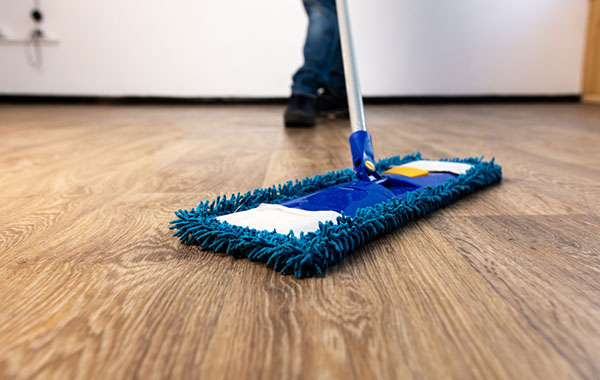
Use a damp mop instead of a wet one. Too much water can damage the wood layers. Spray cleaning solutions lightly on the mop, not the floor. Avoid soaking the floor with water or cleaners. Dry the floor quickly after mopping. These steps keep water from seeping into the wood and causing damage.
Credit: www.homedepot.com
Handling Water Damage Immediately
Water damage can ruin engineered hardwood floors quickly. Acting fast helps reduce damage and save your floor. Knowing what steps to take right away makes a big difference. Here is how to handle water damage immediately.
Drying Methods For Wet Floors
Start by removing standing water with a mop or towels. Use fans to move air across the floor. A dehumidifier helps pull moisture from the wood. Open windows to increase ventilation if weather allows. Keep drying equipment running until floors feel dry.
When To Call A Professional
If water soaks deep into the wood, call a flooring expert. Professionals can assess hidden damage under the surface. Large spills or floods often need special tools and care. Early expert help can stop problems like warping or mold.
Repair And Restoration Options
Small water spots may only need sanding and refinishing. For serious damage, boards might need replacing. Professionals can match wood color and finish well. Proper repair restores your floor’s look and strength. Don’t delay repairs to keep your floor safe.
Choosing Water-resistant Engineered Hardwood
Choosing water-resistant engineered hardwood is key to protecting floors from water damage. Not all hardwood performs the same against moisture. Some types handle water better and last longer in damp areas.
Selecting the right wood species, finish, and brand helps increase water resistance. These factors work together to keep floors safe and looking good.
Best Wood Species For Moisture Resistance
Some wood species naturally resist moisture better than others. Oak, hickory, and teak are strong choices. Oak has tight grain, making it less likely to absorb water. Hickory is dense and hard, which helps it resist swelling. Teak contains natural oils that protect against water damage. Choosing these woods can reduce the risk of warping or staining.
Finishes That Enhance Water Protection
The finish on engineered hardwood adds a layer of defense. Polyurethane finishes create a hard, water-repellent surface. Aluminum oxide finishes offer extra durability and moisture protection. Some finishes also seal the edges of the planks to stop water from seeping in. A good finish keeps spills from soaking into the wood and causing damage.
Comparing Engineered Hardwood Brands
Brands vary in quality and water resistance. Some use better adhesives and layers that block moisture. Look for brands with strong warranties covering water damage. Reading reviews can reveal which brands hold up best in wet conditions. Choosing a reputable brand ensures better protection and longer floor life.
Credit: vermontplankflooring.com
Frequently Asked Questions
How Can Water Damage Be Prevented On Engineered Hardwood Floors?
Use mats at entrances and wipe spills immediately. Keep humidity levels steady to avoid warping.
What Cleaning Methods Protect Engineered Hardwood Floors From Water?
Use a damp mop, not a soaking wet one. Avoid harsh cleaners that can strip the finish.
Is It Safe To Use Water-based Products On Engineered Hardwood Floors?
Only use cleaners made for hardwood floors. Test new products on a small area first.
How Do Humidity Levels Affect Engineered Hardwood Flooring?
High humidity can cause swelling; low humidity can cause cracking. Use a humidifier or dehumidifier to control it.
Can Sealing Engineered Hardwood Floors Help Protect From Water?
Yes, sealing adds a protective layer against moisture. Reapply sealant as recommended by the manufacturer.
Conclusion
Protecting engineered hardwood floors from water takes simple care. Clean spills quickly to avoid damage. Use mats near doors to stop water from entering. Keep humidity levels steady inside your home. Regular checks help catch problems early. Small actions save your floors from costly repairs.
Stay consistent with these easy steps. Your floors will stay beautiful and strong for years. Taking care now means less worry later. Simple habits make a big difference.