
Have you ever looked at your wooden dining chairs and wished they were more comfortable or stylish? Upholstering the back of your dining chair can completely transform its look and feel without spending a fortune.
You might think this is a tricky job, but with the right steps and a little patience, you can do it yourself. You’ll discover simple, clear instructions that will help you breathe new life into your chairs. Ready to upgrade your dining space and impress your guests?
Keep reading to learn exactly how to upholster the back of a wooden dining chair.
Tools And Materials Needed
Upholstering the back of a wooden dining chair needs the right tools and materials. Having everything ready makes the process smooth and enjoyable. Choose tools and materials carefully for the best results. This section covers the essential tools, fabric choices, and padding options.
Essential Tools
Gather these tools before you start your project. A staple gun helps attach fabric firmly to the chair. Scissors cut fabric and foam accurately. A screwdriver removes old upholstery and chair parts. Pliers pull out old staples or nails. Measuring tape ensures precise fabric and foam sizes. A hammer might be needed for small nails or tacks.
Choosing The Right Fabric
Select fabric that is durable and easy to clean. Cotton blends and polyester work well for dining chairs. Look for thick fabrics that can handle daily use. Consider patterns or colors that match your room’s style. Avoid fabrics that wrinkle or stain easily. Keep fabric size large enough to cover and wrap the chair back.
Selecting Padding And Foam
Choose padding that adds comfort and supports the back. Foam with medium density works best for dining chairs. It keeps shape and provides enough softness. Batting or cotton padding can go under foam for extra smoothness. Cut padding and foam to fit the chair back perfectly. Proper padding makes your chair look professional and feel cozy.
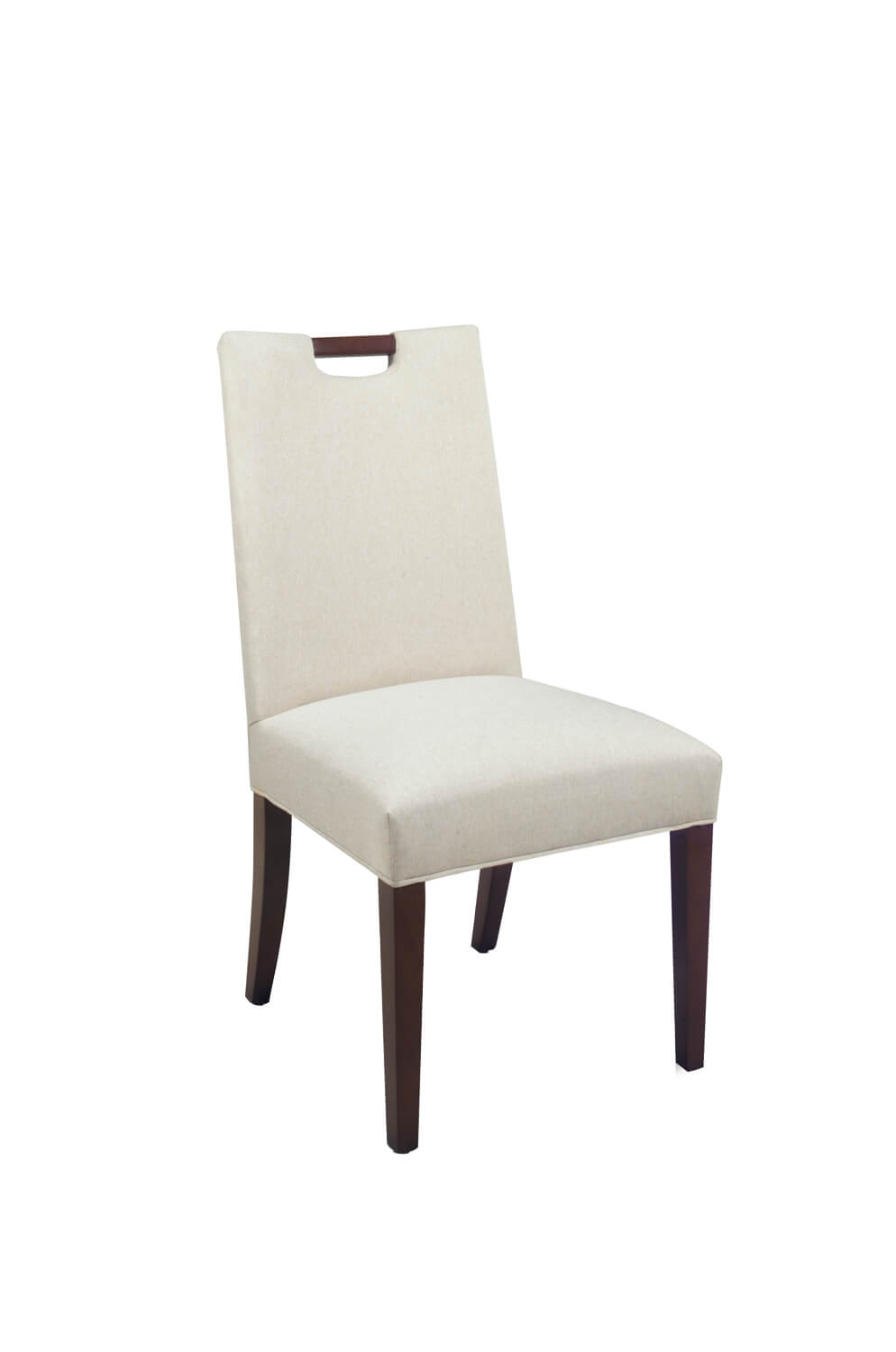
Credit: barstoolcomforts.com
Preparing The Chair
Preparing the chair is a crucial step before upholstering the back. It ensures a smooth and lasting finish. This stage involves removing old materials, cleaning surfaces, and checking the frame for damage. Taking time here makes the upholstering process easier and the results better.
Removing Old Upholstery
Start by taking off the old fabric carefully. Use a flat tool to lift staples or nails. Pull the fabric gently to avoid damaging the wood. Remove any padding or foam underneath. Clear all remnants to create a clean base for new upholstery.
Cleaning And Sanding The Wood
Clean the wooden surface with a soft cloth and mild cleaner. Remove dust, dirt, and any sticky residue. Let the wood dry completely. Sand the surface using fine-grit sandpaper. Sanding smooths rough spots and helps new materials stick better.
Inspecting The Chair Frame
Check the chair frame for cracks or loose joints. Test all connections by gently shaking the chair. Tighten screws or glue loose parts as needed. A sturdy frame supports the upholstery and extends chair life.
Measuring And Cutting
Measuring and cutting are key steps in upholstering the back of a wooden dining chair. Precise measurements ensure the fabric and foam fit perfectly. Cutting the materials correctly prevents waste and keeps the project neat. Take your time during this phase to set a strong foundation for the rest of the work.
Taking Accurate Measurements
Start by measuring the back of the chair carefully. Use a tape measure to get the height and width. Measure across the widest parts for the best fit. Write down each number clearly. Double-check your measurements to avoid mistakes. Remember to include extra space for wrapping the fabric around the edges.
Cutting Fabric And Foam To Size
Use sharp scissors or a rotary cutter for clean cuts. Cut the foam first, following the chair’s back dimensions. Add a little extra foam to soften the edges. Next, cut the fabric larger than the foam. Leave enough fabric to fold and staple on the back side. Smooth out wrinkles as you cut to keep the fabric flat.
Attaching Padding And Fabric
Attaching padding and fabric to the back of a wooden dining chair gives it comfort and style. This step changes the plain wood into a soft, inviting surface. It also protects the wood from scratches and damage.
Start by placing foam padding on the chair back. Then cover it with fabric for a neat finish. This process needs care to keep the materials tight and smooth.
Securing Foam To The Chair Back
Cut foam to fit the chair back’s shape and size. Use spray adhesive or glue to attach the foam. Press the foam firmly against the wood. Let the adhesive dry before moving on. This ensures the foam stays in place well.
Stretching And Stapling Fabric
Choose fabric that matches your decor and is durable. Place fabric over the foam and wood. Pull the fabric tight to avoid wrinkles. Staple the fabric to the back of the chair frame. Start from the center, work your way to the corners. Use enough staples to hold the fabric firmly.
Smoothing Wrinkles And Creases
Check the fabric surface for any wrinkles or creases. Gently pull and smooth the fabric as you staple. Use your hands to press down folds. Make sure the fabric stays tight and even. This step gives a clean, professional look to your chair.
Finishing Touches
The finishing touches make your upholstery project look clean and polished. This final step ensures your chair looks great and lasts long. Pay close attention to details to get the best result.
Trimming Excess Fabric
Start by cutting away extra fabric around the edges. Use sharp scissors for a clean cut. Leave about half an inch to prevent fraying. Trim slowly and carefully to avoid cutting too much.
Adding Decorative Elements
Decorative nails or trim add style and cover staples. Choose colors that match your fabric and chair style. Press them gently into the wood for a neat look. These details make your chair unique and attractive.
Reassembling The Chair
Put all parts of the chair back together. Tighten screws and bolts firmly but not too hard. Check the chair’s stability by pressing on the backrest. Make sure everything fits well before using the chair.

Credit: www.youtube.com
Maintenance Tips
Keeping the upholstered back of your wooden dining chair in good shape takes regular care. Proper maintenance helps the fabric stay clean and the chair last longer. Simple steps can protect your upholstery from damage and dirt.
Cleaning Upholstery
Start by vacuuming the fabric gently. Use a brush attachment to remove dust and crumbs. Spot clean stains quickly with a mild soap and water. Dab the stain instead of rubbing it hard. Let the fabric dry completely before using the chair again. Avoid harsh chemicals that can harm the fabric or wood.
Preventing Wear And Tear
Place your chairs away from direct sunlight to prevent fading. Rotate the chairs occasionally to spread out use evenly. Use chair pads or cushions to reduce pressure on the fabric. Check the upholstery for loose threads or tears and fix them early. Keep pets off the chairs to avoid scratches and fur buildup.
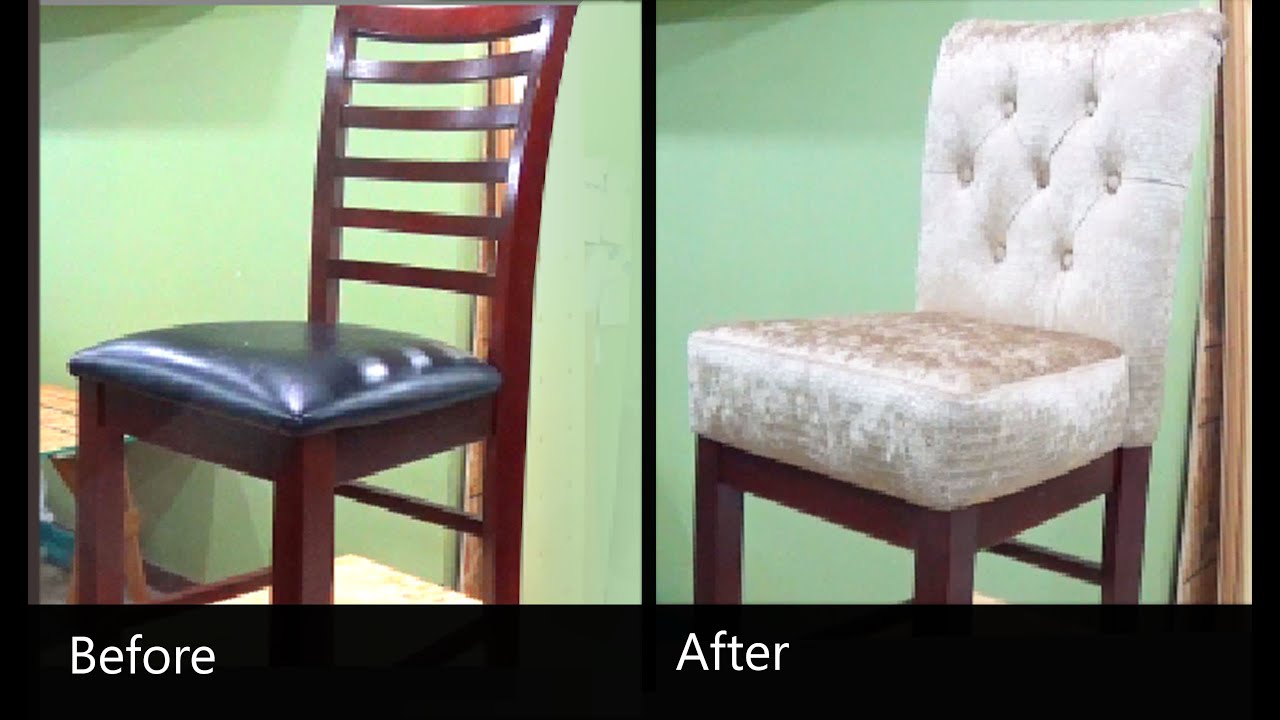
Credit: www.youtube.com
Frequently Asked Questions
How Do I Prepare A Wooden Chair Back For Upholstering?
Start by cleaning the wood surface well. Remove any old fabric or staples. Sand the wood lightly to help fabric stick better.
What Tools Are Needed To Upholster A Chair Back?
You need fabric, foam padding, a staple gun, scissors, and a screwdriver. These basics make the job easier and faster.
How Thick Should The Padding Be For Chair Backs?
Use foam padding about 1 to 2 inches thick. It provides comfort without making the chair too bulky.
Can I Use Any Fabric For Upholstering Chair Backs?
Choose durable fabric like cotton or polyester blends. Avoid very thin or stretchy fabrics that may not hold well.
How Do I Attach Fabric Neatly To A Wooden Chair Back?
Pull the fabric tight and staple it evenly along the edges. Fold corners carefully to avoid bunching or wrinkles.
Conclusion
Upholstering the back of a wooden dining chair can refresh its look. It adds comfort and style to your dining space. The steps are simple and easy to follow. Choose the right fabric and tools before you start. Take your time to get neat results.
Small changes can make your chair feel new again. Try this project to personalize your furniture today. Enjoy the satisfaction of your own handiwork.