
Are you staring at your old laminate table and wondering if it’s time for a change? Refinishing a table with a laminate top might seem tricky, but it’s easier than you think—and it can completely transform your space.
Imagine turning that worn-out surface into a fresh, stylish centerpiece without spending a fortune on a new table. In this guide, you’ll discover simple steps to breathe new life into your laminate table, saving money and adding a personal touch to your home.
Ready to see your table in a whole new light? Let’s get started!
Tools And Materials Needed
Before you start refinishing a laminate table, gather the right tools and materials. Proper supplies make the job easier and the finish better. This list covers everything needed for a smooth process.
Cleaning Supplies
Use a mild detergent and warm water to clean the table surface. A sponge or soft cloth helps remove dirt and grease. Rubbing alcohol wipes off stubborn residues. Ensure the surface is dry before moving on.
Sandpaper And Abrasives
Choose fine-grit sandpaper, like 220-grit, to scuff the laminate gently. This step helps the paint or finish stick well. Avoid heavy sanding that can damage the laminate layer.
Primer And Paint
Pick a bonding primer designed for laminate surfaces. It improves paint adhesion and durability. Use a high-quality paint, such as acrylic or latex, for a smooth finish. Choose a color that fits your style.
Painting Tools
Use foam brushes or small rollers for an even coat. They reduce brush marks and give a professional look. Have a paint tray ready for easy access.
Protective Gear
Wear gloves to protect your hands from chemicals. A mask prevents inhaling dust or fumes. Work in a well-ventilated area to stay safe.
Finishing Supplies
Apply a clear topcoat or sealer to protect the paint. Choose a polyurethane or water-based sealer for durability. Use a clean brush for smooth application.
Preparing The Workspace
Preparing the workspace is the first step in refinishing a laminate top table. A clean, organized area helps the project go smoothly. It also protects your home and tools from damage.
Set up your workspace in a well-ventilated room. Good airflow reduces fumes from cleaning agents and paints. Choose a space with plenty of light to see all the details clearly.
Clear The Area
Remove everything around the table. This gives you room to move and work comfortably. It also stops dust and debris from settling on your project.
Cover the floor with a drop cloth or old newspapers. This protects your floor from spills and scratches.
Gather All Tools And Materials
Collect all supplies before you start. Sandpaper, cleaning cloths, primer, paint, and brushes should be ready. Having everything at hand saves time and frustration.
Protect Yourself
Wear gloves to keep chemicals off your skin. Use a mask to avoid breathing in dust and fumes. Safety glasses protect your eyes from particles and splashes.
Cleaning The Laminate Surface
Cleaning the laminate surface is the first step to refinish a table. Dirt, grease, and old residues can stop new finishes from sticking well. A clean surface helps the refinishing process go smoothly. Take time to remove all grime carefully.
Prepare Your Cleaning Supplies
Gather a soft cloth, mild dish soap, warm water, and a non-abrasive sponge. Avoid harsh chemicals or rough scrubbers. These can damage the laminate surface. Use gentle materials to protect the table’s finish.
Remove Dust And Loose Dirt
Start by wiping the surface with a dry cloth. This removes dust and loose dirt. It prevents scratches during deeper cleaning. Use soft, circular motions to avoid damage.
Clean With Soap And Water
Mix a few drops of mild dish soap in warm water. Dip the sponge into the solution and wring out excess water. Wipe the laminate surface gently. Focus on stained or sticky spots. Rinse the sponge often to keep it clean.
Dry The Surface Thoroughly
Use a clean, dry cloth to remove all moisture. Water left on laminate can cause damage over time. Make sure the surface is completely dry before moving on. This step prepares the table for sanding or painting.
Sanding The Laminate Top
Sanding the laminate top is a key step in refinishing your table. It helps remove old finish and creates a rough surface. This rough surface allows new paint or stain to stick better. Proper sanding improves the final look and durability.
Laminate is tough and smooth. Sanding it gently is important. Too much sanding can damage the top. Too little sanding can cause the new finish to peel off.
Choosing The Right Grit
Start with medium grit sandpaper, like 120-grit. It removes the old finish without scratching too deep. Avoid using very coarse sandpaper. It can ruin the laminate surface.
After medium grit, use fine grit sandpaper, around 220-grit. This smooths the surface and prepares it for paint or stain. Using the right grit helps get a smooth, even finish.
Sanding Techniques
Sand in small, gentle circles. Avoid sanding in straight lines. Circular motion prevents visible scratches on the laminate.
Use light pressure. Pressing too hard can damage the laminate layer. Take your time and sand evenly across the entire surface.
Wipe the dust with a damp cloth often. Dust can affect how well the new finish sticks. Clean sanding ensures a cleaner, better-looking table top.
Repairing Damages
Repairing damages is a key step in refinishing a laminate table top. Small cracks, chips, and dents can ruin the look of your table. Fixing these flaws first helps create a smooth surface. This prepares the table for painting or applying a new finish. Proper repairs make your table look fresh and new again.
Filling Cracks And Chips
Start by cleaning the damaged area. Remove dust and loose bits carefully. Use a putty knife to apply a laminate filler or wood putty. Press the filler into cracks and chips fully. Smooth it out so it is level with the surface. Let the filler dry as the instructions say. Use a filler that matches your table’s color for the best look.
Smoothing Repairs
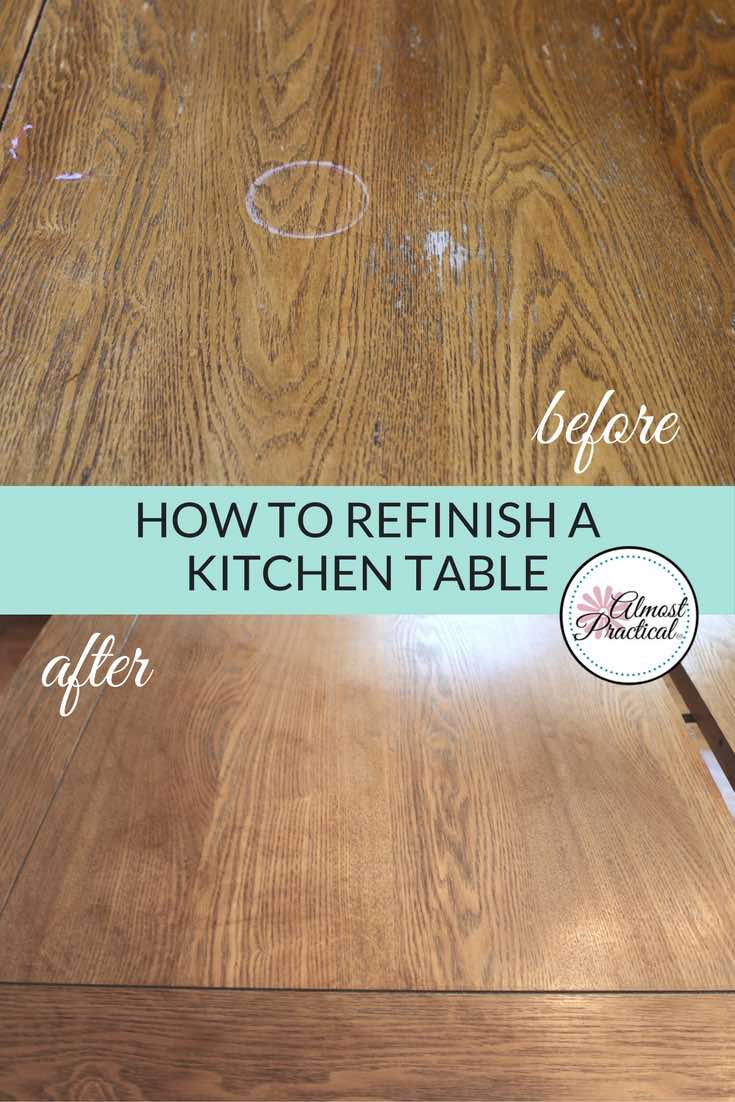
After the filler dries, sand the repaired spots lightly. Use fine-grit sandpaper for a smooth finish. Sand until the repair blends well with the rest of the table. Wipe away dust with a damp cloth. This step ensures the surface is even. It helps the new finish stick properly.
Credit: almostpractical.com
Priming The Surface
Priming the surface is a key step in refinishing a laminate table. It helps paint stick better and last longer. Without primer, paint may peel or chip easily. A good primer creates a smooth base and hides any stains or marks. This step prepares the table for a fresh, clean look.
Selecting A Primer
Choose a primer made for laminate or glossy surfaces. These primers bond well with slick materials. Look for a product labeled “adhesion primer” or “bonding primer.” Avoid regular primers that do not stick to laminate. A quality primer ensures paint will hold firmly.
Applying Primer Evenly
Use a foam brush or roller for smooth application. Apply the primer in thin, even coats. Cover the entire surface without leaving thick spots. Let the primer dry completely before adding paint. Even coverage prevents bumps and peeling later on.
Painting The Tabletop
Painting the tabletop is a great way to refresh a laminate table. It changes the look and adds personality. The process needs the right materials and careful steps. Good paint will stick well and last long. Applying paint in thin layers helps avoid drips and rough spots. Patience is key for a smooth finish. The next sections explain how to choose paint and apply it properly.
Choosing Paint Types
Pick paint designed for laminate surfaces. Acrylic latex paint works well and cleans easily. Oil-based paint is durable but takes longer to dry. Satin or semi-gloss finishes are best for tabletops. They resist stains and wipe clean. Avoid flat paint because it wears out fast. Primer is important. Use a bonding primer to help paint stick. This stops peeling and chipping. Check paint labels for laminate use.
Applying Paint Layers
Start with a clean, dry table surface. Use a brush or roller for even coverage. Apply thin, smooth layers to avoid lumps. Let each coat dry completely before the next. Two to three coats usually work best. Sand lightly with fine-grit paper between coats. This makes the surface smooth and helps paint stick. Finish with a clear topcoat for extra protection. Let the table dry for several days before use.
Sealing For Durability
Sealing a laminate table top is key to making it last longer. A good sealer protects the surface from scratches, stains, and water damage. It also keeps the finish looking fresh and clean. Without sealing, the laminate can wear out quickly and lose its shine. The right sealer adds strength and durability to the table.
Picking The Right Sealer
Choose a sealer made for laminate surfaces. Look for clear, water-based sealers. They dry fast and do not yellow over time. Avoid oil-based sealers; they can peel or crack on laminate. A polyurethane or acrylic sealer works well. Check the label to confirm it suits laminate tops. Pick one that offers scratch and stain resistance for better protection.
Application Tips
Clean the table top before sealing. Remove all dust and grease with a mild cleaner. Let it dry completely. Use a foam brush or a lint-free cloth to apply the sealer. Apply thin, even coats to avoid drips. Let the first coat dry fully before adding another. Usually, two to three coats are enough. Lightly sand between coats with fine sandpaper for smoothness. Allow the final coat to cure for at least 24 hours before use.
Finishing Touches
After sanding and painting your laminate table, the final steps bring everything together. These finishing touches improve the look and protect your work. Take your time to ensure the table looks polished and ready to use.
Reattaching Hardware
Start by putting back any handles, knobs, or trim you removed. Use a screwdriver to tighten screws carefully. Check that all parts fit well and do not wobble. Replace any damaged hardware with new pieces for a fresh look. Properly attached hardware adds style and function.
Polishing The Surface
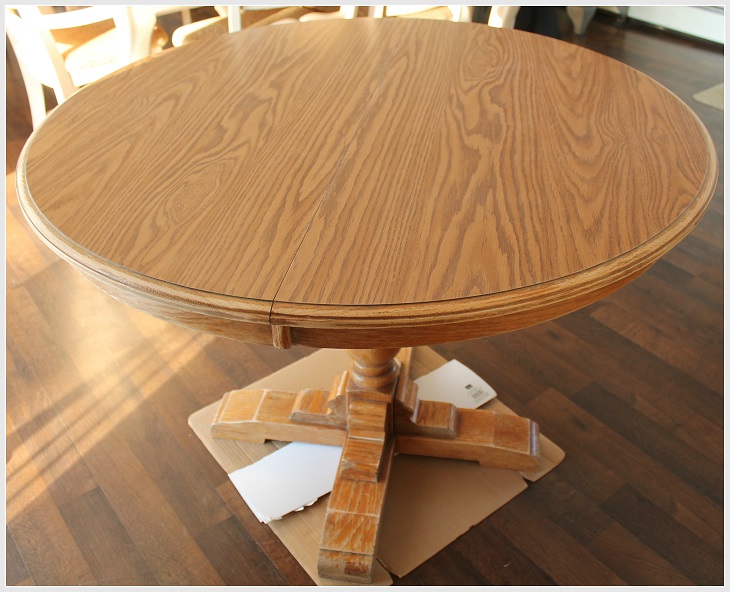
Use a soft cloth to polish the tabletop gently. Choose a polish made for laminate to avoid damage. Apply a small amount and rub in circular motions. This step removes dust and adds shine. A polished surface looks clean and smooth, highlighting your refinishing work.
Credit: prettyhandygirl.com
Maintenance Tips
Maintaining your laminate table keeps it looking fresh and new. Proper care extends the life of the surface. Simple steps help avoid damage and stains.
Follow these easy maintenance tips to protect your refinished table.
Cleaning Your Laminate Table
Use a soft cloth with warm, soapy water to clean the surface. Avoid harsh chemicals or abrasive cleaners. Wipe spills quickly to prevent stains. Dry the surface with a clean towel to avoid water spots.
Protecting From Heat And Scratches
Always use coasters or placemats under hot dishes and cups. Avoid cutting directly on the table to prevent scratches. Use a cutting board for food prep. Keep sharp objects away from the laminate surface.
Avoiding Excess Moisture
Do not let water sit on the table for long periods. Excess moisture can cause the laminate to peel or bubble. Clean spills immediately with a dry cloth. Avoid placing wet plants or containers directly on the surface.
Regular Inspections
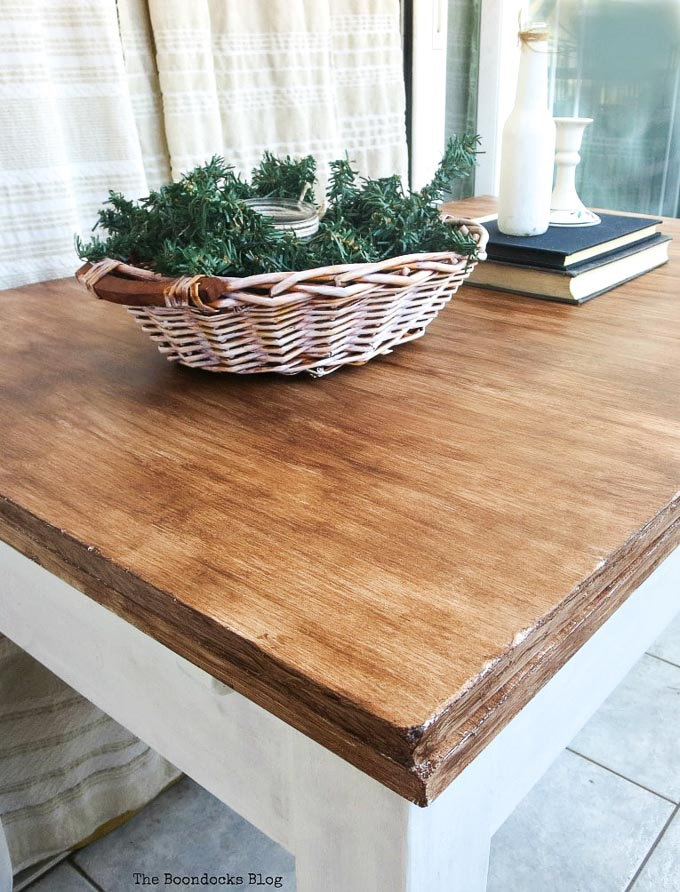
Check your table often for signs of wear or damage. Catching small issues early helps prevent bigger problems. Repair minor chips or scratches with laminate repair kits. Keep your table in good shape with regular care.
Credit: www.theboondocksblog.com
Frequently Asked Questions
How Do I Prepare A Laminate Table For Refinishing?
Start by cleaning the surface with soap and water. Lightly sand the laminate to help new paint stick. Remove dust with a damp cloth before painting.
What Type Of Paint Works Best On Laminate Tops?
Use a primer designed for laminate surfaces first. Then apply acrylic or latex paint for durability. Finish with a clear sealer to protect the paint.
Can I Refinish A Damaged Laminate Table Top?
Minor scratches and chips can be fixed with sanding and paint. Deep damage may require replacing the laminate sheet. Assess the damage before starting refinishing.
How Long Does It Take To Refinish A Laminate Table?
Preparation and sanding take about 1 to 2 hours. Painting and drying can take 24 to 48 hours. Plan enough time for multiple paint coats.
Should I Use A Sealer After Painting Laminate Tops?
Yes, a sealer protects the paint from scratches and stains. Use a clear polyurethane or polycrylic finish. It helps the table last longer and look better.
Conclusion
Refinishing a laminate table can give it a fresh, new look. The process takes some time but is simple to follow. Choose the right tools and materials to get the best results. Take care with each step to avoid mistakes.
Enjoy your renewed table and the satisfaction of doing it yourself. This project saves money and adds charm to your space. Try it today and see the difference a little effort can make.