
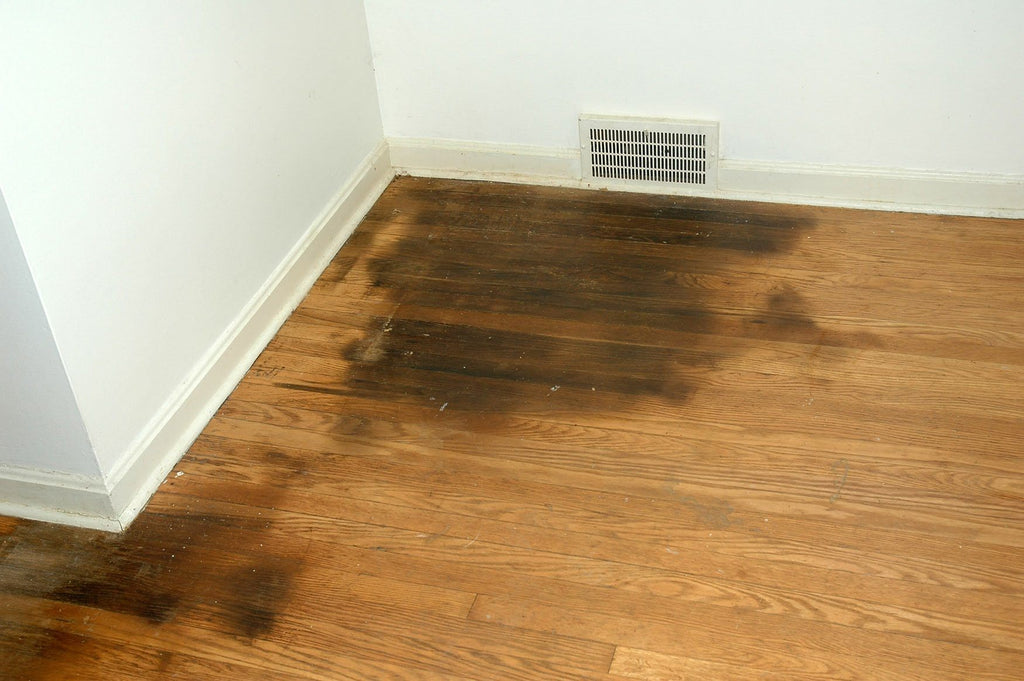
Have you noticed dark spots ruining the beauty of your hardwood floors? Those stubborn marks can make your entire room look worn out and neglected.
But don’t worry—you don’t have to live with them or spend a fortune on repairs. You’ll discover simple, effective ways to remove dark spots from your hardwood floors and bring back their original shine. Keep reading, and you’ll learn easy steps you can take today to make your floors look fresh and spotless again.
Credit: www.maramani.com
Causes Of Dark Spots On Hardwood
Dark spots on hardwood floors can ruin the beauty of your home. These spots appear for different reasons. Knowing the causes helps to fix the problem correctly. Here are some common causes of dark spots on hardwood floors.
Water Damage
Water is one of the main reasons for dark spots. When water stays on the wood too long, it soaks in. This causes the wood to swell and change color. Leaks, spills, or high humidity can cause water damage. Dark marks often appear where water has soaked deep.
Pet Stains
Pets can accidentally cause dark spots on floors. Urine or other stains from pets soak into the wood. The acids in pet urine break down the finish and wood fibers. This results in dark, stubborn stains that are hard to remove.
Mold And Mildew
Mold and mildew grow in damp, poorly ventilated areas. They cause dark or black spots on hardwood floors. These fungi feed on moisture and wood. Mold can spread if not treated quickly, damaging the floor and your health.
Sunlight Exposure
Sunlight can also cause dark spots on hardwood. Prolonged exposure to UV rays changes the wood color unevenly. Some areas become darker while others fade. This uneven coloring creates noticeable dark patches on the floor.
Daily Care To Prevent Spots
Daily care plays a key role in keeping hardwood floors free from dark spots. Small actions taken every day can protect your floors and keep them looking new. Clean floors without spots create a fresh and inviting home environment. Follow simple steps to reduce the chance of stains and damage.
Regular Cleaning
Dust and dirt can cause dark spots if left on hardwood floors. Sweep or vacuum your floors daily to remove grit. Use a soft-bristle broom or a vacuum with a hardwood floor attachment. Clean spills right away using a damp cloth. Avoid harsh cleaners that may damage the wood finish.
Using Protective Mats
Place mats at entrances to catch dirt and moisture. Use mats under furniture to prevent scratches and stains. Change and clean mats regularly to avoid trapping dirt. Protective mats help stop dirt and water from reaching the wood surface.
Controlling Humidity
Wood reacts to moisture and can develop dark spots from dampness. Keep indoor humidity levels between 35% and 55% to protect floors. Use a dehumidifier in wet seasons or humid areas. Proper humidity control stops water damage and maintains floor health.
Diy Spot Removal Methods
Dark spots on hardwood floors can spoil the beauty of your home. Removing these spots can be simple with the right DIY methods. These methods use common household ingredients. They are easy, safe, and cost-effective. Try these options before calling a professional.
Baking Soda Paste
Baking soda is a gentle abrasive that lifts stains. Mix baking soda with water to form a thick paste. Apply the paste directly to the dark spot. Let it sit for 10 to 15 minutes. Use a soft cloth or sponge to rub gently. Wipe away the paste with a damp cloth. Dry the area with a clean towel. Repeat if the stain remains.
Hydrogen Peroxide Application
Hydrogen peroxide works well on tough dark spots. Use a 3% solution for safety. Dab a small amount onto the stained area with a cotton ball. Let it sit for 5 to 10 minutes. Avoid soaking the wood. Wipe the spot with a clean, damp cloth. Dry thoroughly to prevent damage. Test on a hidden area first to check for color changes.
Using Vinegar Solutions
Vinegar is a natural cleaner that brightens wood. Mix equal parts white vinegar and water. Apply the solution to the dark spot using a soft cloth. Rub gently in a circular motion. Do not soak the wood. Wipe the area with a damp cloth afterward. Dry the floor with a towel. Vinegar helps break down stains without harsh chemicals.

Credit: www.reddit.com
Commercial Products To Try
Dark spots on hardwood floors can spoil the look of your room. Commercial products offer easy ways to tackle these stains. They come in different types to suit various needs. Using the right product helps restore your floor’s beauty quickly.
Wood Cleaners
Wood cleaners remove dirt and light stains from hardwood floors. They are gentle and safe for most finishes. Regular use keeps floors bright and clean. Some cleaners also add a protective layer to prevent new spots.
Stain Removers
Stain removers target tough dark spots like water rings and mold. These products contain stronger ingredients to break down stains. Apply carefully and follow instructions to avoid damage. Stain removers work best on small, stubborn marks.
Wood Brighteners
Wood brighteners restore the natural color of your floor. They lighten dark patches and even out the tone. Brighteners often contain mild bleaching agents. Use them after cleaning or stain removal for best results.
Sanding And Refinishing
Sanding and refinishing hardwood floors is a strong way to remove dark spots. It restores the wood’s original look and smooths out imperfections. This method removes the top layer of the floor, including stains and marks.
The process needs care and patience. You can make your floors look new again with the right steps. Sanding and refinishing also protect the wood from future damage.
When To Sand
Sanding is best when dark spots cover a large area. Deep stains that do not come off with cleaning need sanding. Also, floors with scratches or worn finish benefit from sanding.
A floor with minor marks may only need spot treatment. But if stains are widespread, sanding is the right choice. Avoid sanding if the wood is very thin or damaged.
Choosing The Right Finish
The finish protects the wood and changes its look. Choose from options like polyurethane, oil-based, or water-based finishes. Polyurethane is tough and lasts long on floors.
Oil-based finishes give a warm tone but take longer to dry. Water-based finishes dry fast and keep the wood’s natural color. Pick a finish that matches your style and floor use.
Step-by-step Refinishing
Start by cleaning the floor thoroughly. Remove all dirt and dust before sanding. Use a drum or orbital sander to sand the floor evenly.
Begin with coarse sandpaper to remove old finish and stains. Then use finer sandpaper for a smooth surface. Vacuum and wipe the floor to clear all dust.
Apply the finish with a brush or roller in thin coats. Let each coat dry fully before adding another. Usually, two or three coats give the best protection.
Allow the floor to dry completely before walking on it. Keep the room ventilated during the process for faster drying.
Preventing Future Dark Spots
Preventing dark spots on hardwood floors keeps them looking fresh and new. Dark spots often come from water damage, dirt, or wear. Taking steps to protect your floors stops these stains from forming. Simple actions can extend your floor’s life and beauty.
Sealing Hardwood Floors
Sealing creates a strong barrier on wood surfaces. It prevents moisture from soaking into the wood. Choose a good quality sealant made for hardwood. Apply it evenly and let it dry fully. Reseal floors every few years to keep protection strong.
Routine Maintenance Tips
Clean floors regularly with a soft broom or vacuum. Use a damp mop, not a wet one. Wipe up spills immediately to stop stains. Avoid harsh cleaners that can damage the wood finish. Place mats at entryways to catch dirt and moisture.
Protective Coatings
Protective coatings add an extra layer over the sealant. These coatings guard against scratches, stains, and water damage. Polyurethane is a popular choice for hardwood floors. Apply coatings as recommended by the product instructions. Reapply coatings to maintain floor protection over time.

Credit: www.reddit.com
Frequently Asked Questions
What Causes Dark Spots On Hardwood Floors?
Dark spots often appear due to water damage, mold, or mildew. Sunlight and scratches can also darken the wood over time.
How Can I Remove Dark Spots Without Sanding?
Use a mixture of baking soda and water to gently scrub the spot. Hydrogen peroxide also helps lighten dark stains safely.
Is Bleach Safe For Removing Dark Spots On Wood?
Bleach can damage hardwood if not used properly. It’s best to test it on a small area before applying it widely.
Can Dark Spots Be Fixed By Refinishing The Floor?
Yes, sanding and refinishing can remove deep dark spots and restore the floor’s look. This method is effective for old or stubborn stains.
How Do I Prevent Dark Spots On Hardwood Floors?
Wipe spills immediately and use rugs in high-traffic areas. Keep floors dry and clean to avoid water damage and stains.
Conclusion
Dark spots on hardwood floors can be treated with simple steps. Use gentle cleaning methods first to avoid damage. Test any solution on a small area before applying it widely. Regular care helps keep floors looking fresh and bright. Remember, patience is key to seeing good results.
Small efforts can bring back your floor’s natural beauty. You can enjoy a cleaner, more attractive home space. Keep your hardwood floors healthy and well-maintained for years.