Is your dog constantly chewing on wood and driving you crazy? You’re not alone, and the good news is, you can stop this behavior before it causes damage or puts your pup’s health at risk.
Chewing wood isn’t just annoying—it can lead to splinters, digestive problems, and even costly repairs. But don’t worry, with the right approach, you can teach your dog better habits and protect both your home and your furry friend. Keep reading to discover simple, effective steps you can take right now to get your dog to stop chewing wood for good.
Credit: www.reddit.com
Why Dogs Chew Wood
Dogs chew wood for many reasons. Understanding why they do this helps stop the habit. Chewing is normal for dogs. It keeps their teeth strong and jaws busy. Sometimes, chewing wood is more than just play. It can show deeper needs or problems.
Natural Chewing Instincts
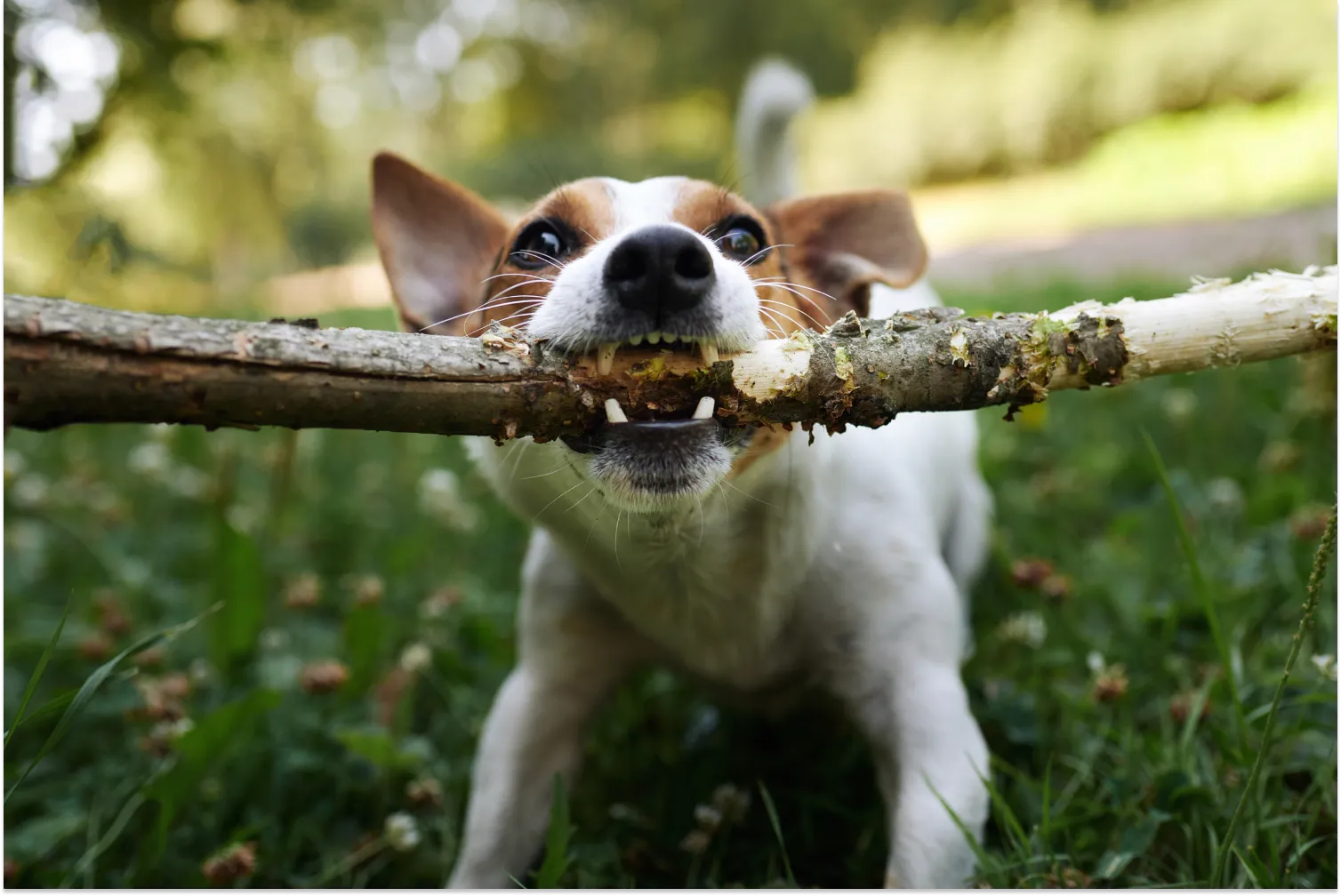
Dogs have a natural urge to chew. Their ancestors chewed bones and sticks to clean teeth. Chewing helps dogs explore their world. It also relieves stress and keeps their jaws strong. Wood is easy to find and chew on.
Boredom And Anxiety
Bored dogs often chew wood to pass time. Lack of exercise or attention causes this. Chewing can calm anxious dogs. It gives them something to do. Without toys or company, wood becomes a target.
Teething In Puppies
Puppies chew because their teeth hurt. New teeth push through gums, causing pain. Chewing soothes this discomfort. Wood feels good on their sore gums. This stage only lasts a few months.
Nutritional Deficiencies
Sometimes dogs chew wood to fix diet problems. Lack of minerals or vitamins can cause this. Dogs try to get missing nutrients from wood. A balanced diet reduces wood chewing. Always check with a vet if unsure.
Credit: www.reddit.com
Common Wood Chewing Spots
Dogs chew wood for many reasons. Boredom, teething, or stress can cause this behavior. Knowing the common places your dog targets helps stop it fast. Watch these spots closely to protect your home and keep your dog safe.
Furniture And Baseboards
Wooden furniture often attracts dogs. Chairs, tables, and cabinets are common targets. Baseboards along walls are also easy to chew. Dogs may bite these areas to relieve anxiety or boredom. Look for small chew marks or splinters. Cover or block these spots to prevent damage.
Outdoor Fences And Decks
Wood fences and decks outside are popular chewing spots. Dogs may chew fences to escape or explore. Deck railings and steps also get chewed. Weathered wood can be tempting to dogs. Check these areas regularly for damage. Repair wood and provide alternatives to keep your dog busy.
Wooden Toys And Accessories
Some dogs chew wooden toys or accessories. These items seem safe but can break and splinter. Monitor your dog’s chewing habits closely. Choose strong, dog-safe toys instead of wooden ones. Replace damaged toys quickly to prevent injury.
Safe Alternatives To Wood
Dogs often chew wood out of boredom or teething discomfort. Providing safe alternatives helps protect your furniture and keeps your dog happy. Safe chew options satisfy your dog’s urge without harm.
Durable Chew Toys
Durable chew toys are made to last through tough chewing. They come in tough rubber or nylon materials. These toys help clean teeth and massage gums. Your dog will focus on toys instead of wood.
Edible Chews
Edible chews offer a tasty way to keep dogs busy. They come in natural ingredients like rawhide or bully sticks. Edible chews can satisfy chewing urges and provide nutrients. Always supervise your dog while chewing edible treats.
Interactive Toys
Interactive toys challenge your dog’s mind and body. Toys that dispense treats or make noises can hold attention longer. These toys reduce boredom and stop destructive chewing. They also build a stronger bond between you and your dog.
Credit: optimeal.com
Training Techniques To Stop Wood Chewing
Training your dog to stop chewing wood requires clear, consistent methods. Dogs chew for many reasons like boredom, teething, or stress. Using the right training techniques helps change this habit safely. The goal is to teach your dog what is okay to chew and what is not.
Positive Reinforcement
Reward your dog when it chews toys instead of wood. Use treats, praise, or petting to show approval. This encourages good behavior. Dogs learn faster with positive feedback. Avoid punishing your dog for chewing wood. It may cause fear and confusion.
Redirecting Attention
Offer a toy as soon as your dog starts chewing wood. Move the dog’s focus to the toy gently but firmly. Keep interesting chew toys available at all times. Changing your dog’s attention helps break the wood-chewing habit. Be quick to act before the dog damages wood.
Using Deterrent Sprays
Apply safe bitter sprays on wooden items. The unpleasant taste discourages chewing. Test the spray on small wood areas first. Use sprays that are non-toxic and made for pets. Reapply often to keep the taste strong. Deterrent sprays support training but do not replace it.
Consistency And Patience
Train your dog every day, even in short sessions. Consistency helps dogs understand rules faster. Stay patient as habits take time to change. Avoid mixed signals by keeping training methods uniform. Celebrate small progress to keep motivation high. Changing chewing habits is a slow process.
Environmental Changes To Prevent Chewing
Stopping a dog from chewing wood requires changes in their environment. Dogs often chew due to boredom or anxiety. Changing their surroundings helps reduce this behavior. Small adjustments can make a big difference.
Increasing Exercise And Playtime
More exercise burns energy and reduces boredom. Walks, runs, and playtime help keep your dog busy. A tired dog is less likely to chew wood. Play with toys that engage your dog’s mind and body. Regular activity improves behavior and mood.
Creating A Chew-friendly Space
Provide safe chew toys in an easy-to-reach area. This space should be comfortable and inviting. Chew toys satisfy your dog’s need to bite. Rotate toys to keep your dog interested. Praise your dog when it chews the right items.
Limiting Access To Wooden Items
Keep wooden objects out of your dog’s reach. Use barriers or closed doors to block access. Remove tempting wooden items like furniture edges or sticks. Cover exposed wood with protective materials if needed. Preventing access reduces the chance to chew wood.
When To Consult A Veterinarian
Knowing when to consult a veterinarian is important if your dog chews wood. This behavior can sometimes signal health or emotional problems. Early help can prevent serious issues and improve your dog’s well-being.
Signs Of Dental Issues
Chewing wood might mean your dog has dental pain. Look for red, swollen gums or bad breath. If your dog avoids eating or drools more, these are warning signs. A vet can check for cavities, broken teeth, or infections.
Behavioral Concerns
Wood chewing can also show stress or boredom. Sudden or intense chewing may mean anxiety or lack of exercise. A vet can help find the cause and suggest ways to calm your dog. This might include training or changes in routine.
Nutritional Evaluations
Sometimes chewing wood means your dog lacks nutrients. A poor diet can cause unusual chewing habits. A vet can review your dog’s food and recommend supplements or diet changes. Proper nutrition helps keep your dog healthy and less likely to chew wood.
Frequently Asked Questions
Why Does My Dog Chew On Wood Furniture?
Dogs chew wood to relieve boredom, stress, or teething pain. It can also be a way to explore their environment. Understanding the cause helps in stopping this behavior.
How Can I Stop My Dog From Chewing Wood?
Provide chew toys and regular exercise to keep your dog busy. Use bitter sprays on wood to discourage chewing. Consistency and patience are key to success.
What Are Safe Alternatives To Wood For Dogs To Chew?
Chew toys made of rubber, nylon, or specially designed edible treats are safe. These satisfy your dog’s need to chew without damaging your home. Always choose toys suitable for your dog’s size and chewing strength.
Can Lack Of Exercise Cause My Dog To Chew Wood?
Yes, dogs with little exercise often chew out of boredom or excess energy. Regular walks and playtime reduce destructive chewing habits. Mental stimulation also keeps dogs happy and calm.
When Should I See A Vet About My Dog’s Chewing?
Visit a vet if chewing is excessive or linked to anxiety or pain. Sudden changes in chewing habits may indicate health problems. A vet can provide advice or treatment to address these issues.
Conclusion
Stopping your dog from chewing wood takes patience and consistency. Offer safe toys to keep your dog busy instead. Watch your dog closely and redirect chewing to toys. Praise your dog when it chews the right items. Avoid leaving wood where your dog can reach it.
Remember, this behavior will improve with steady effort. Your dog will learn what is okay to chew. Keep trying and stay calm for best results. Soon, your home will be free from chewed wood.