
Have you ever tried to tighten a screw in your wood cabinet, only to find it spinning endlessly without gripping? A stripped screw hole can be frustrating, but don’t worry—you can fix it yourself.
Imagine saving money on repairs and avoiding the hassle of replacing your entire cabinet. You’ll discover simple, effective ways to restore those worn-out holes and get your cabinet sturdy again. Keep reading, and you’ll have your wood cabinet looking and working like new in no time.
Identify The Damage
Identifying the damage to a stripped screw hole in a wood cabinet is the first step to fixing it properly. Knowing the problem clearly helps you choose the right repair method. It also saves time and prevents further damage.
Careful inspection is key. You need to check how badly the hole is stripped and if the surrounding wood is still strong. This way, you can decide whether to fill the hole or try other fixes.
Signs Of A Stripped Screw Hole
A stripped hole makes the screw spin without tightening. You may feel the screw turning freely or slipping. The hole might look bigger or worn out compared to the screw size.
Sometimes, wood around the hole can crack or splinter. Loose cabinet parts or doors that do not stay in place also suggest stripped holes. These signs point to a weakened hold that needs repair.
Tools Needed For Inspection
Use a flashlight to see inside the hole clearly. A small screwdriver helps test if the screw turns easily. A magnifying glass can show fine cracks or damage in the wood.
A ruler or caliper measures the hole size. This tells if the hole is too large for the screw. These simple tools help you understand the problem better and plan the repair.
Prepare The Area
Preparing the area is an important first step to fix a stripped screw hole. It helps create a clean and stable surface for repairs. Taking time here makes the repair stronger and longer-lasting.
Start by clearing out any loose material inside and around the hole. Dirt, dust, and old wood bits can stop new materials from holding well. Cleaning also helps you see the damage clearly.
Remove Loose Debris
Use a small brush or a toothpick to remove loose wood fibers. Gently scrape inside the hole to get rid of any crumbling pieces. Avoid pushing debris deeper into the hole.
Check around the hole too. Remove any flaking paint or wood chips. This stops weak spots from forming and keeps the repair solid.
Clean The Screw Hole
Wipe the hole with a cloth slightly dampened with water. This removes dust and fine particles that brushing missed. Let the hole dry completely before the next step.
For stubborn dirt, use a mild soap solution. Rinse with clean water and dry again. A clean hole helps new filler or glue stick better and last longer.
Repair Methods
Repairing a stripped screw hole in a wood cabinet can be done in several simple ways. Each method restores the hole so it holds screws tightly again. Choose the method that best fits your tools and materials. These repair techniques are easy to follow and effective for most wood cabinets.
Wood Filler Technique
Fill the stripped hole with wood filler. Use a putty knife to press it in tightly. Let the filler dry fully, following the product instructions. Once dry, drill a small pilot hole before reinserting the screw. This method works well for small holes and light repairs.
Using Toothpicks Or Matches
Insert several toothpicks or wooden matches coated with glue into the stripped hole. Break them off so they fit flush with the surface. Allow the glue to dry for a strong bond. Screw into the hole carefully. This technique fills gaps and provides better grip for screws.
Applying Wood Glue And Sawdust
Mix fine sawdust with wood glue to make a thick paste. Pack the paste into the stripped hole using a toothpick or small stick. Let it dry completely before drilling a pilot hole. This mix hardens and fills the space, making the hole sturdy again.
Installing A Wooden Plug
Drill out the damaged hole to a clean, round shape. Insert a wooden plug that fits tightly into the hole. Glue the plug in place and let it dry. Trim the plug flush with the surface. Drill a new pilot hole and screw into the plug for a solid fix.
Using A Screw Anchor
Choose a plastic or metal screw anchor sized for the hole. Insert the anchor into the stripped hole. Tap it gently to secure in place. Drive the screw into the anchor slowly. Anchors expand inside the wood and create a firm hold for screws.

Credit: www.youtube.com
Step-by-step Repair Guide
Fixing a stripped screw hole in a wood cabinet is easier than it seems. Follow this step-by-step guide to restore the hole securely. Each step helps ensure the screw stays tight and the cabinet looks good.
Take your time with each part for the best results. Let’s start the repair process.
Filling And Drying Time
First, clean the stripped hole of any loose wood or dust. Use wood filler or toothpicks dipped in wood glue to fill the hole. Push the filler or toothpicks in tightly to fill the space completely.
Let the filler dry fully. Drying usually takes about one to two hours. Check the product instructions for exact drying time. Do not rush this step.
Sanding The Surface
Once dry, smooth the filled area with sandpaper. Use fine-grit sandpaper for a smooth finish. Sand until the surface feels flat and even with the surrounding wood.
This step helps the screw fit well and keeps the cabinet looking neat. Wipe away any dust after sanding.
Reinserting The Screw
Now, carefully place the screw back into the repaired hole. Turn it slowly to avoid damaging the filler. The screw should fit snugly without wobbling.
If the screw is loose, remove it and add a bit more filler or glue. Let it dry again before reinserting. The screw should hold firmly after this repair.
Preventing Future Stripped Holes
Preventing future stripped holes in wood cabinets saves time and effort. It also keeps your furniture sturdy and safe. Simple steps can stop screws from loosening or damaging the wood. Careful choices and proper tools make a big difference.
Choosing The Right Screw Size
Select screws that fit the hole and wood thickness. Too large screws can split the wood. Too small screws won’t hold tightly. Match screw length to the cabinet’s material depth. This ensures a secure grip without damage.
Pre-drilling Pilot Holes
Always drill a small pilot hole before inserting screws. This guides the screw and prevents wood from cracking. Use a drill bit slightly smaller than the screw’s diameter. Pilot holes reduce stress on the wood fibers and keep screws straight.
Using Quality Hardware
Choose screws made of durable materials like stainless steel or brass. Cheap screws can strip easily or rust over time. High-quality hardware holds better and lasts longer. Good screws protect your cabinet’s wood and maintain strength.
:max_bytes(150000):strip_icc()/how-to-fix-a-stripped-screw-hole-3536468-FINAL-5b982891c9e77c005037660c.png)
Credit: www.thesprucecrafts.com
When To Call A Professional
Knowing when to call a professional can save time and prevent further damage. Some stripped screw holes are easy to fix at home. Others need expert care to avoid bigger problems. Pay attention to the condition of your cabinet before deciding.
Extensive Damage
Large or deep stripped holes need special tools and skills. If the wood around the hole is cracked or crumbling, a simple repair may not hold. Professionals can replace damaged parts or reinforce weak areas. This prevents the repair from failing later.
Structural Concerns
Cabinets carry weight and pressure from daily use. If the stripped hole affects the cabinet’s strength, call a professional. Weak joints or loose doors can lead to bigger issues. Experts ensure the cabinet stays safe and stable after repair.
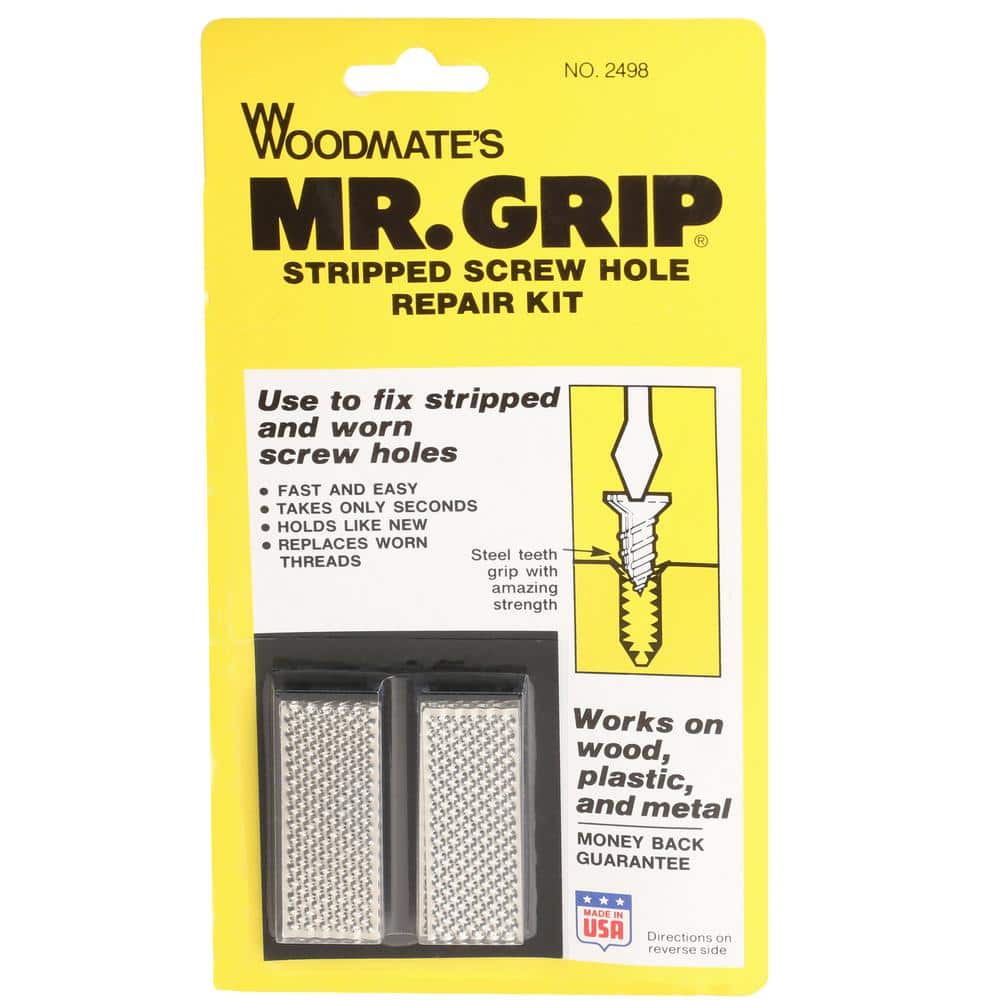
Credit: www.homedepot.com
Frequently Asked Questions
How Do I Fix A Stripped Screw Hole In Wood?
Fill the hole with wood filler or toothpicks dipped in glue. Let it dry, then re-drill a pilot hole for the screw.
What Materials Work Best To Repair Stripped Wood Holes?
Wood filler, toothpicks with wood glue, or wooden dowels are effective. These materials strengthen the hole and hold screws tightly.
Can I Reuse Screws After Fixing Stripped Holes?
Yes, you can reuse the same screws if they are not damaged. Otherwise, choose slightly larger screws for a better grip.
How Long Should I Wait Before Reattaching Screws?
Wait for at least 1 hour after applying filler or glue. This ensures the repair dries fully and holds the screw securely.
What Tools Do I Need To Fix Stripped Screw Holes?
Basic tools include wood filler, glue, toothpicks or dowels, a screwdriver, and a drill with a small bit. These help restore the hole properly.
Conclusion
Fixing a stripped screw hole in a wood cabinet is simple with the right steps. Use wood filler, toothpicks, or a wooden plug to fill the hole. Let the material dry completely before screwing back in. This helps the screw hold tight and keeps your cabinet sturdy.
Taking time to repair the hole saves money and extends the cabinet’s life. Try these easy fixes next time you face a loose screw problem. Your cabinet will look and work like new again.