
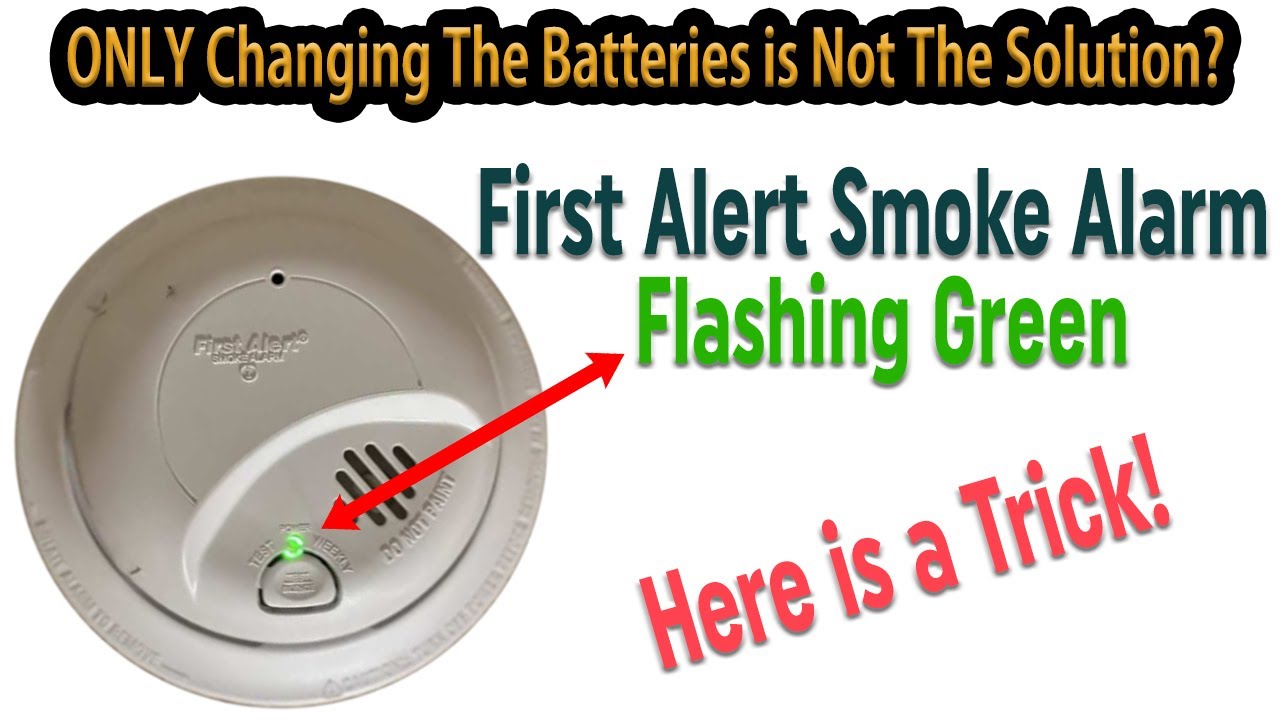
Have you noticed your smoke detector blinking green and wondered what it means? That little light might seem harmless, but it’s trying to tell you something important about your safety.
Understanding why your smoke detector is blinking green can help you avoid false alarms or, worse, missing a real emergency. Keep reading to find out exactly what that blinking green light means and what steps you should take to keep your home and loved ones safe.
Credit: www.youtube.com
Common Smoke Detector Lights
Smoke detectors use lights to show their status. These lights help users understand if the device works well or needs attention. Knowing the meaning of these lights can keep your home safe. It also helps you fix issues quickly.
What Different Colors Indicate
Smoke detectors often use red, green, and sometimes yellow or orange lights. A red light usually means the alarm is active or there is smoke detected. A yellow or orange light might signal a warning or a low battery. Green lights often mean the device is powered and working properly.
Significance Of A Green Blink
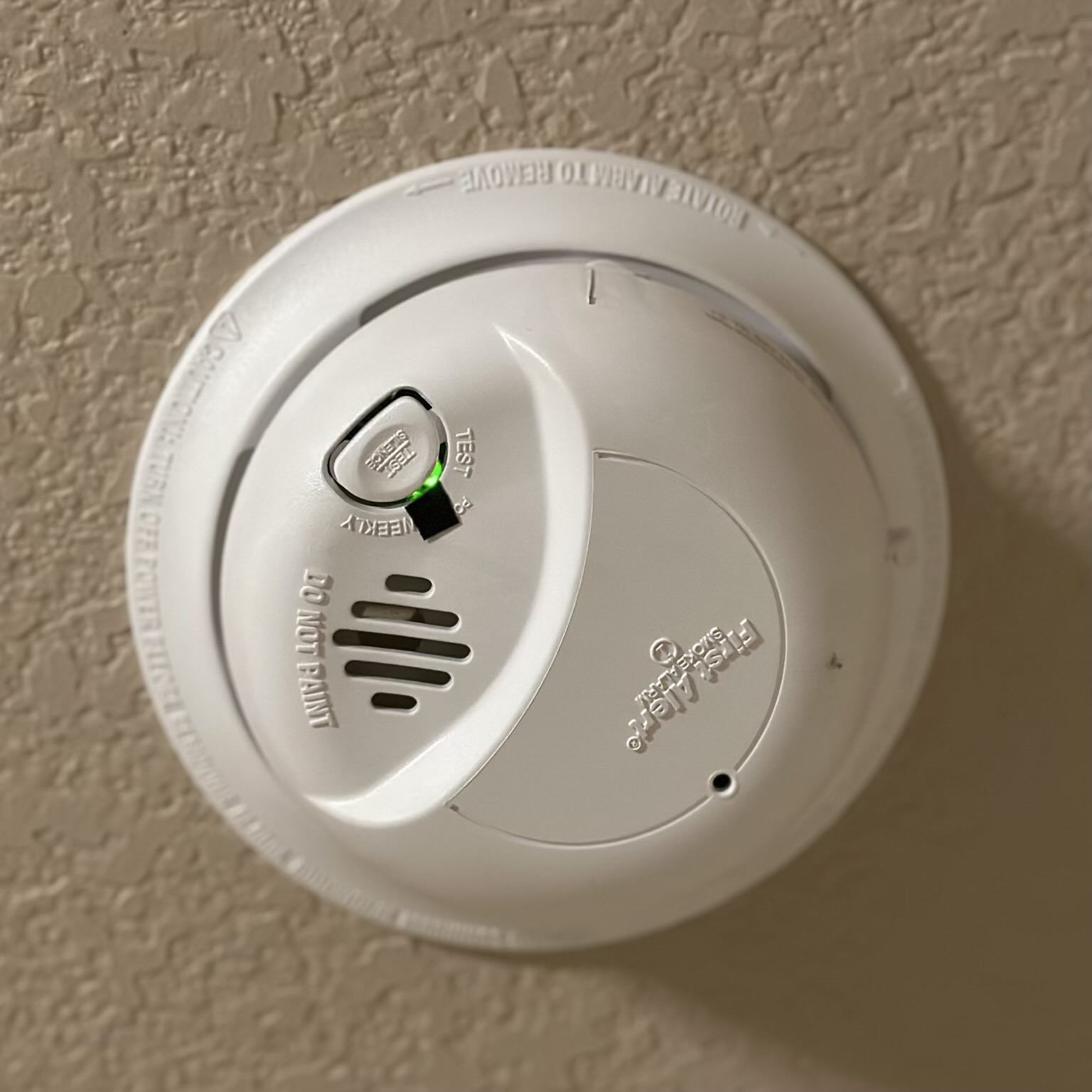
A blinking green light on a smoke detector means it has power. It shows the battery or electrical connection is good. This light blinks regularly to reassure users the detector is active. A steady green light may mean the device is in a test mode or ready. No green light could mean the detector has no power or needs new batteries.
Reasons For Green Blinking
Many smoke detectors use a blinking green light to show their status. This light tells you important information about the device. Knowing the reasons behind a green blinking light helps keep your home safe. It shows that the detector is working correctly or alerts you to certain conditions.
Normal Operation Signals
A blinking green light usually means the smoke detector is working well. It shows the device is active and ready to detect smoke. This steady blinking is a sign of normal operation. It means the sensor is on and monitoring the air for smoke particles.
This signal reassures you that the detector is not silent or off. It is important to check this light regularly. A normal green blink means your detector is doing its job properly.
Battery And Power Status
The green blinking light can also indicate power status. Many detectors flash green to show they have good battery life. This means the power source is strong and the device will not shut off unexpectedly. It helps prevent false alarms or device failure due to low battery.
Some models blink green while charging or after a battery replacement. Watching this light can tell you if the battery is healthy. If the green blink stops, it may be time to replace or recharge the battery.
Sensor And System Checks
Smoke detectors perform regular self-tests to ensure safety. A blinking green light often signals these system checks. The device tests its sensors and internal circuits automatically. This process helps catch any faults early before they cause problems.
During these checks, the green light may blink faster or slower. This variation informs you that the device is scanning for issues. If the light changes or stops blinking, it might mean the detector needs maintenance or repair.
Troubleshooting Steps
Seeing a smoke detector blinking green can cause concern. The blinking light often signals that the device is working but may need attention. Following clear troubleshooting steps helps ensure your detector functions properly and keeps your home safe.
Checking The Power Source
Start by verifying the power supply. For battery-powered detectors, remove the battery and check its charge. Replace old or weak batteries with fresh ones. For hardwired detectors, ensure the electrical connection is secure. Power interruptions might cause the green light to blink.
Resetting The Detector
Resetting can fix many minor issues. Locate the reset button on your smoke detector. Press and hold it for about 15 seconds. Release the button and wait for the light pattern to change. A steady green light usually means the reset worked.
Cleaning The Sensor
Dust and debris can affect sensor performance. Turn off the power before cleaning. Use a soft brush or vacuum cleaner to remove dust from the detector’s vents. Avoid using water or cleaning sprays. Clean sensors help maintain accurate detection and proper light signals.
When To Replace The Detector
Knowing when to replace your smoke detector is important for home safety. A blinking green light can mean different things. Sometimes it shows the device is working. Other times, it signals a problem. Replacing a faulty detector prevents false alarms and keeps you safe.
Signs Of Malfunction
Watch for unusual blinking patterns. Rapid or irregular blinking may mean the detector is faulty. If the alarm sounds without smoke, it might be broken. The device may also fail to beep during tests. These signs show the detector needs replacement.
Age And Battery Life Considerations
Smoke detectors usually last about 10 years. Over time, sensors wear out and become less reliable. Check the device’s manufacture date on the back. Batteries also need regular replacement. Some detectors have sealed batteries that last 10 years. If your detector’s battery is dead and non-replaceable, replace the whole unit.
Safety Tips For Smoke Detectors
Smoke detectors save lives by warning about fires early. Knowing how to keep them working well is very important. Follow simple safety tips to make sure your smoke detectors protect your home and family.
One common sign is a smoke detector blinking green. This usually means the device is working right. Understanding this helps you avoid confusion and keep your home safe.
Regular Maintenance
Test your smoke detectors once a month. Press the test button to hear the alarm sound. Change batteries at least once a year. Replace batteries immediately if the alarm beeps often.
Clean the detector by gently vacuuming dust from vents. Dust can stop the sensor from working properly. Replace smoke detectors every 10 years. Old detectors may fail to detect smoke.
Proper Installation Locations
Install smoke detectors on every floor of your home. Place one inside each bedroom and outside sleeping areas. Avoid placing them near windows or vents. Airflow can stop smoke from reaching the detector.
Mount detectors on the ceiling or high on walls. Smoke rises, so higher placement works best. Keep detectors away from kitchens and bathrooms. Steam or cooking smoke may cause false alarms.
Credit: felixwong.com

Credit: www.reddit.com
Frequently Asked Questions
What Does A Blinking Green Light On A Smoke Detector Mean?
A blinking green light usually means the smoke detector is powered and working. It shows the device is in normal monitoring mode. This helps you know the alarm is active.
How Often Should A Smoke Detector Blink Green?
The green light should blink every few seconds to show it is active. If it stops blinking, the detector may have a problem. Regular blinking means it’s ready to detect smoke.
Can A Blinking Green Light Indicate Battery Issues?
No, a blinking green light generally means the battery is fine. Low battery warnings usually show as a red or yellow light or beep. Green means good power and function.
Should I Worry If The Smoke Detector Stops Blinking Green?
Yes, no blinking green light can mean the detector is off or faulty. Check the power source and battery if the light stops blinking. It’s important to fix this quickly.
Does Blinking Green Light Vary By Smoke Detector Brand?
Yes, some brands may use different signals, but green blinking often means normal. Always check the user manual for exact light meanings. This ensures you understand your specific detector’s signals.
Conclusion
A smoke detector blinking green shows it has power and works well. This light means the device is ready to keep you safe. Check the manual to know what the green blink means for your model. Keep your smoke detector clean and test it often.
Replace batteries when needed to avoid false alarms. Staying aware helps protect your home and family from fire risks. A simple green blink gives peace of mind every day.